
Seeing the world as Fred did

It has been 33 years since Professor Fred Hollows passed, and just over 33 years since The Fred Hollows Foundation was established to carry forward his vision.
Fred continues to inspire people around the world, not just through the work he did, but through the way he saw the world.
He did not simply notice what was in front of him. He noticed what was missing, what was unfair, and what could be changed. He believed that everyone, no matter where they were born or how much money they had, deserved the chance to see the world clearly.
Here are some of the moments that shaped Fred, and reveal how he moved through the world.
Seeing people, not circumstances
As a young man, Fred spent a summer working in a mental health hospital in Porirua, New Zealand. That experience stayed with him. It shaped his belief that people should never be defined by their circumstances, and that solutions should be practical, compassionate, and focused on giving people real opportunity.
This way of seeing people, first and always, would guide his work for the rest of his life.
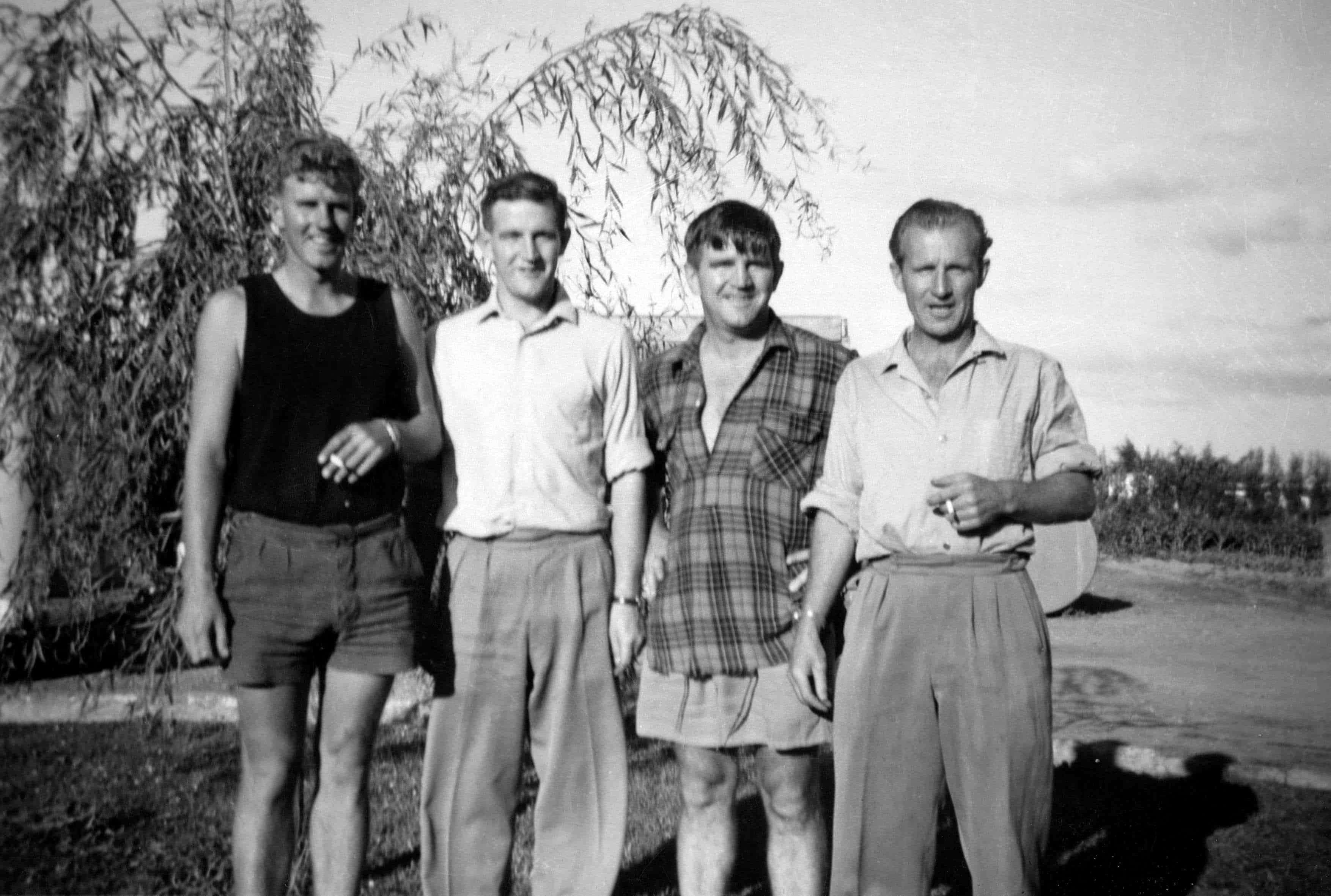
The Hollows brothers, (left to right) John, Colin, Fred and Maurice (Monty) in the backyard of their home in Palmerston North (New Zealand), in 1953.
Photo credit: The Fred Hollows Foundation
Witnessing inequity up close
In 1968, Fred travelled to remote Aboriginal communities in the Northern Territory, and later to Bourke in New South Wales. What he saw shocked him. Children and adults were living with blinding trachoma, a disease that had been almost eliminated elsewhere in Australia. Access to healthcare was limited, living conditions were poor, and the situation was impossible to ignore.
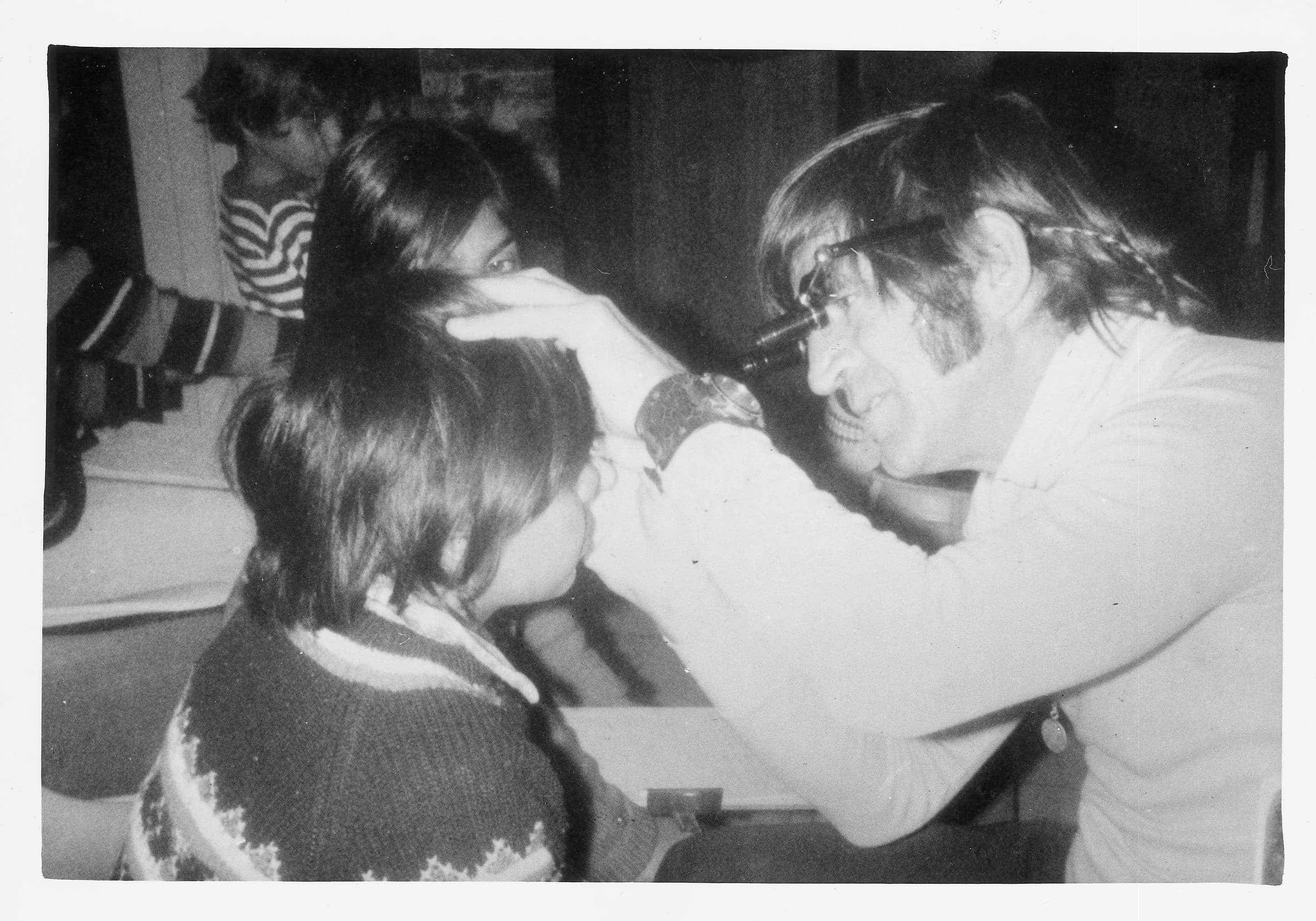
Photo credit: The Fred Hollows Foundation
By the mid-1970s, trachoma was still causing blindness in Aboriginal and Torres Strait Islander communities across the country. Fred believed Australians needed to face this reality. A bold, coordinated response was required.
In 1975, Fred Hollows, Gabi Hollows, and a small team of dedicated health workers secured $1.4 million in Australian Government funding to establish the National Trachoma and Eye Health Program. It was a two-year mission to eliminate trachoma, improve eye health, and deliver long-overdue care to communities that had been neglected for far too long.
Travelling in dusty four-wheel drives, specialist teams of doctors, nurses, and Aboriginal health workers covered vast distances, including trips to the Torres Strait Islands. Aboriginal leaders such as Jilpia Jones, Rose Murray, Gordon Briscoe, Trevor Buzzacott, and Reg Murray played a critical role, working alongside the teams to build trust, guide priorities, and ensure the program was shaped by community needs.
Read more about why we're still fighting to end trachoma, 50 years on.
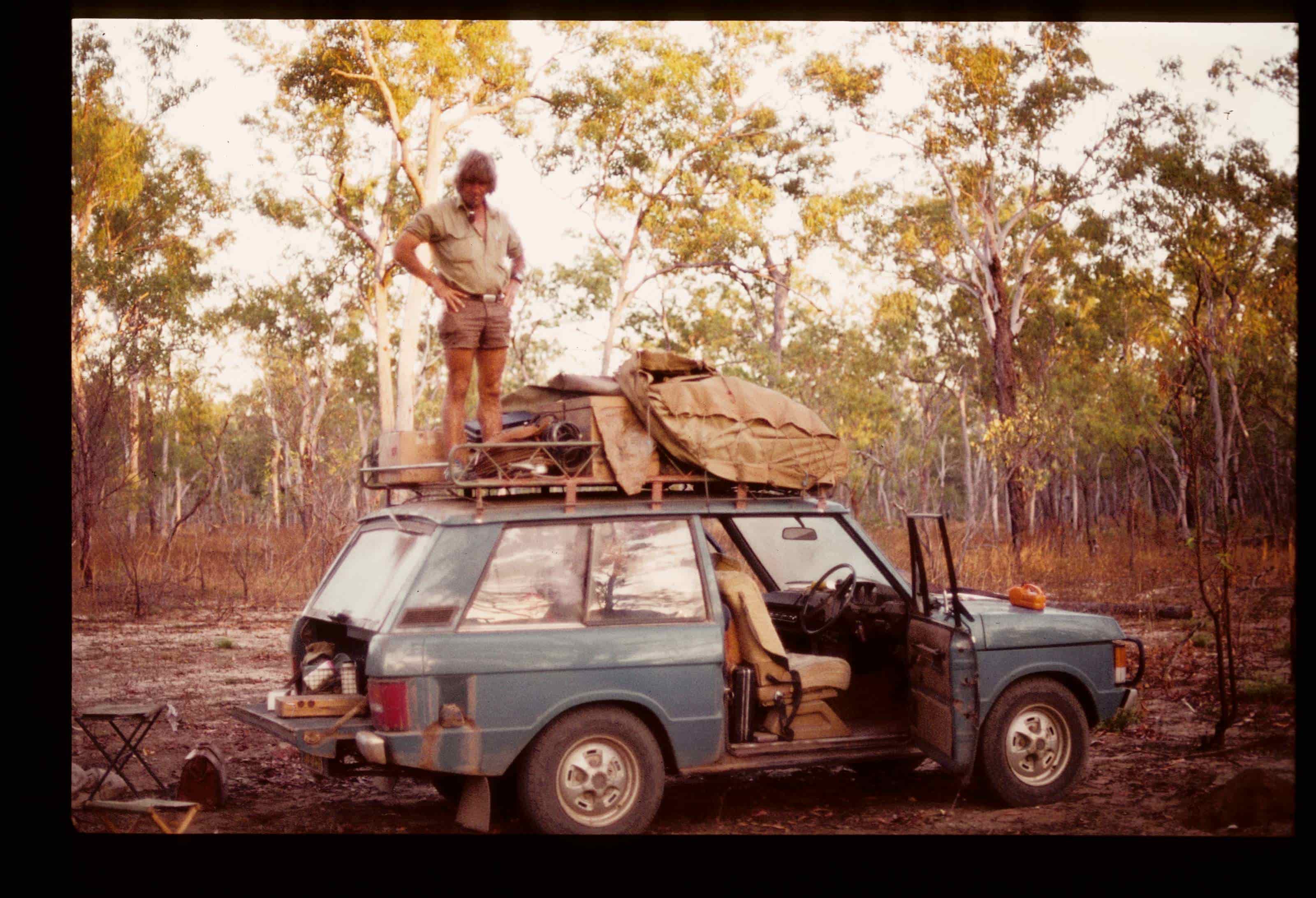
Fred at Maningrida during the National Trachoma and Eye Health Program.
Photo credit: Leon Cebon
The program demonstrated what was possible when communities were respected, listened to, and supported to lead change themselves.
“There must be active community involvement, using the community’s own structures, in every aspect of disease control programs, and communities must have a real say in the direction of activities.”
— Fred Hollows
Making sight affordable
Fred witnessed similar inequities overseas. In countries such as Nepal, Eritrea, and Vietnam, cataract surgery was out of reach for most people. Intraocular lenses were expensive, and modern surgical techniques were rarely taught locally.
Fred’s response was practical and ambitious. He helped establish intraocular lens factories in Nepal and Eritrea. An intraocular lens, or IOL, is a tiny piece of plastic that replaces the eye’s natural lens during cataract surgery, allowing light to focus correctly on the retina.
Before these factories existed, the cost of a lens made cataract surgery unaffordable for millions. By producing high-quality lenses locally, the cost was reduced from more than $150 to less than $5.
Today, the factories produce around 250,000 lenses each year, supplying more than 50 countries. Since opening, they have produced almost eight million lenses. This innovation has restored sight to millions of people and created world-class manufacturing facilities in both Eritrea and Nepal.
Fred refused to accept barriers that could be removed. The small piece of plastic he championed has made an extraordinary difference.
Read more about how Fred made cataract surgery more affordable here.
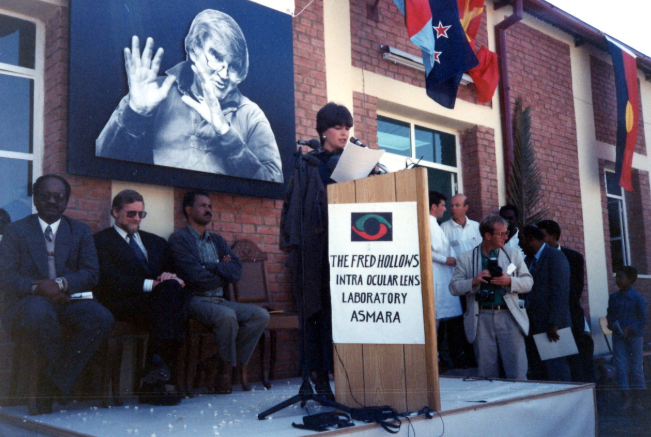
Gabi Hollows at the official opening of the Fred Hollows Intraocular Lens Laboratory in Asmara, Eritrea, January 1994, as Fred’s vision for affordable cataract surgery became a reality.
Photo credit: The Fred Hollows Foundation
Teaching and empowering others
Even in the final months of his life, after being diagnosed with cancer, Fred continued to work. In 1992, he travelled to Vietnam to help train more than 300 local eye specialists.
He believed strongly that communities should have the skills and confidence to care for themselves. His focus was always on building local capacity, so change could last long after he was gone.
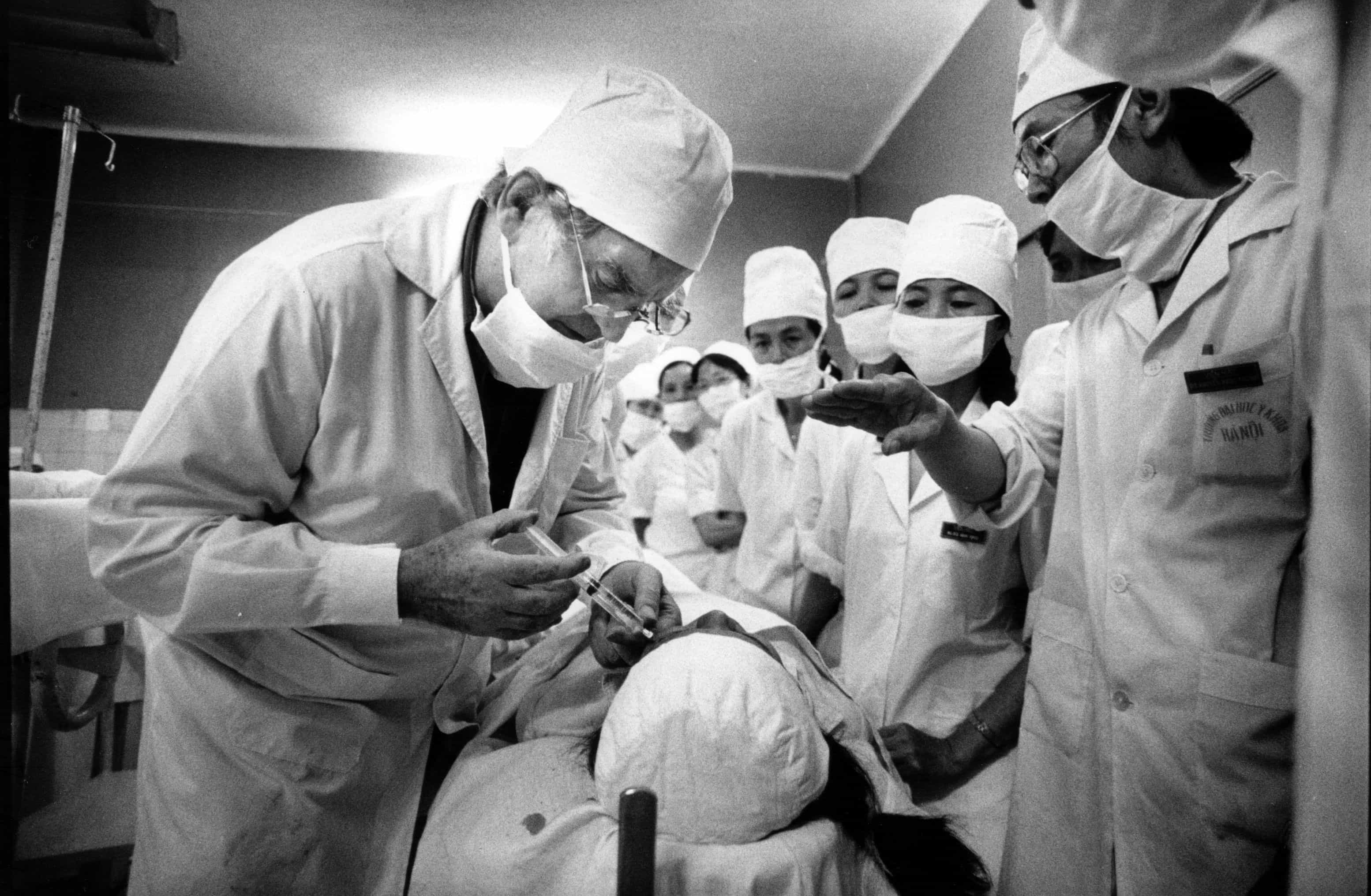 Professor Fred Hollows preparing a patient for cataract surgery in Hanoi, Vietnam, 1992, as part of his work training local eye specialists.
Photo credit: Michael Amendolia
Speaking out for justice
Fred never shied away from speaking out. He believed deeply in fairness and was willing to challenge governments, institutions, and public opinion when necessary.
In Australia, he publicly called attention to the unacceptable living conditions facing Aboriginal and Torres Strait Islander communities. He stood alongside community leaders, advocating for access to healthcare, clean water, and basic services, and insisted that inequity should never be ignored.
Read more about the times Fred stood up against injustice.
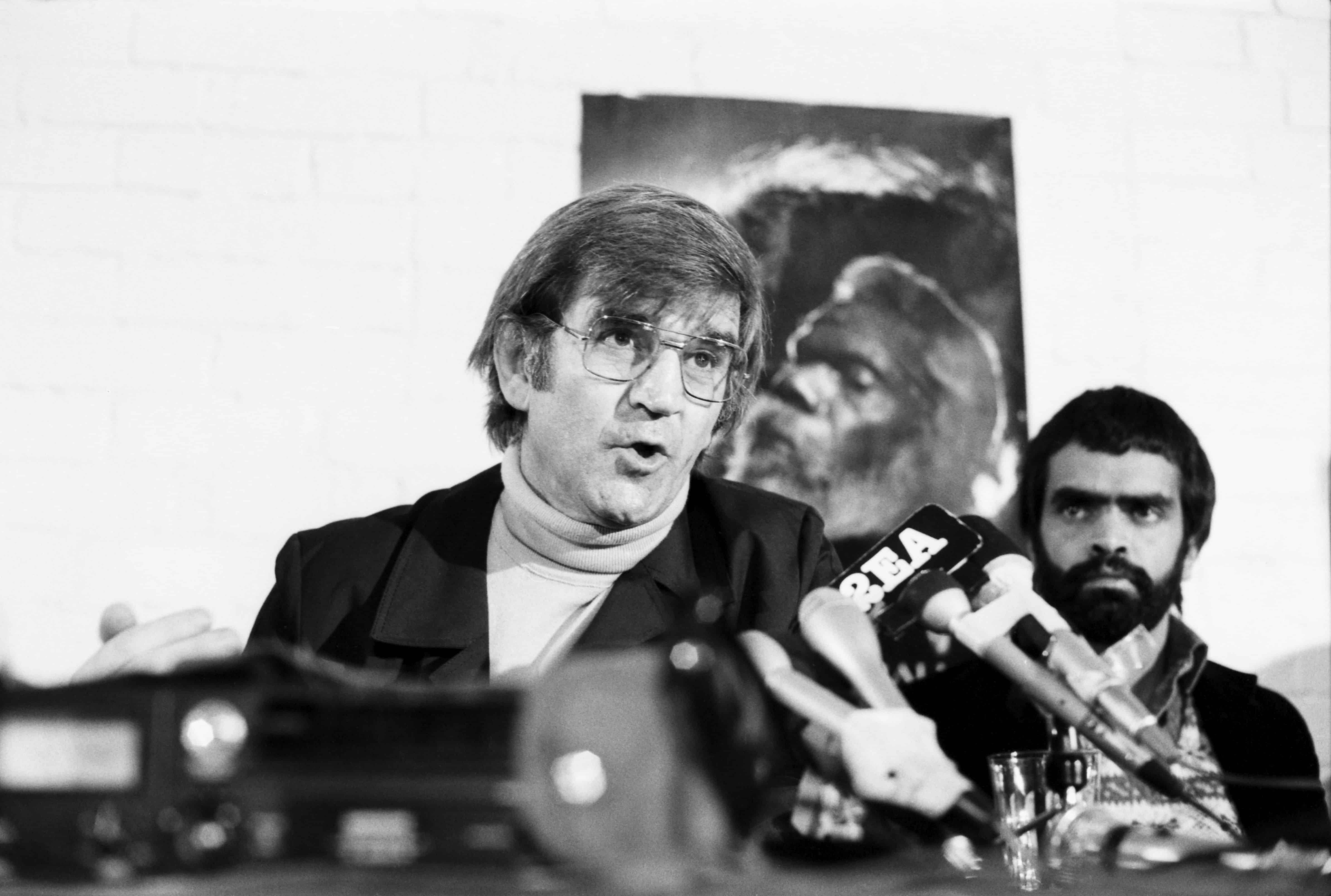
Professor Fred Hollows (left) and Gary Foley at a Sydney press conference announcing Fred Hollows’ and Gordon Briscoe’s resignation from the National Trachoma and Eye Health Program in protest against plans to hand the Aboriginal Health Program to state governments.
Photo credit: Fairfax Media
A legacy that lasts
Fred’s work continues today because of people like you. The Fred Hollows Foundation trains surgeons, restores sight, and supports communities to sustain change, following the principles Fred lived by.
He believed in building systems, not just delivering services. In solutions, not charity.
“I never did medicine to make a lot of money. I studied medicine so I could help others.”
— Fred Hollows
On this anniversary, we remember Fred not only for the eyes he helped heal, but for the way he saw the world, the fairness he fought for, and the hope he inspired.
Help continue Fred’s mission. Your donation can restore sight and transform lives.
Read more about Fred Hollows

Fred's Final Years

7 things my Dad taught me about changing lives

14 reasons why we think Fred should be celebrated