
Recent trachoma milestones around the world

Trachoma is the world’s leading infectious cause of blindness, yet it is entirely preventable. For the first time since global records began, fewer than 100 million people worldwide still need treatment to protect their sight from trachoma.
Over the past year and beyond, countries across the globe have made remarkable progress in the fight against this disease. From major reductions in people needing treatment to World Health Organization (WHO) validation of elimination in multiple countries, these milestones show what’s possible when communities, governments, and partners work together.
What is trachoma?
Trachoma is a bacterial eye infection, similar to the common ‘pink-eye’ or conjunctivitis. Repeated infections over time can scar the eyelid and cornea, causing eyelashes to turn inward and painfully scratch the eye. Without treatment, this leads to irreversible blindness, often in adulthood, and in some regions even children are affected.
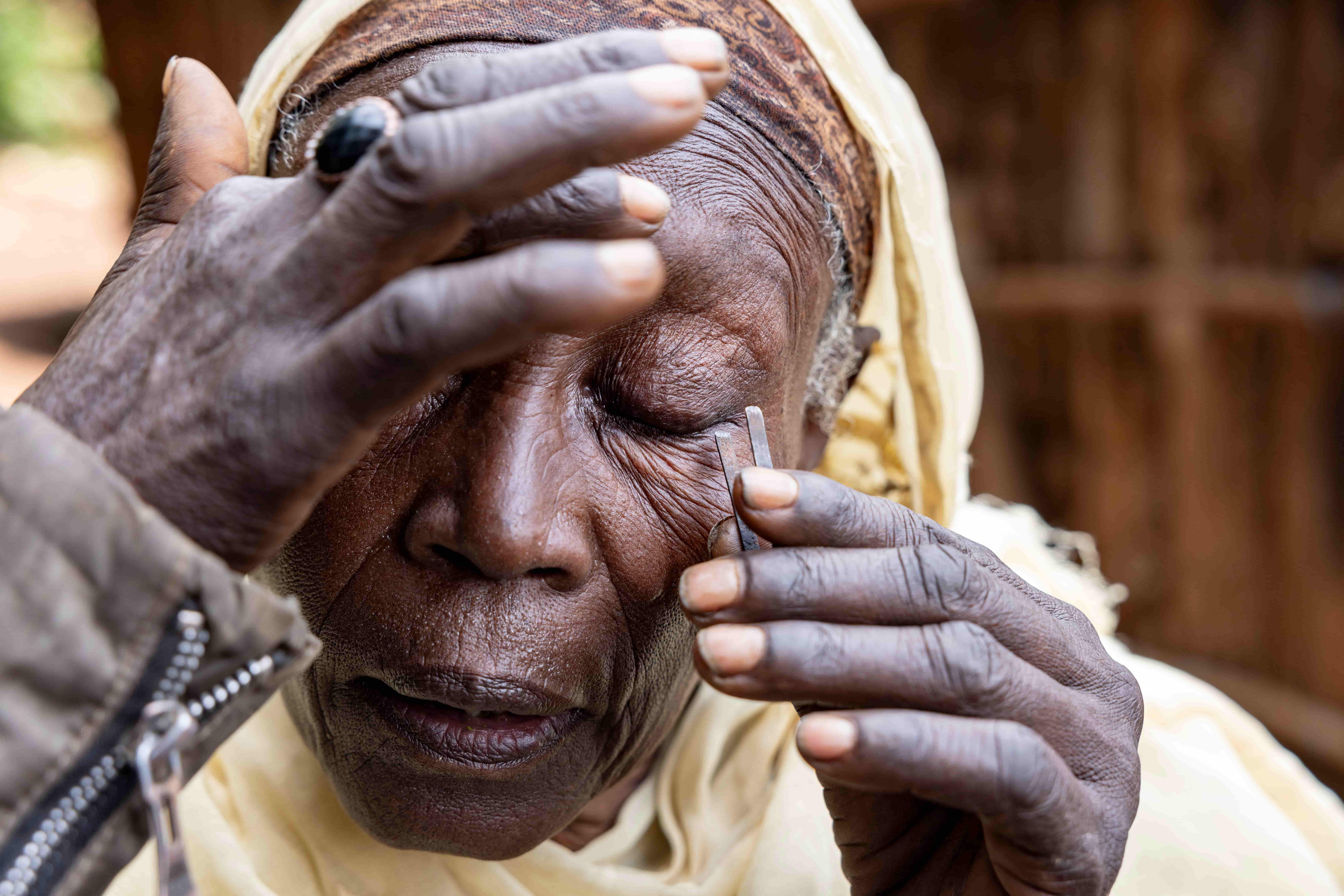 Hadha in Oromia, Ethiopia, received treatment for trachoma through a local outreach program, bringing sight-saving care directly to her community.
Photo credit: Michael Amendolia
The disease thrives in areas with limited access to clean water and sanitation and disproportionately affects mothers and children.
Read more about our efforts to combat trachoma here.
Global milestone: Fewer than 100 million people need treatment
For the first time since global records began, fewer than 100 million people worldwide require interventions for trachoma. This reflects decades of action implementing the WHO SAFE strategy—Surgery, Antibiotics, Facial cleanliness, and Environmental improvements.
The Fred Hollows Foundation has been a key player, distributing over 200 million antibiotic doses, including 114 million in Ethiopia alone, reaching 95% of the Oromia region. Beyond medication, we train surgeons and community health workers, support water and sanitation projects, and advocate for systemic change to sustain these gains.
Countries including Vietnam, Pakistan, and Fiji have now been validated by WHO as having eliminated trachoma as a public health problem. While almost 100 million people remain at risk, today’s milestone shows what is possible when global efforts are coordinated.
Read more about this historic global milestone here.
Papua New Guinea eliminates trachoma
In May 2025, WHO confirmed that Papua New Guinea had eliminated trachoma as a public health problem. This was the result of years of collaborative work, supported by the UK’s Department for International Development, the Australian Government, and our local partners.
Trachoma in PNG presented unique challenges. Surveys assessing scarring among children aged 10–14 were crucial to understanding the disease’s reach and moving the country toward elimination. Foundational efforts, dating back to 2012, laid the groundwork for success.
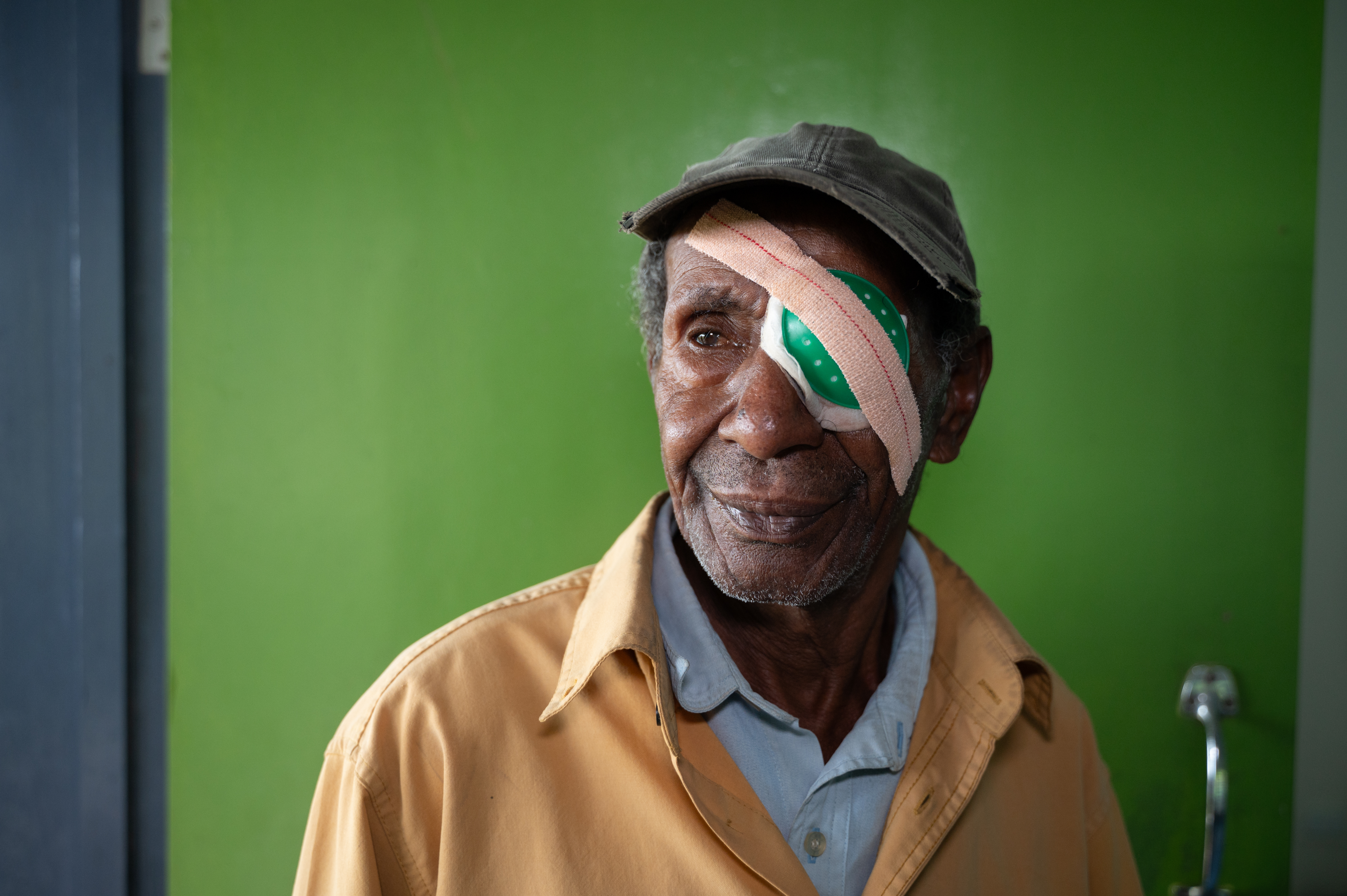 Photo credit: The Fred Hollows Foundation
Dr Ana Cama, our Trachoma Coordination Manager, highlighted the importance of these long-term initiatives, while Pacific Country Manager Sara Webster praised the partnerships that made this milestone possible.
Read more about Papua New Guinea's journey to eliminate trachoma here.
Vietnam validated as trachoma-free
In October 2024, Vietnam joined the list of countries that have eliminated trachoma. The Fred Hollows Foundation, alongside USAID, UNICEF, RTI International, and national agencies, helped drive this final push.
Trachoma had been a leading cause of preventable blindness in Vietnam, particularly in remote northern areas. Dedicated health workers overcame difficult terrain and challenges such as the COVID-19 pandemic to deliver lasting change.
This milestone underscores the impact of coordinated efforts across local and international partners, improving quality of life and wellbeing for countless communities.
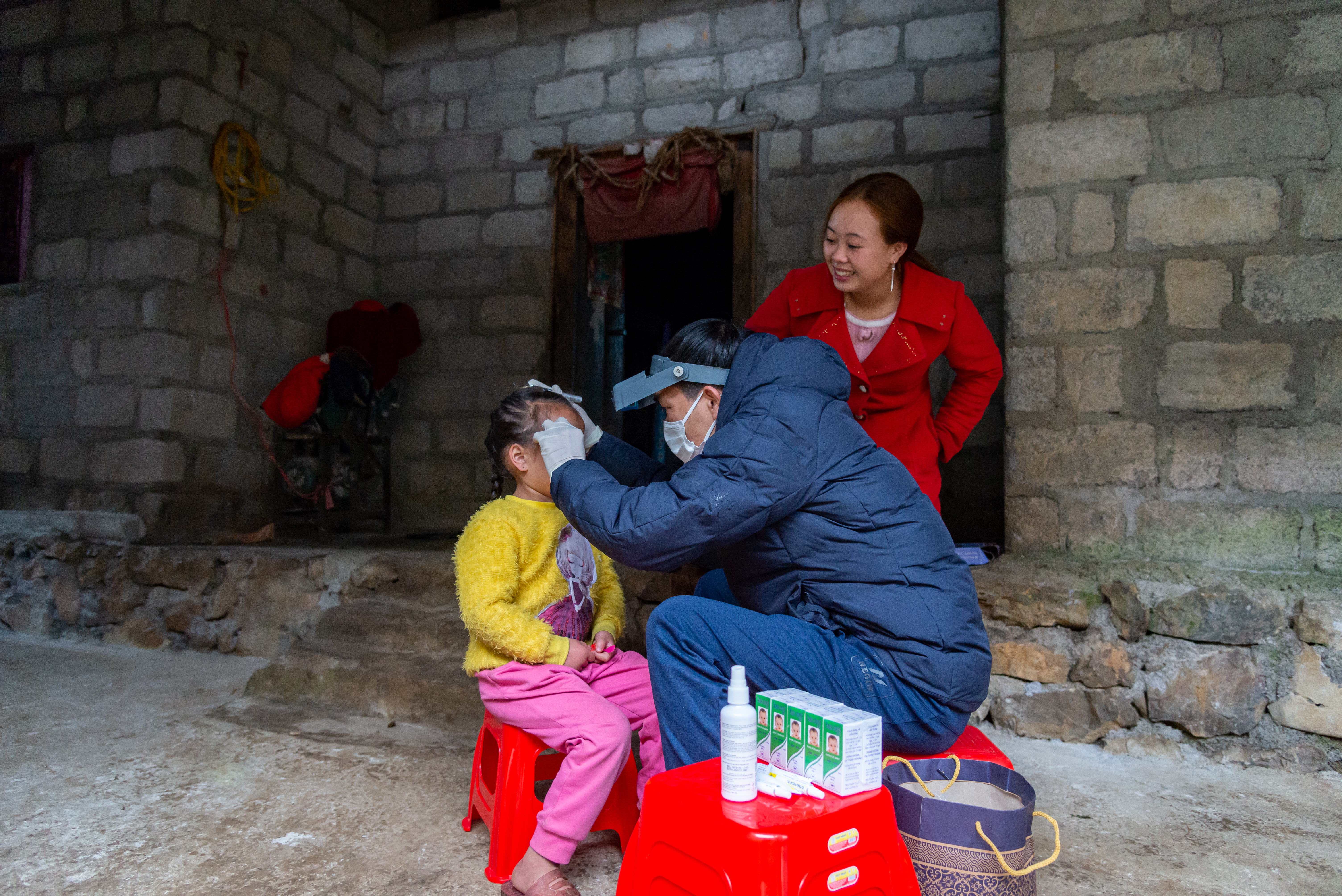 Health workers walk through a village in Ha Giang province, Vietnam, conducting the final trachoma surveillance survey to collect data for WHO validation of trachoma elimination.
Photo credit: The Fred Hollows Foundation
Read more about Vietnam’s journey to eliminate trachoma here.
Pakistan achieves trachoma elimination
WHO has also validated Pakistan’s elimination of trachoma as a public health problem. The Fred Hollows Foundation has worked in Pakistan since 1998, helping restore sight to millions and reducing the blindness rate from 1.8% to 0.9% in under 15 years.
Our programs continue to provide comprehensive eye care, addressing diabetic retinopathy, refractive errors, and cataracts while reducing poverty through trachoma elimination and early intervention programs. Supported in part by the Australian Government, we operate across 10 districts in Punjab, Sindh, and Khyber Pakhtunkhwa provinces.
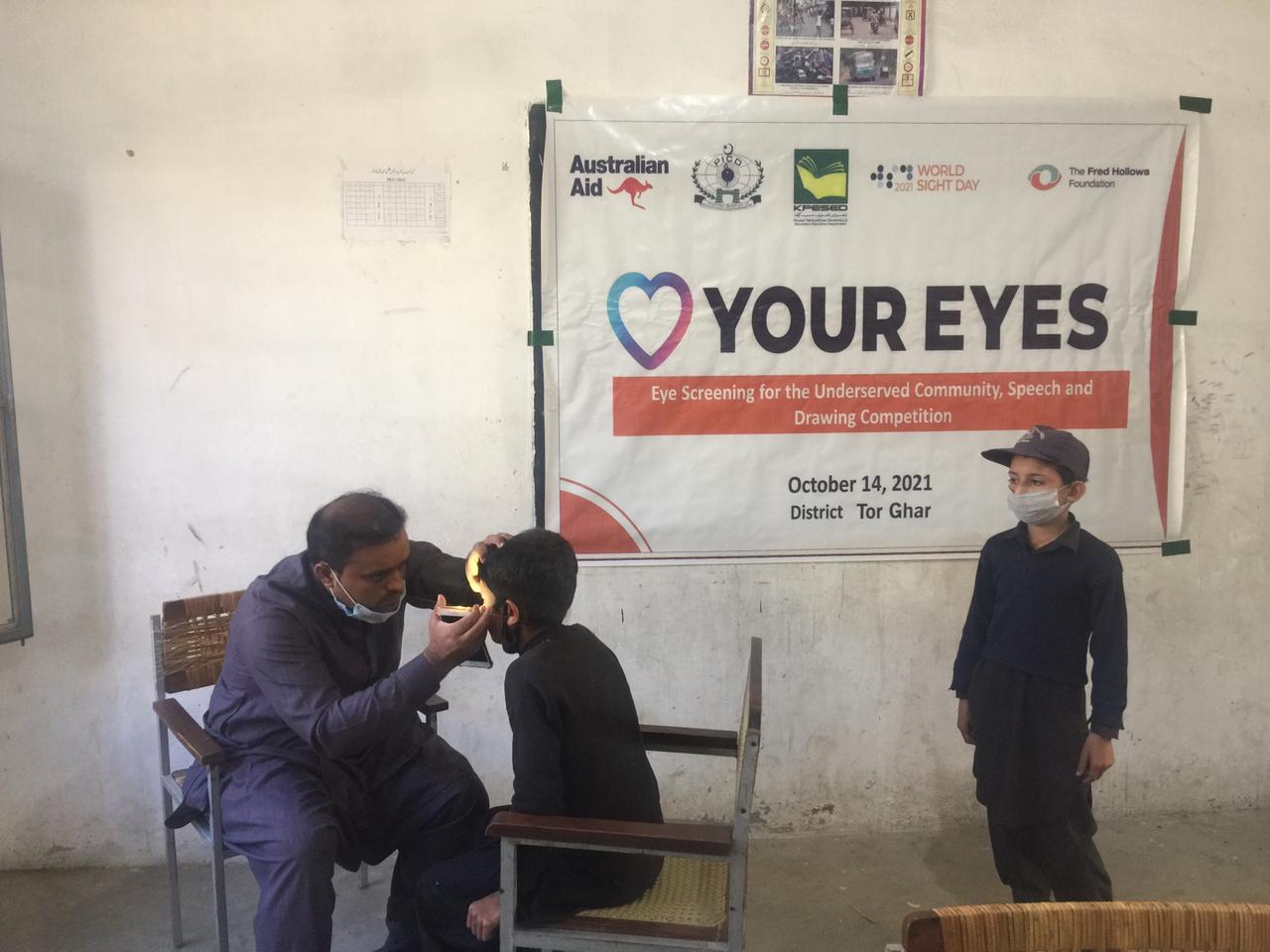 School children in Mardan, Mansehra, and Chitral celebrate World Sight Day 2021 under the Trachoma Elimination Project, taking part in screenings, competitions, and a walk to raise awareness about eye health. Photo: The Fred Hollows Foundation.
Photo credit: The Fred Hollows Foundation
A vision for the future
These milestones show that trachoma can be eliminated with sustained effort, partnership, and innovation. While challenges remain, the progress of the past few years demonstrates what is possible when communities, governments, and organisations work together.
Related articles

Global trachoma milestone: fewer than 100 million people now need treatment

Why we're still fighting to end trachoma, 50 years on


Eye disease trachoma eliminated in Papua New Guinea