Seeing their futures: Sumaiya and Habiba this International Women’s Day

This International Women’s Day, we celebrate girls whose potential is limitless and highlight the barriers that too many still face. The theme, Balance the Scales, reminds us that equality does not happen automatically. It must be built into the systems that shape people’s lives.
For the past seven years, Sumaiya and Habiba have spent their days camped in a small house near Chandpur in Bangladesh. The sisters, aged 17 and 14, should be at school – but they have lived with severe vision loss from a rare eye condition that affected them shortly after birth.
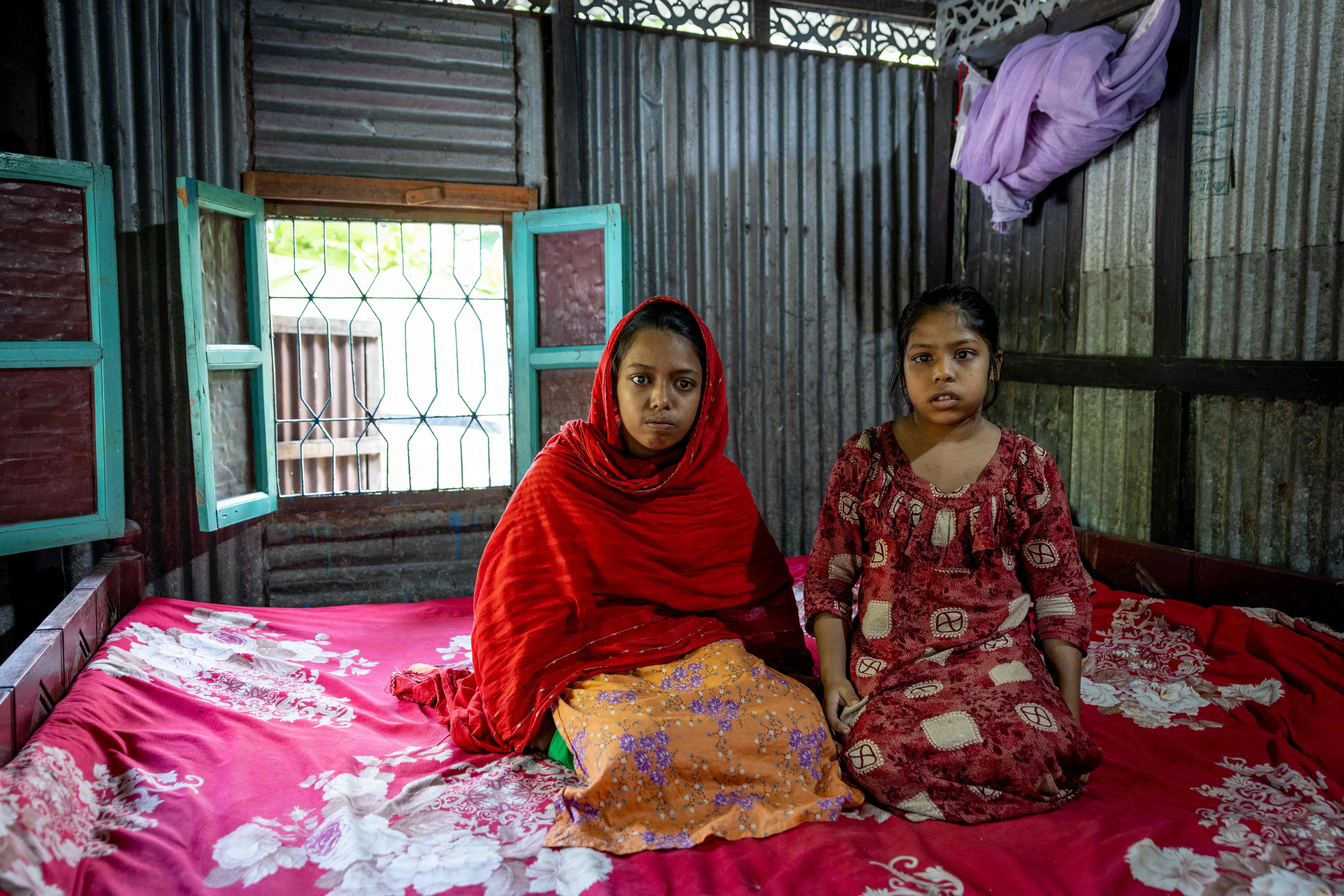 Photo credit: Michael Amendolia
Their father, Md Awlad Hossain, a farmer, struggles to earn enough money to keep his family fed and housed. It is impossible for him to raise the money needed for his daughters’ eye surgery.
Sumaiya misses school. Habiba is also desperate to attend classes and play with her friends. After Sumaiya’s vision deteriorated, Habiba’s began to blur. Awlad was devastated.
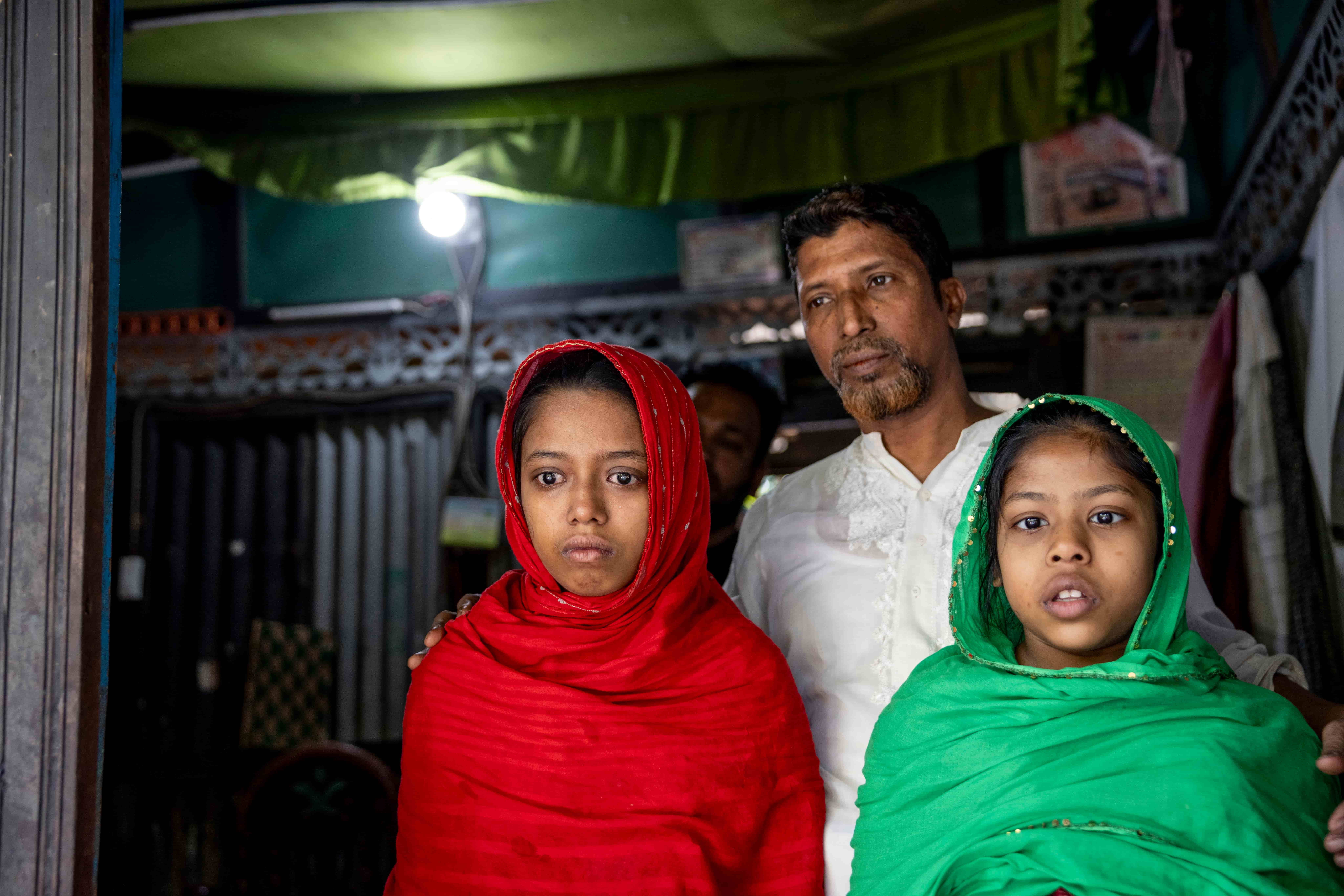 Photo credit: Michael Amendolia
“They were not like this before. They lived normal, active lives – playing with other children, attending school, going to the mosque to recite the Quran and spending their days running and playing freely. But as their vision gradually became blurry, everything changed. They stopped going out and playing with others and stayed at home most of the time,” he said.
A lifeline through care
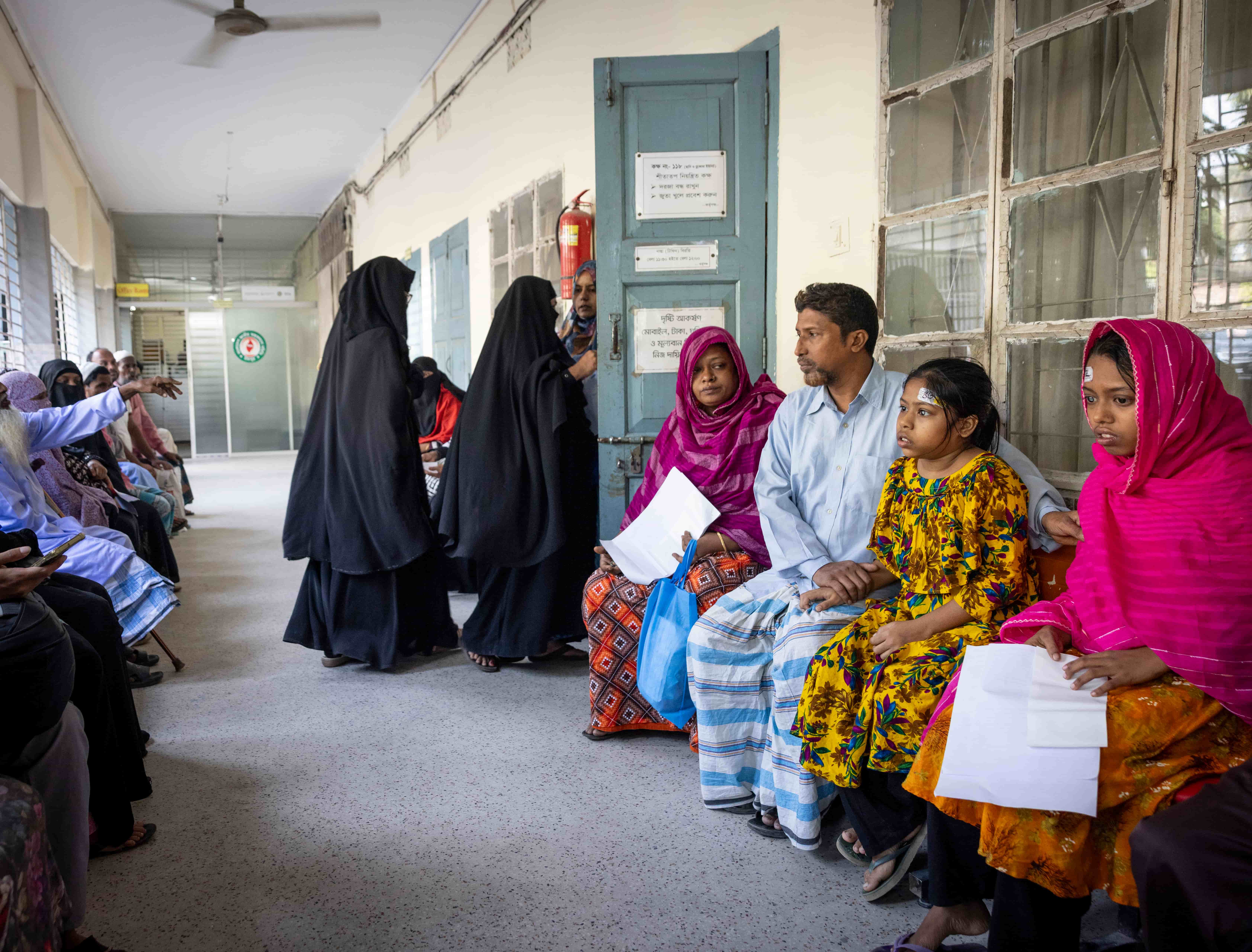 Photo credit: Michael Amendolia
Awlad shared his situation with a distant relative who recognised the urgency and connected the family with Mazharul Haque BNSB Hospital in Chandpur, one of The Fred Hollows Foundation’s partner hospitals. The medical team contacted Awlad and explained a program supported by the Foundation and the Australian NGO Cooperation Program (ANCP).
Sumaiya and Habiba were screened and scheduled for cataract surgery, about 90 minutes from their home.
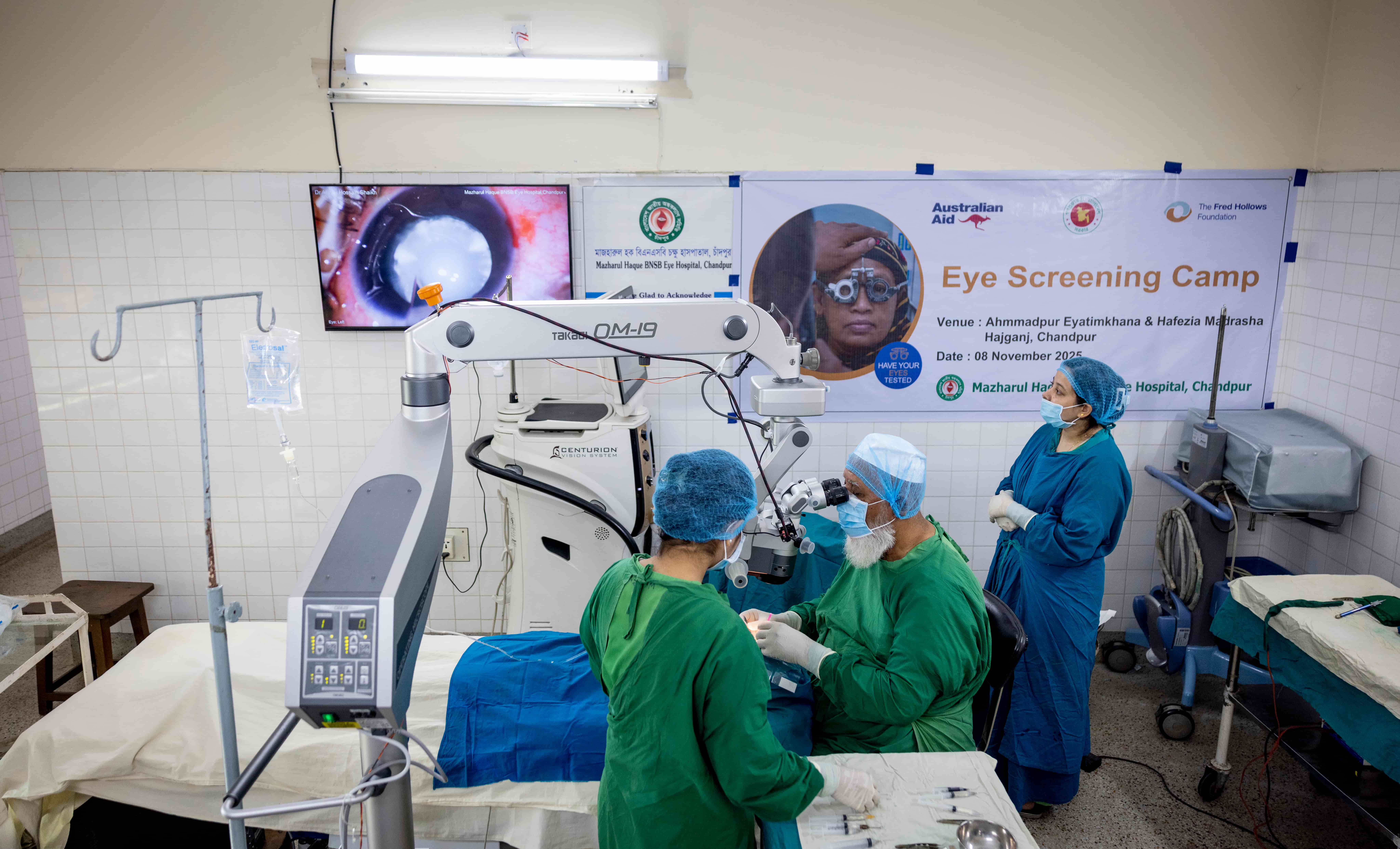 Photo credit: Michael Amendolia
The day after surgery, they waited for the medical staff to remove their eye patches. Habiba reached confidently for a lollipop offered by a nurse. Their parents were overcome with relief and joy. Hajera, their mother, was crying tears of happiness. Awlad was thrilled knowing that his daughters could now look forward to a better future and return to school.
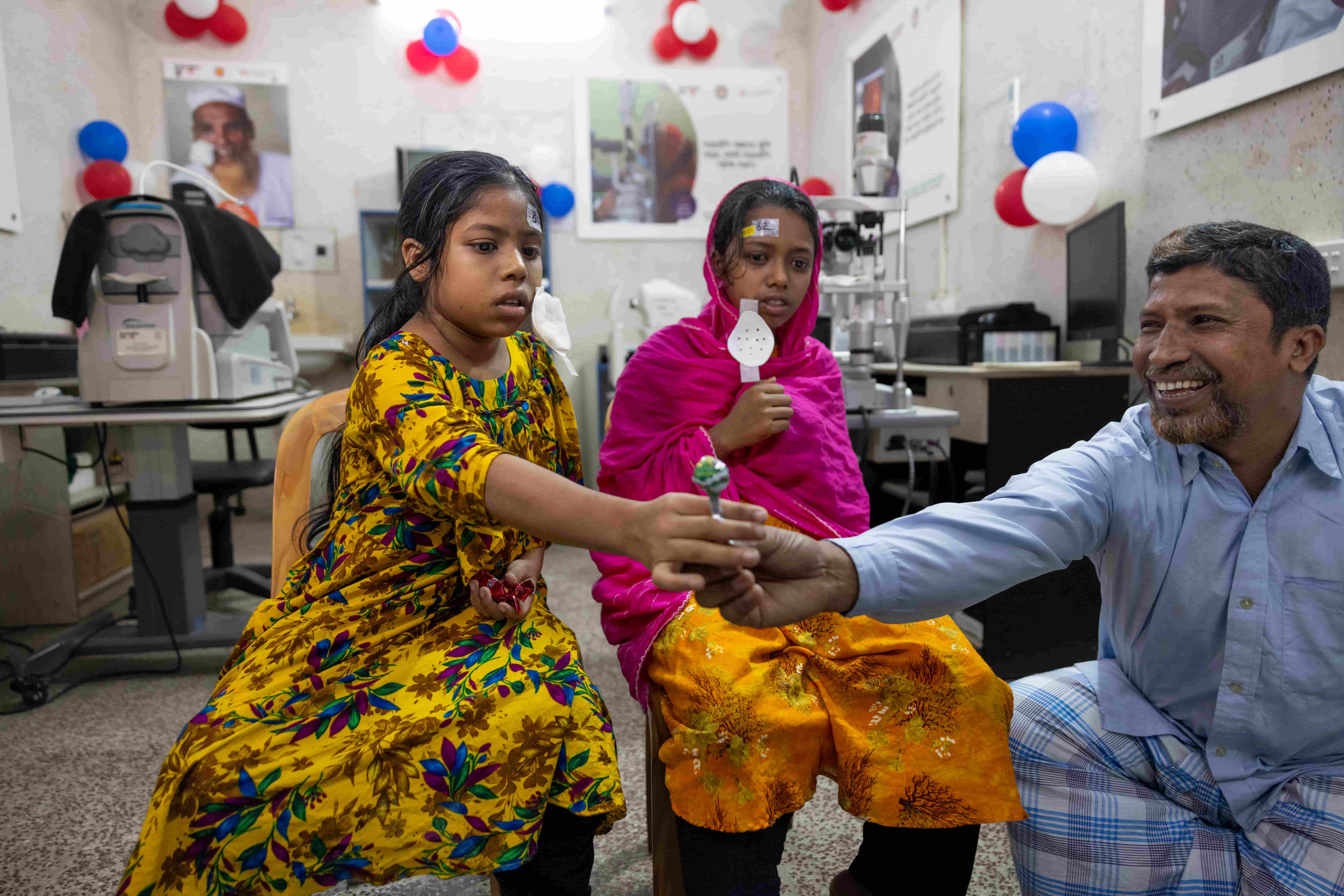 Photo credit: Michael Amendolia
The gendered impact of vision loss
Sumaiya and Habiba’s story reflects a global reality: women and girls are more likely to experience vision loss and less likely to receive treatment. Globally, women and girls account for 55% of vision impairment. In many communities, cultural expectations, caregiving responsibilities, and financial constraints prevent girls from accessing care.
Vision impairment affects more than individual health. Girls who lose their sight are often excluded from education, limiting their opportunities to learn, work, and contribute to their communities. Women who act as caregivers for relatives with vision impairment frequently sacrifice their own education or employment, perpetuating cycles of disadvantage. Older women face similar challenges, with vision loss affecting independence and increasing the caregiving burden on the next generation.
Read more about our work to close the gender gap in eye care.
Why eye care is a gender equity issue
The Fred Hollows Foundation works to close the gender gap in eye health by:
- Training female surgeons, nurses, and health workers so women have role models and advocates in the system
- Removing barriers to care that prevent girls and women from accessing treatment
- Advocating for gender-responsive policies and programs that address systemic inequities
When girls like Sumaiya and Habiba can see, everything changes. Restoring sight opens doors to education, restores independence, and creates opportunities for a better future.
This International Women’s Day
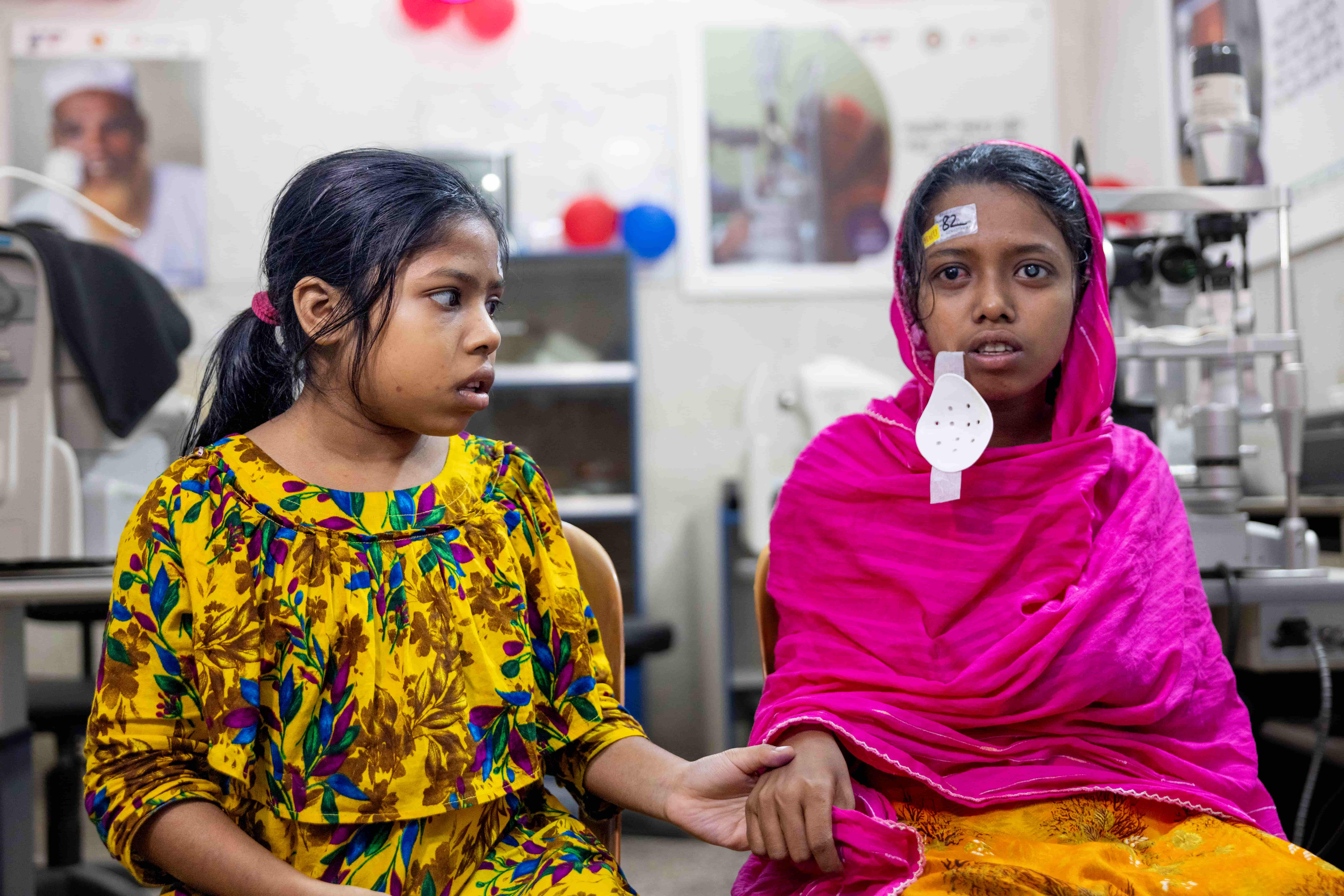 Photo credit: Michael Amendolia
Balancing the scales means ensuring that girls like Sumaiya and Habiba are not left behind. Every contribution helps more girls receive eye care, return to school, and reclaim their futures.
Support girls like Sumaiya and Habiba to access the eye care they deserve. Donate today, or become a Visionary and save sight every month.
Read more about our work in Gender Equity

Why is gender equity so important in global health?

Why women’s leadership is critical to ending avoidable blindness

5 reasons why gender equity is essential for eye health