
Protecting children's eyes in the digital age: A parent's guide

Digital devices and screens have become part of our everyday existence. Today’s world is increasingly technology-dependent and it is becoming more and more impossible to prevent our children’s exposure to digital screens.
Yet, children’s eye health has never been more important and with more children spending more time on smartphones, tablets, and computers, more attention needs to be paid to it.
There are small, proactive and manageable ways in which you can help protect your children’s eye health and vision for life.
At The Fred Hollows Foundation, we are committed to ensuring all children, no matter where they live, have the chance to live with healthy eyes, good vision and a chance to thrive. Children’s eye health is a growing public health focus worldwide as increasing numbers of children are becoming shortsighted.
Would you like to support The Fred Hollows Foundation and help restore the sight of underprivileged children around the world? Donate to The Foundation today.
Why is children’s eye health so important in the digital age?
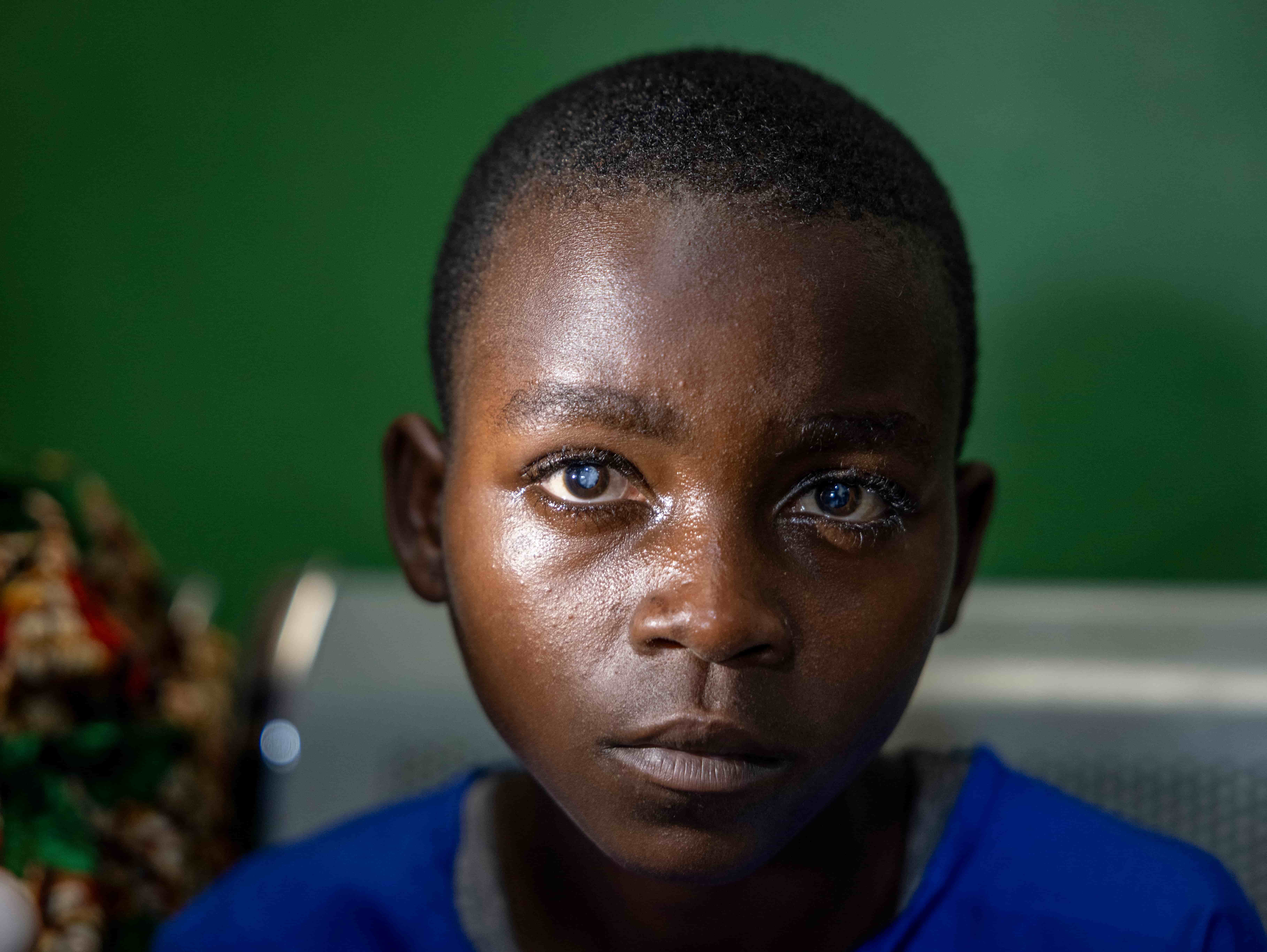 Valentine once struggled to see the blackboard in Rwanda. After surgery at Kabgayi Eye Unit supported by the Australian NGO Cooperation Program and Dr Tuyisabe Theophile, she can see and learn again.
Photo credit: Michael Amendolia
Healthy eyesight is critical for many reasons.
- It can contribute to a high quality of life
- It enables opportunities for independence and self-reliance
- It ensures productive learning and development
- It can help increase confidence
Children exposed to excessive digital screen use can develop issues such as eyestrain, myopia (short-sightedness) and a number of other issues. Repeated long intervals of exposure over a long period of time can put children’s eye health at risk.
In the past, exposure to digital screens was limited, more easily contained or, going far back enough, totally absent. The penetration of technology into every aspect of our life has come with increased pressure to be more aware, vigilant and in control of how our children use and are affected by screens.
Does digital device use really impact lifelong health?
Yes.
Children who develop healthy screen habits early on in their development are more likely to maintain those same habits when they grow into adulthood.
This doesn’t just include the amount of time in which they are exposed to digital devices but also their posture when using devices, ensuring the correct screen distance, and engaging in activities that ensure sustainable eye comfort and prevent fatigue.
The earlier you can build awareness in your children of strong eye health practices, the more likely they will be to develop healthy lifelong habits.
What are the signs of eye strain in children?
One of the best ways to maintain your children’s eye health is to ensure you understand what the early signs and symptoms are.
Many children don’t realise their eyes are under strain or misunderstand why they are experiencing the symptoms that they are.
It is up to us, as parents, to look out for the early signs. Whilst they can vary in both type and severity, keep an eye out for:
- Frequent blinking
- Excessive eye rubbing
- Complaints of headaches
- Complaints of blurry vision
- Avoiding reading
- Excessively red eyes
- Excessively tired-looking eyes
- Excessively watery eyes
Of course, these symptoms are not necessarily myopia or eyestrain. But keeping an early and alert lookout for symptoms can help you potentially identify and therefore get eyesight related issues treated as soon as possible.
What do you do if your children are exhibiting these symptoms?
If you do notice your children are experiencing one or more of the signs above, follow this simple go-to action plan.
- Reduce screen time
- Encourage activities that give their eye a break
- Encourage outdoor and active play
- Book an eye test with an optometrist
How to protect your children’s eye health and prevent too much screen time?
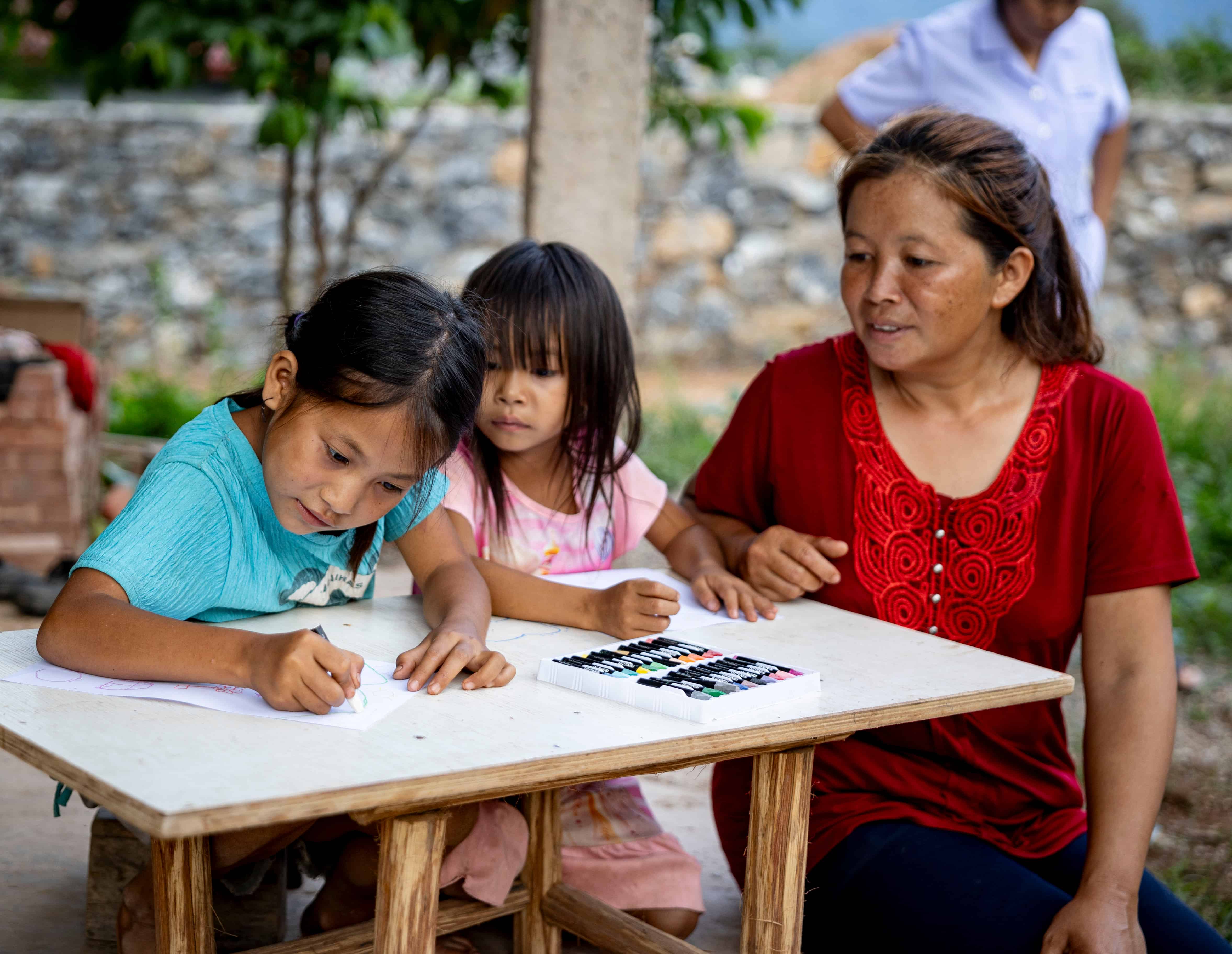 Six-year-old Chansouk from Oudomxay, Lao People's Democratic Republic, can see and play with friends again after cataract surgery supported by the Australian NGO Cooperation Program and Dr Senglar Laosern. She dreams of becoming a doctor.
Photo credit: Michael Amendolia
As mentioned earlier, screens and digital technology are unavoidable. One of the most common refrains from parents struggling with developing good eye health habits is that it is nearly impossible to remove the exposure to and impact from digital screens for their children.
It is true that for many families moving towards a no screens or no technology approach is likely to be impossible and fail.
Children’s eye health should be approached in a way that is sustainable as well as effective.
According to The Sydney Children's Hospital Network, the screentime guidelines are as follows:
- Children younger than 2 years: no sedentary screen time
- Children aged 2–5 years: no more than one hour per day; less is better
- Children and young people aged 5–17 years: no more than 2 hours of sedentary recreational screen time per day. This does not include required schoolwork. Less is better.
The key is early, reinforced and supported habits that will make a lasting difference:
- Regular eye checks to identify potential problems as early as possible
- Regular outdoor play to prevent myopia from developing
- Balanced and limited screen time
How important is early eye testing for children’s eye health?
The reality is that a lot of the vision problems experienced by children can go unnoticed until they begin to affect learning.
Regular eye exams by professionals identify these issues early and ensure your child gets the right support. Whether this is glasses, treatment, or lifestyle changes, the key is to implement sustainable health strategies before their school performance and/or self-confidence is impacted.
It is generally recommended that you begin testing eye health from the age of four, before entering school or sooner if there are any early signs of vision impairment, and then continue regularly through school years.
How should children use digital screens?
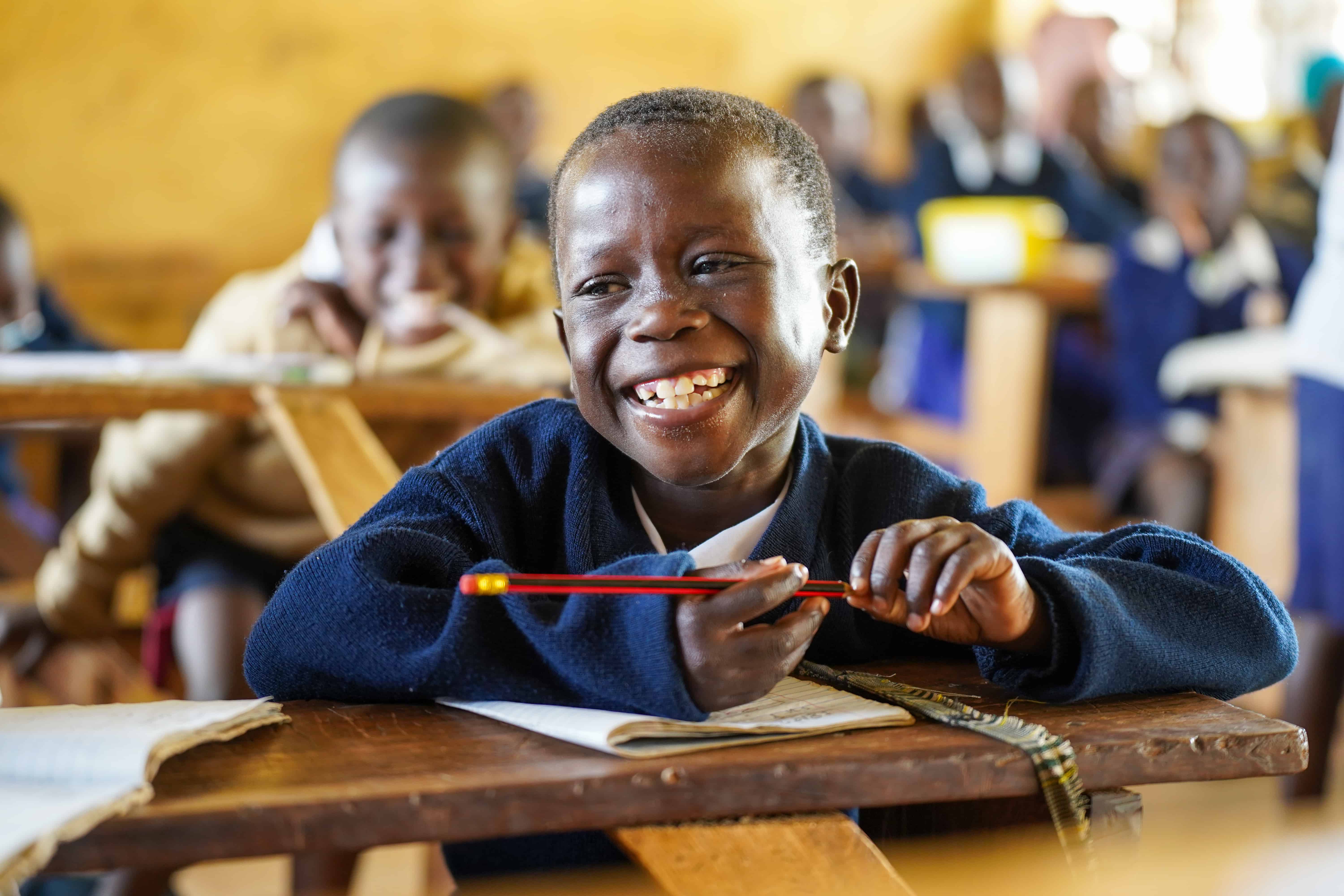 Ruth from Siaya County, Kenya can see again after surgery supported by Ruma Women Development CBO and Sabatia Eye Hospital with help from The Fred Hollows Foundation. Her mum and brother also had their sight restored.
Photo credit: Mark Maina
But what about when your children do use digital technology and screens? For many children, this is not just a leisurely activity but also likely to occur in learning and educational environments nowadays.
Again, a few consistent and sustainable habits can be highly effective in ensuring healthy eyesight.
- Follow 20-20-20 Rule
- Daily Outdoor Play
- Proper lighting
- Limit Recreational Use
- Device-free Zones
1. Follow 20-20-20 Rule
The 20-20-20 rule is easy to follow. When your children do use screens make sure that they follow this guide to avoid eyestrain and excessive exposure:
Every 20 minutes, they should look at an object 20 feet away for 20 seconds at least.
2. Daily Outdoor Play
Children should be encouraged to play outside for at least 2 hours a day.
3. Proper Lighting
Whether reading, studying or using technology always ensure that there is proper and adequate lighting so as not to cause the eyes to strain.
4. Limit Recreational Use
Limit the recreational use of screens outside of school hours and avoid using technology as a ‘babysitter’.
5. Device-free Zones
Make sure you have firm device-free zones. Particular times of importance include family meal time and just before bedtime.
These tips and strategies can help you create a balanced routine to prevent long-term eye problems later.
FAQs on Children Eye Health
How often should children have eye exams?
It is recommended that from the age of four, you begin taking your child to a qualified optometrist. From then on, it is best to conduct an eye exam every two years, or more often if advised by a professional.
Does outdoor play really help eye health?
Yes. There is significant research that indicates that natural light exposure reduces the risk of short-sightedness.
Can blue light glasses help children’s eye health?
Blue light glasses are not necessary.
Focus instead on reducing screen glare by ensuring the right environmental conditions and using features such as night mode to ease eyestrain.
How can you support children’s eyesight around the world?
The Fred Hollows Foundation’s mission is to deliver essential eye care to children in vulnerable and low socioeconomic communities in more than 25 countries.
Your support helps the Fred Hollows Foundation continue its mission to end avoidable blindness and protect children’s vision worldwide. The money we receive goes towards training eye doctors, providing glasses, and delivering surgeries that restore sight to the children who need it most.
If you would like to make a lasting impact on children’s eye health, click here to find out more.
Meet the author

Dr May Ho
Dr May Ho is the Optometry and Primary Care Adviser at The Fred Hollows Foundation. She is an Australian registered optometrist with over 30 years of public health and international eye health experience. She has worked extensively in the development and implementation of sustainable eye care and education programs in various countries in the Asia Pacific and Africa regions as well as in Haiti and Moldova. She was involved in the development and delivery of refraction, low vision, primary eye care and training of trainers’ courses for various cadres of health workers including mid-level ophthalmic personnel, optometrists, and ophthalmologists. Her biggest achievement is the introduction of the profession of optometry into Vietnam.
Related articles

5 FAQs about eye health you may not know the answer to


Eye health tips for computer users and remote workers


Why is my vision blurry?