Blaise's Story

A mother’s worry
Redempta works on her small farm in Rwanda, earning barely a dollar a day. Every evening she wonders what the future holds for her son.
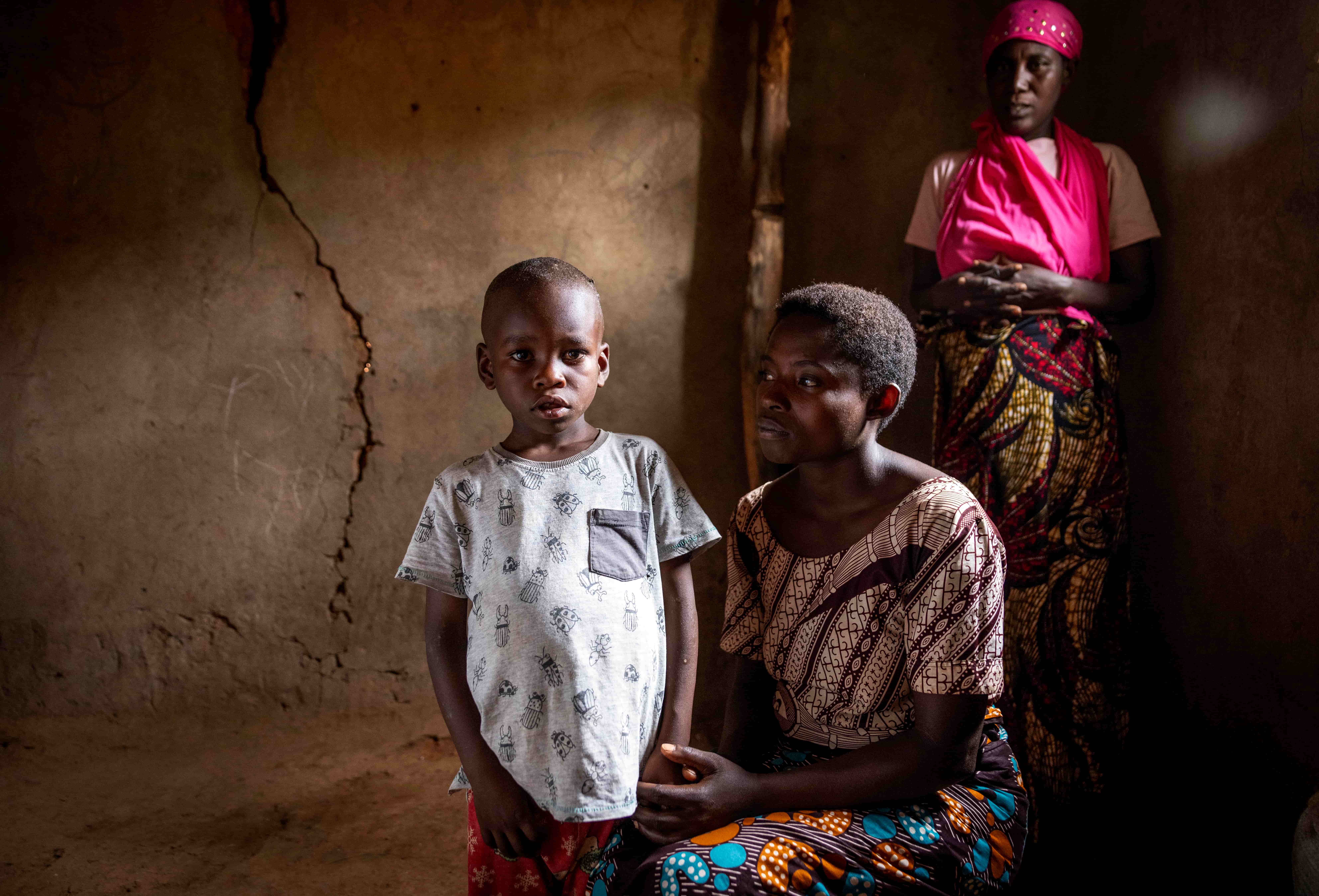 Photo credit: Michael Amendolia
Her seven‑year‑old, Blaise, is bright, curious, and full of potential, but his vision was slipping away. He was already blind in one eye, and cataracts were clouding the other. By the end of each school day, he could barely read his books even when holding them close. At recess, football reminded him of what he could not see, and sometimes the other children mocked him.
“Blaise is a humble and obedient boy,” Redempta says. She was proud he was ranked fifth in his class. Yet she could see his world was shrinking, and she worried whether he would be able to continue learning or build the life she hoped for him.
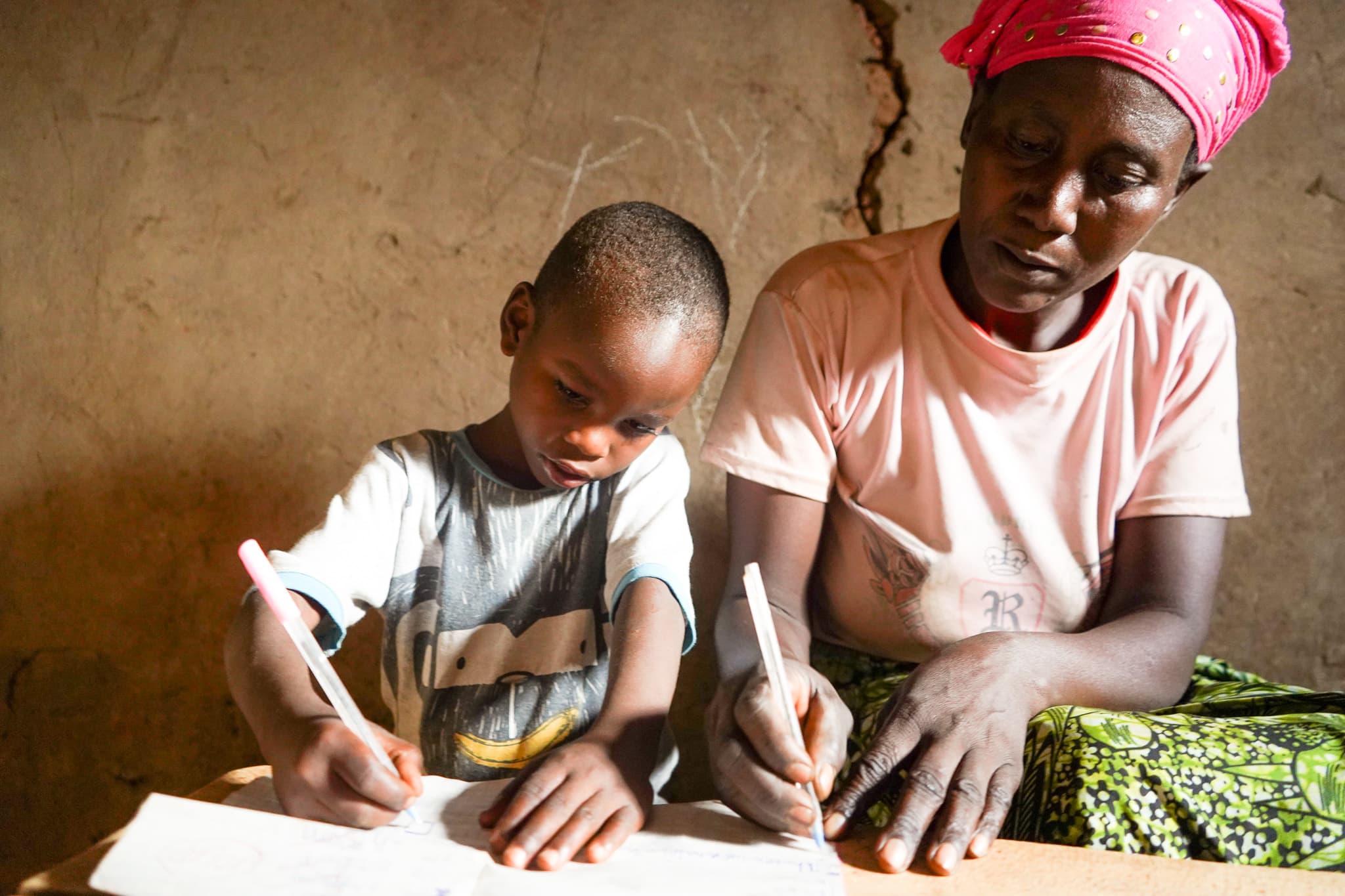 Photo credit: Michael Amendolia
Barriers to eye care in Rwanda
In Rwanda, access to eye care services is improving, but gaps remain. There are far fewer specialist eye surgeons than recommended, and many people live a long distance from hospitals that can provide quality care.
For families living on low incomes, the cost of transport, days away from work, and the uncertainty of treatment make seeking care difficult. Affordable, high‑quality eye care is still out of reach for many, even when the solution is simple and effective.
Cataract, a clouding of the eye’s lens, is among the leading causes of blindness in Rwanda. With early diagnosis and treatment, sight can often be restored. Yet thousands of families still wait, unable to access care in time.
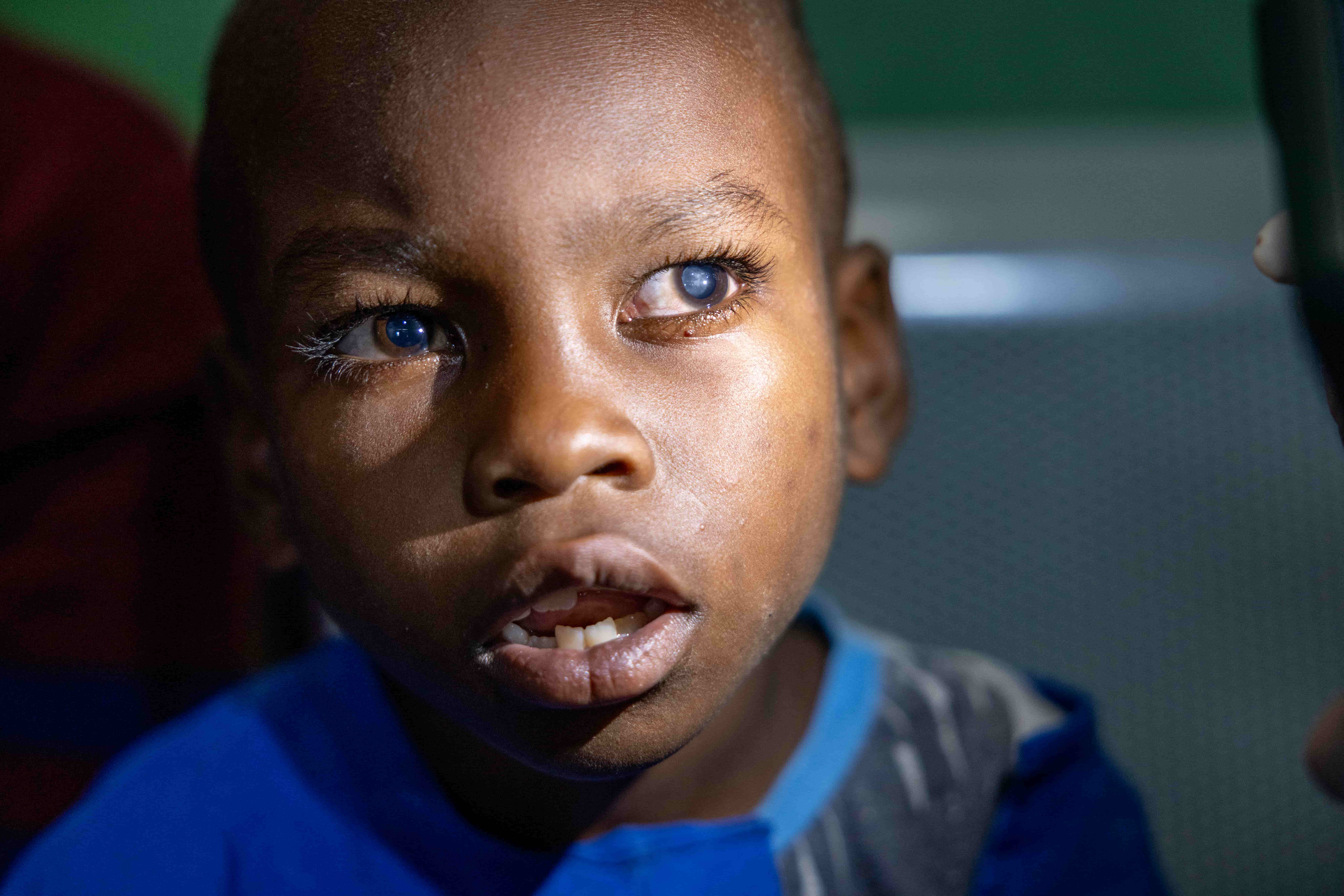 Photo credit: Michael Amendolia
The journey to treatment
With support from generous donors and The Fred Hollows Foundation, Blaise was screened and referred to Kabgayi Eye Hospital for cataract surgery. There, surgeons trained through the Foundation’s programs provided the specialised care he needed.
One of the clinicians involved in his treatment was Dr Tuyisabe Theophile, a paediatric ophthalmologist committed to improving eye care for children across Rwanda. His experience and calm reassurance helped make Blaise’s surgery possible, and helped Redempta know her son was in good hands.
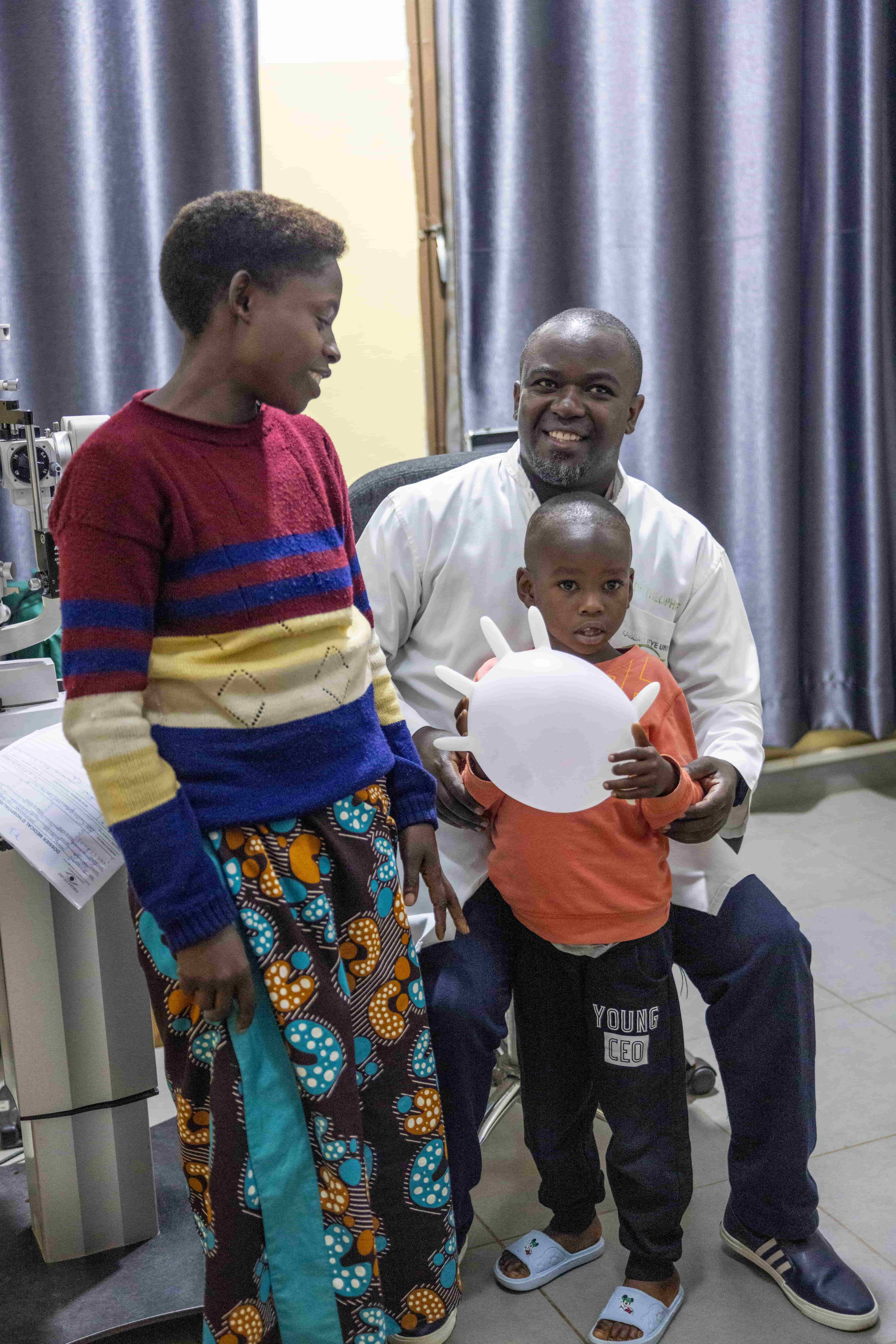
Dr Theophile blows up a surgical glove to make Blaise laugh as his mum, Redempta, stands beside him, helping him feel calm before surgery.
Photo credit: Michael Amendolia
“If you ask parents why didn’t you go to hospital, the common denominator is financial issues. They need to feed those children. They need to bring them to school. They need to buy clothes for them. So to take that single one to a doctor might not be a priority – therefore they delay coming to the hospital.”
For a family living in Rwanda’s Western Province, it’s a 300km journey to Kabgayi Eye Unit and a family would need to spend several days at the hospital. Community health insurance covers some of the medical costs.
“But you still need to pay for transport, you need to feed yourself when you are at the hospital. If you are a family of five kids, it won’t be easy to pay 20,000 or 30,000 Rwandan Francs – the equivalent of 30 US dollars – to get spectacles when you have to buy school uniforms and feed five children at home.
“For someone who is a farmer, where the income may be low, this is why they hesitate to bring the children to the hospital,” he said.
The moment everything changed
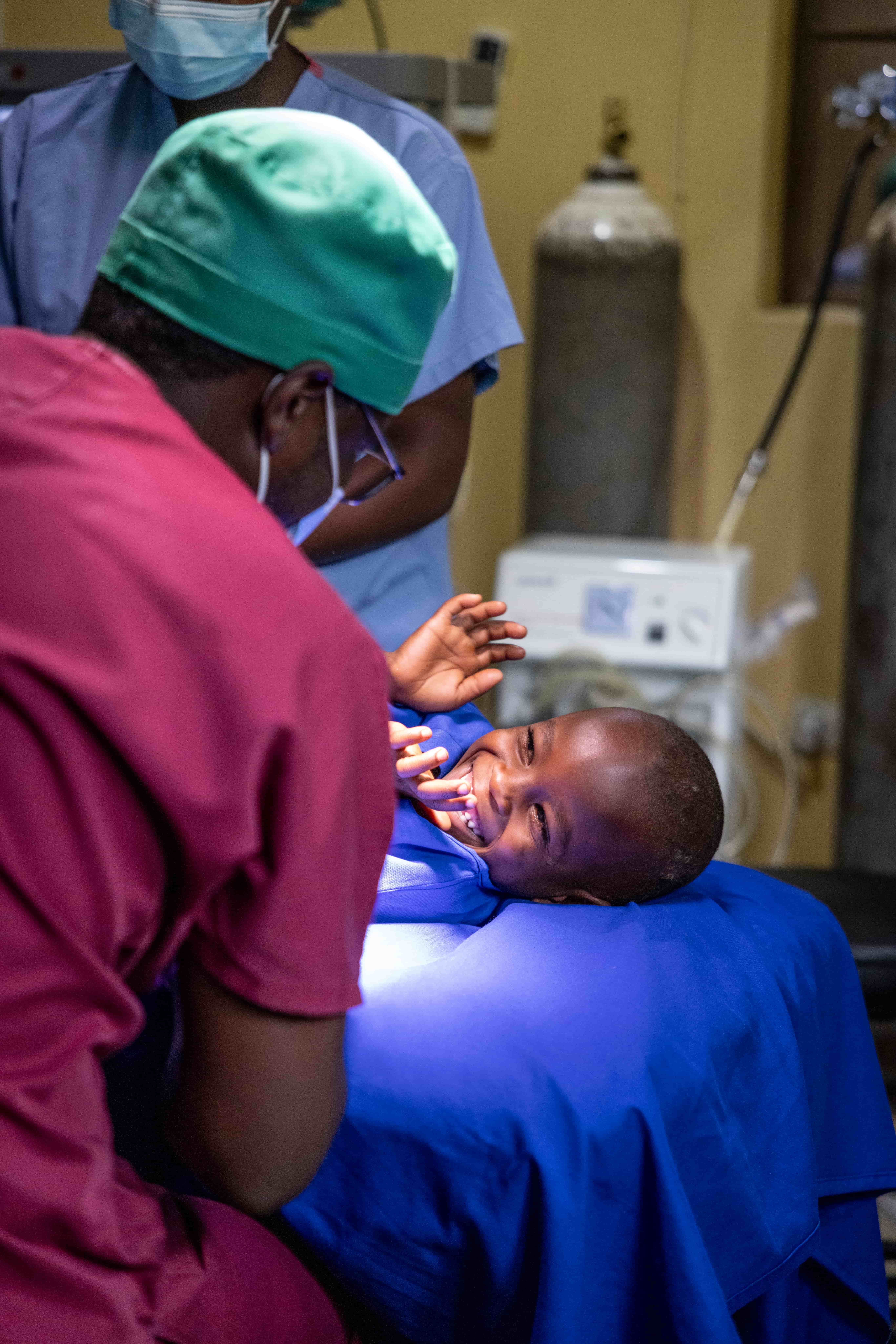 Photo credit: Michael Amendolia
The surgery itself was straightforward. When the patches were removed, Blaise looked around the room and then at his mother.
“I can see! I can see you Mum!” he whispered.
Redempta was overcome with emotion. “I left with a child who was blind and came back with a child who can see. That child is the future of Rwanda,” she said.
Now Blaise can learn, play, and imagine a life full of possibilities. Every lesson, every game, and every dream is within reach.
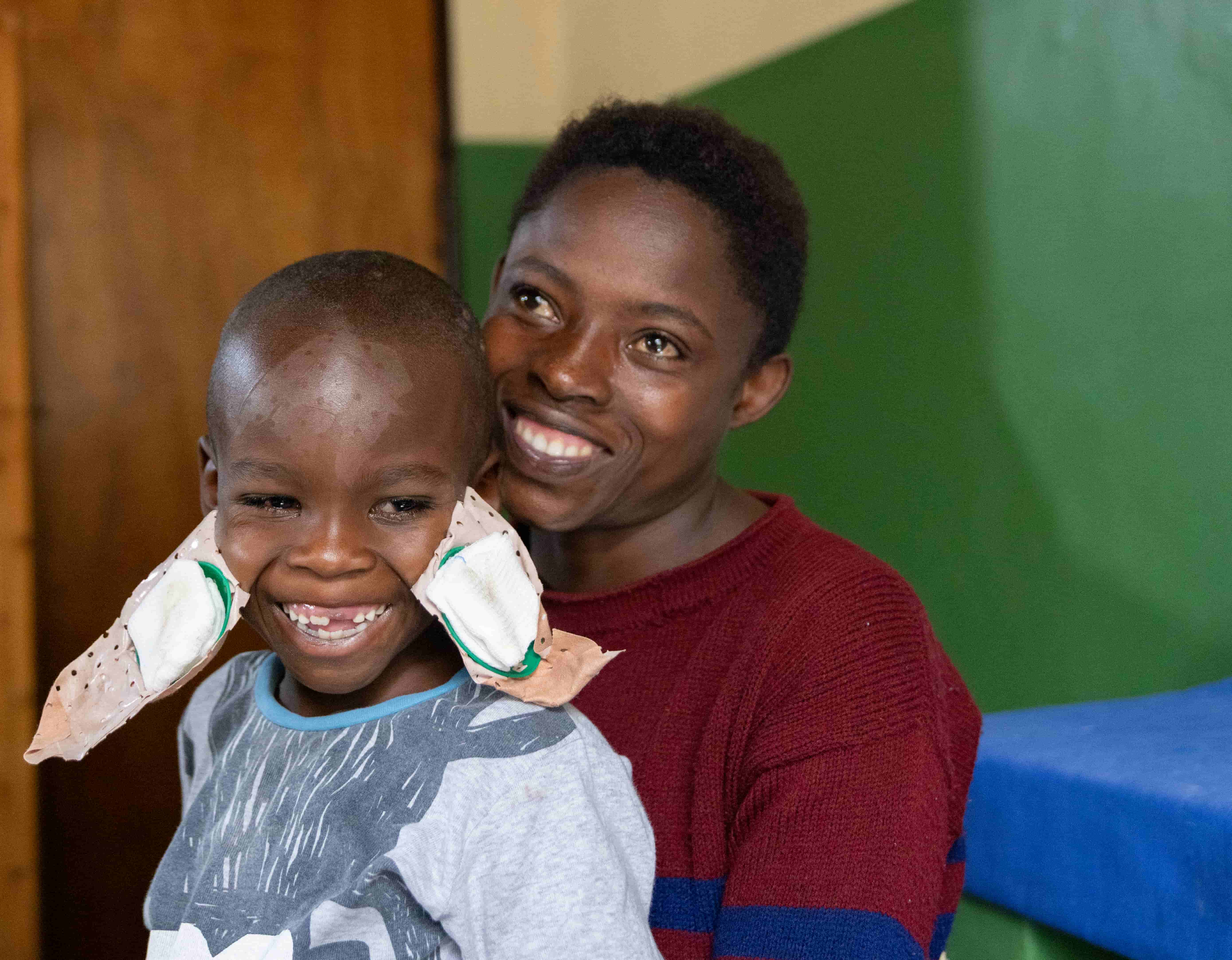 Photo credit: Michael Amendolia
Bringing eye care closer to home
Blaise’s treatment was made possible through services supported by The Fred Hollows Foundation and local partners. In Rwanda, the Foundation works with government and communities to strengthen eye health systems and expand access to care.
This includes training new surgeons like Dr Theophile, equipping hospitals, and supporting outreach programs that identify and refer patients in rural areas. By building local capacity, more children and adults can receive eye care close to home.
A future full of possibility
Restoring sight does more than improve vision. It opens doors to education, independence, confidence, and opportunity. For children like Blaise, it changes the course of a life.
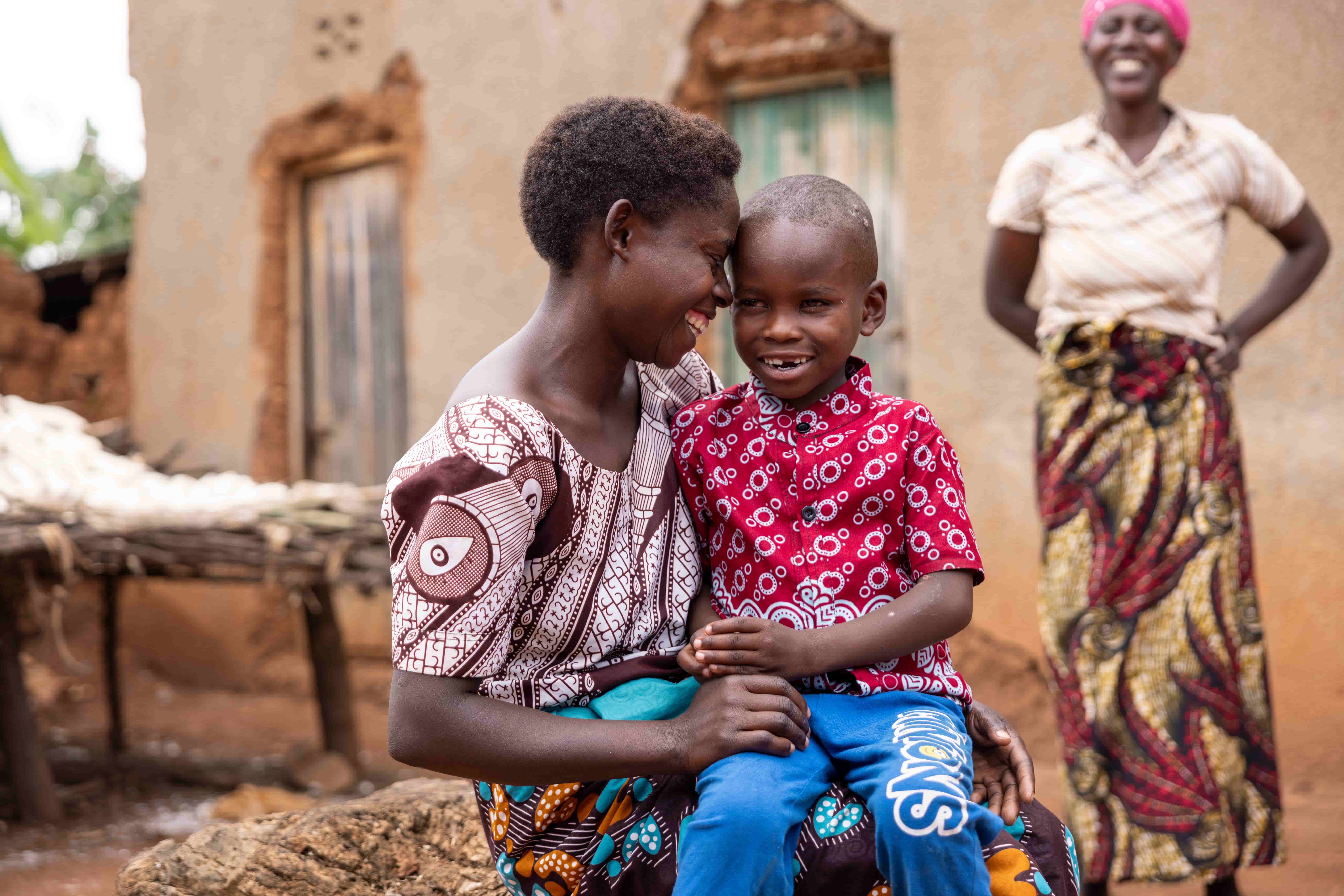 Photo credit: Michael Amendolia
There are countless children in Rwanda still waiting for treatment. With continued support, more lives can be transformed.
Fred Hollows dedicated his life to ending avoidable blindness and believed in the potential of every child. Blaise’s story is living proof of what is possible when care, training, and community support come together to restore sight and unlock a future full of promise.