Return on vision: Why eye health delivers one of the highest ROIs in global development

As a charitable person, wanting to know more about the return on your investment (ROI) is important and understandable.
Of course, we are not referring to a return on investment in terms of financial benefits to you, as one would expect from a financial outlay, but rather a return on investment in terms of beneficial and positive impact from the charitable activity your donation funds.
At The Fred Hollows Foundation, we are proud that our efforts in promoting and ensuring global eye health provides the highest return on investment in global development. And we want to explain to you why this is.
Keeping ROI in sight with global eye health
The Fred Hollows Foundation has been working for over 30 years throughout the world to help end avoidable blindness.
By promoting eye health, restoring sight, and preventing avoidable blindness through education, healthcare and service, The Foundation is transforming lives worldwide. Every dollar our generous supporters contribute delivers extraordinary economic, social, and personal benefits to those people we help.
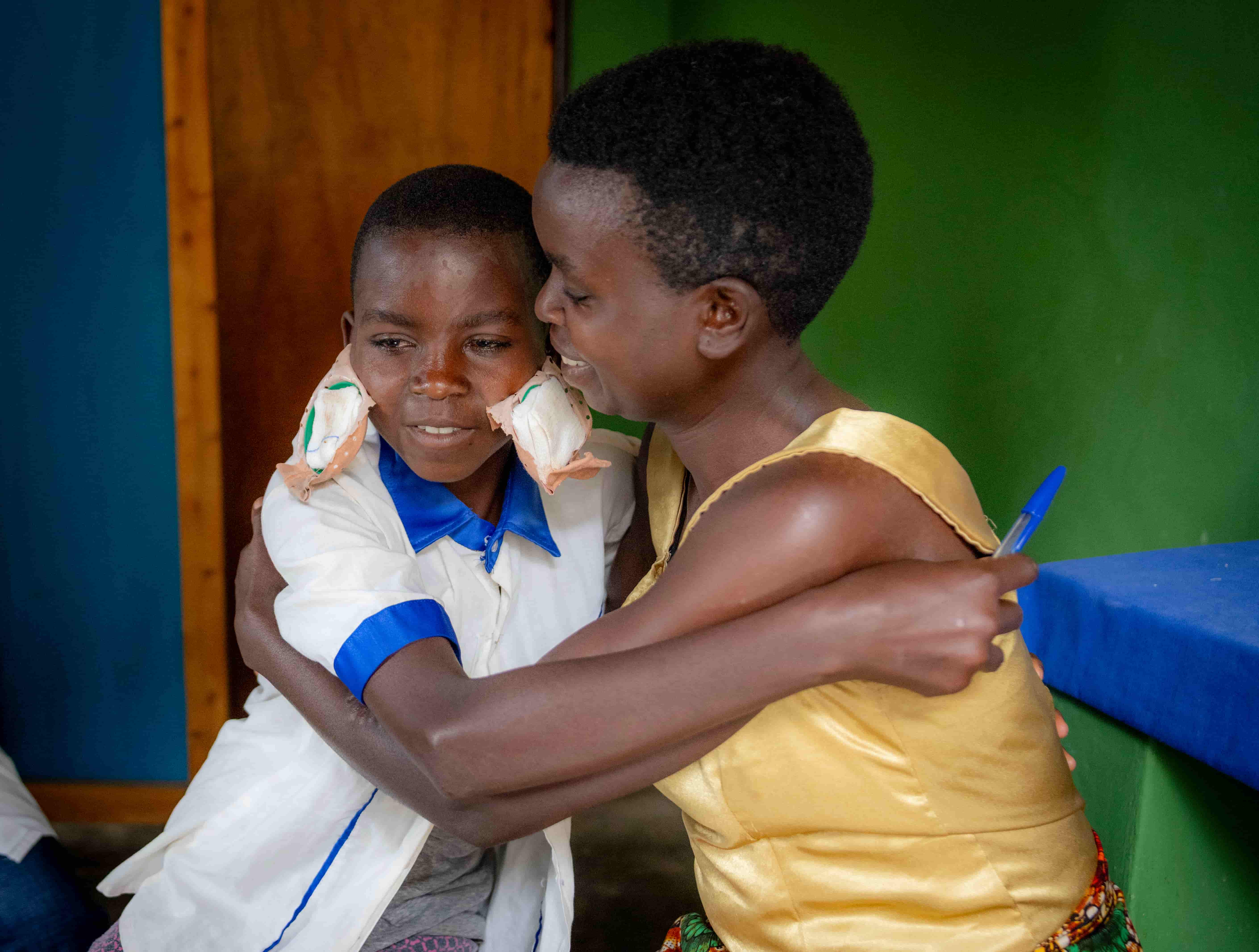
Twelve-year-old Valentine hugs her mother, Claudine, after her eye patches are removed following cataract surgery in Rwanda – a moment that marked the start of her return to school and independence.
Photo credit: Mark Maina
Where does your eye health investment go?
The Fred Hollows Foundation works in more than 25 countries to help treat diseases such as cataract, trachoma, and diabetic retinopathy and prevent avoidable blindness in the first place. But it is not just about treatment, though. It’s about strengthening the whole health system to make it sustainable long into the future and delivering an ever-increasing return on investment.
1. Training local health workers
From doctors and nurses to teachers and community health workers, our programs train local eye care professionals to help disadvantaged communities around the world access high quality health care to help prevent avoidable blindness.
2. Providing technology and infrastructure
The Foundation also provides affordable, effective and modern health care technology and infrastructure to ensure local health clinics are kitted out to deliver high-quality care in the future.
3. Preventative screenings
Supporting treatment for avoidable blindness is a huge part of what we do, but prevention, where possible, is even better. Eye screenings, provision of antibiotics to stop infectious eye diseases and distribution of glasses helps millions of people avoid the need for eye surgery or blindness.
4. Expand access to treatments
The Foundation works closely on expanding access to critical treatments for marginalised communities and underserved groups, such as women and children. This ensures that those community members who may have previously fallen through the cracks of healthcare receive the eye care they need and deserve.
5. Global advocacy
A large part of what our team does is to advocate for policy change and increased resourcing at national and global levels. By doing so, we are exponentially increasing the potential for positive change and impact at the highest levels to make avoidable blindness truly a thing of the past.
Breaking down the numbers of restoring sight’s ROI
Over the past 33 years The Foundation has restored the sight of more than 3 million people and or prevented blindness for millions more worldwide!
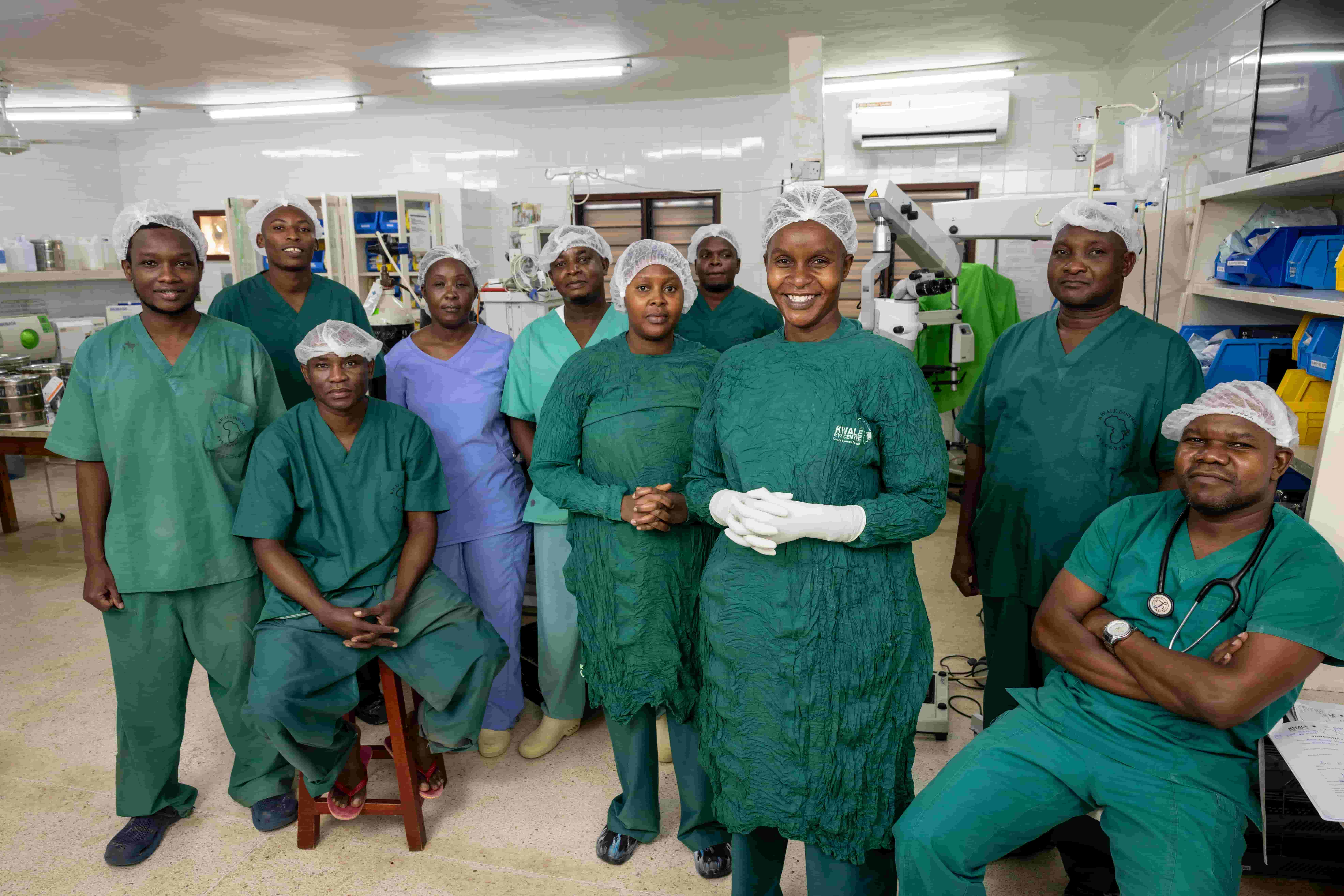
The surgical team at Kwale Eye Centre, Kenya, after providing paediatric eye surgeries and follow-up care to restore sight for children in the community.
Photo credit: Michael Amendolia
In the past 15 years alone, The FHF has suported:
- 1,556,899 cataract operations
- 309,647 trachoma surgeries
- 132,196,451 trachoma treatments with antibiotics
- 5,587,258 intervention services to save eyesight
- 904,019 glasses distributions
Today, especially in the low- and middle-income countries where people live in poverty, 9 out of 10 of people who are blind or vision impaired don’t need to be. With the right access to health care systems and professionals their eyesight could be restored. And with that restoration comes more than just a ROI: They can pursue more education opportunities, regain independence and contribute to their family and communities more by being able to work.
According to the recently released IAPB Value of Vision report, co-authored by The Fred Hollows Foundation and Seva Foundation, every dollar invested in eye health delivers an extraordinary $28 economic return, making it one of the most impactful health interventions globally.
By scaling proven eye health solutions, we can unlock billions in productivity gains, improve education outcomes, and strengthen economies: clear evidence that vision is a high-value investment for sustainable development.
Eye health interventions outperform just about every other global health effort by effectively reducing poverty, boosting workforce productivity, and restoring community independence.
Despite this significant positive impact, eye care remains critically underfunded, meaning that there is a huge amount of potential investment in spreading greater and lasting economic, educational, and social benefits for millions in lower socioeconomic countries.
How can you make the most of your investment in eye health
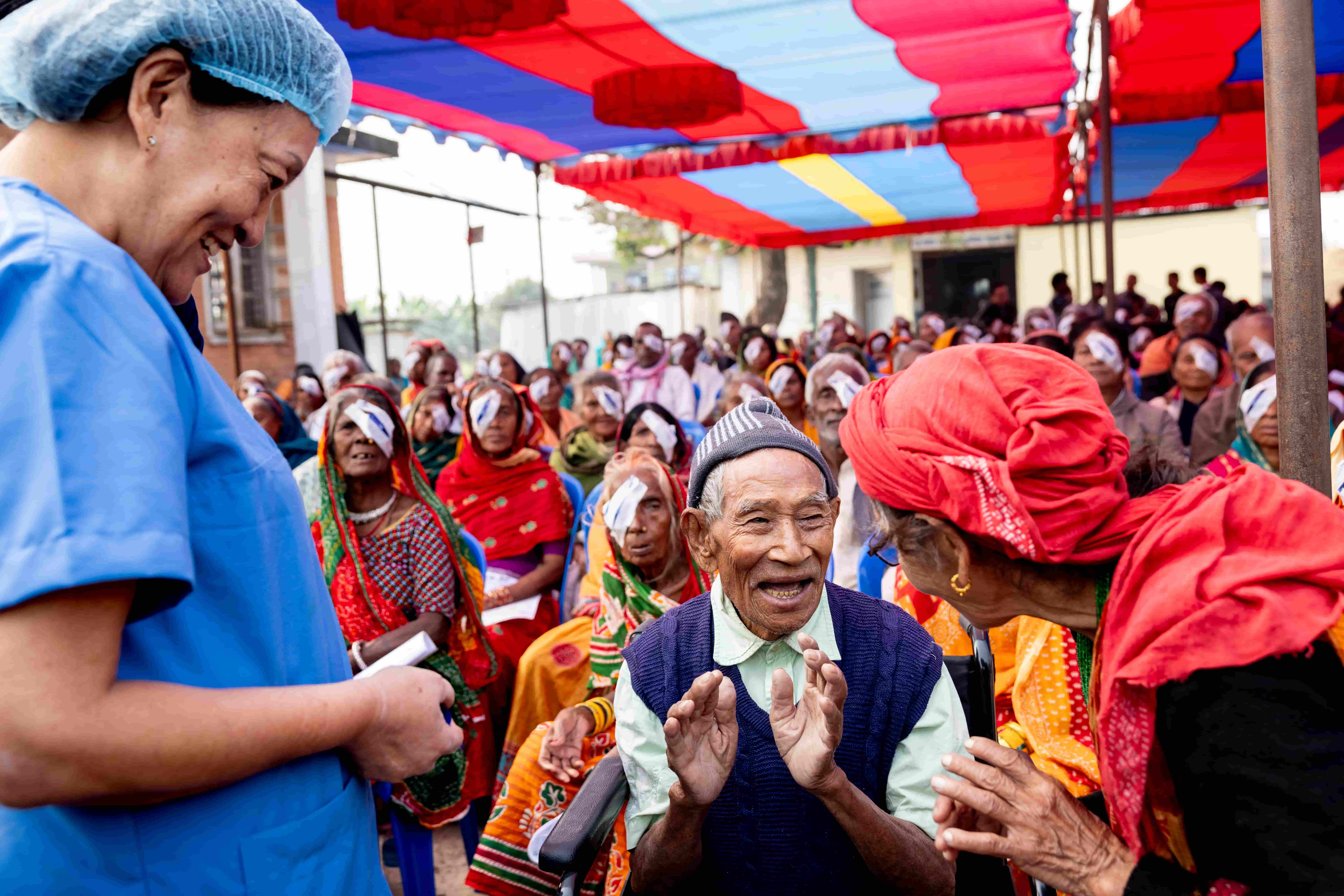
Krishna embraces his wife Mitthu and great-granddaughter Renish after his cataract patch is removed at Tilganga Nijgadh Community Eye Hospital, marking the return of his sight.
Photo credit: Michael Amendolia
You can make all the difference to transforming the lives of those living with avoidable blindness through your support of The Fred Hollows Foundation.
Donate - Make a one-off or monthly donation to support our work in eye health.
Become a Corporate Partner - Organize workplace fundraising activities or host staff engagement sessions to raise awareness and create impact together.
Other Ways to Support - Sponsor the Humanity Award or choose wedding favors that give back—turn your special moments into opportunities to share vision and hope.
Meet the author

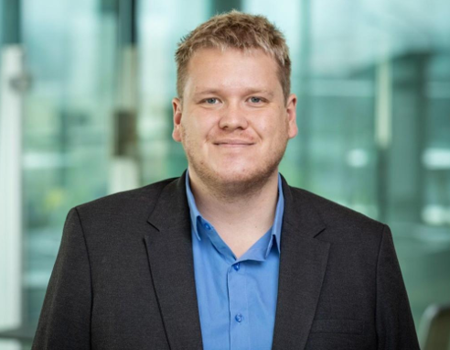
Jack Hennessy
Jack Hennessy is Head of Health Economics and Financing at The Fred Hollows Foundation, focusing on research and analysis that informs the Foundation’s investment in eye health.
Related articles

The $447 billion problem: How vision loss is crippling the global economy

Where does your donation go? A transparent breakdown