
Ending cataract blindness in Rwanda: Building a national eye health system by 2040

Rwanda has made significant progress in strengthening its health system over the past two decades. With a population of approximately 13 million people, the country is now widely recognised for its political stability, strong governance, and commitment to universal health coverage.
However, avoidable blindness remains a persistent and under-addressed public health challenge.
Cataract is the leading cause of blindness in Rwanda. While treatment is relatively simple and highly cost-effective, access to services is uneven, particularly outside major urban centres. As a result, a substantial proportion of the population continues to live with preventable or treatable vision loss.
Without systemic change, it is estimated that up to 1.6 million people in Rwanda could be blind or vision impaired by 2040.
A system under pressure
Rwanda’s eye health system has expanded in recent years, but key constraints remain.
Workforce capacity is one of the most significant challenges. There are currently approximately 1.7 cataract surgeons per million people, well below the level recommended by the World Health Organization. This limits surgical output and contributes to a growing backlog of untreated cataract cases.
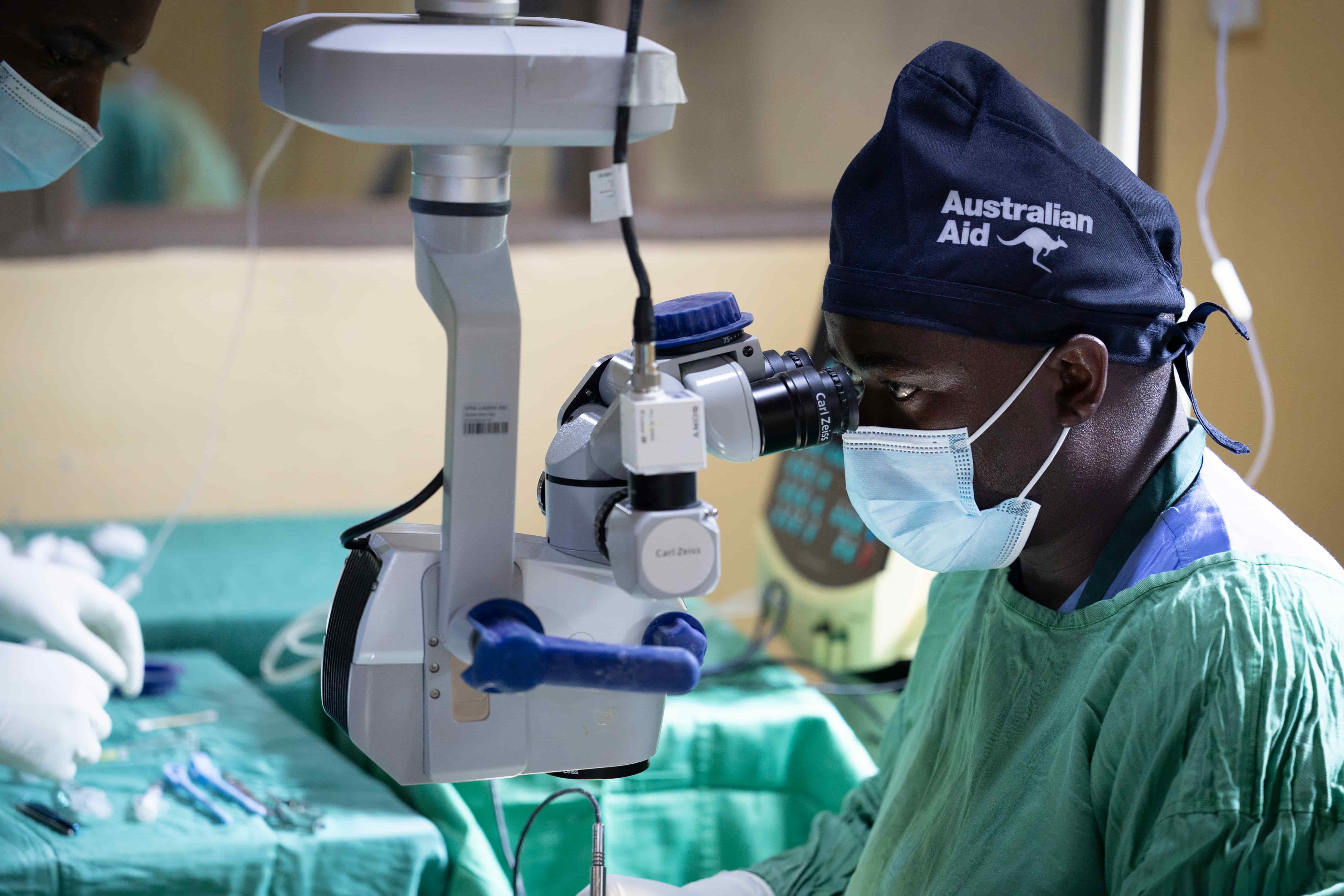 Photo credit: Michael Amendolia
Geographic distribution of services is also uneven. As of 2022, five of the seven hospitals providing continuous cataract surgery were located in or near Kigali. This creates barriers for rural populations, who often face additional costs related to transport, accommodation, and lost income when seeking care.
Awareness is another critical factor. Around one in three people with cataract are unaware that their condition is treatable, delaying care-seeking and increasing the risk of avoidable blindness.
In combination, these factors contribute to both low service uptake and variable surgical outcomes.
Progress through partnership
The Fred Hollows Foundation has been working in Rwanda since 2006, in close partnership with the Ministry of Health.
Initial efforts focused on expanding access to cataract services in eight district hospitals in the Western Province. Between 2013 and 2018, this work scaled nationally, increasing coverage to 22 hospitals and supporting primary eye care, outreach services, and specialist training.
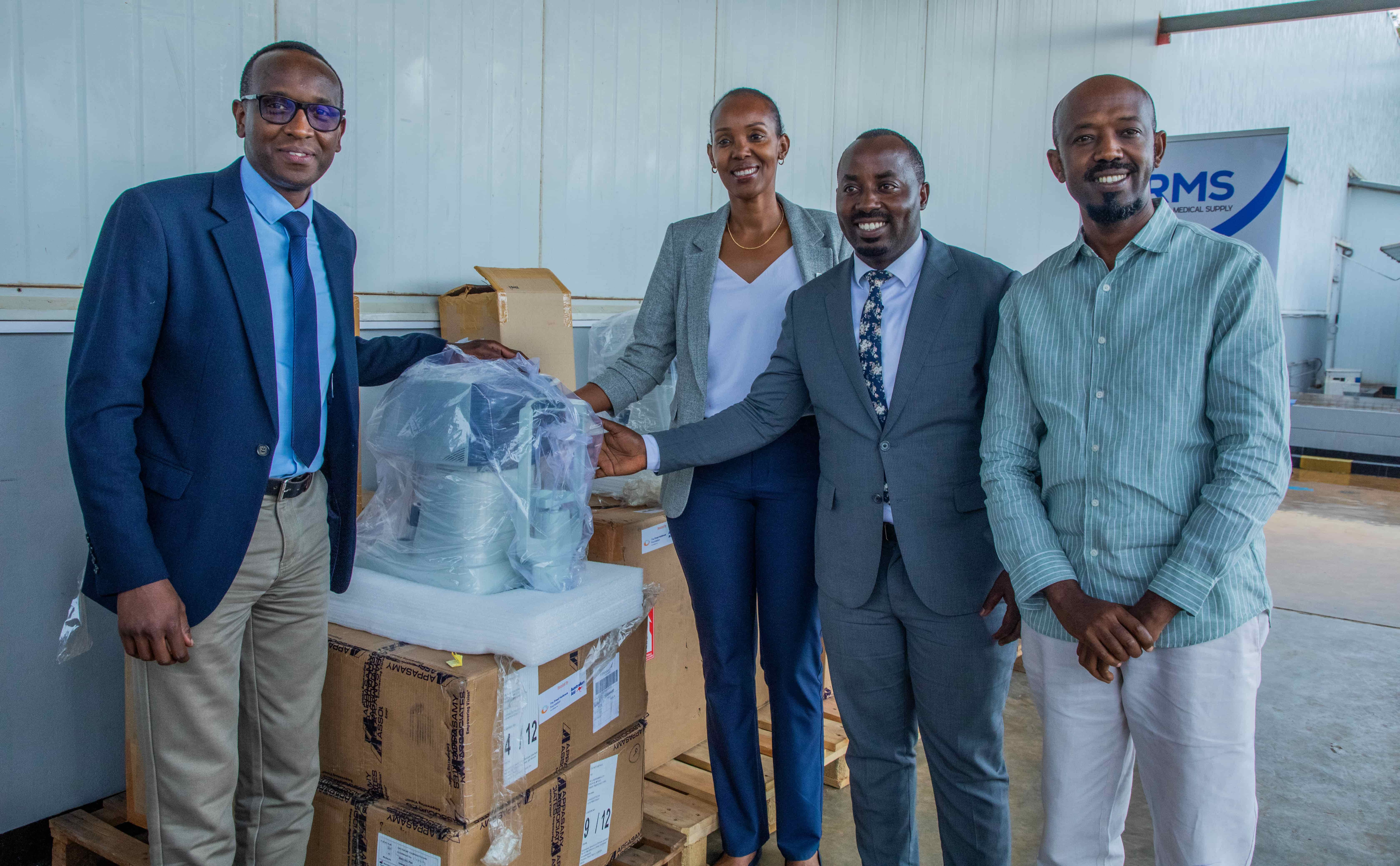 In early 2026, the Rwandan Ministry of Health, Rwanda Medical Supply, and The Fred Hollows Foundation handed over ophthalmic equipment to four hospitals, including Ruhengeri and Kibuye Referral Hospitals, to strengthen eye care services across the country.
Photo credit: Newtimes Rwanda
A significant shift occurred in 2019 with the integration of eye health into Rwanda’s Performance-Based Financing (PBF) framework. This marked an important step towards sustainability, embedding eye care within the broader health system and aligning incentives for service delivery.
Since 2006, these combined efforts have contributed to The Foundation and its partners:
- Screening more than 2.6 million people
- Performing over 57,000 cataract surgeries
- Increasing the national cataract surgery rate by approximately 80%
- Expanding service delivery points across the country
- Training additional ophthalmologists and strengthening the eye health workforce
These gains demonstrate the impact of coordinated investment across service delivery, workforce development, and system integration.
Why Rwanda presents a unique opportunity
Rwanda’s broader health system context creates favourable conditions for further progress.
The country’s Community-Based Health Insurance (CBHI) scheme covers approximately 90% of the population and already provides partial reimbursement for cataract surgery. This reduces financial barriers and provides a platform for scaling access.
Rwanda is also recognised as a regional leader in digital health and health financing reform. Strong government leadership and a track record of effective implementation make it well positioned to integrate eye health into national development priorities.
At the same time, the country’s relatively small population allows for system-wide interventions to be implemented and evaluated more rapidly than in larger settings.
Together, these factors make Rwanda a compelling context for demonstrating how avoidable blindness can be addressed at a national level.
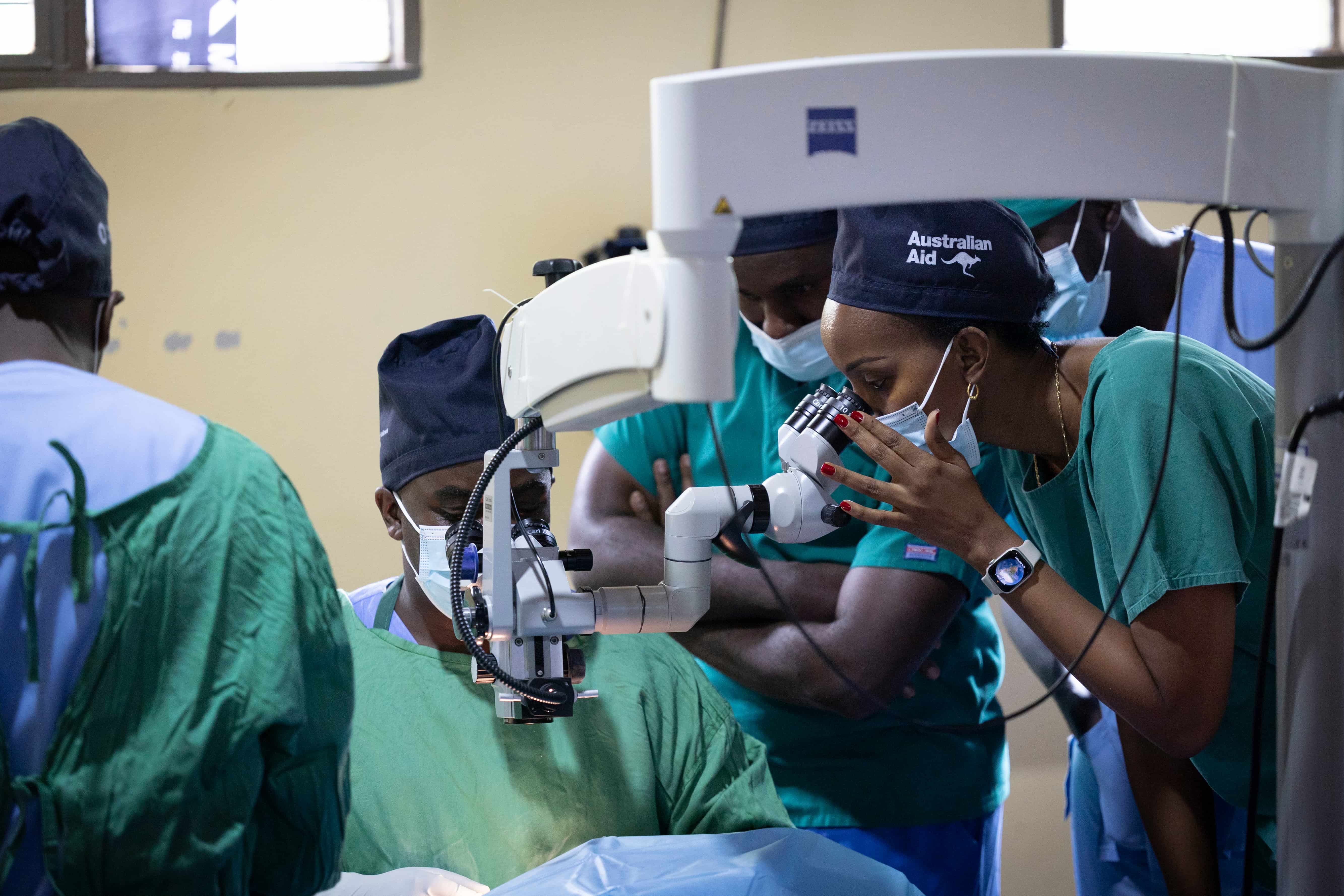 Rwanda Country Manager Tiva Kananura is working to build a sustainable eye health system. She said, “The way we integrated eye health into the government systems is through incentivising the hospitals and the health care workers to perform.”
Photo credit: Michael Amendolia
From service delivery to system strengthening
The next phase of work in Rwanda is focused on moving beyond service expansion towards long-term system strengthening.
This includes addressing three core areas:
Workforce development
Expanding the number of trained eye health professionals remains a priority. This includes not only ophthalmologists, but also mid-level cadres such as Ophthalmic Clinical Officers.
A “teach the teachers” approach is being used to build local training capacity and reduce reliance on external support.
Infrastructure and access
Investment is being directed towards establishing comprehensive eye care units across all provinces. These facilities are designed to provide integrated, high-quality services, reducing reliance on outreach models and improving continuity of care.
System integration and financing
Embedding eye health within national planning and financing mechanisms is essential for sustainability. This includes strengthening supply chains, improving equipment maintenance, and ensuring that services are consistently funded through existing health structures.
Community engagement and awareness also remain critical, particularly in increasing early detection and uptake of treatment.
A long-term national objective
The long-term objective is to support Rwanda to achieve equitable access to high-quality, affordable, and integrated eye care services by 2040.
This includes clearing the existing cataract backlog while building a system capable of meeting future demand.
Importantly, the approach is designed to transition over time. As capacity increases, financial and managerial responsibility is progressively transferred to national institutions, with external partners playing a reduced role.
This reflects a broader shift from program delivery to system ownership.
Implications beyond Rwanda
The work in Rwanda has broader relevance for global eye health.
It provides a model for how targeted investment, aligned with government priorities, can address avoidable blindness at scale. It also highlights the importance of integrating eye care into national health systems, rather than treating it as a standalone issue.
As global populations grow and age, the burden of vision impairment is expected to increase. Approaches that combine service delivery with system strengthening will be critical in responding to this trend.
A future shaped by access to care
System-level change is ultimately measured in individual outcomes.
Blaise, a young student from rural Rwanda, represents what is at stake.
He was performing well at school, despite cataract blinding one eye and causing him to lose sight in the other. As his vision deteriorated, learning became increasingly difficult. By the end of the day, he struggled to read his books, even at close range.
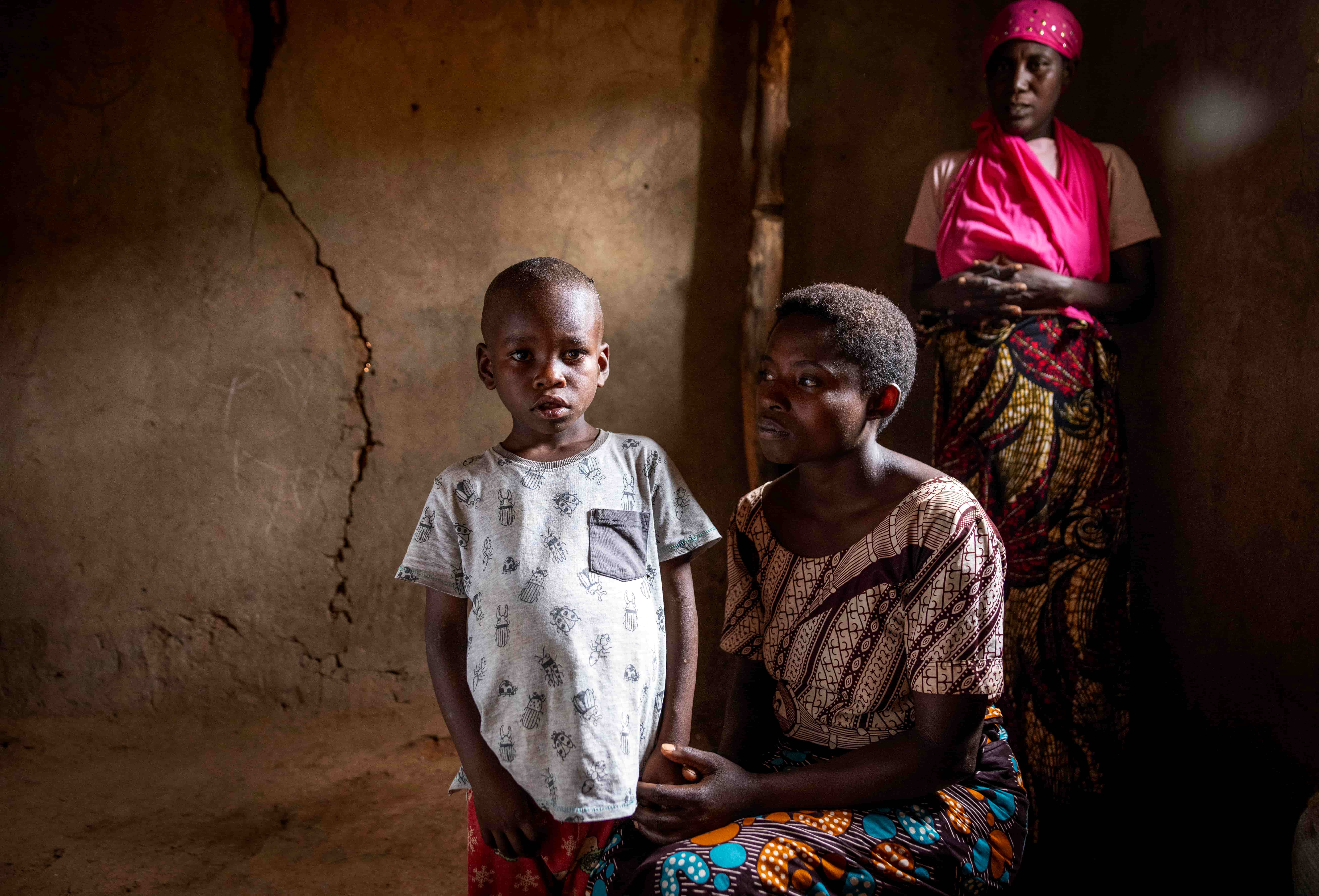 Photo credit: Michael Amendolia
His mother, Redempta, was concerned about what this would mean for his future. Like many families, she faced financial barriers to accessing care and limited local availability of specialist services.
Through a community screening linked to Rwanda’s expanding eye health system, Blaise was identified and referred for surgery. With access to treatment, his sight was restored.
The impact was immediate. He was able to return to school with improved vision and continue his education.
Cases like Blaise’s illustrate both the consequences of delayed access to care and the potential of a functioning system to intervene early and effectively.
They also point to a broader reality.
Children like Blaise are not only patients. They are students, future workers, and contributors to Rwanda’s continued development.
Ensuring access to eye care is not only a health intervention. It is an investment in human potential.
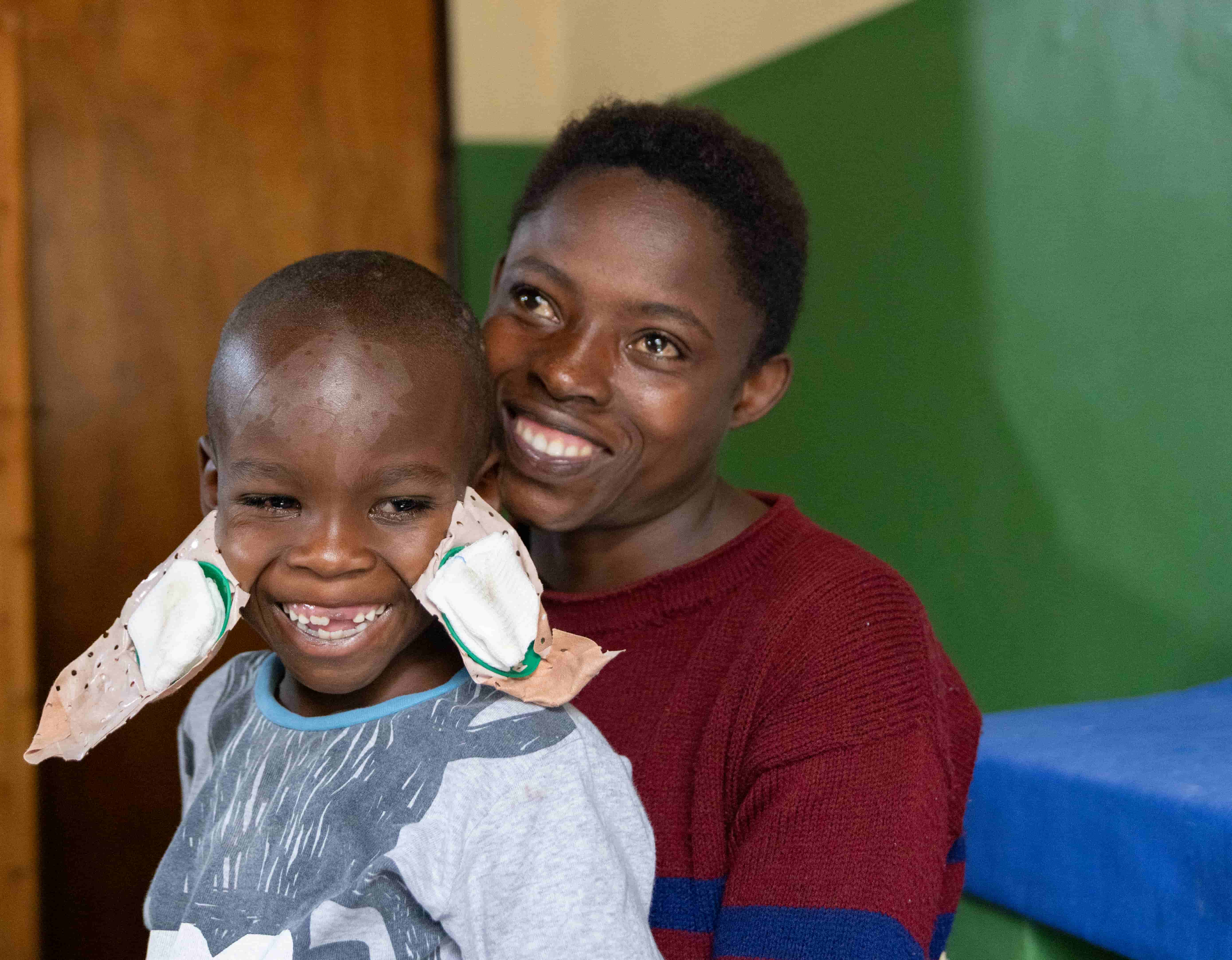 Photo credit: Michael Amendolia
Supporting the next phase of progress
Continued progress in Rwanda will depend on sustained investment in the systems that make care accessible, affordable, and effective.
The expansion of workforce capacity, infrastructure, and integrated services offers a clear pathway to reducing avoidable blindness at scale.
For organisations, partners, and individuals interested in contributing to this work, there is an opportunity to support ongoing efforts to strengthen Rwanda’s national eye health system and address the cataract backlog.
Donate today to help restore sight for people like Blaise and support the future of eye health in Rwanda.
Meet the author

Ross Piper
Ross is the CEO of The Fred Hollows Foundation, bringing more than 30 years of leadership across the corporate and non-profit sectors, including senior roles in investment, international development, and social enterprise. He has held executive positions at Australian Ethical Investment, Christian Super, and World Vision, and has worked in regions as diverse as the Middle East, Eastern Europe, and remote Indigenous communities in Australia. Motivated by purpose and social justice, Ross is committed to building a world where no person is needlessly blind or vision impaired. He believes that together—with the right investment, innovation, and commitment—we can end avoidable blindness in our lifetime.
Read more about our work in Rwanda

Blaise's Story

Eric's Story

Dr Tuyisabe Theophile: Restoring sight, changing lives in Rwanda