
How to improve eye health: A complete guide

Knowing how to improve eye health isn’t as hard as it might seem. Of course, in a world of hyperactivity and competing interests it can be overwhelming knowing where to begin.
But eye health, as with all aspects of a healthy lifestyle, is a significant component of physical wellbeing.
From small daily habits like managing your exposure to digital screens and devices to seeking professional eye checks, protecting your sight now and into the future can be as manageable as it is important.
In this guide, we will help you learn how to improve eye health with a variety of tips, practices and habits. Whilst we are focused in this article on helping you with your eye health, our foundation has a global focus when it comes to eye care.
At The Fred Hollows Foundation, we are dedicated to helping to rid the world of avoidable blindness and your support can help us do that. Your gift can help fund sight saving surgery, critical equipment, eye health services, and training for local doctors and nurses amongst the lowest socioeconomic communities in the world.
What is eye health?
Eye health refers to the functioning of your eyes and the likelihood of developing certain conditions which can damage, degrade or reduce your vision.
Eye diseases, such as cataract, diabetic eye disease, trachoma or age-related macular degeneration, range from the hereditary to the preventable and treatable.
What is poor eye health?
Unfortunately, poor eye health can develop relatively slowly and silently. The early stages of diseases such as glaucoma or diabetic retinopathy may only be noticeable under professional examination.
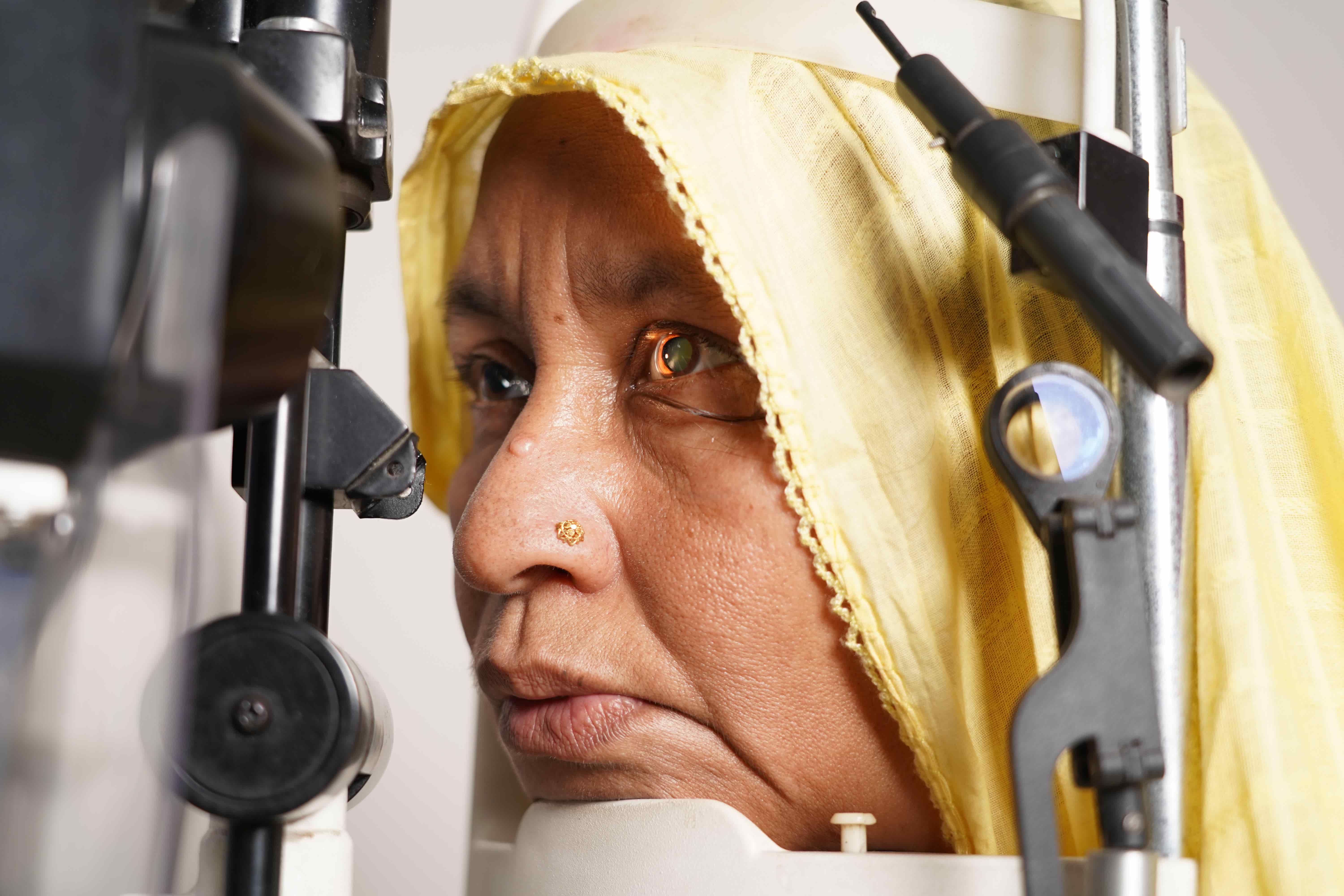 Nargis Begum from Bangladesh during an eye examination for diabetic retinopathy, receiving care to protect her sight so she can continue life with her family.
Photo credit: Rubel Karmaker
Even if your vision seems fine, your eye health could be suffering.
Most of the leading causes of blindness around the world are either preventable or at least treatable with early detection.
So, how to improve your eye health?
It comes down to:
- Regular eye examinations
- Lifestyle habits
- Environmental factors
- Vision aids
How to improve eye health?
There are a number of important ways in which you can improve eye health.
Eye exams
Get into the habit of attending regular eye health exams with a professional.
Avoid smoking
Smoking increases the risk of both cataracts and macular degeneration, so it is a good idea to quit smoking and avoid second-hand smoking.
Balanced diets
Eating a balanced and varied diet is important for overall health and can help maintain a high level of eye health.
In general, it is recommended that you eat:
- A variety of fruits
- Colourful vegetables such as capsicum and tomatoes that contain carotenoids
- Fish with omega3 fats such as salmon, sardines, or mackerel
- Leafy greens (spinach, kale, silverbeet) for lutein, vitamin C, antioxidants and zeaxanthin
- Citrus fruits
- Nuts and seeds
- Vegetable oils for vitamin E and healthy fats
- Whole grains and legumes to help you stabilise your blood sugar levels
How does diet and lifestyle improve eye health?
A diet that is rich in nutrients, combined with an active lifestyle, can reduce your risk of various common eye conditions. It does this by protecting the tiny blood vessels and nerves inside your eye, which becomes ever more important as you age or if you have conditions such as diabetes or high blood pressure.
 In a busy kitchen in Capiz province, Vincente prepares meals for hundreds after cataract surgery restored his sight. With clear vision again, he’s ready to work, live independently and keep cooking for his community.
Photo credit: Michael Amendolia
Exercise
Regular exercise and activity can help you maintain a healthy weight, blood pressure, and blood sugar levels, all of which is important for overall health, including eye health.
Wear eye protection
If you are in the sun, it is important to wear UV blocking sunglasses and/or a broadbrimmed hat to prevent harmful degradation to your eyes and health.
If you are playing sports, engaged in construction or gardening projects, or doing hazardous work, always wear appropriate protective eyewear such as safety goggles or glasses.
20-20-20 Rule
If you spend a lot of time working on a computer or in front of screens, make sure to implement the 20-20-20 rule:
- Every 20 minutes
- Look up at something 20 feet away
- For 20 seconds
Practice healthy screen time
Long hours in front of computers and phones can cause digital-induced eye strain, dry eyes, blurred vision, and headaches.
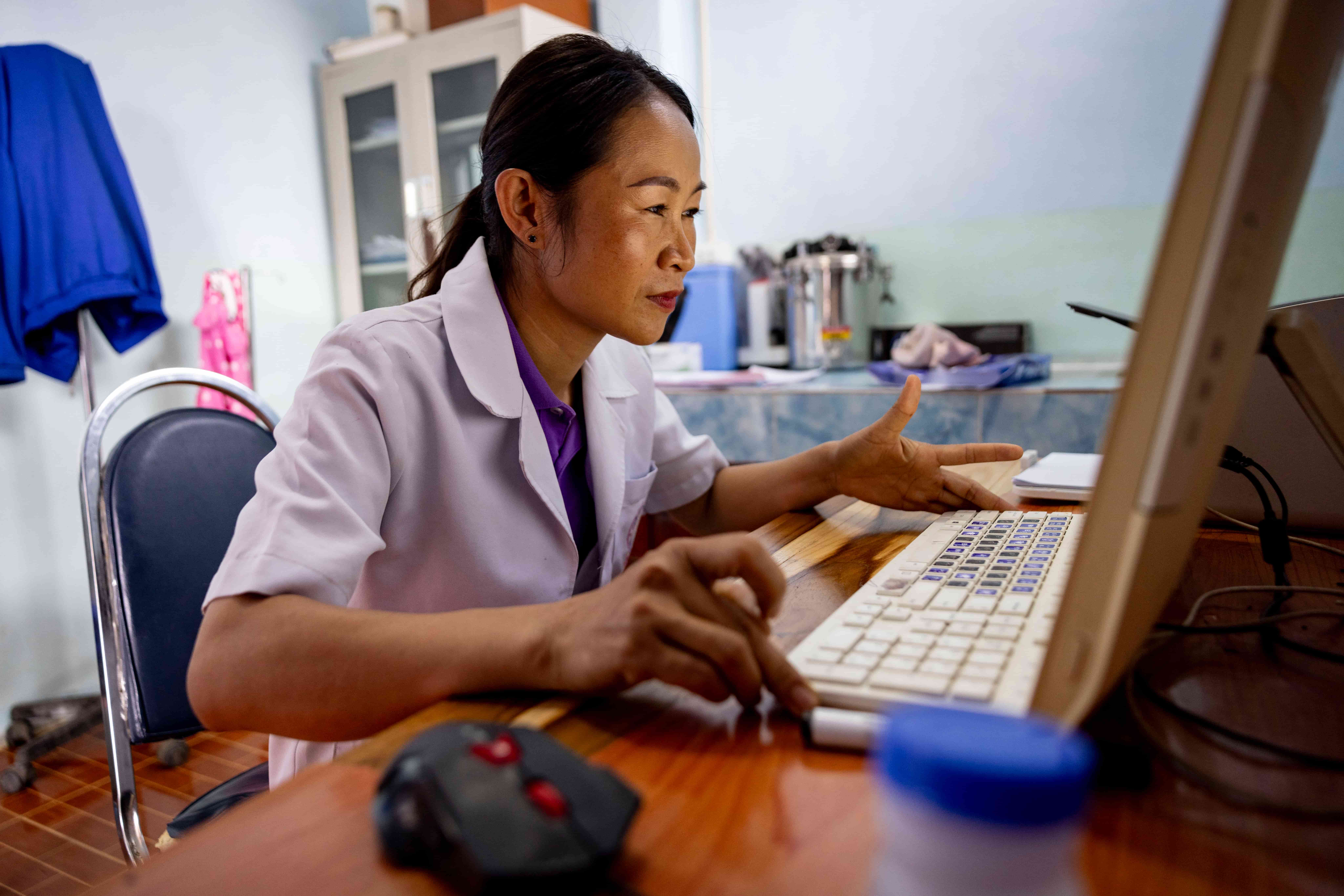 Bouachan reviews patient records at her computer after cataract surgery restored her sight. With clear vision again, the only doctor in her district can continue caring for her community in Oudomxay province, Laos.
Photo credit: Michael Amendolia
To improve your eye health:
- Position screens an arm’s length away
- Make sure your screens are slightly below eye level
- Adjust brightness and contrast so the screen is clear to see
- Reduce glare and direct lights
- Take regular breaks
- Make the effort to get outdoors
Eye Aids
If you wear glasses, it is important you get your prescription regularly checked to ensure it is still fit for your needs.
 A student wearing new glasses after a vision screening at Preak Leap High School, helping him see clearly and continue learning.
Photo credit: Savoeun Un
If you wear contact lenses, make sure to wear them responsibly, follow the instructions carefully and maintain good hygiene to prevent infections like conjunctivitis and eyelid inflammation.
Some good hygiene habits include:
- Always washing your hands before touching your contact lenses
- Do not sleep with your contact lenses unless they are specially designed for this
- Replace the lenses and cases as recommended
- Remove eye makeup at night
- Do not share contact lenses
- Do not share face towels
Frequently Asked Questions on how to improve eye health
How often should you get your eyes checked?
It is recommended that you get a comprehensive eye exam every 2 years.
If you have a family history of eye disease or existing eye issues, it may be necessary to seek professional assessments more regularly.
Which vitamins should you take to improve eye health?
While a standard diet and getting your nutrients directly from food is best, if you need to take supplementary vitamins, the following is a good place to start:
- Vitamins A, C, and E
- Lutein
- Zeaxanthin,
- Zinc
- Omega3 fatty acids
- Carotenoids
Should you use bluelight blocking glasses?
The evidence of efficacy of bluelight blocking glasses is inconclusive and it is unclear whether there are tangible benefits. It is best to manage screen habits with regular breaks and ergonomic set up of your workstation.
How does your donation help improve eye health for communities around the world?
The Fred Hollows Foundation is dedicated to ending avoidable blindness and vision impairment by ensuring eye care is accessible and affordable for all.
When you donate to The Foundation, you can help directly fund sight restoring surgeries, critical eye health services, aids and equipment, and training for future healthcare workers.
Find out more about how you can help our team improve the eye health of the less fortunate across the globe. Get in touch with us, or donate today.
Meet the author

Dr May Ho
Dr May Ho is the Optometry and Primary Care Adviser at The Fred Hollows Foundation. She is an Australian registered optometrist with over 30 years of public health and international eye health experience. She has worked extensively in the development and implementation of sustainable eye care and education programs in various countries in the Asia Pacific and Africa regions as well as in Haiti and Moldova. She was involved in the development and delivery of refraction, low vision, primary eye care and training of trainers’ courses for various cadres of health workers including mid-level ophthalmic personnel, optometrists, and ophthalmologists. Her biggest achievement is the introduction of the profession of optometry into Vietnam.
Read more about eye health

5 signs of cataract to look out for


12 life-changing stories of sight restored


7 frequently asked questions about blindness