
How often should older adults get an eye test?

Regular eye tests become increasingly important as we age. Many common eye conditions develop gradually over time and may not show obvious symptoms in their early stages. Without regular eye check-ups, problems can go unnoticed until vision loss has already occurred.
Globally, at least 2.2 billion people live with vision impairment or blindness, and older people carry the greatest burden. Many of the leading causes of vision loss, including cataracts, glaucoma, and diabetic retinopathy, become more common later in life.
The good news is that many forms of vision loss are preventable or treatable when detected early. Regular eye examinations can help protect vision, maintain independence, and support healthy ageing.
How often should I get an eye test?
The recommended frequency of eye examinations can vary depending on a person’s family history and whether they already have an existing eye condition or a health condition that could affect their eye health.
As a general guide, older people should have their eyes tested every one to two years, even if they are not experiencing noticeable changes in their vision. People living with diabetes, high blood pressure, or a family history of eye disease may need more frequent examinations as recommended by their eye health professional.
Regular eye tests are important because many serious eye conditions develop slowly and without pain or obvious symptoms in the early stages.
Why eye tests matter more as we age
Ageing increases the risk of several common eye conditions that can affect vision and quality of life.
Cataracts
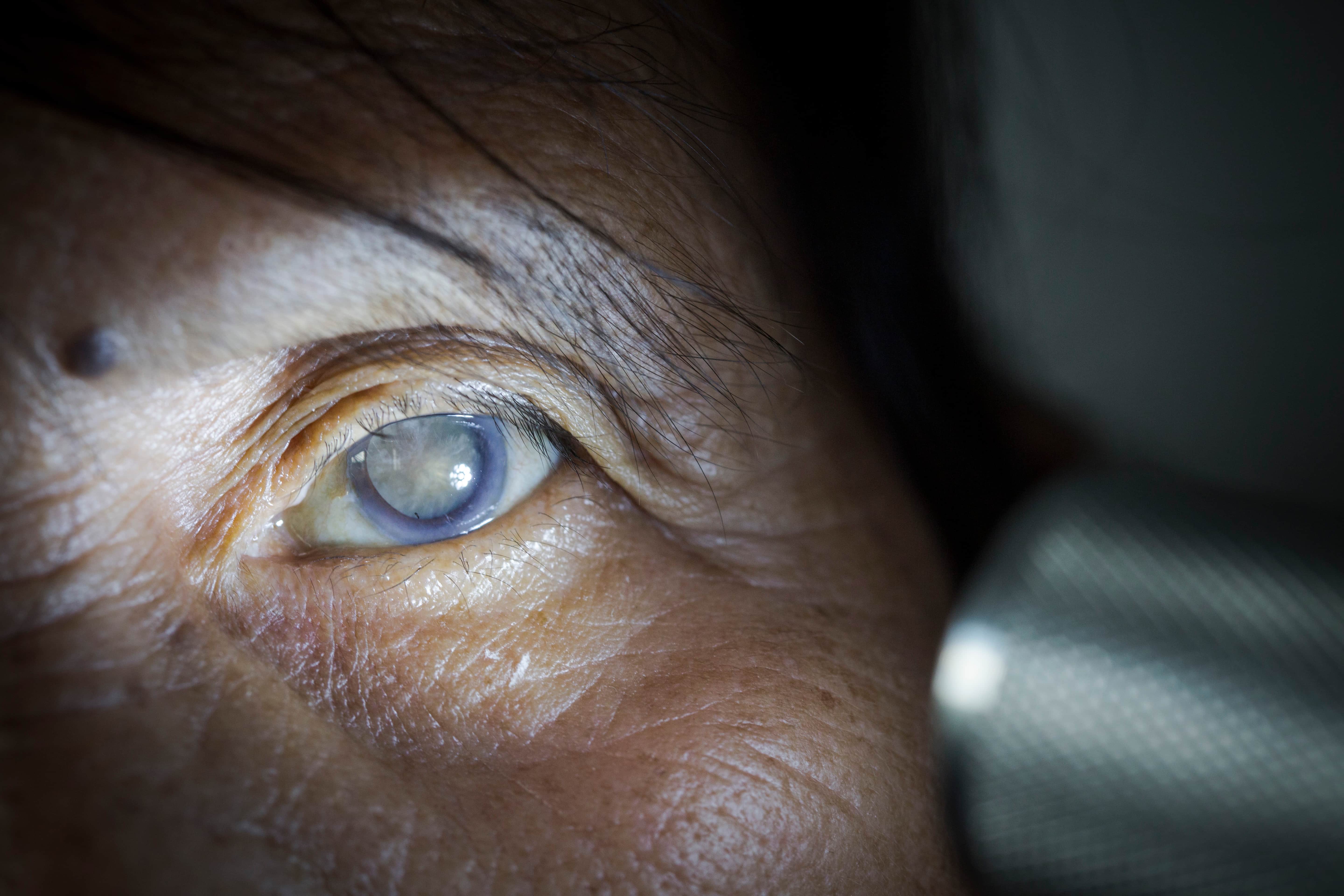 Photo credit: The Fred Hollows Foundation
Cataracts occur when the eye’s natural lens becomes cloudy, causing blurry or hazy vision, glare sensitivity, and difficulty seeing at night. Cataracts are the leading cause of blindness globally and affect an estimated 94 million people worldwide.
Fortunately, cataract surgery is one of the most successful and commonly performed surgical procedures worldwide, restoring vision and independence for millions of people each year.
Glaucoma
Glaucoma damages the optic nerve and can lead to permanent vision loss if left untreated. It often develops slowly and may not cause noticeable symptoms until significant damage has occurred.
Because vision loss from glaucoma cannot usually be reversed, early detection through routine eye tests is critical.
Age-related macular degeneration
Age-related macular degeneration, often called AMD, affects central vision and can make it difficult to read, drive, or recognise faces. Risk increases significantly with age, particularly after 60.
Regular eye examinations can help detect AMD early. Early diagnosis and treatment can helo slow vision loss and improve outcomes, particularly for some forms of the condition.
Diabetic eye disease
People living with diabetes are at increased risk of diabetic retinopathy, a condition caused by damage to blood vessels in the retina. Diabetic retinopathy is one of the leading causes of preventable blindness globally and may not cause noticeable symptoms in early stages.
Early treatment can help prevent severe vision loss, which is why regular eye checks are especially important for people with diabetes.
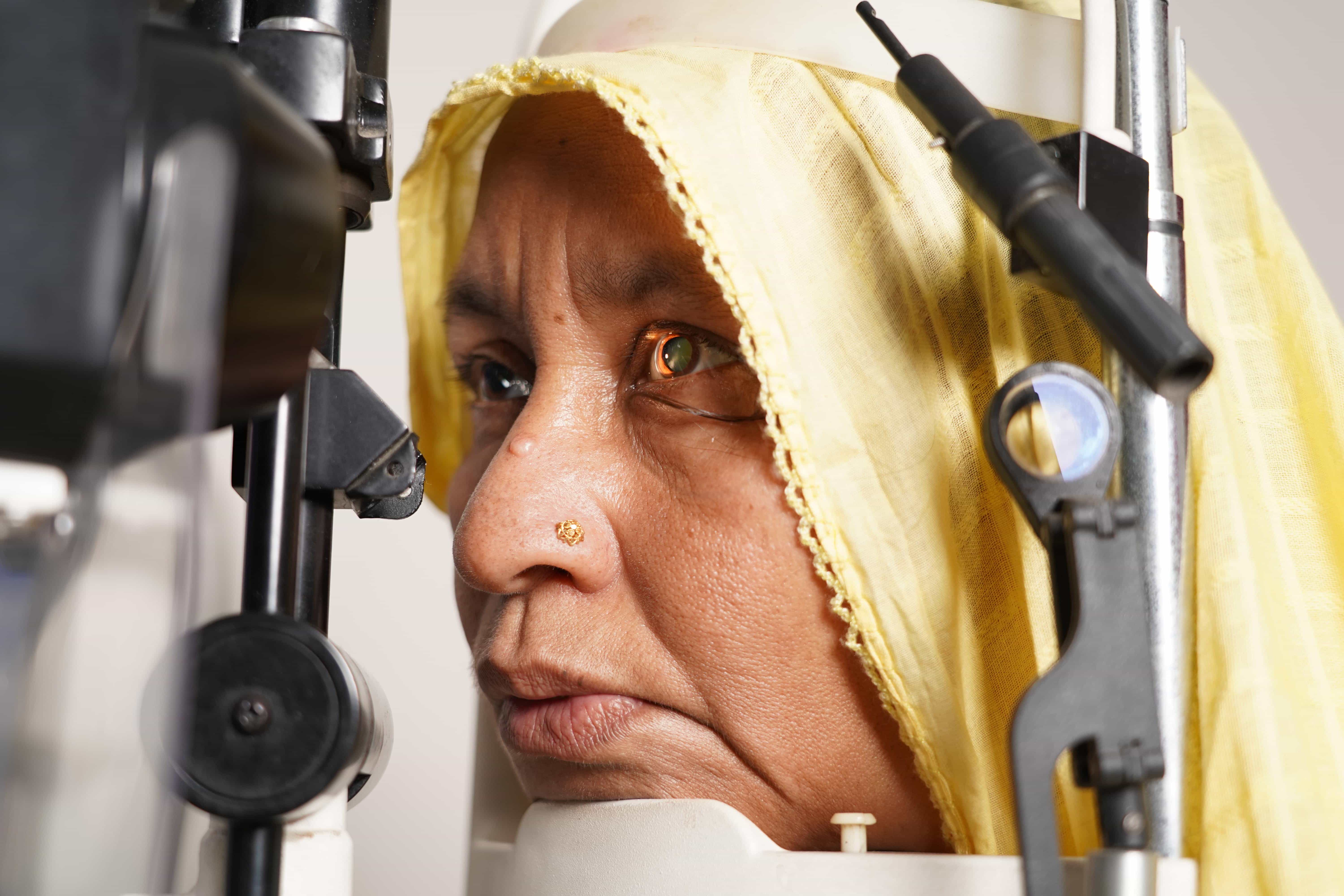
Nargis, from Bangladesh, feared she was losing her sight to diabetes. Today, treatment has restored her vision and her independence.
Photo credit: Rubel Karmaker
Signs you should book an eye test sooner
Even if you have regular eye examinations, some symptoms should never be ignored.
Book an eye test as soon as possible if you notice:
- blurry or cloudy vision
- difficulty reading
- increased sensitivity to glare
- trouble seeing at night
- flashes of light or floaters
- headaches or eye strain
- sudden changes in vision
- difficulty recognising faces
- needing brighter light to read
Some people may also notice subtle changes in daily life, such as losing confidence driving, tripping more often, or avoiding activities they once enjoyed.
Eye conditions can develop without symptoms
One of the biggest misconceptions about eye health is that people will always notice when something is wrong. In reality, many eye conditions progress slowly and painlessly.
A person may adapt to gradual vision loss over time without realising how much their eyesight has changed. This is particularly common among older adults living alone or people who have reduced vision in only one eye.
Regular eye tests can help detect changes before they begin affecting everyday life and when treatment may be most effective.
Eye health is part of healthy ageing
Eye health supports independence, mobility, confidence, and social connection as we age. It helps older people continue doing the things that matter to them, including participating in work, family life, hobbies, and community activities.
At The Fred Hollows Foundation, we believe everyone deserves access to quality eye care throughout their life. Through our work around the world, we are helping older people access the eye care and support they need to live healthy, fulfilling, and dignified lives. In doing so, we are contributing to the goals of the UN Decade of Healthy Ageing (2021–2030).
Because eye health is essential to healthy ageing.
Want to learn more? Read the Connecting Healthy Ageing and Vision report to explore the challenges facing older people's eye health and the actions needed to protect vision in later life.
Meet the author

Dr. Vânia de la Fuente-Núñez
Dr Vânia de la Fuente-Núñez is Global Healthy Ageing Lead at The Fred Hollows Foundation, where she works to advance equitable eye health and healthy ageing for older people worldwide.
Related articles

Why global action on eye health matters now
Why global action on eye health matters now

Dr Visay’s dream to help everyone see