
How vision loss affects healthy ageing

Vision plays a critical role in healthy ageing. It affects how we move through the world, stay connected to others, manage our health, and maintain our independence over time.
Yet vision loss is one of the most overlooked health challenges affecting older people globally. Today, an estimated 73% of people living with avoidable vision impairment are aged 50 and over, amounting to around 800 million people worldwide. As populations continue to age, this figure is projected to rise to 1.28 billion by 2050 unless urgent action is taken.
Many causes of vision loss in later life are preventable or treatable. But without access to timely eye care, older people can face declining health, isolation, and loss of independence that affects every part of daily life.
Vision supports independence as we age
Good vision helps older people continue doing the things that matter to them safely and confidently. Everyday activities such reading, recognising faces, preparing meals, managing finances, moving around safely, and participating in hobbies and community activities all rely heavily on eyesight.
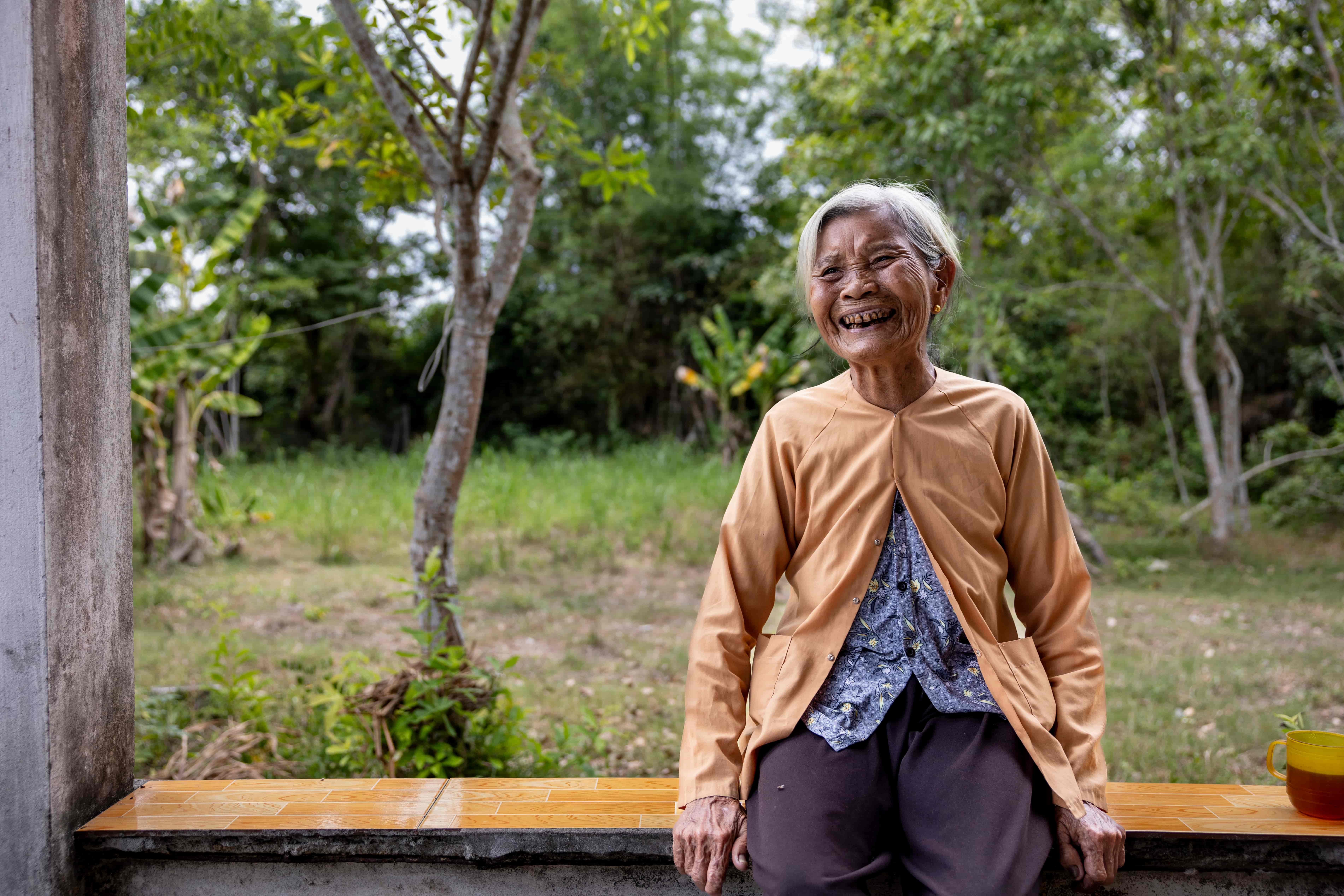 At 82, Tran Thi Den wants to remain active, connected and independent. Cataract surgery has restored the sight in one eye, helping her continue living life on her own terms.
Photo credit: Michael Amendolia
When vision begins to decline, these everyday activities can become more difficult. Some older people may lose confidence leaving the house, stop participating in social activities, or need additional support with daily tasks.
Vision loss can also affect mobility and balance. Changes in depth perception, contrast sensitivity, and peripheral vision can increase the risk of falls and fractures, which are among the leading causes of injury and hospitalisation in older age. According to the World Health Organization, vision impairment in older people is also associated with difficulty walking and earlier entry into nursing or care homes.
Maintaining good eye health is about more than protecting sight. It helps people maintain their independence, stay connected to the communities, and continue doing the things that matter to them as they age.
Vision loss can affect physical and mental health
The impact of vision loss extends well beyond the eyes. Research shows that poor vision in older age is associated with poorer physical and mental health, including a higher risk of mortality among people with severe vision impairment or blindness.
Older people with vision impairment are at increased risk of depression, and the risk may be even higher for those experiencing both vision and hearing loss.
Research has also highlighted a link between untreated vision problems and cognitive decline. One major review found that older people with untreated vision loss had a significantly higher risk of developing cognitive impairment and dementia.
Vision loss can also make it harder for people to engage in self-care and manage other health conditions. Difficulty reading medication labels, travelling to appointments, or recognising symptoms can create additional barriers to maintaining overall health and wellbeing.
Good vision helps older people stay socially connected
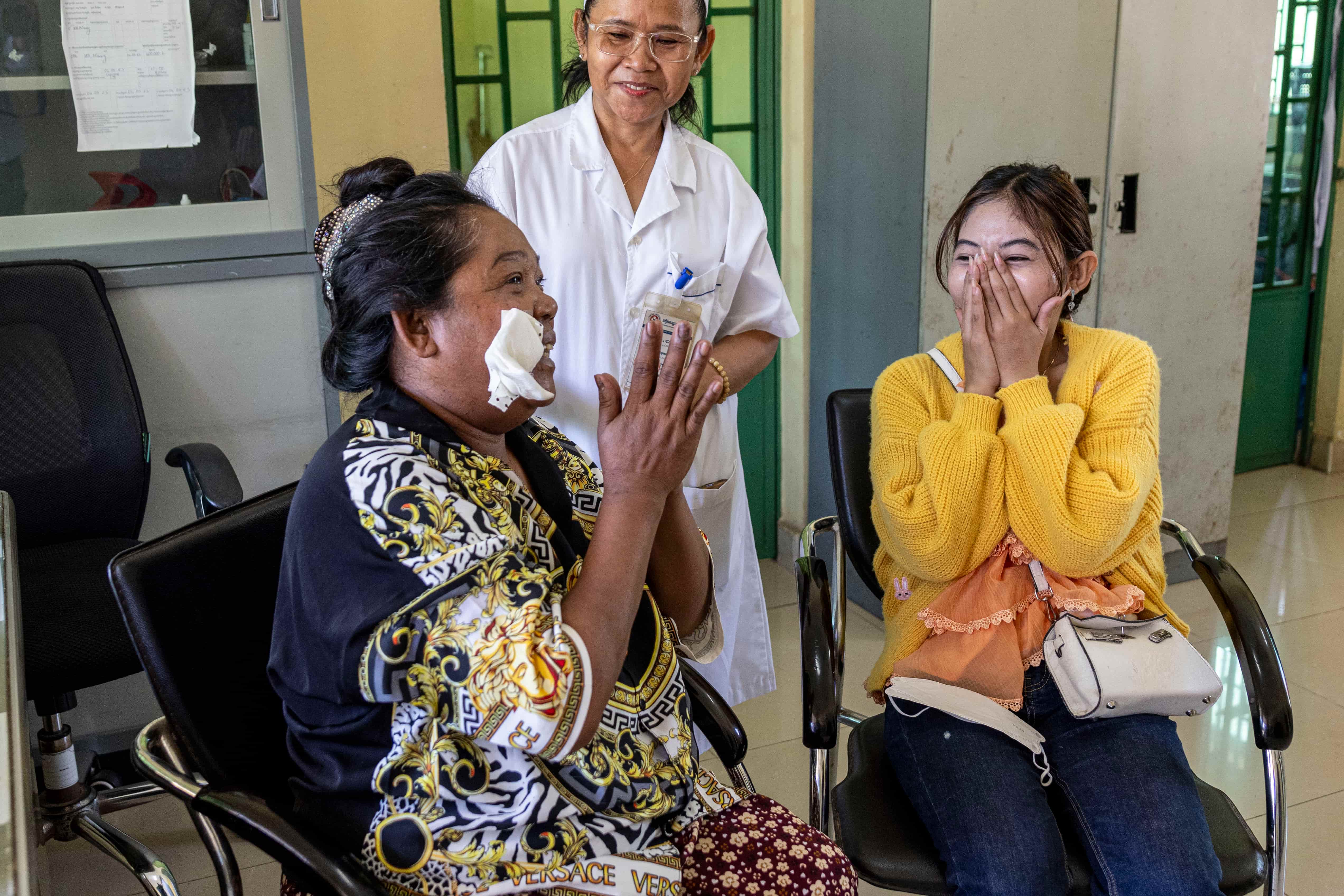 When cataracts left Sok unable to work, she feared losing her independence. After sight-restoring surgery, the 58-year-old is looking forward to seeing her grandchildren again and returning to work to support her family.
Photo credit: Michael Amendolia
Social connection is an important part of healthy ageing. Good vision helps people recognise faces, participate in conversations, move confidently through public spaces, and take part in community life, all of which support social connection and participation.
When vision loss goes untreated, staying socially connected can become more difficult. Some people stop attending social gatherings, community activities, or other events because they no longer feel confident navigating unfamiliar environments. Others may participate less in activities they once enjoyed because they worry about needing help or becoming a burden on others.
Over time, this can increase the risk of loneliness and social isolation, both of which are associated with poorer health. Older people with vision impairment are also more likely to experience a reduced quality of life.
Protecting and restoring vision can help older people remain connected to their families, friends, and communities, supporting wellbeing and quality of life.
Inequity leaves millions without access to eye care
Although many forms of vision loss are treatable, millions of older people still cannot access the care they need. Inequity remains one of the biggest drivers of avoidable blindness and vision impairment worldwide.
Globally, at least 2.2 billion people live with a near or distance vision impairment, and in around half of these cases the vision loss could have been prevented or treated. Older people are disproportionally affected. More than 800 million people aged 50 and over are living with avoidable blindness or vision impairment, and this number is expected to grow as populations age.
The burden is not shared equally. Older women account for more than half of vision loss cases in later life and often face lifelong barriers to healthcare, education, employment, and financial independence that can limit access to timely eye care. People living in low-income communities, rural areas, and underserved regions may also struggle to obtain affordable eye tests, glasses, surgery, and treatment.
According to the World Health Organization, two out of three people in low-income countries who need glasses do not have access to them, while one in two people globally who need cataract surgery cannot access it.
Without treatment, avoidable vision loss can deepen poverty, reduce independence, and increase exclusion for older people.
Many causes of vision loss are treatable
Although vision often changes with age, blindness and severe vision impairment are not an inevitable part of ageing.
Globally, the leading causes of vision impairment are uncorrected refractive errors and cataracts, both of which can often be treated effectively. Cataracts alone affect an estimated 100 million people worldwide, while uncorrected refractive errors affect another 671 million people.
Regular eye examinations play an important role in detecting problems early and helping prevent avoidable vision loss. Early diagnosis and treatment can improve quality of life and help older people maintain independence for longer.
Simple interventions can make a life-changing difference. A pair of glasses may help someone continue reading and working. Cataract surgery can restore sight and independence in a matter of minutes. The World Health Organization describes cataract surgery and eyeglasses as among the most cost-effective healthcare interventions available, yielding $28 for every $1 invested.
Healthy ageing includes eye health
Eye health is an essential part of healthy ageing. It supports independence, mobility, social participation, and wellbeing in later life.
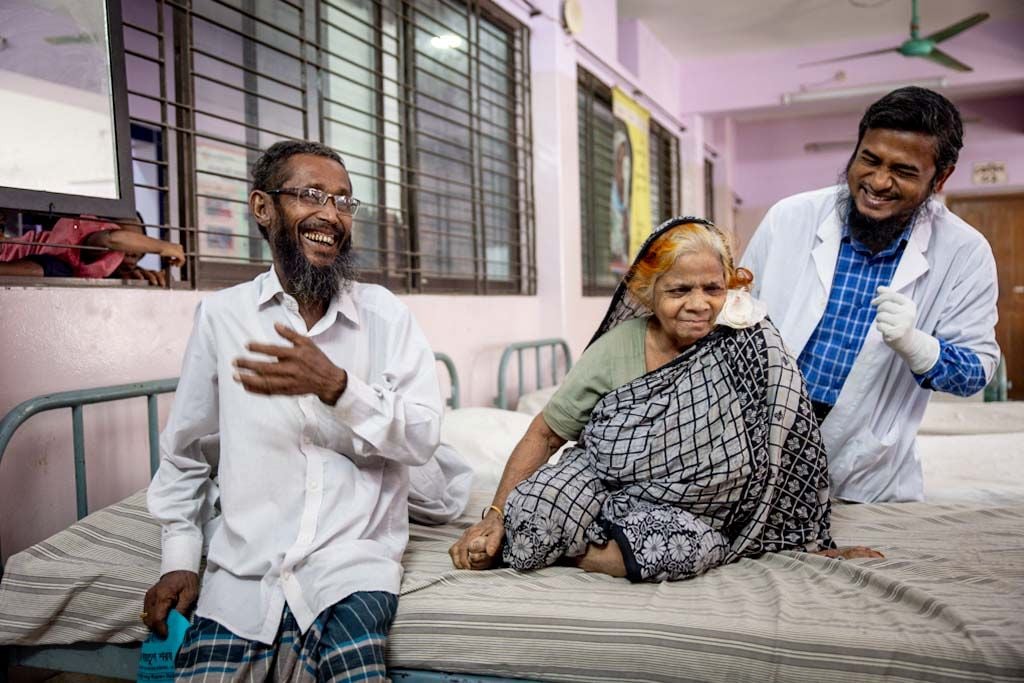 After living with blindness for a year, 75-year-old Hajera Khatun smiles as her eye patch is removed following cataract surgery. With her sight restored, she hopes to regain her independence and no longer rely on her family for everyday tasks.
Photo credit: Michael Amendolia
At The Fred Hollows Foundation, we are working to ensure older people can access the eye care and support they need to live healthy and fulfilling lives. Through prevention, sight-restoring treatment, integrated healthcare programs, assistive technologies, research, and advocacy, we are helping remove to quality eye care and support.
Because everyone deserves the opportunity to age with dignity, independence, and the support they need to live well.
Meet the author

Dr. Vânia de la Fuente-Núñez
Dr Vânia de la Fuente-Núñez is Global Healthy Ageing Lead at The Fred Hollows Foundation, where she works to advance equitable eye health and healthy ageing for older people worldwide.
Related articles

A witness to Fred Hollows’ legacy in Vietnam

What does one year of impact really look like?

How to improve eye health: A complete guide