
Myopia (short-sightedness): Causes, symptoms, and treatment

Myopia, also known as short-sightedness, is a common eye condition that causes distant objects to appear blurry while close objects remain clear. It occurs when the eye focuses light in front of the retina instead of directly on it.
While myopia can often be corrected with glasses or contact lenses, increasing rates of myopia worldwide make prevention, early detection and access to treatment an important global eye health priority.
As part of our work to prevent avoidable vision loss, The Fred Hollows Foundation supports access to eye screening, glasses and treatment for refractive errors like myopia in communities around the world.
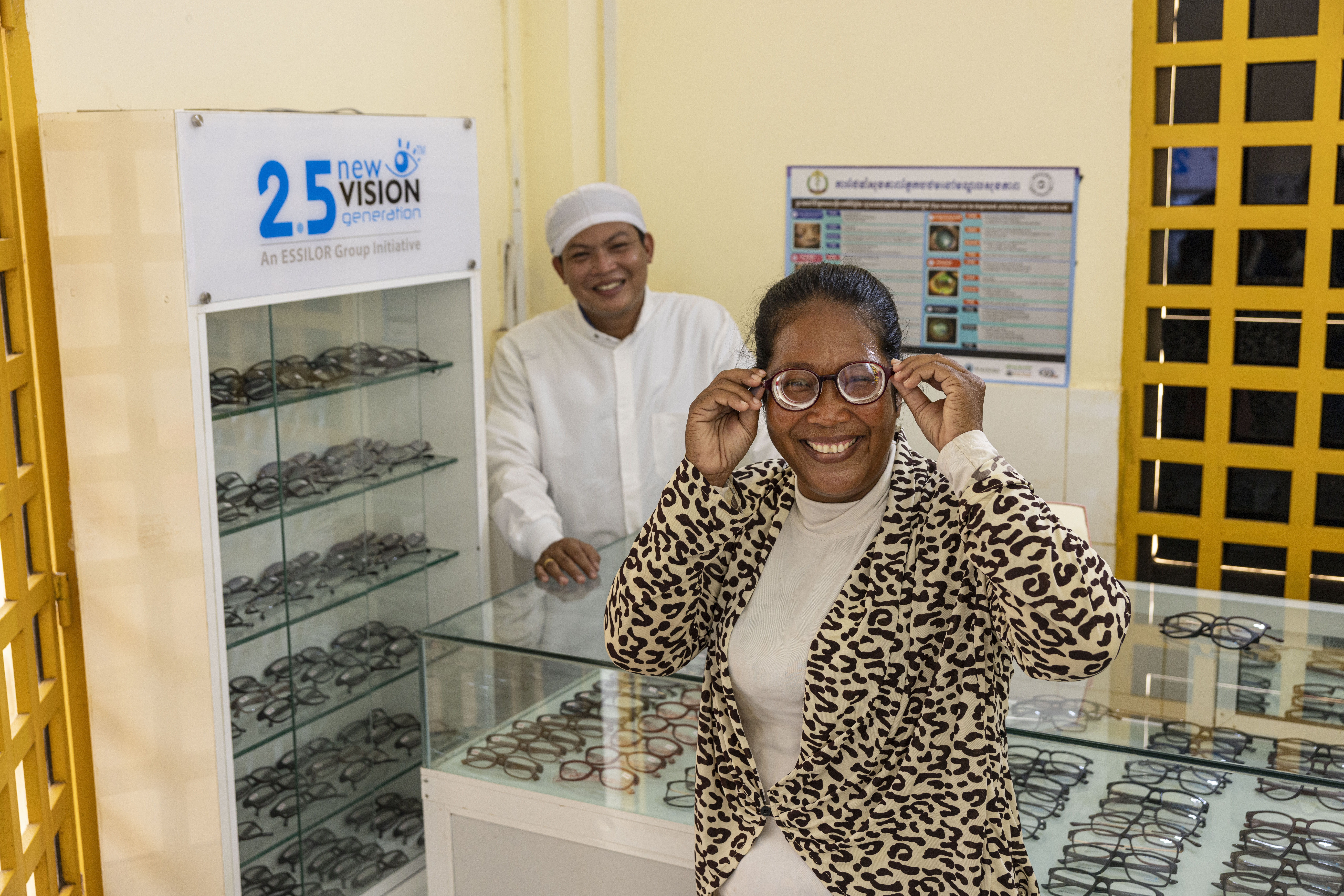 A woman in Cambodia receives an eye screening as part of The Fred Hollows Foundation’s refractive error program, helping connect people with the vision care and glasses they need for everyday life.
Photo credit: Michael Amendolia
How common is myopia?
Myopia is one of the most common causes of vision impairment worldwide, and rates are increasing, particularly among children and adolescents.
According to the International Agency for the Prevention of Blindness (IAPB), the global prevalence of myopia among children and adolescents increased from 24% in 1990 to nearly 36% in 2023.
This number is expected to reach 39% by 2050, affecting an estimated 740 million children and adolescents worldwide.
The burden of myopia is not evenly distributed. Higher rates are reported among adolescents, high school students, people living in urban settings, and communities in East Asia. Differences are also seen across populations, highlighting the importance of targeted approaches to prevention and treatment.
The increase in myopia accelerated in some settings following the COVID-19 pandemic, when school closures, reduced outdoor activity and increased screen time may have contributed to faster progression among some children.
Addressing myopia requires early detection, access to eye care and strategies that support healthy vision development.
What causes myopia?
Myopia occurs when the shape of the eye causes light to focus in front of the retina rather than directly on it.
This usually happens because:
- The eyeball is too long
- The cornea is too curved
Because light does not focus correctly, distant objects appear blurry while nearby objects can usually still be seen clearly.
Myopia is often influenced by genetics. Children are more likely to develop myopia if their parents or other family members have the condition.
Environmental factors can also influence the development and progression of myopia. Research suggests that children who spend less time outdoors and more time engaged in prolonged near-focused activities, such as reading or using digital devices, may have an increased risk of developing myopia.
Myopia can also develop in adults, including as a result of certain health conditions such as diabetes.
Severe myopia can increase the risk of serious eye conditions, including:
- Cataract
- Glaucoma
- Retinal detachment
- Myopic macular degeneration
What are the signs and symptoms of myopia?
The most common symptom of myopia is difficulty seeing objects clearly at a distance.
Signs may include:
- Blurry vision when looking at distant objects
- Difficulty reading road signs, classroom boards or television screens
- Squinting to see more clearly
- Eye strain or tired eyes
- Difficulty seeing while driving, particularly at night
Children may not always realise they have a vision problem. Signs that a child may have myopia include:
- Sitting close to the television
- Squinting frequently
- Rubbing their eyes often
- Struggling to see the board at school
- Avoiding activities that require clear distance vision
Regular eye examinations can help identify myopia early and ensure children receive the support they need.
Learn more about children and eye disease.
How is myopia diagnosed?
Myopia can be diagnosed through a comprehensive eye examination with an optometrist or ophthalmologist.
During an eye test, a person may be asked to read from a Snellen chart to measure visual acuity.
An eye specialist may also perform a refraction test, where different lenses are used to determine how the eye focuses light and what type of vision correction is needed.
How is myopia treated?
Myopia can be corrected or managed through a range of treatment options. The best approach depends on a person’s age, eye health and individual needs.
Glasses
Prescription glasses are the most common way to correct myopia. They help focus light correctly onto the retina, improving distance vision.
Contact lenses
Contact lenses can also correct myopia by changing how light enters the eye.
Refractive surgery
Laser eye surgery can reshape the cornea to improve how the eye focuses light. It is generally considered for adults who meet specific requirements.
Intraocular lens (IOL) surgery
In some cases, an artificial intraocular lens may be implanted to correct vision.
An eye health professional can recommend the most appropriate treatment option.
How can myopia be prevented or slowed?
While genetics play an important role in whether someone develops myopia, there are ways to help reduce the risk of developing or worsening the condition, particularly in children.
These include:
- Spending more time outdoors each day
- Taking regular breaks from close-up activities
- Limiting recreational screen time
- Ensuring reading and homework are completed in appropriate lighting
- Having regular eye examinations
Some specialised treatments, such as orthokeratology (ortho-k) lenses, may also help slow the progression of myopia in some children.
Frequently asked questions about myopia
Can myopia be cured?
Currently, there is no cure for myopia. However, glasses, contact lenses and other treatments can correct vision and help manage the condition.
Does screen time cause myopia?
Spending extended periods on close-up activities, including digital devices, may contribute to the development or progression of myopia, particularly when combined with limited time outdoors.
Can myopia lead to blindness?
Most people with myopia will not become blind. However, severe myopia can increase the risk of serious eye conditions, including retinal detachment, glaucoma and myopic macular degeneration.
Is myopia more common in children?
Yes. Myopia often develops during childhood and can progress during the teenage years as the eyes continue to grow.
Meet our myopia patients
The Fred Hollows Foundation works in more than 25 countries around the world to prevent avoidable blindness and vision impairment.
Our programs support communities affected by refractive errors like myopia by improving access to eye screening, glasses and treatment. The diseases we come across also range from cataract, diabetic retinopathy to trachoma.
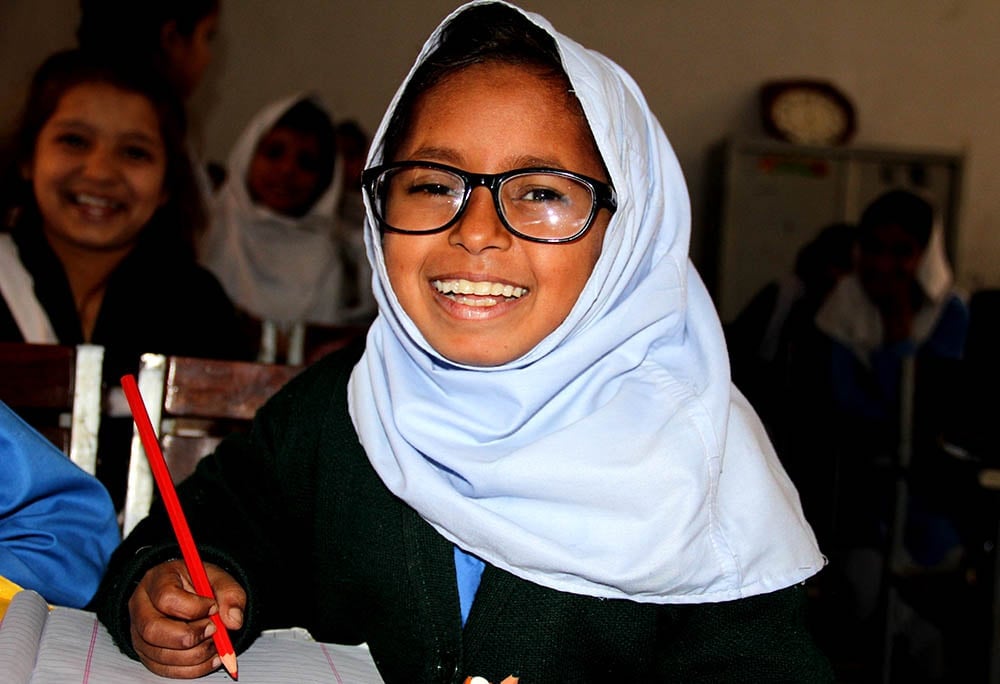
Warisha, Pakistan
Warisha from Pakistan was 10 years old when she began struggling to read the whiteboard at school.
After her teacher identified that she may have a vision problem through eye screening training provided by The Fred Hollows Foundation, Warisha received further assessment and glasses.
With her vision corrected, Warisha was able to participate more confidently at school.
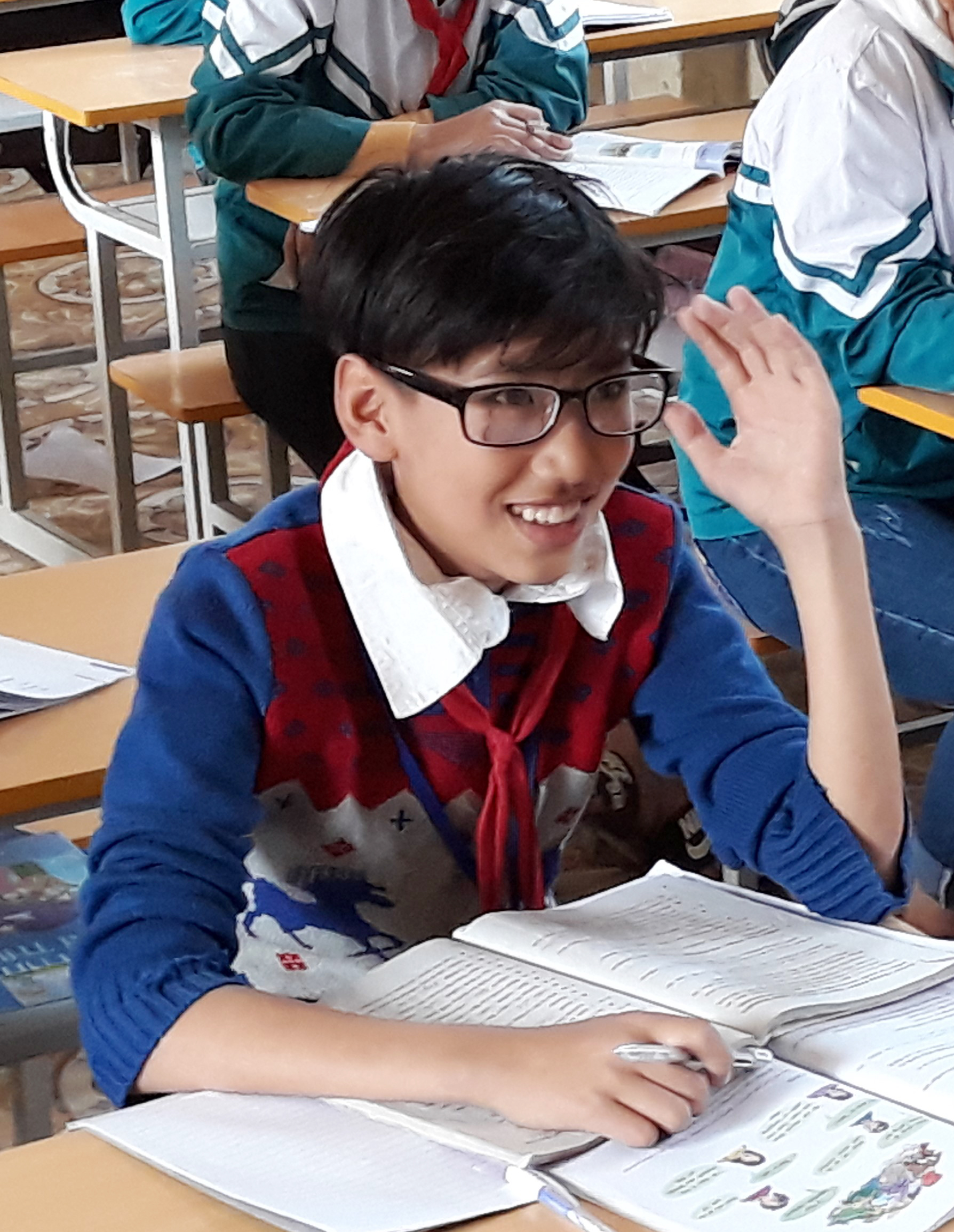
Nghia, Vietnam
Nghia from Vietnam struggled to see the board clearly and found it difficult to participate in lessons.
After being identified with myopia through a school eye screening program supported by The Fred Hollows Foundation, Nghia received glasses.
His improved vision helped him become more active in class and reconnect with his classmates.
Disclaimer: The content on this page is not intended to be medical advice. For medical advice, please contact your local health professional.
Article last updated: 5 August 2026
Learn more about eye health

How to improve eye health: A complete guide


How to protect your eyes from screen time: 7 expert tips

Why do my eyes look and feel tired?