
Taking action for women’s eye health on International Women’s Day

Across The Fred Hollows Foundation this March, teams marked International Women’s Day (IWD) not just by celebrating women’s contributions, but by taking practical action to improve access to eye care. From community outreach to awareness raising sessions and workplace events, each activity reflected our commitment to closing the gender gap in eye health.
Kenya
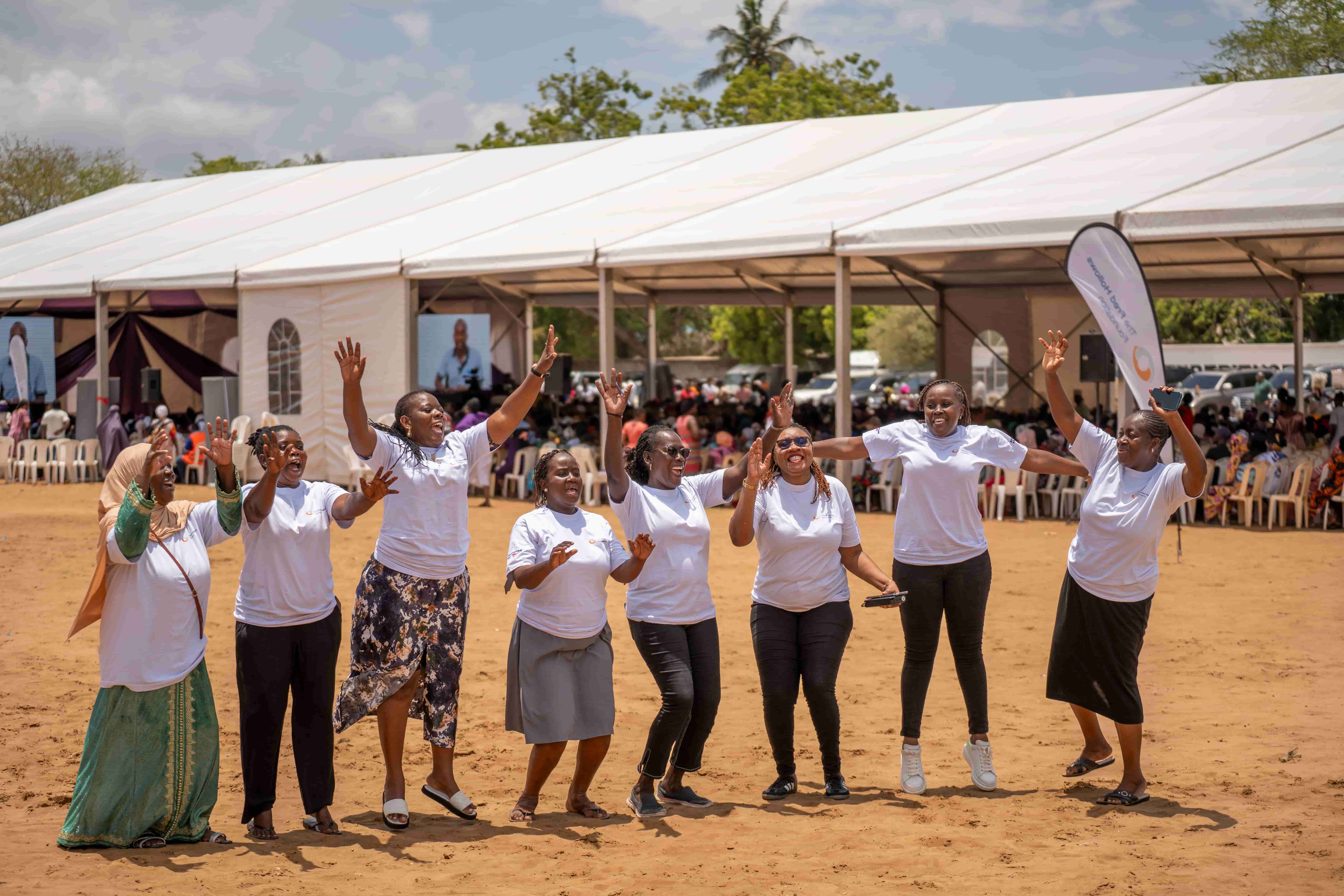 Photo credit: Mark Maina
In Kenya, IWD was marked both in the office and in the community. Staff in the Nairobi office came together to honour the women who shape The Foundation’s culture and impact every day. Through a 'Women’s Sound Board', colleagues shared reflections on the strengths, leadership and support systems that enable women to thrive.
In Kilifi County, Team Kenya partnered with the Kilifi County Government to deliver a major community outreach at Karisa Maitha Grounds. Hundreds of residents attended free screenings, with more than 100 women receiving comprehensive eye checks, health education and on‑site treatment. Four patients were referred for cataract surgery – care that can restore sight and transform daily life.
Bangladesh
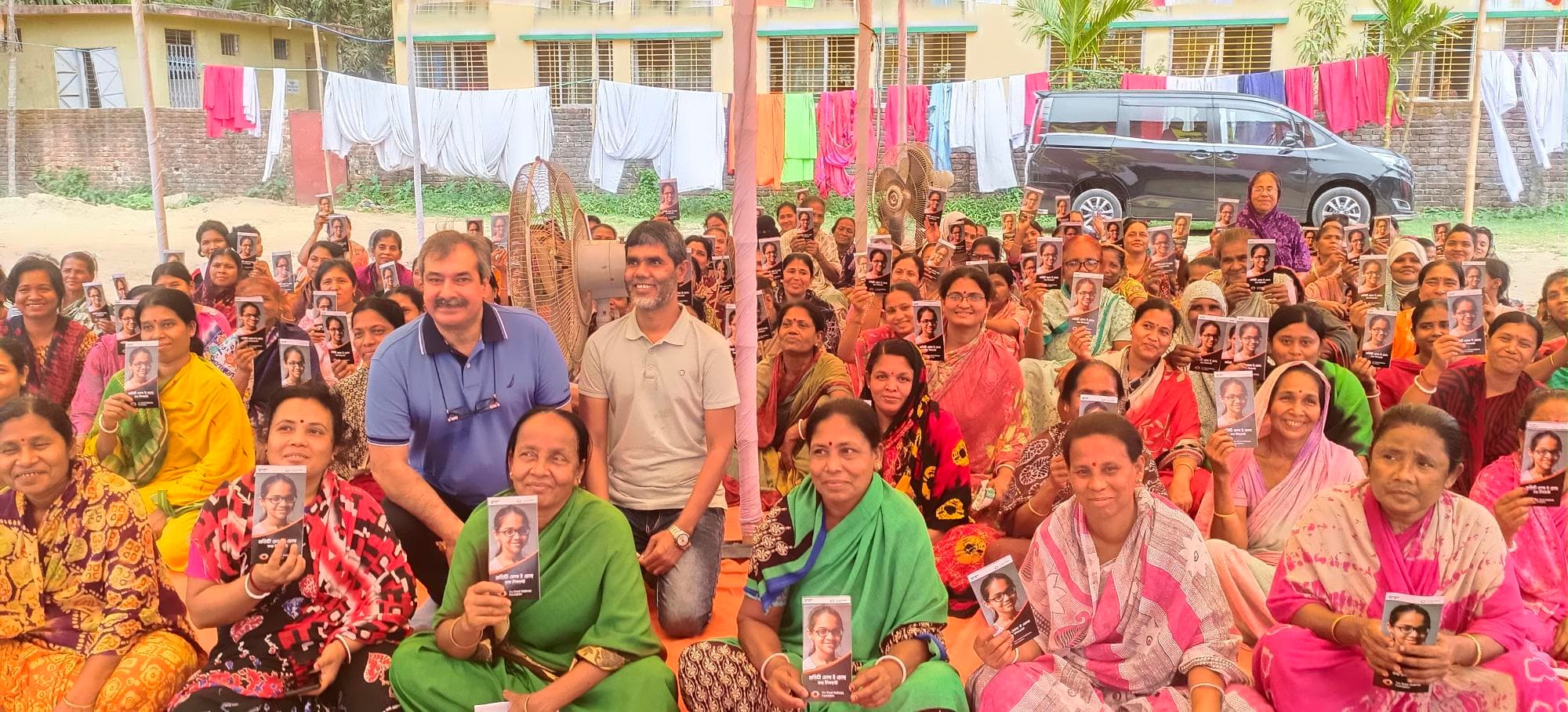 Photo credit: Roksana Kamal
In the hills of Ramu, Cox’s Bazar, the Bangladesh team led an outreach with the local Buddhist community, who often face barriers to essential services. A senior optometrist facilitated a dedicated eye health session for women, covering prevention, early detection and the importance of seeking care, reaching 100 participants.
The team also reached women living and working in tea garden communities, where access to services is often limited. To help address the gap in access to services, The Fred Hollows Foundation partner - Moulvibazar BNSB Eye Hospital conducted a targeted outreach camp at Huguliachara Tea Garden in Sreemangal.
Pakistan
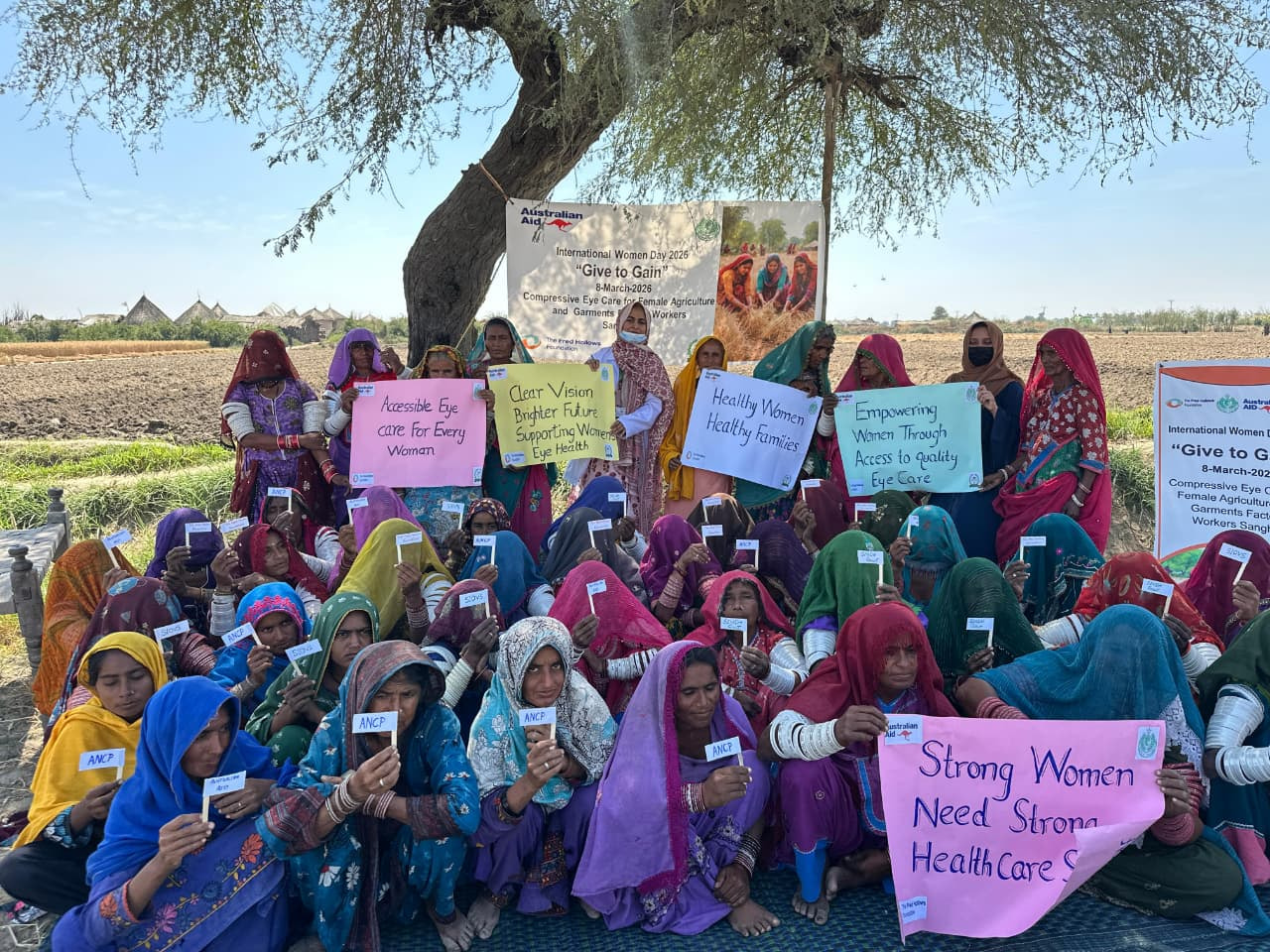 Photo credit: Najaf Ali
Across Pakistan, IWD provided an opportunity to deliver a series of community activities under the Comprehensive Eye Care (CEC II) Project. Events were held in multiple districts across South Punjab and Sindh for female agricultural and garment factory workers. These activities combined awareness raising with outreach screenings and referrals, helping women access eye care close to home.
Why gender equity work matters
Blindness and vision impairment are gendered issues. Women and girls account for 55% of people living with vision loss, and 90% of vision loss occurs in low‑ and middle‑income countries. This reflects a disproportionate burden – and women and girls are still less likely to access the care they need.
The impact extends beyond health. Women with untreated vision impairment are often excluded from education, employment and decision‑making. Girls may miss school to care for relatives with vision loss. Women who are blind or vision impaired are frequently locked out of paid work, reinforcing cycles of poverty.
Older women face even greater challenges. They live longer, increasing their risk of cataract and other age‑related conditions, yet often face financial and cultural barriers to accessing treatment. When older women lose their sight, younger women frequently take on additional caregiving responsibilities, limiting their own opportunities.
Addressing vision loss is not only about clinical outcomes – it’s about enabling women and girls to participate fully in education, work and community life and to advance gender equity.
Gender inequity in the health system
The inequities women face as patients mirror the inequities they face as health workers. Women make up 70% of the global health workforce, yet hold less than 25% of leadership roles. Much of their contribution is unpaid or underpaid, limiting opportunities for advancement and affecting their ability to care for their own health.
Women health workers play a vital role in improving access to eye care. They understand the barriers women face and bring critical insight into how services can better meet their needs. When their voices are excluded from planning and policymaking, these inequities persist.
Our commitment
The Fred Hollows Foundation recognises that vision loss is both a cause and a consequence of gender inequity. Preventing avoidable blindness and ensuring the inclusion of women and girls with vision‑related disability is central to achieving the Sustainable Development Goals.
Women and girls represent 55% of people living with blindness and vision impairment globally, and The Foundation is committed to addressing this disparity. Our Gender, Equity and Inclusion Framework, established in 2019, guides our work to embed gender equity across programs and organisational practices. Each year, we set ambitious targets to strengthen inclusion and ensure women and girls can access the eye care they need.
The Foundation is also the Co-Chair of the International Agency for the Prevention of Blindness (IAPB) Gender Equity Work Group where a Gender Equity Toolkit has been developed to help the whole eye health sector move gender equity forward across programming and within their own organisations.
For everyone to receive the eye care they need, we must ensure equitable access to care for women and girls.
Our approach recognises that women and girls have different needs, preferences and barriers shaped by where they live and their circumstances - and responding to these realities is essential to achieving lasting change.
Because, as Fred Hollows said, “the basic obligation of any society is to make sure that everyone has access to what they need” - and that must include equitable access to eye care for women and girls everywhere.
Meet the author

Lisa Johnson
Lisa Johnson is the Global Equity and Inclusion Lead at The Fred Hollows Foundation. She leads efforts to ensure our programs are inclusive, equitable, and accessible for all in the communities we serve.
Read more about our gender equity work

Seeing their futures: Sumaiya and Habiba this International Women’s Day

Why women’s leadership is critical to ending avoidable blindness

5 reasons why gender equity is essential for eye health