
Manyeso's Story

Two years ago, Manyeso and four of her children received sight-saving cataract surgery. Today, The Fred Hollows Foundation has returned to visit the family in rural Kenya, and the changes are remarkable.
The children are now attending school with greater confidence and independence. The opportunities that once seemed uncertain are beginning to open up, and Manyeso has watched them grow, learn and participate more fully in everyday life.
For Manyeso, the impact of restored sight is measured not in numbers, but in seeing her children embrace opportunities that once felt out of reach.
Watch how life has changed for Manyeso and her family
Looking back
When we first met Manyeso, life looked very different.
Living in a remote village in Kenya's Kilifi County, she was raising nine children while trying to earn enough to support her family. After the death of her husband, the responsibility of caring for her children fell entirely on her shoulders, and each day brought new challenges.
Among her children were Emmanuel, Furaha, Purity and Emily, all born with cataracts.
As their vision worsened, so too did Manyeso's fears for their future.
School became increasingly difficult and opportunities that many children take for granted felt further and further out of reach. Emmanuel, the oldest, often spent his days helping earn money for the family rather than focusing on his education, while his younger siblings navigated a world they could barely see.
Manyeso understood exactly what her children were going through because she had experienced it herself.
She had developed cataracts when she was young and watched her own sight gradually fade over time. Although she later received surgery, doctors were only able to restore vision in one eye. She knew how much vision loss could limit a person's independence.
Accessing healthcare in their community was never easy. Specialist eye care was far away and difficult to reach, leaving the family with few options and little hope that things could change.
See what life was like before surgery
A chance to see
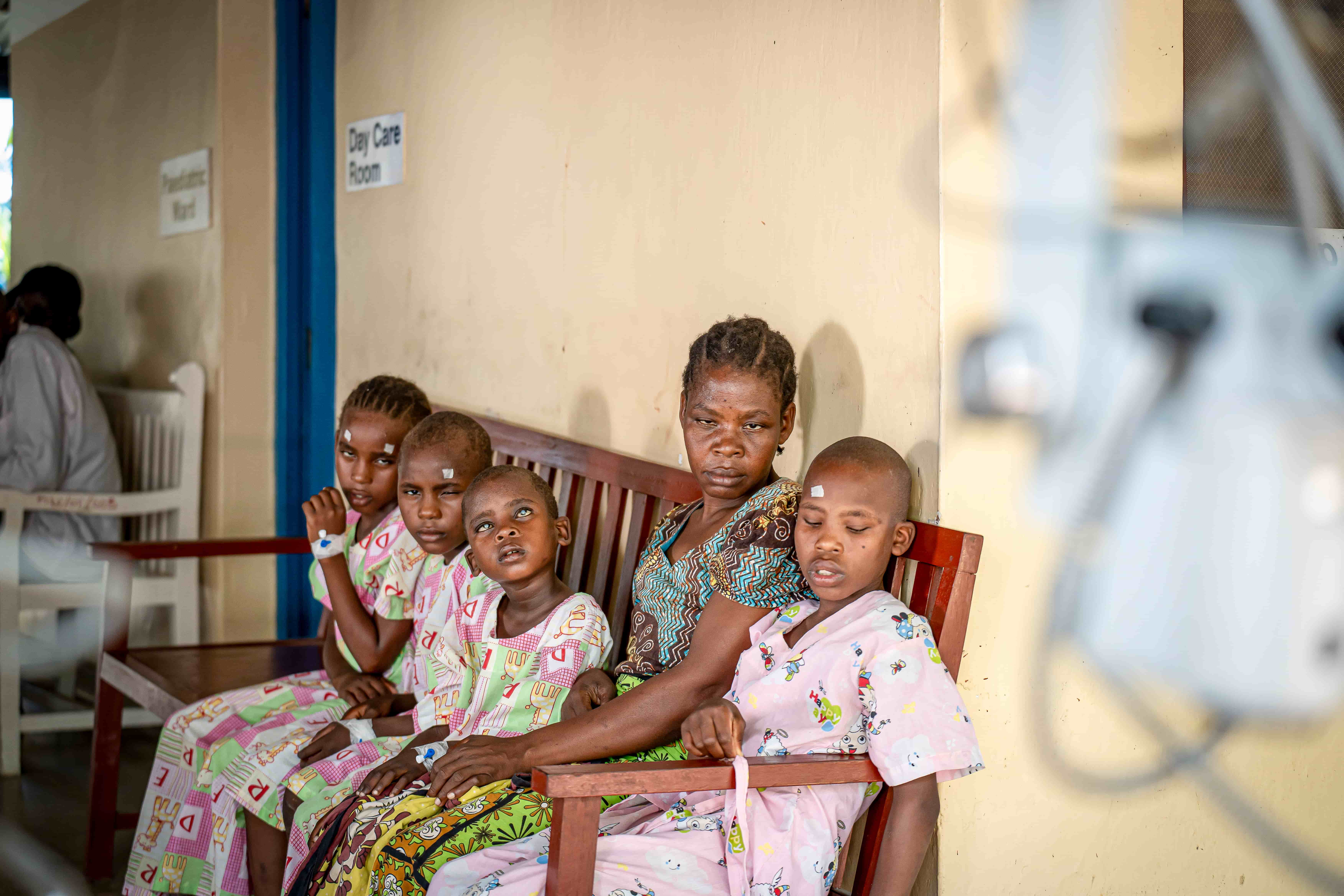 Photo credit: Mark Maina
Hope arrived when a community health worker supported by The Fred Hollows Foundation and the Australian NGO Cooperation Program (ANCP) met the family.
After being screened at Kwale Eye Centre, the children were diagnosed with cataracts and scheduled for surgery.
The next day, when their eye patches were removed, everything changed.
For the first time in years, the children could clearly see their mother and each other. Smiles spread across their faces as they took in the world around them with new eyes.
Reaching more families in Kenya
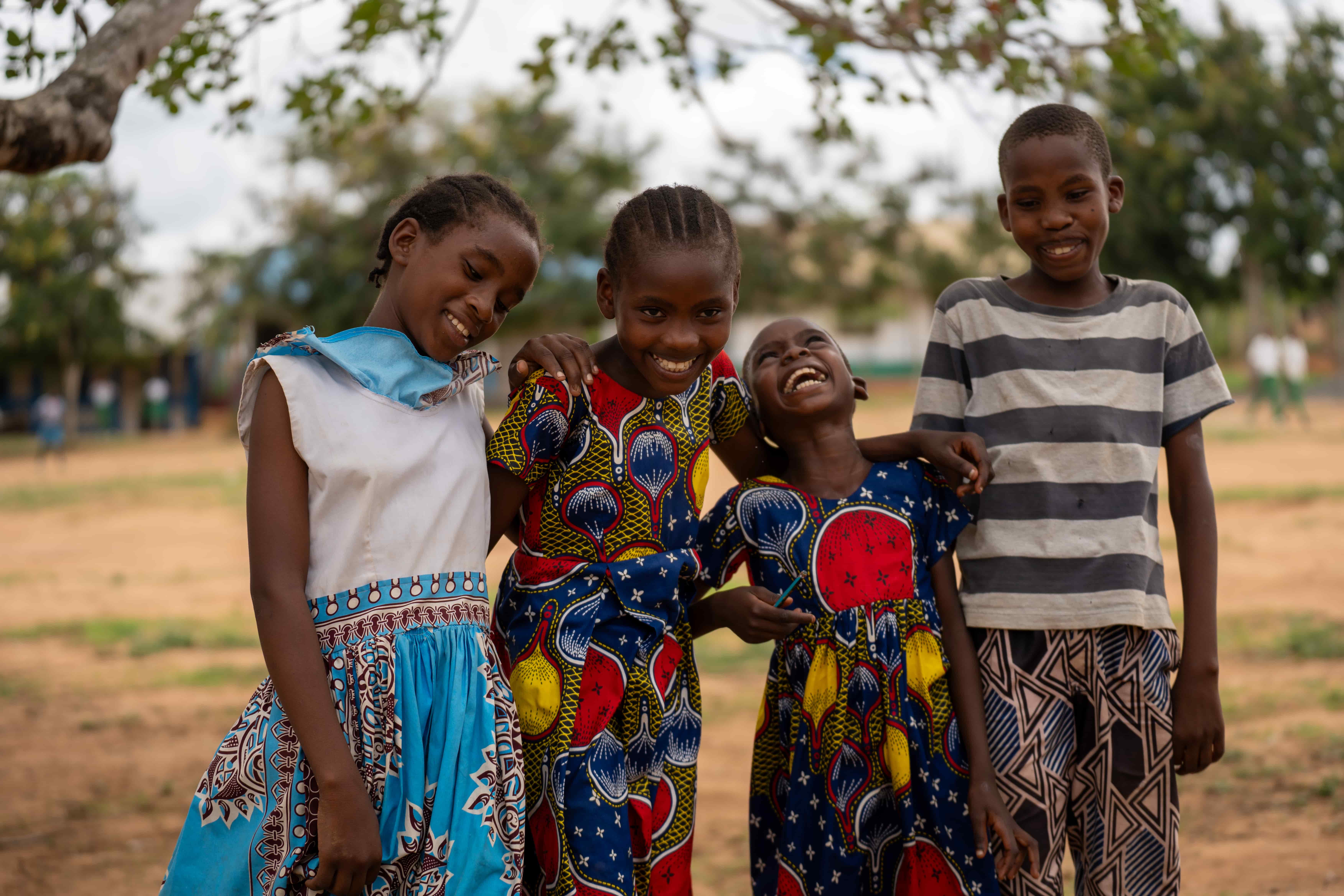 Photo credit: Mark Maina
Manyeso's story is a powerful reminder that childhood blindness does not have to define a child's future.
Across Kenya, thousands of children are still living with vision problems that can be treated or prevented when care is available early enough. Reaching families in remote communities remains essential, particularly where access to specialist eye care is limited.
With the support of generous donors, The Foundation is helping make that possible. In 2025 alone, more than 507,000 people were screened for eye conditions across Kenya, while more than 88,000 eye operations and treatments were performed, including more than 15,700 cataract operations. More than 2,500 community health workers were trained to identify and refer people needing care, helping ensure families like Manyeso's are not left behind.
For Manyeso, the impact is measured not only in restored sight, but in the opportunities her children now have to learn, grow and build brighter futures. Every child deserves that same chance, and thanks to generous supporters, more families across Kenya are gaining access to life-changing eye care.
Read more

Jira's Story

Why early detection of childhood blindness matters

Eye surgery camp restores sight for hundreds in Kilifi, Kenya