
Why early detection of childhood blindness matters

Childhood blindness refers to vision loss that occurs in children, often from birth or during early development. It can be caused by conditions such as cataract, refractive error, infection, or injury.
In many cases, these conditions are treatable.
Globally, 9 out of 10 people who are blind do not need to be. Early detection plays a critical role in ensuring children receive treatment before vision loss becomes permanent.
Why early detection is critical
Vision develops rapidly in the early years of life.
When a child cannot see clearly, it affects how their brain learns to process visual information. If left untreated, even conditions that are medically reversible, such as cataract, can lead to long-term or permanent vision impairment.
Early detection allows for timely intervention. In many cases, this means a straightforward treatment, such as glasses or surgery, that can restore or significantly improve sight.
Delays, however, can reduce the effectiveness of treatment.

Before receiving cataract surgery in Lao PDR, Hao was almost completely blind and unable to experience childhood like other children. Today, with his sight restored, he is thriving at school and serving his village as a monk.
Photo credit: The Fred Hollows Foundation
The impact on learning and development
Good vision is essential for a child’s development.
Children rely on sight to learn, read, and interact with the world around them. Vision loss can affect:
- Education: Difficulty reading, writing, and keeping up in class
- Social development: Challenges engaging with peers
- Confidence: Reduced participation in school and play
Children with untreated vision impairment are more likely to fall behind at school, even when they are capable and motivated.
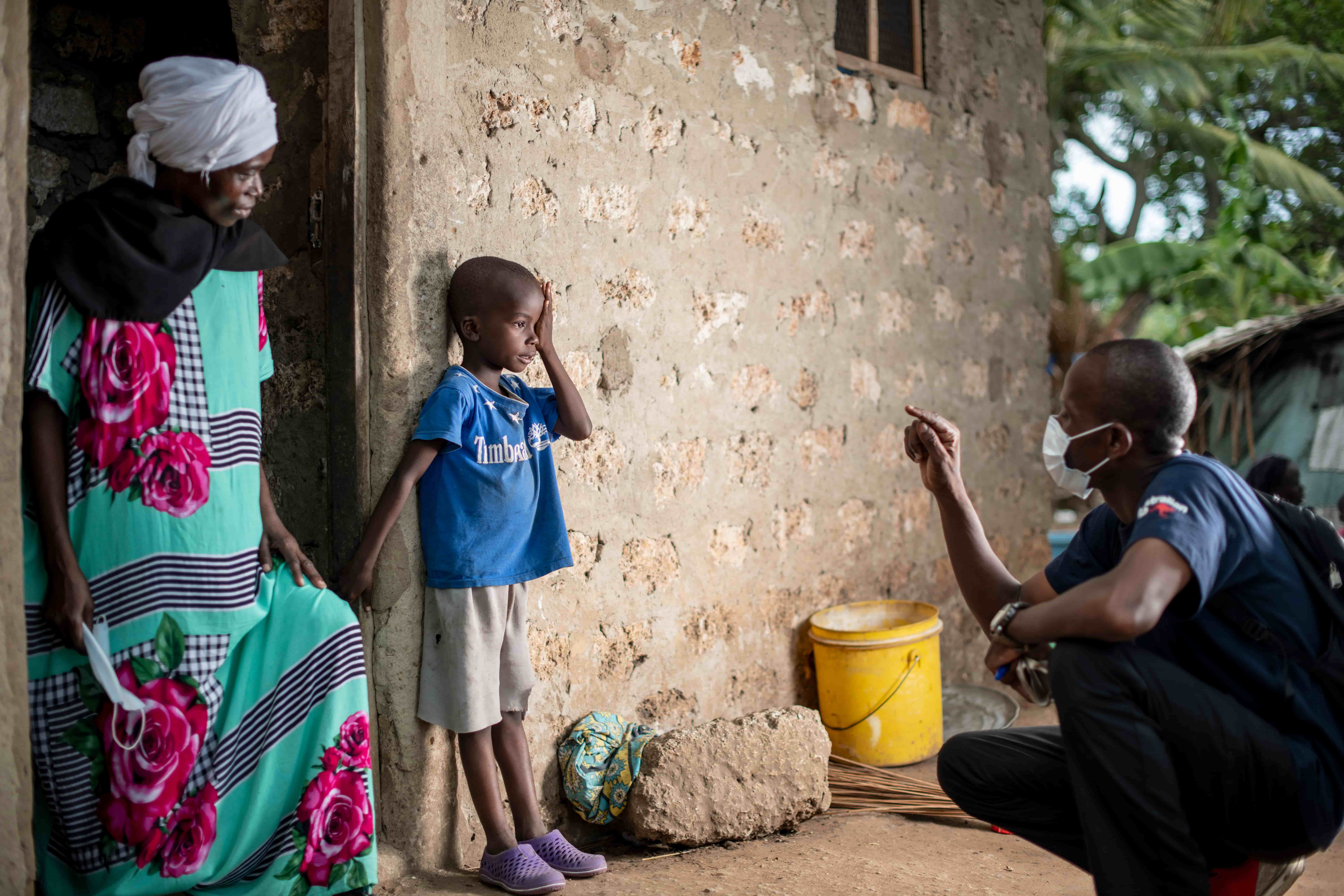
“I wish I could play like other kids.” Before receiving treatment, Mbaruku’s poor vision made it difficult for him to join in at school or play football with his friends. Today, Mbaruku is thriving after treatment and is now able to learn, play and take part in school like other children.
See how Mbaruku’s life has changed one year on.
Photo credit: The Fred Hollows Foundation
Common causes of childhood blindness
Some of the most common causes of childhood vision loss include:
- Cataract – a clouding of the eye’s lens that can develop at birth or in early childhood
- Refractive error – conditions like short-sightedness or long-sightedness that can often be corrected with glasses
- Infections – including trachoma and other preventable diseases
- Injury or trauma
Many of these conditions can be treated effectively if identified early.
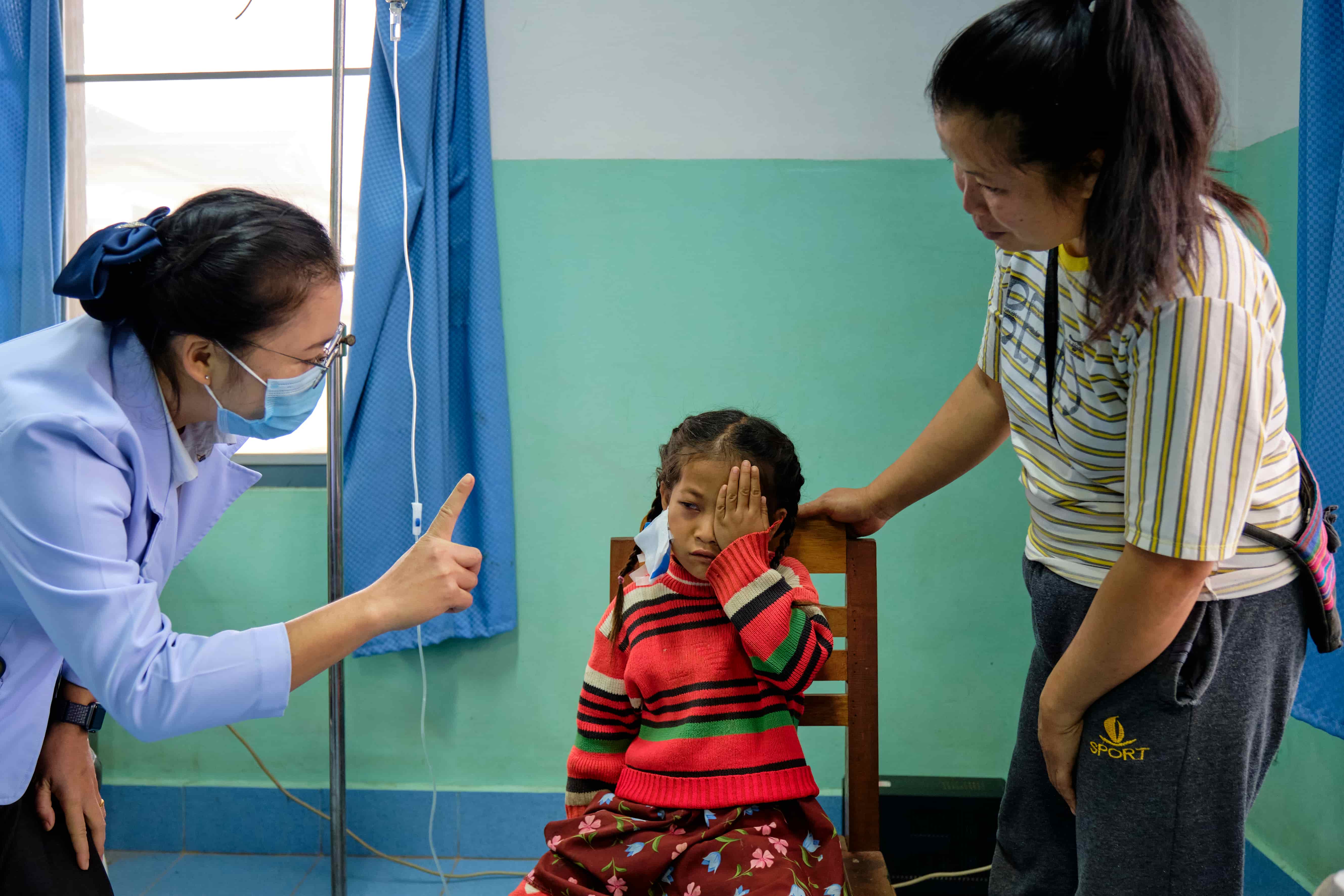
6-year-old Chansouk from Oudomxay, Lao PDR, experienced a traumatic eye injury after an accident involving an explosion near her home, which led to worsening vision and a cataract in her right eye.
Her case shows how childhood blindness can result from preventable injury, and the importance of timely access to specialist eye care in rural communities.
Photo credit: The Fred Hollows Foundation
Barriers to early diagnosis
Despite the availability of treatment, many children are diagnosed too late.
In countries like Rwanda, barriers to early detection can include:
- Availability of and limited access to trained eye health professionals
- Distance to health facilities, particularly in rural areas
- Low awareness that childhood vision problems can be treated
- Low awareness that a child may have a vision problem to begin with
- Financial constraints affecting access to care
Globally, awareness remains a significant challenge. Around one in three people with cataract do not know that treatment is available, which can delay care-seeking for children.
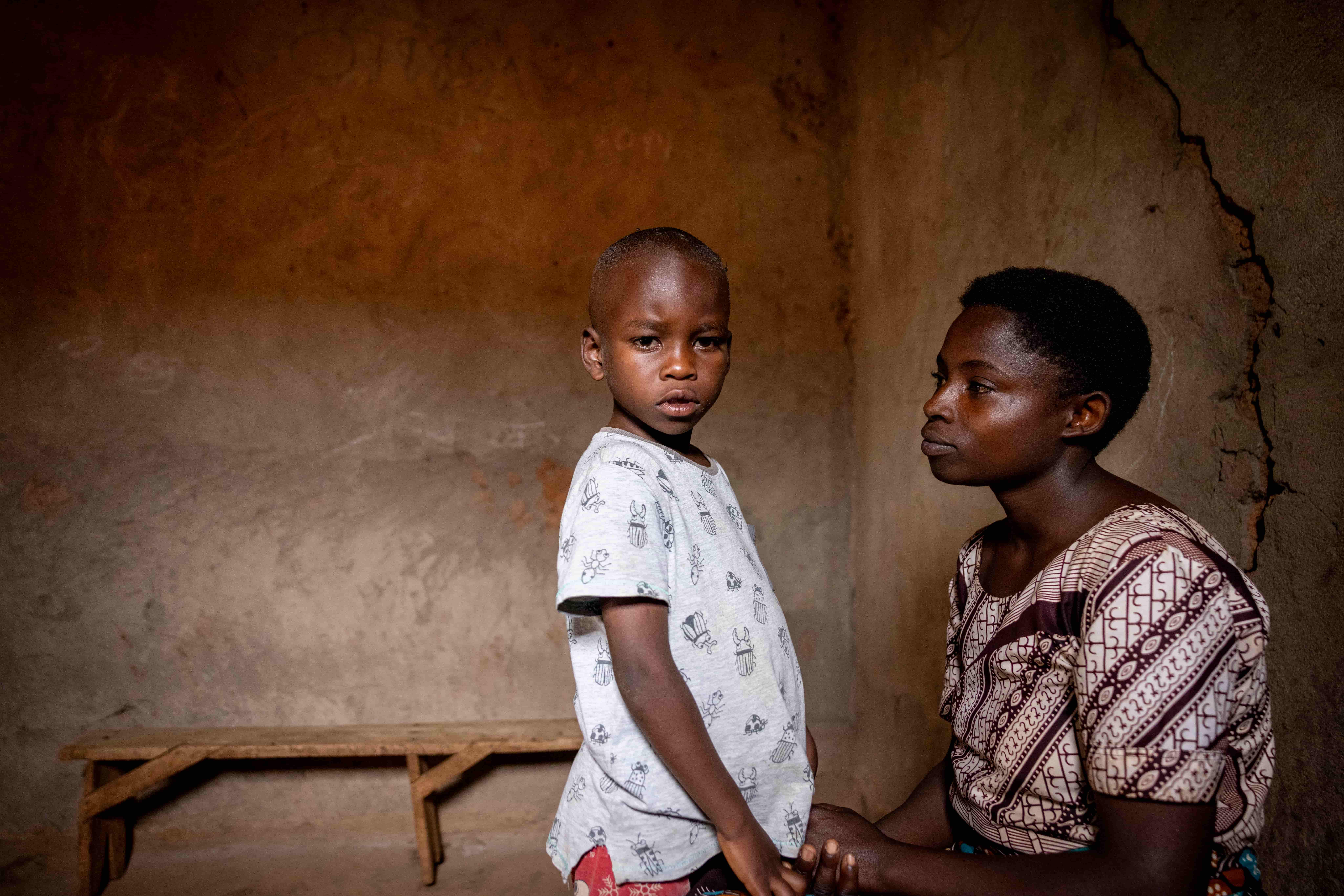 Blaise, a 7-year-old from Kayonza district in Rwanda, was at risk of losing his sight to cataract, with his single mother Redempta struggling to access eye care while working to support her family on a farm. After being identified through a community health screening supported by The Fred Hollows Foundation, Blaise was referred for sight-saving surgery.
Photo credit: Michael Amendolia
The role of screening and community awareness
Early detection depends on strong health systems and community awareness.
Screening programs in schools and communities can identify children with vision problems before they fall behind. Training teachers and community health workers to recognise early signs is also critical.
Common signs that a child may have a vision problem include:
- Holding books very close to the face
- Squinting or tilting the head when looking at something
- Struggling to follow lessons at school
- Sitting close to the TV or not able to see writing on a blackboard
- Copying incorrectly from a blackboard
Identifying these signs early can lead to timely referral and treatment.
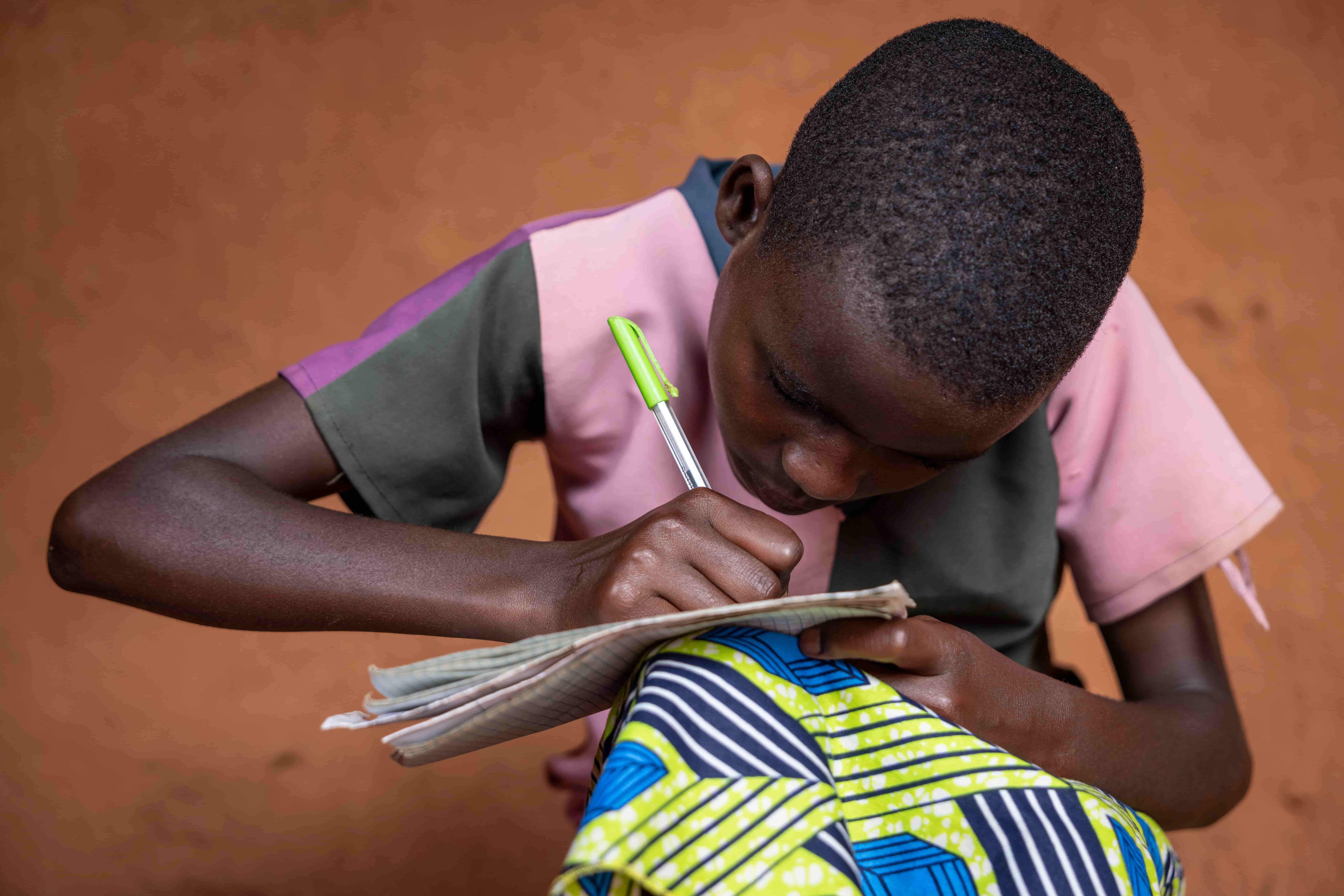
Before receiving sight-saving surgery, Valentine struggled to see clearly at school and often held her work close to her face. Early detection by a trained Community Health Worker helped connect her to treatment.
Photo credit: Michael Amendolia
A solvable problem
Childhood blindness is largely avoidable.
With improved access to screening, timely treatment, and stronger health systems, millions of children could retain or regain their sight.
Investing in early detection not only improves individual outcomes, but also supports education, productivity, and long-term development.
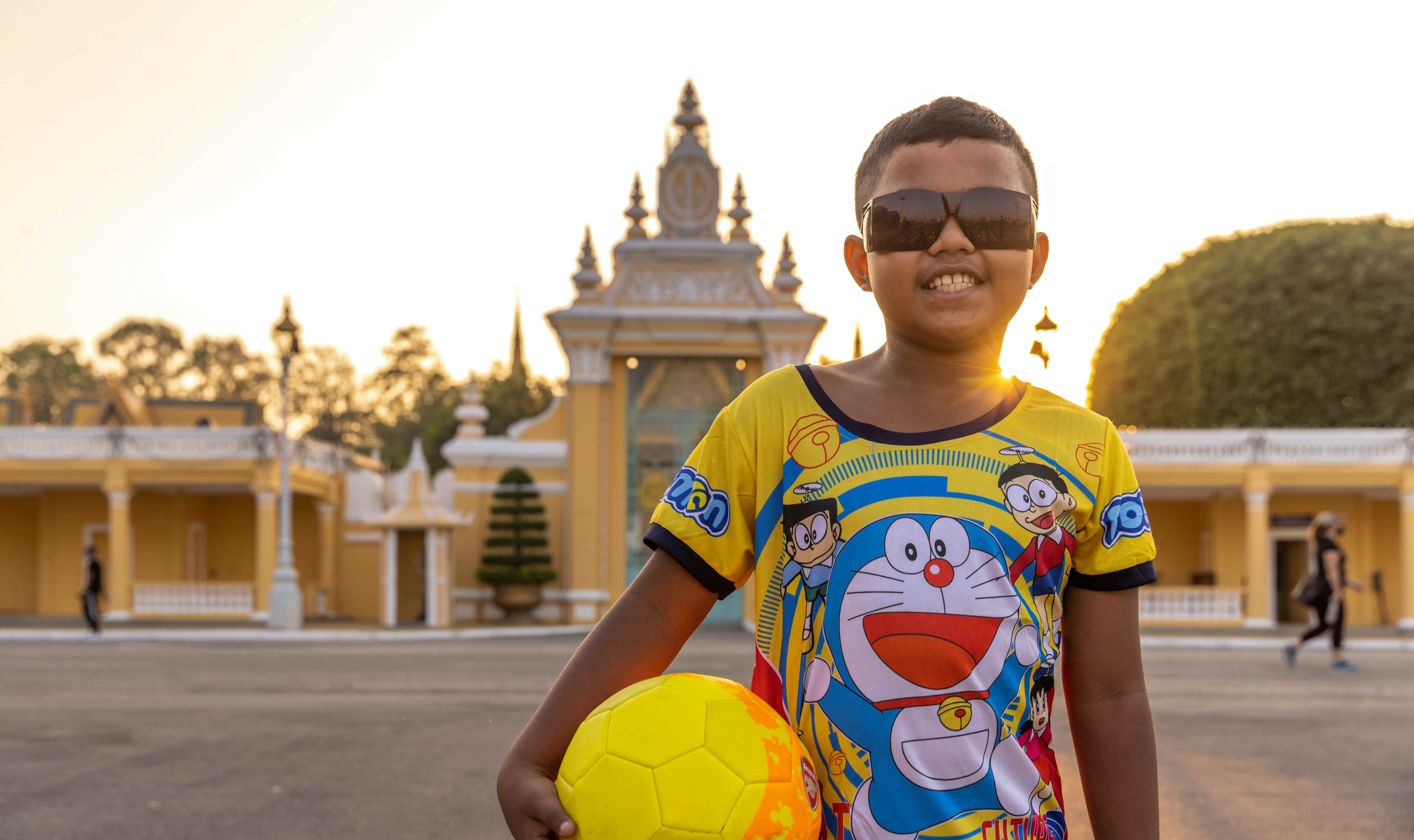
10-year-old Sok from Cambodia, born with cataracts in both eyes, was unable to play or attend school while his single mother struggled to access safe and affordable eye care after costly and unsuccessful treatment attempts. After being referred through a local NGO and seen by an eye doctor trained by The Fred Hollows Foundation, Sok was diagnosed and given the chance for sight-restoring surgery.
Photo credit: The Fred Hollows Foundation
Looking ahead
Expanding access to child eye health services remains a priority for organisations like The Fred Hollows Foundation and their partners.
By strengthening local systems, training eye health workers, and increasing awareness, it is possible to reduce avoidable blindness and ensure more children can reach their full potential.
Support early eye care for children
Donate today to help fund early detection and sight-saving treatment for children at risk of blindness.
Meet the author

Dr May Ho
Dr May Ho is the Optometry and Primary Care Adviser at The Fred Hollows Foundation. She is an Australian registered optometrist with over 30 years of public health and international eye health experience. She has worked extensively in the development and implementation of sustainable eye care and education programs in various countries in the Asia Pacific and Africa regions as well as in Haiti and Moldova. She was involved in the development and delivery of refraction, low vision, primary eye care and training of trainers’ courses for various cadres of health workers including mid-level ophthalmic personnel, optometrists, and ophthalmologists. Her biggest achievement is the introduction of the profession of optometry into Vietnam.
Read more childhood sight stories

The power of sight for mothers and their families

Seeing their futures: Sumaiya and Habiba this International Women’s Day

7 easy tips for parents to care for their children's eye health