Valentine's Story

A childhood on hold
For 12-year-old Valentine from Rwanda, school should be a place to learn, play and build a future. Instead, it has become a daily struggle shaped by vision loss that has affected her for most of her childhood. For the past six years, she has lived with worsening sight that has made even the simplest parts of school life difficult.
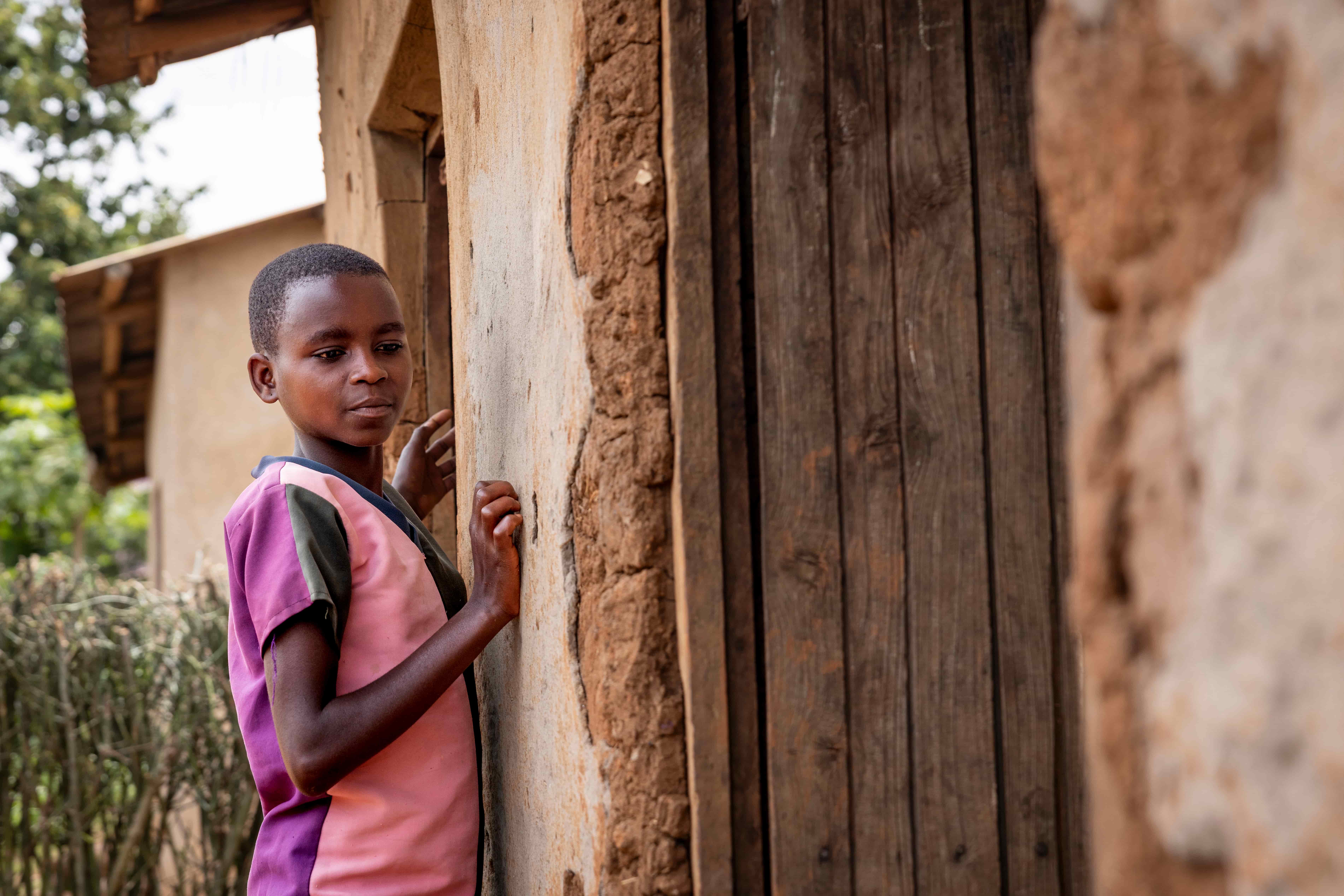 Photo credit: Michael Amendolia
“My biggest challenge is that I can’t read what’s on the blackboard. I feel bad when I’m at school. The other students can write and I can’t. I want to be a normal child and see well,” Valentine says.
In the classroom, she struggles to keep up. At play, she feels excluded and left behind. She describes watching other children with sadness as they move freely while she cannot.
“My heart aches with sadness as I watch other children write effortlessly – their eyes clear and focused, while I struggle to read and write,” she says. “It’s painful to see the play freely, laughing and running without fear while I stumble and fall, feeling left behind and broken.”
Even in games with other children, she is often blamed when things go wrong.
“Every time I’m playing, my team-mates blame me for losing. They place the blame on me.”
For Valentine, childhood has become a series of barriers created not by ability, but by untreated cataract and poor vision.
A mother’s worry
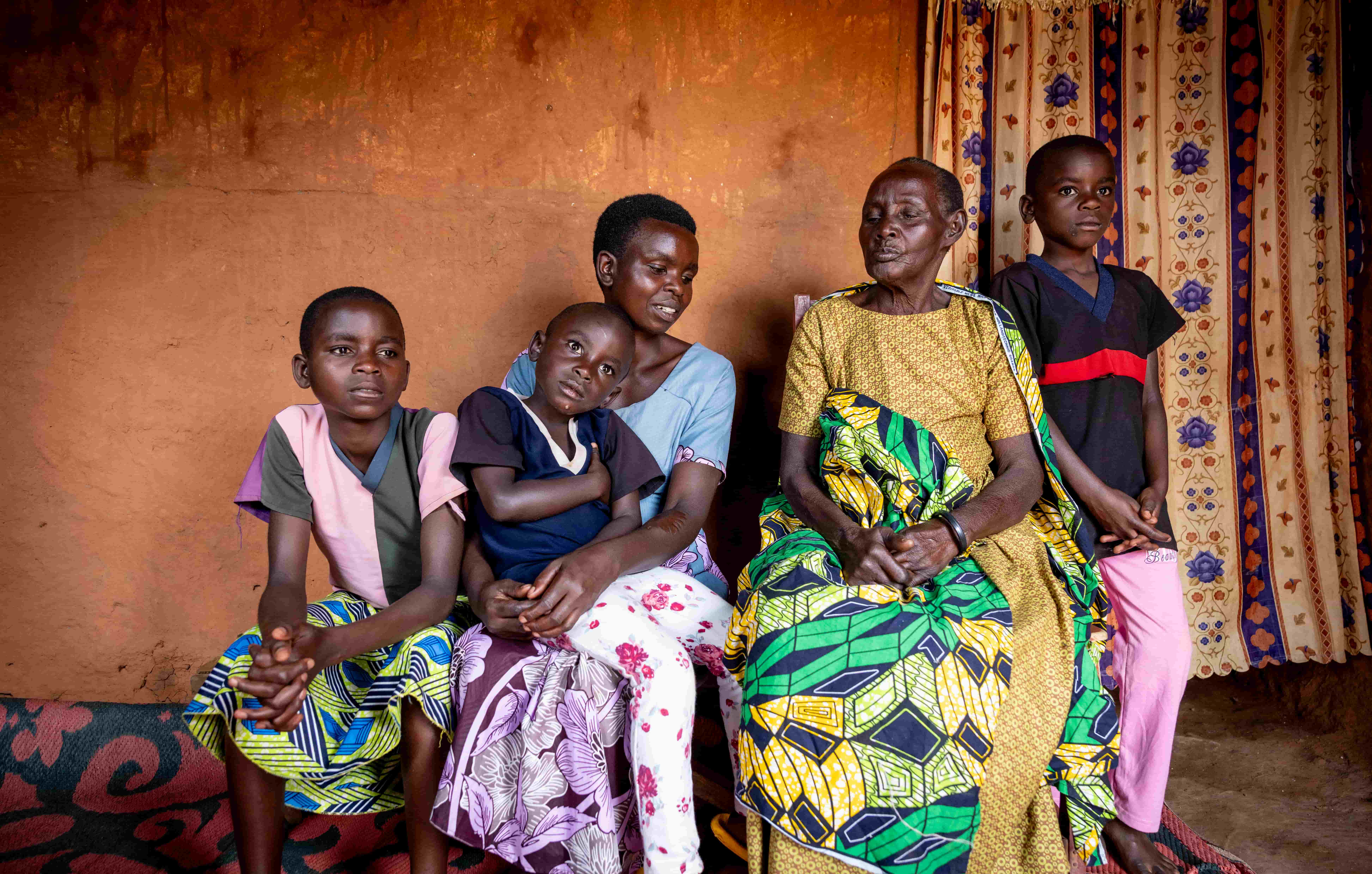 Photo credit: Michael Amendolia
At home, Valentine’s mother Claudine has carried the emotional and financial pressure of her daughter’s condition for years. She first noticed something was wrong when Valentine was just five years old, during a simple moment inside their home.
Claudine asked her to fetch a glass of water, but Valentine could not find it. That moment raised immediate concern about her daughter’s eyesight and future.
“I said: ‘Are you able to see?’ Then Valentine said: ‘I can’t see properly’. That’s when I noticed there has to be a problem with her eyes and her future,” Claudine says.
As a single parent in Rwanda, Claudine already struggled to meet basic needs, and treatment for childhood cataract was far beyond her financial reach. Her situation became even more complex when a village leader offered her housing, removing rent but adding new responsibilities. In exchange for a place to live, Claudine was asked to care for an older woman named Athanasie, who is also blind and has no family support.
“It’s like I have to be in two places at once,” she says.
Alongside caring for both her daughter and Athanasie, Claudine also lived with constant fear about their safety and future independence.
Barriers to eye care in Rwanda
Access to eye care in Rwanda is improving, but significant barriers remain for families living in rural and low-income communities. While cataract is a treatable condition and one of the leading causes of blindness, many people still cannot access timely diagnosis or surgery.
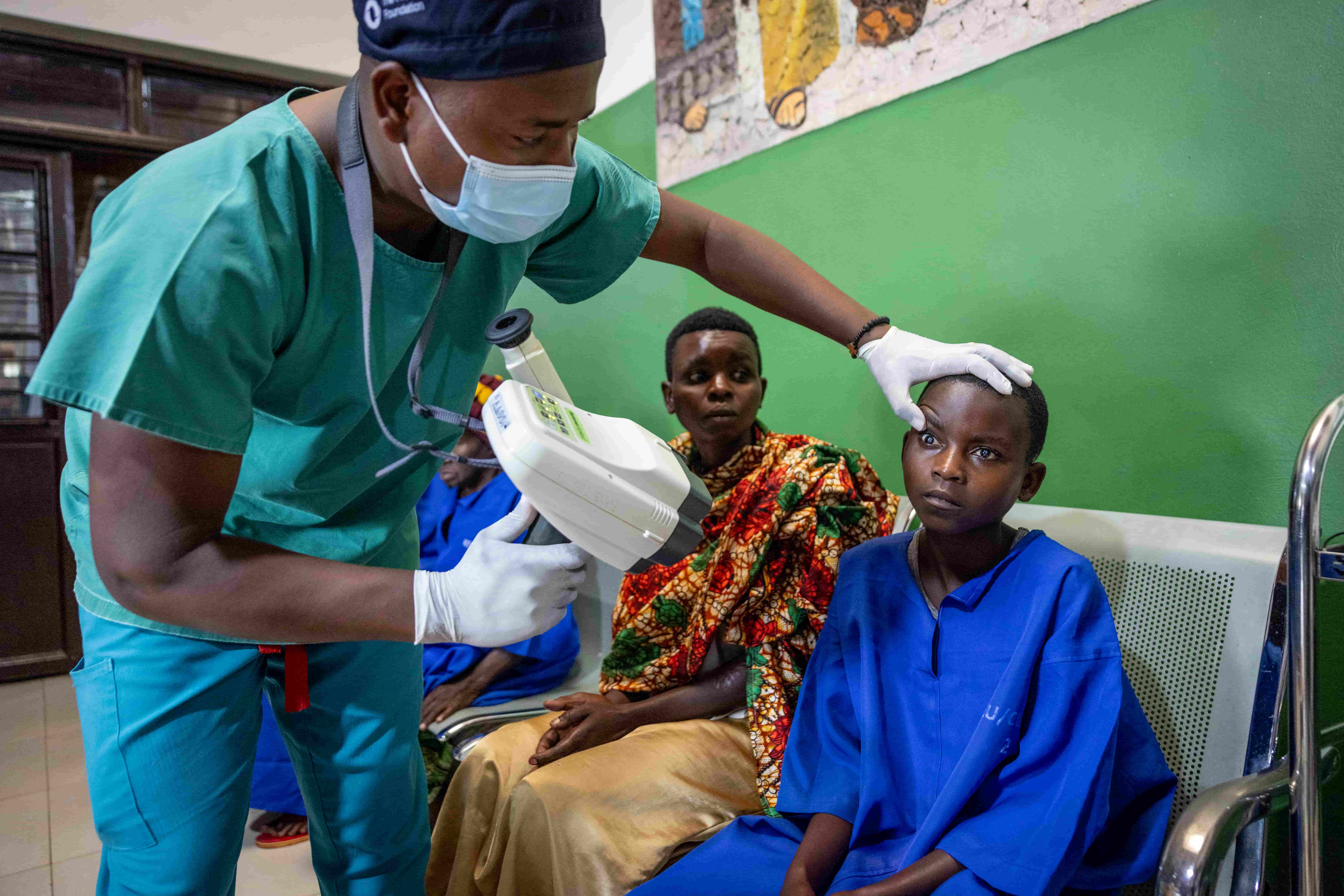 Photo credit: Michael Amendolia
Distance to specialist eye hospitals, transport costs, time away from work and the price of treatment all create delays in seeking care. For families like Claudine’s, these challenges often mean children continue to live with avoidable vision loss.
Without early treatment, conditions such as cataract can significantly affect a child’s ability to learn, participate in school and build independence.
The moment everything changed
The turning point for Valentine and her family came unexpectedly in their village. While she was playing with other children, someone noticed that she kept falling and raised the concern with their mother. That mother happened to be Frida, a Community Health Worker trained through primary eye health programs supported by The Fred Hollows Foundation.
Frida visited the family, assessed both Valentine and Athanasie, and identified that they required specialist eye care. With support from The Fred Hollows Foundation and the Australian NGO Cooperation Program (ANCP), both were prioritised for cataract surgery at Kabgayi Eye Unit.
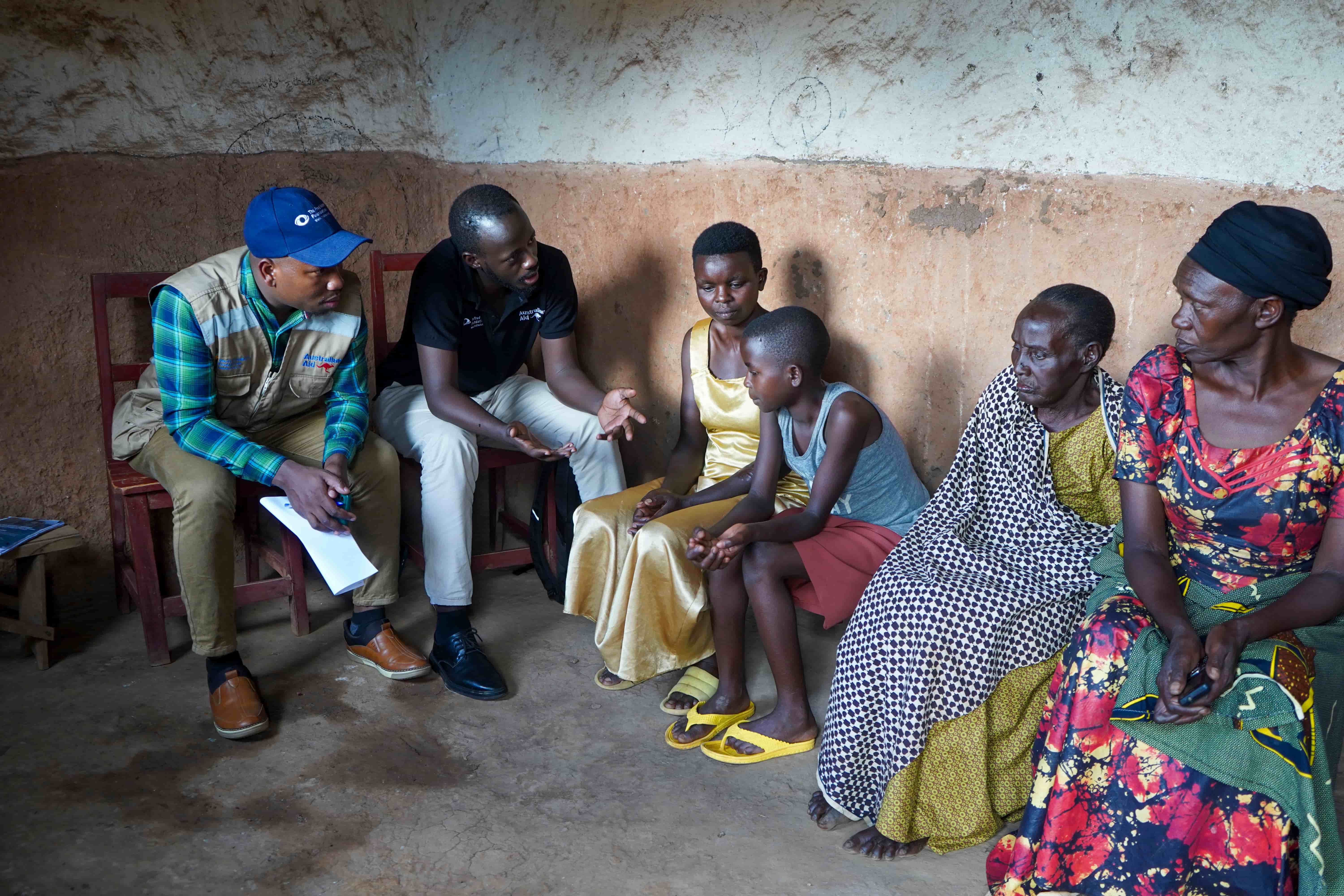 Photo credit: Michael Amendolia
For Claudine, the referral represented hope after years of uncertainty and fear for her daughter’s safety and future.
Cataract surgery and a new beginning
At Kabgayi Eye Unit, ophthalmologist Dr Tuyisabe Theophile prepared Valentine for cataract surgery on both eyes. The procedure was completed successfully, and within a short time, the impact became clear.
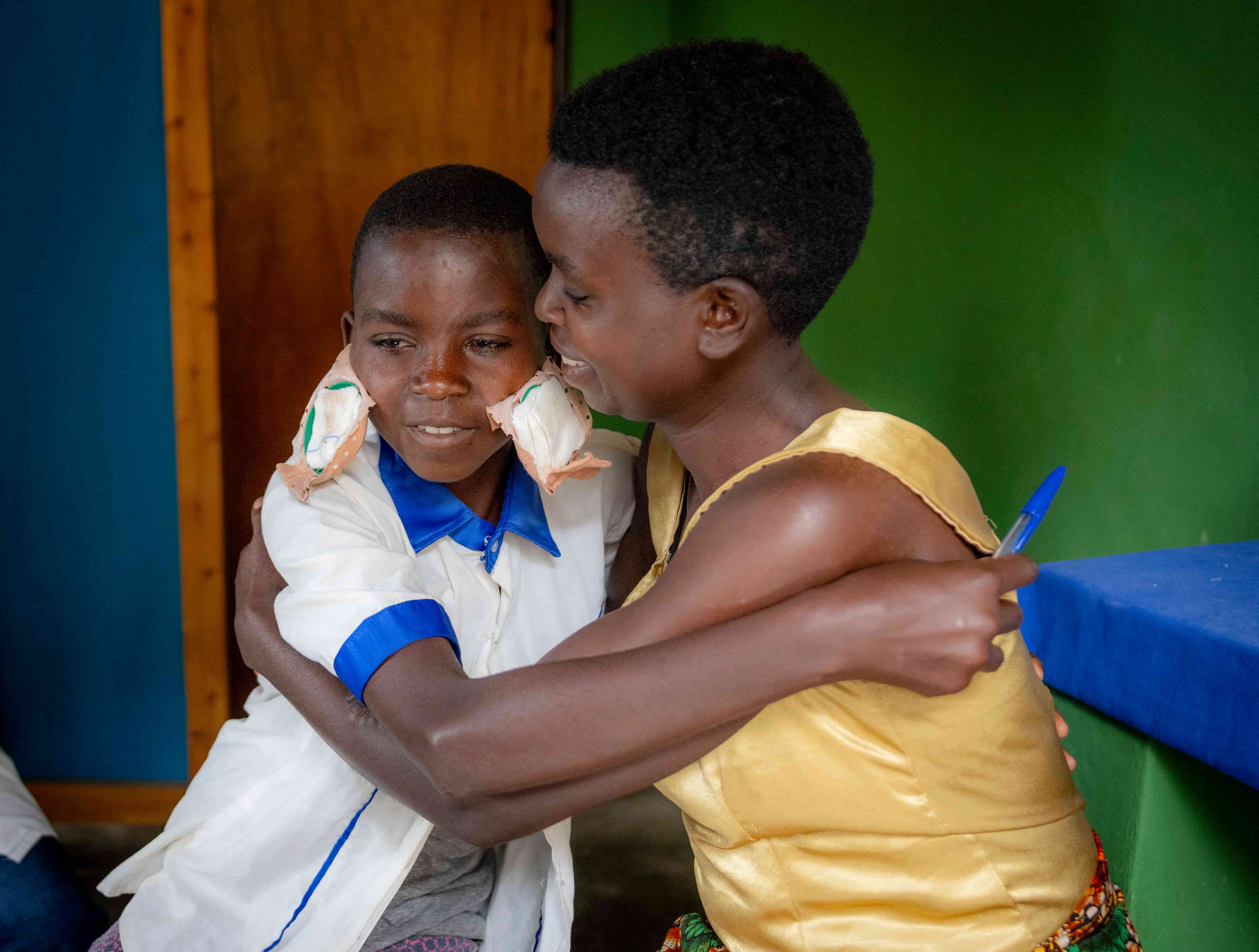 Photo credit: Michael Amendolia
When the eye patches were removed the following day, Valentine was smiling as her vision returned.
“I’m going to play and I’m not going to be isolated by my friends,” she says.
The moment marked a major turning point not only for Valentine, but also for her household. For the first time in years, she could see clearly enough to return to school and rejoin her peers without fear of exclusion.
A ripple effect for the whole family
The impact of restored sight extended beyond Valentine. Athanasie also regained vision, bringing increased confidence and independence. For Claudine, this change transformed her daily reality and eased the pressure she had carried alone.
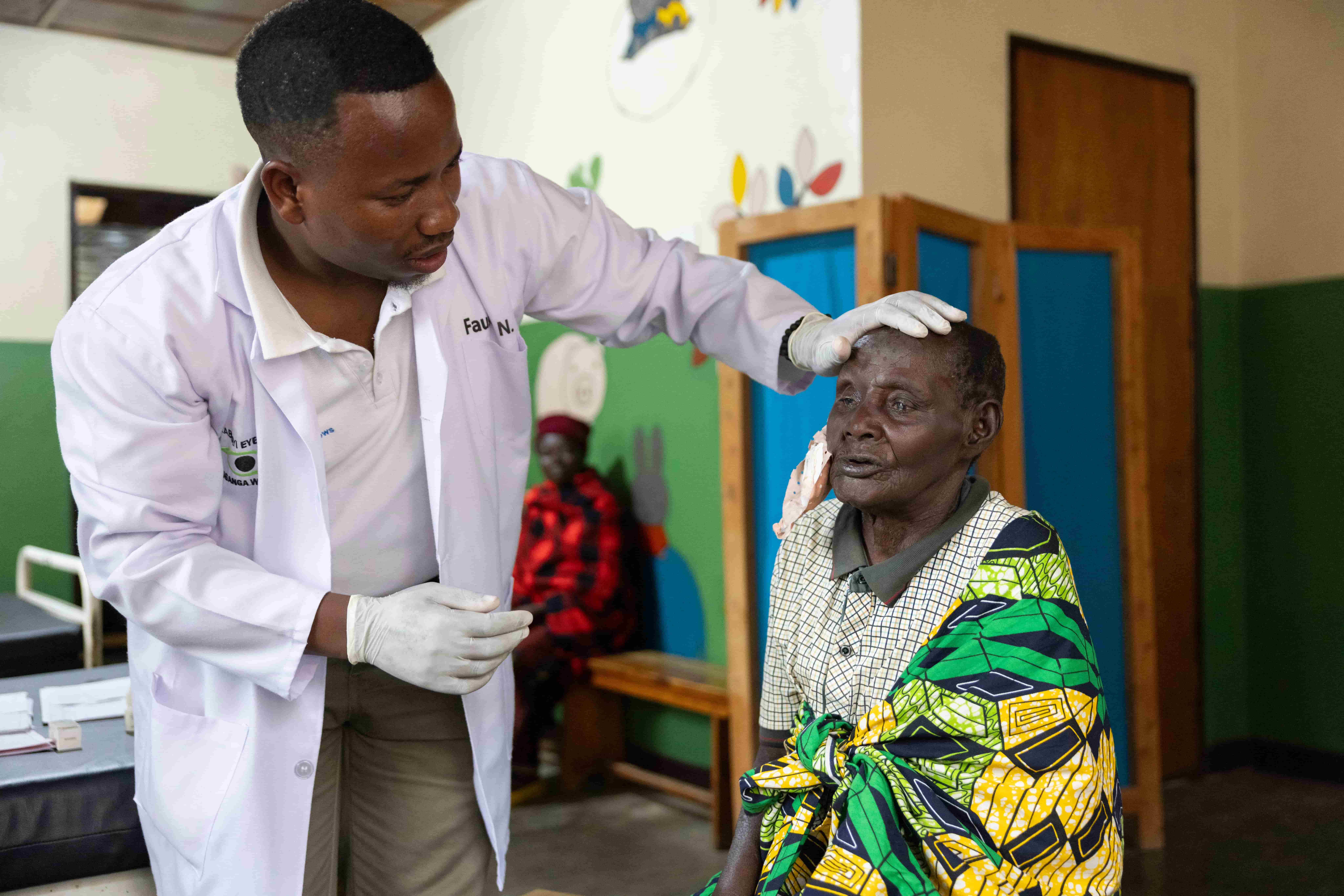 Photo credit: Michael Amendolia
With both Valentine and Athanasie now able to see, Claudine has been able to return to work at an oil plant and rebuild financial stability for her family. She describes seeing the change in both of them as life changing.
“The way she is hugging the neighbours, for sure, I can say God bless. This is going to change my life,” she says.
Bringing eye care closer to home in Rwanda
Valentine’s story reflects the broader work being done to strengthen eye health services in Rwanda. Through partnerships with local health systems, The Fred Hollows Foundation supports training for Community Health Workers, hospital capacity building and surgical training for eye health professionals like Dr Theophile.
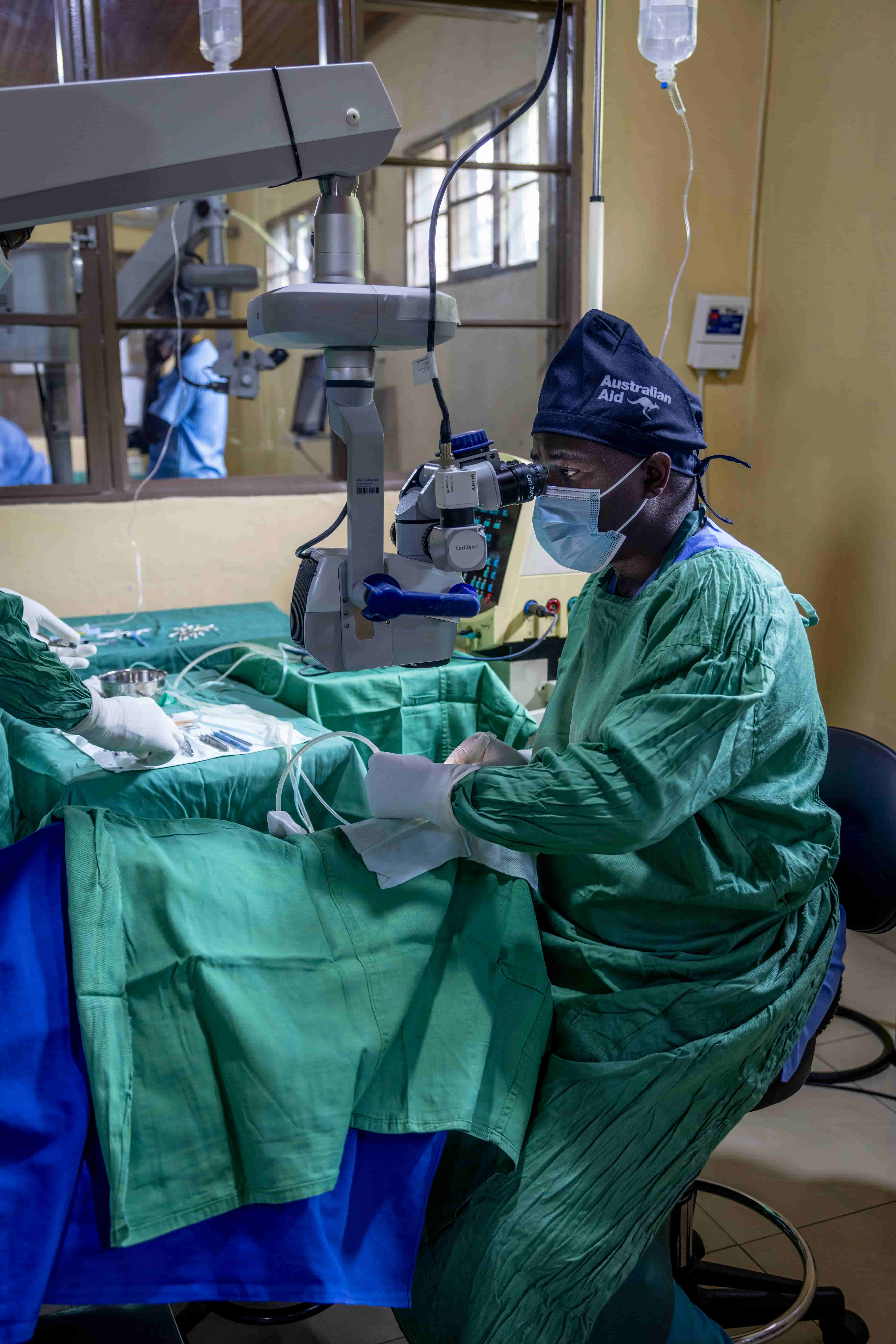 Photo credit: Michael Amendolia
These efforts aim to improve early detection of eye conditions such as cataract and bring essential eye care closer to rural communities, where access has traditionally been limited.
A future full of possibility
Restoring sight has a direct impact on a child’s education, wellbeing and future opportunities. For Valentine, cataract surgery has meant a return to school, renewed confidence and the chance to participate fully in learning and play.
Her story also reflects a much larger need. Across Rwanda and similar settings, many children are still waiting for treatment that could restore their sight and change the course of their lives.
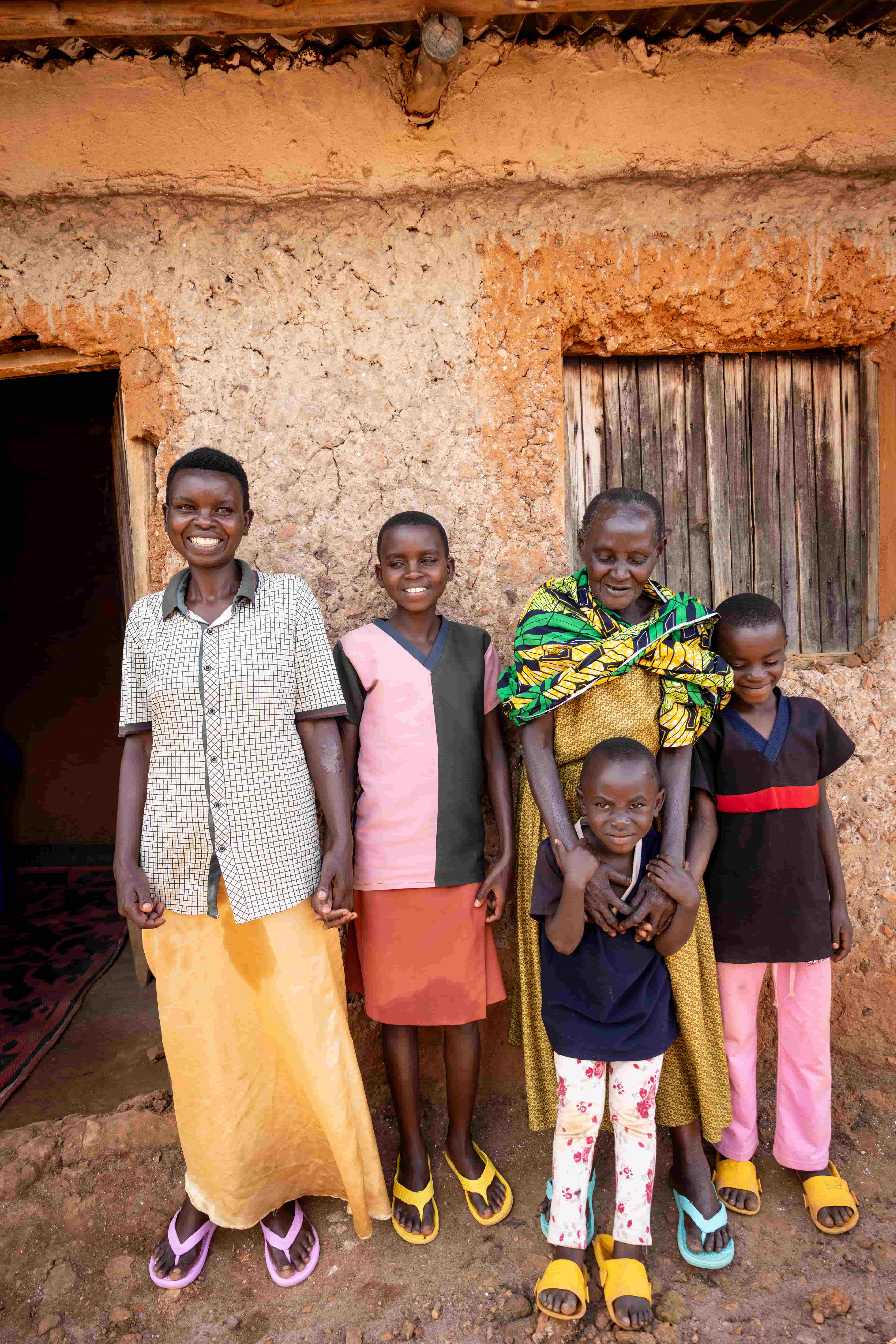 Photo credit: Michael Amendolia
Fred Hollows believed that no one should live in avoidable blindness. Valentine’s experience shows what is possible when communities, health workers and supporters come together to make eye care accessible.
With continued support, more children like Valentine can receive the treatment they need to see again and reach their full potential.
Help restore sight for children like Valentine. Make a tax-deductible gift today, or become a Visionary.
Read more about our work in Rwanda

Blaise's Story

Eric's Story

Ending cataract blindness in Rwanda: Building a national eye health system by 2040