
What does one year of impact really look like?

The Fred Hollows Foundation’s 2025 Annual Report captures a year of growing global impact, major public health milestones, and continued progress toward ending avoidable blindness.
Across 25 countries, The Foundation worked with local partners, governments and communities to help restore sight, strengthen eye health systems and bring care closer to the people who need it most.
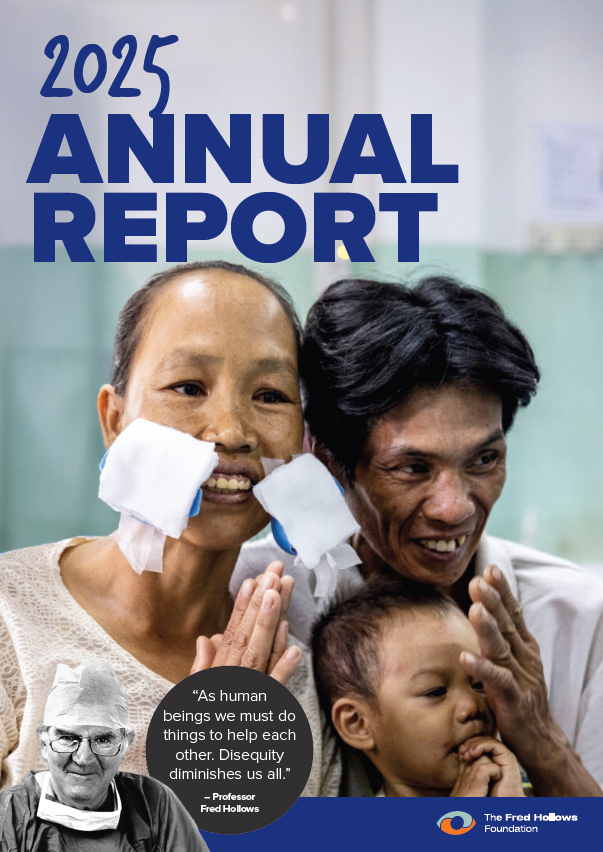
Read the full 2025 Annual Report here.
In 2025:
- 511,623 eye operations and treatments were performed;
- more than 6.1 million people were screened for eye conditions;
- 12.9 million people were treated with antibiotics for trachoma; and
- 2,351,700 years of sight were saved, the highest impact in The Foundation’s history.
These results reflect more than service delivery alone. They represent long-term investment in local health workers, stronger health systems, community outreach and sustainable eye care programs designed to create lasting change.
Restoring sight at scale
Around the world, avoidable blindness and vision loss continue to affect millions of people, particularly in low and middle-income countries where access to healthcare can be limited.
Yet more than 90 percent of vision loss is preventable or treatable.
In 2025, The Foundation and its partners performed:
- 212,216 cataract operations;
- 31,258 surgeries to treat trachoma;
- 10,472 diabetic retinopathy treatments; and
- 257,677 other sight-saving or sight-improving interventions.
For 12-year-old Bright from Rwanda, cataract surgery helped restore opportunities that had begun slipping out of reach.
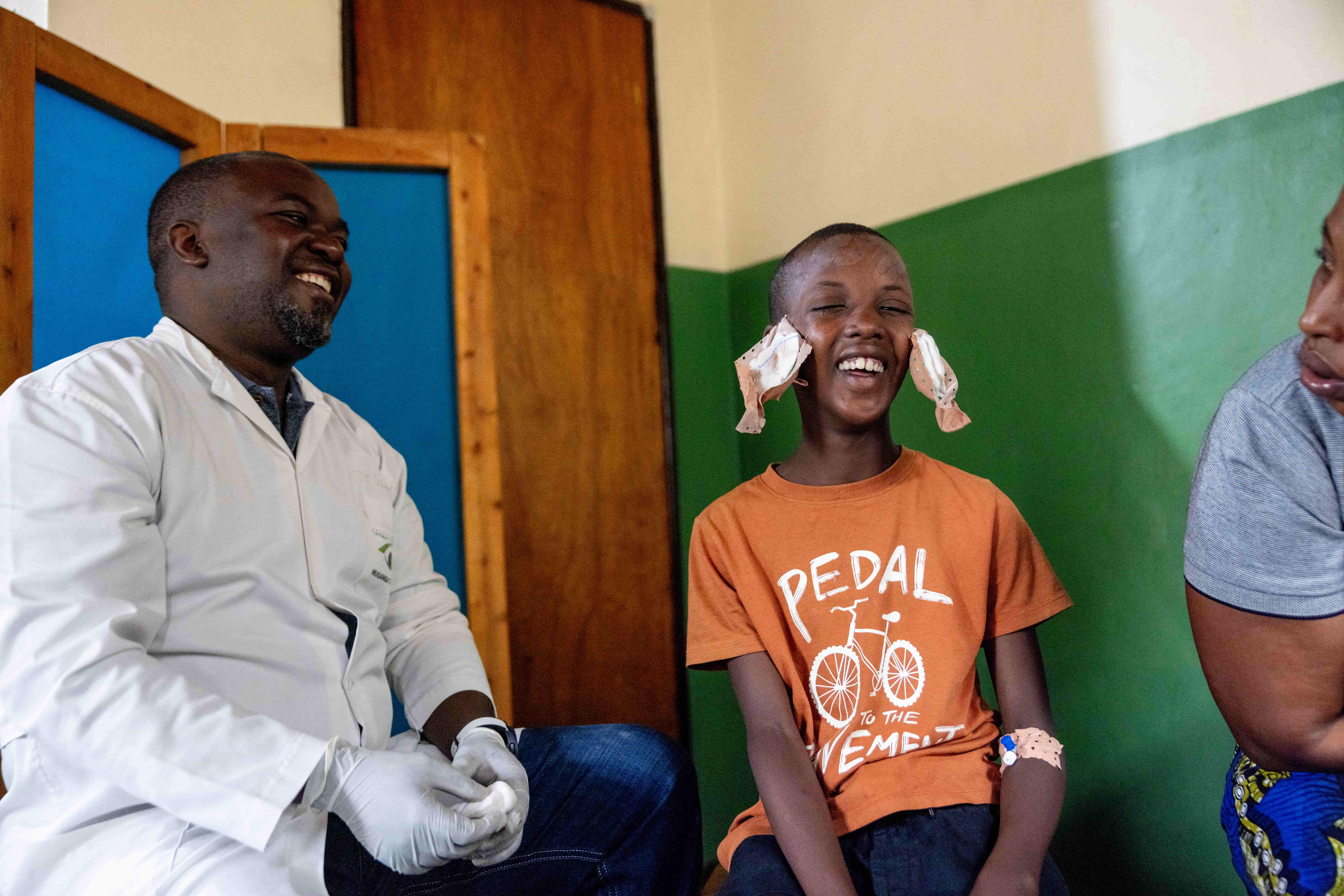 Photo credit: Michael Amendolia
When Bright started losing his vision as a child, he struggled to see the blackboard at school. After being screened by a community outreach team supported by The Foundation, he was referred for surgery at Kabgayi Eye Unit.
When the eye patches were removed the next day, Bright could see clearly again.
Bright had always dreamed of becoming a pilot. But after meeting Dr Theophile, he began reconsidering his future.
“When I met the doctor, I thought it would be a really cool thing to do,” he said. “It made me think about changing my mind actually — because I think it’s a good thing to do for people.”
Strengthening local eye health systems
Alongside direct service delivery, The Foundation continued investing in the people and systems needed to deliver sustainable eye care into the future.
In 2025:
- 48,994 people were trained, including surgeons, teachers, community health workers and clinic support staff;
- 805 medical facilities, training centres and schools were built, renovated or equipped; and
- 2.49 million school children and community members were educated in eye health and sanitation.
In Lao PDR, The Foundation is helping expand access to eye care in remote communities while supporting the next generation of local ophthalmologists.
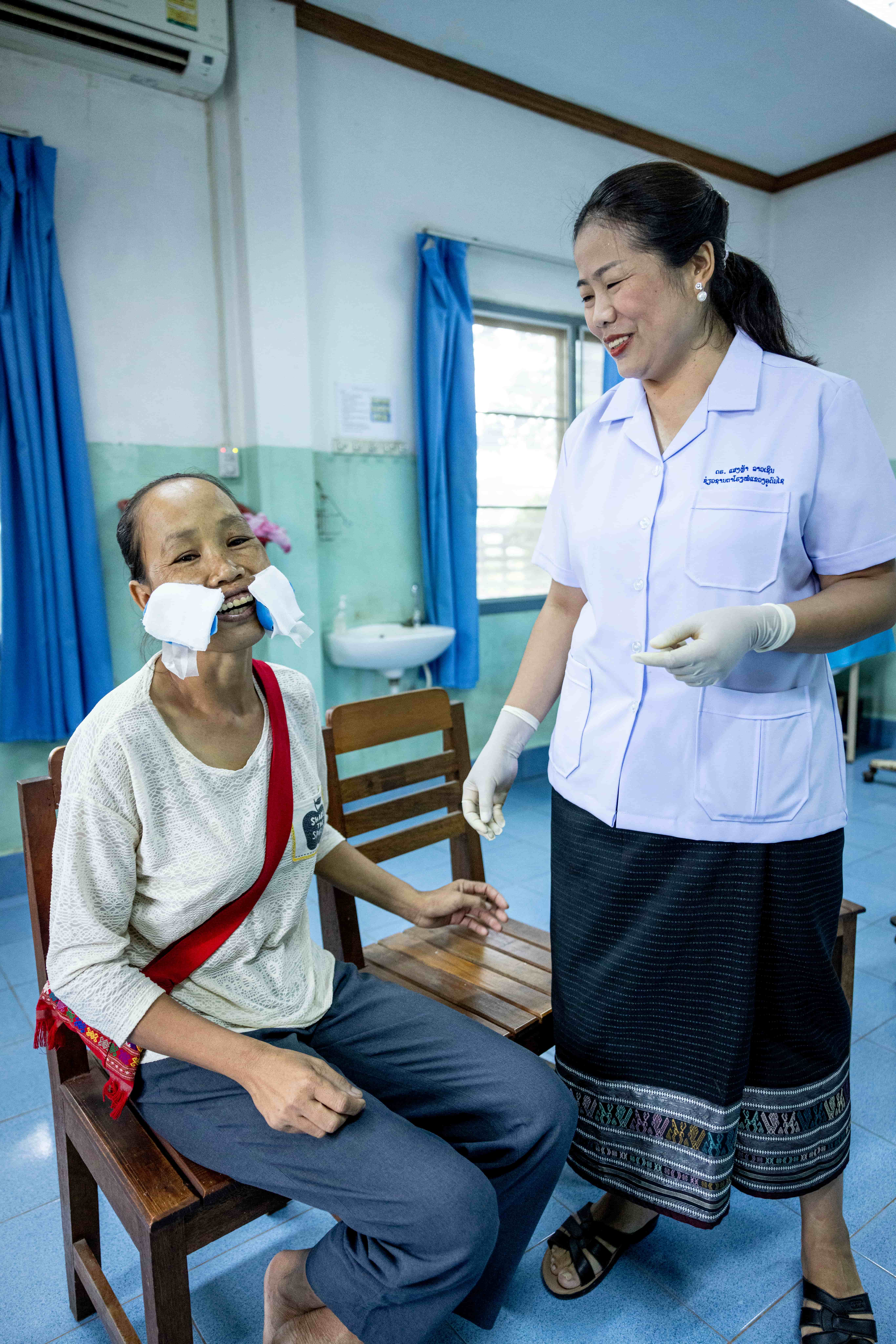 Photo credit: Michael Amendolia
For three years, 38-year-old Lien from Oudomxay Province lived with blurry vision that made it difficult to work as a farmer or care for her young son. When an outreach team visited her village, she was diagnosed with cataract by Dr Senglar Laosern, one of the few female ophthalmologists in the province.
After surgery supported by The Foundation, Lien’s sight was restored.
“Now I feel like I have my life back,” she said.
Her story reflects the importance of investing in local expertise and bringing eye care closer to home.
Supporting women and girls through eye health
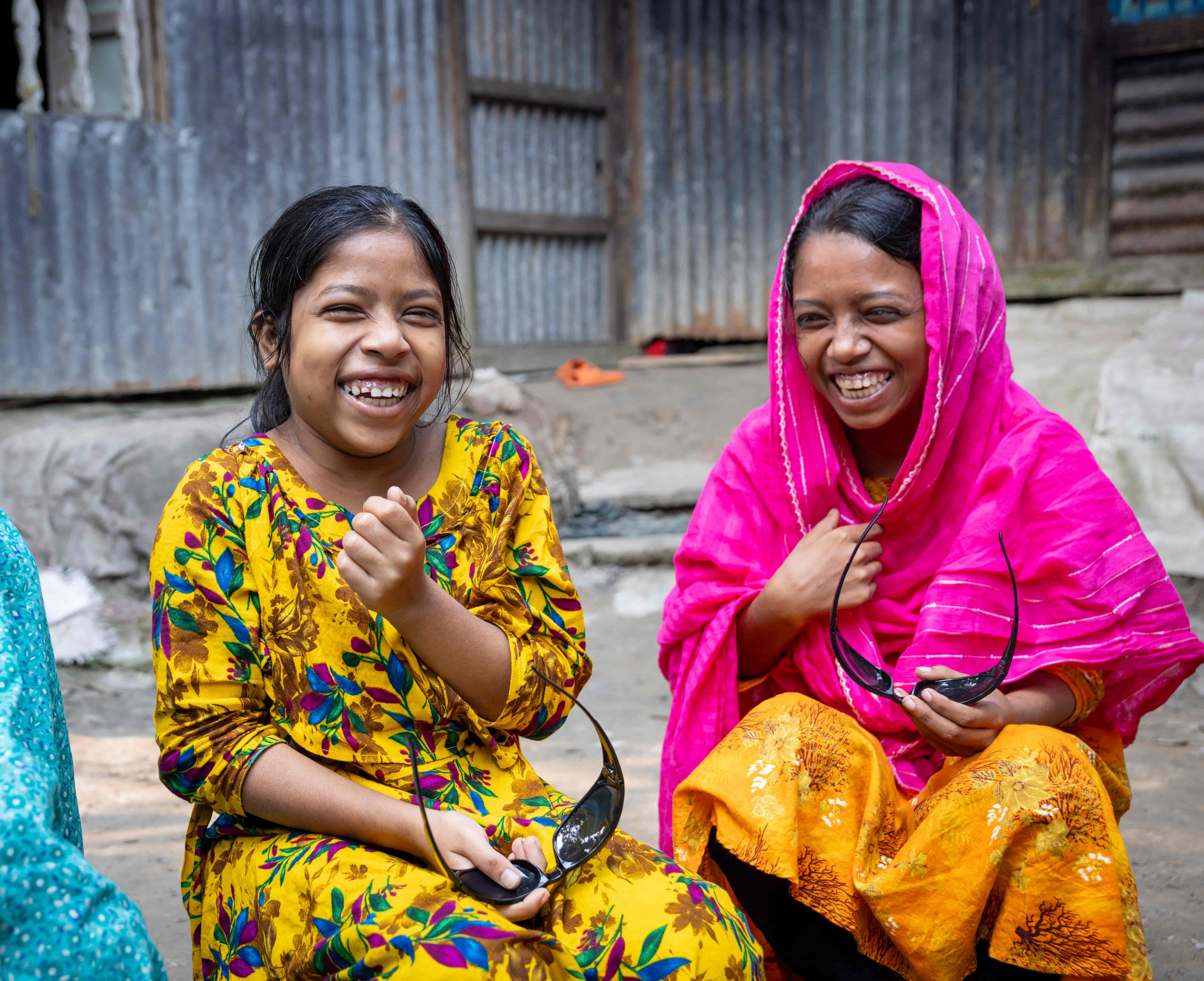 Photo credit: Michael Amendolia
Women and girls continue to face disproportionate barriers to accessing eye care globally. They are also more likely to take on unpaid caregiving responsibilities when family members experience vision loss.
Gender equity remains a central focus across The Foundation’s programs.
In 2025:
- 56 percent of eye operations and treatments were performed on women or girls;
- 74 percent of trachoma surgeries were performed on women or girls;
- 58 percent of glasses distributed went to women or girls; and
- 60 percent of years of sight saved were for women and girls.
Improving access to eye care can help women continue working, support their families, participate in education and remain connected to their communities.
Continuing Fred’s legacy in Australia
Professor Fred Hollows spent decades advocating for better eye health outcomes for Aboriginal and Torres Strait Islander Peoples. That work continues today through community-led programs across Australia.
On Palm Island in North Queensland, proud Bwgcolman woman Jeriah Coutts works as the Eye Health Coordinator at the Bwgcolman Healing Service.
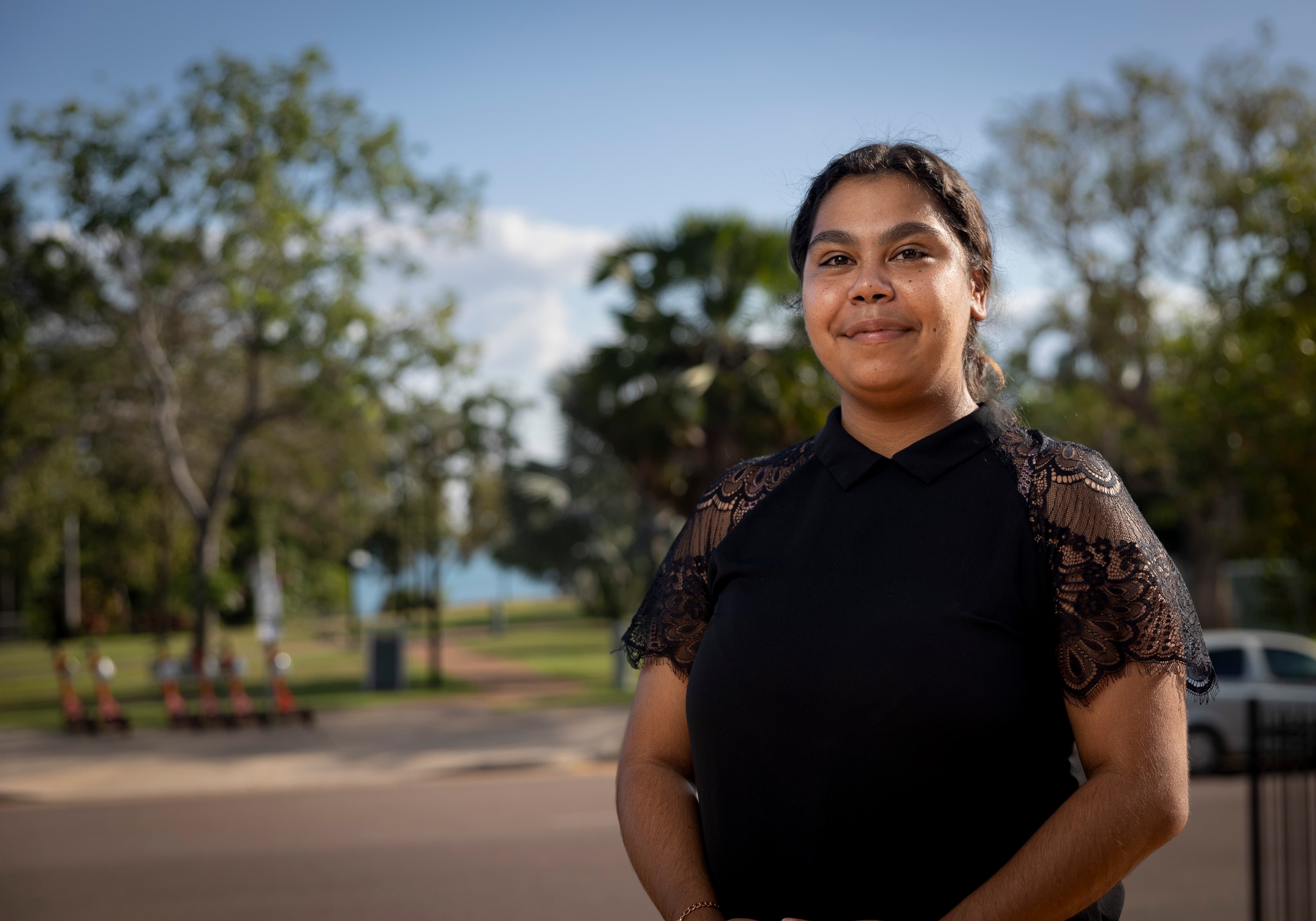 Photo credit: Michael Amendolia
For five years, Jeriah has helped community members access specialist eye care while building strong relationships with local health services and hospitals.
“I’m lucky to do what I love, on the island that raised me,” she said.
“It’s more than a job. It’s about walking with my mob through their health journey.”
Supported by The Foundation and partners, Jeriah’s work is helping improve access to culturally connected eye care in remote communities.
Elevating eye health on the global stage
In 2025, The Foundation also helped launch one of the most significant pieces of global evidence on the value of eye health.
Released at the United Nations General Assembly alongside the International Agency for the Prevention of Blindness and Seva Foundation, the Value of Vision report found that every US$1 invested in eye health generates US$28 in social and economic benefits.
The report showed that a US$7.1 billion investment in affordable eye care interventions could reduce avoidable blindness by 25 percent and unlock US$199 billion in returns by 2030 across 111 low and middle-income countries.
The benefits extend far beyond vision, including improved access to education, increased employment opportunities, reduced caregiving responsibilities and better mental wellbeing.
Looking ahead
By 2050, an estimated 1.7 billion people are expected to experience some form of vision loss.
The need for accessible, affordable eye care continues to grow, but so does the opportunity to create lasting change.
Across 25 countries, The Fred Hollows Foundation will continue working with local partners and communities to help ensure more people can access the eye care they need, closer to home.
Read the full Annual Report
Explore the stories, milestones and global impact behind The Fred Hollows Foundation’s work in 2025.
Read more about our impact

A year of eye health wins, made possible by you

Ending cataract blindness in Rwanda: Building a national eye health system by 2040

Eye surgery camp restores sight for hundreds in Kilifi, Kenya