
A year of eye health wins, made possible by you

We want to take a moment to celebrate your impact.
Because of your support, more people are seeing their world clearly again. More health workers are being trained. And more communities are accessing eye care closer to home than ever before.
This past year has been about more than treating eye disease. It has been about strengthening systems, building local expertise, and ensuring eye care can reach people wherever they live.
Across countries and communities, your impact is clear.
Building the workforce to end avoidable blindness
In Eritrea, your support is helping train the next generation of eye health specialists through a new ophthalmology training program. Nine students are already enrolled, gaining hands-on hospital experience that will equip them to deliver sight-saving care long into the future.
This is how lasting change begins, by investing in people, not just programs.
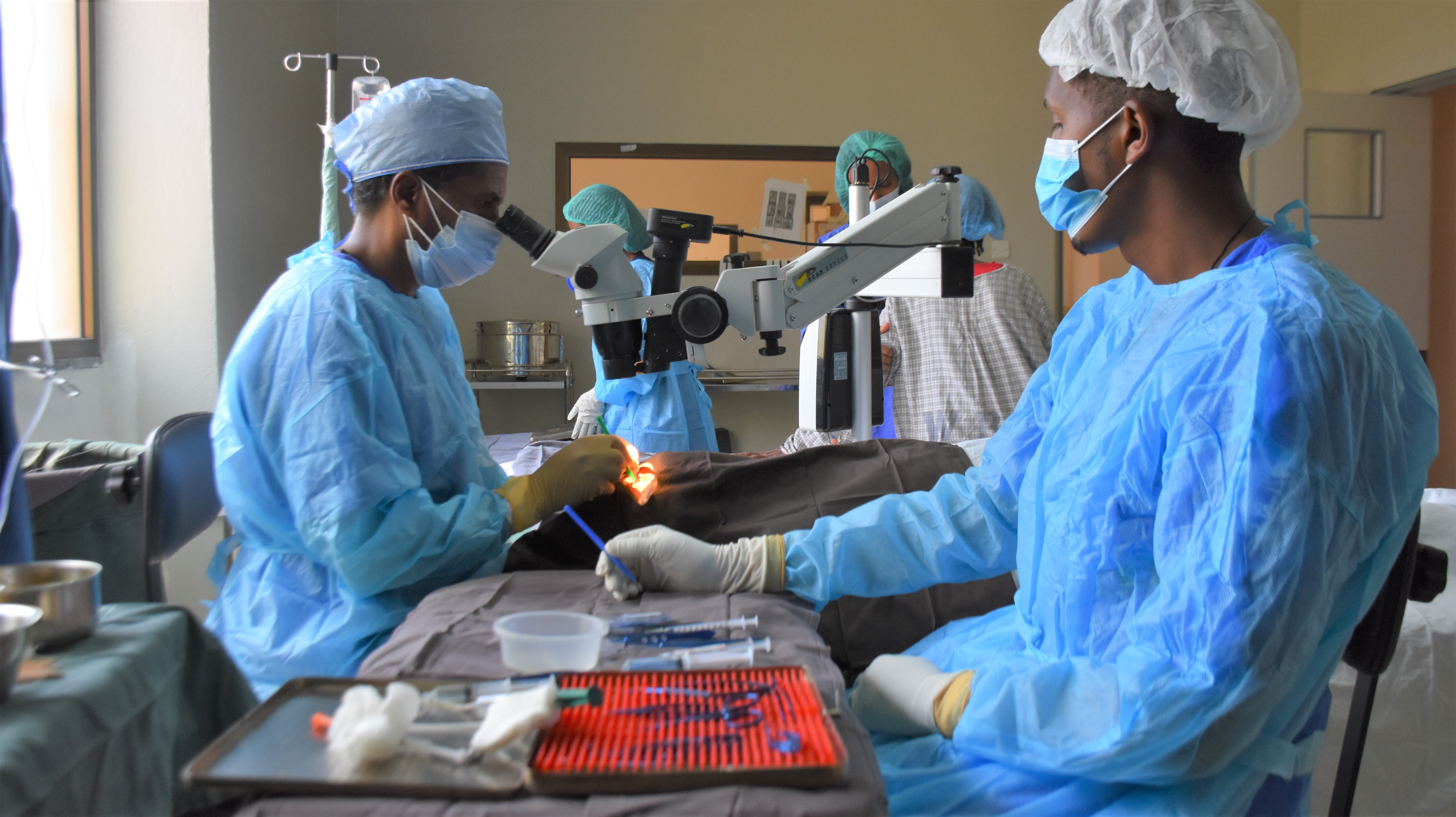 Photo credit: Dr Feferedin
In Rwanda, your support is helping build a sustainable national eye health system by 2040.
While the country has made strong progress in health care, avoidable blindness remains a major challenge, with cataract the leading cause. Access to treatment is still uneven, particularly outside urban areas, and without continued investment, up to 1.6 million people could be blind or vision impaired by 2040.
Through your support, millions of people are being screened, surgeries are increasing, and eye care services are expanding. In early 2026, ophthalmic equipment was also delivered to four hospitals, helping strengthen services and bring care closer to communities.
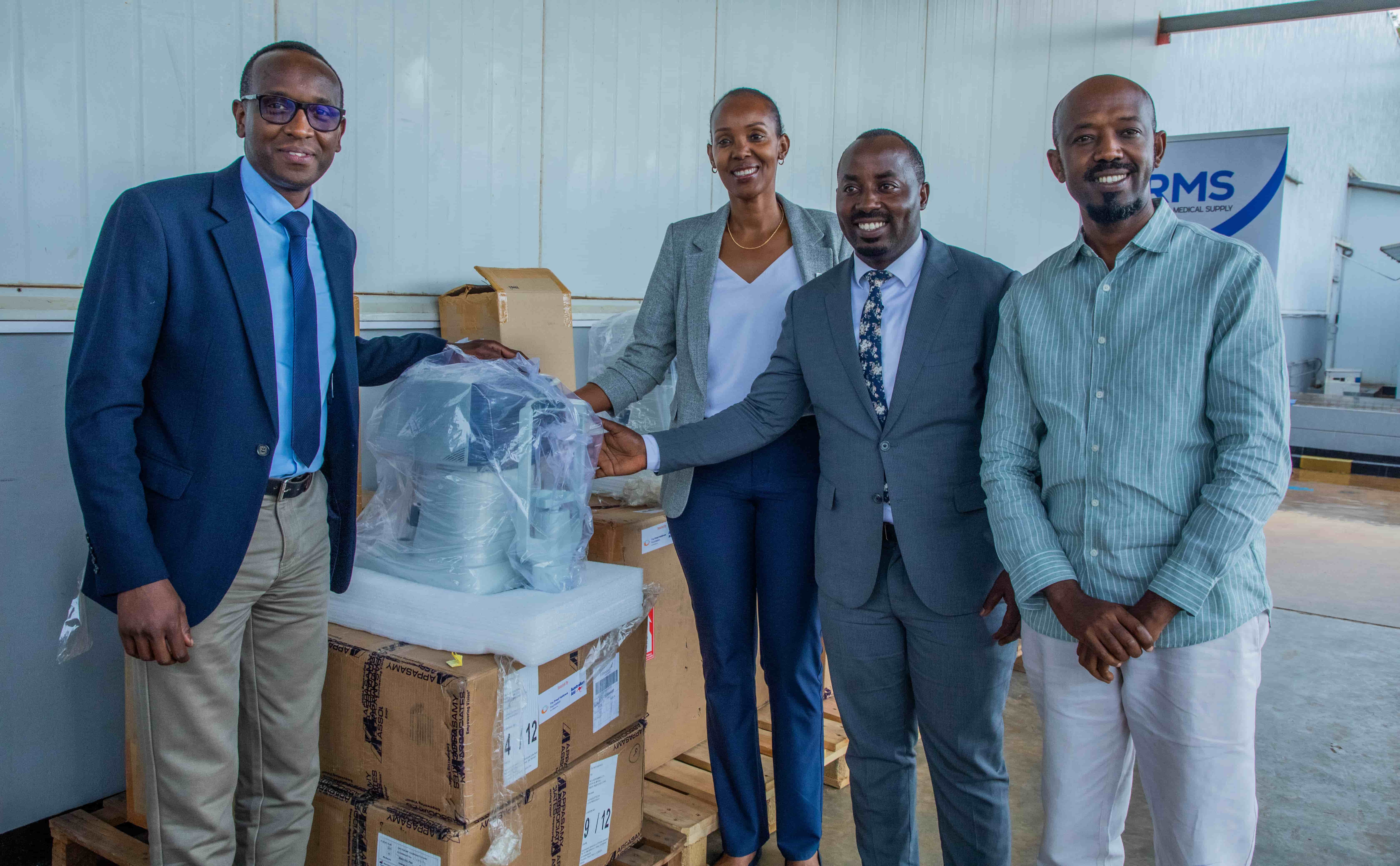 Photo credit: Newtimes Rwanda
Reaching people who would otherwise miss out
In Bangladesh, your support is helping eye health teams reach two distinct groups facing high risk of vision loss.
In Cox’s Bazar, fishing workers are spending long hours in harsh conditions where untreated vision problems can threaten both health and livelihood. Through targeted outreach, awareness raising and screening, workers are being supported to recognise problems early and access care. So far, 150 workers have received glasses, with many more now seeking help earlier.
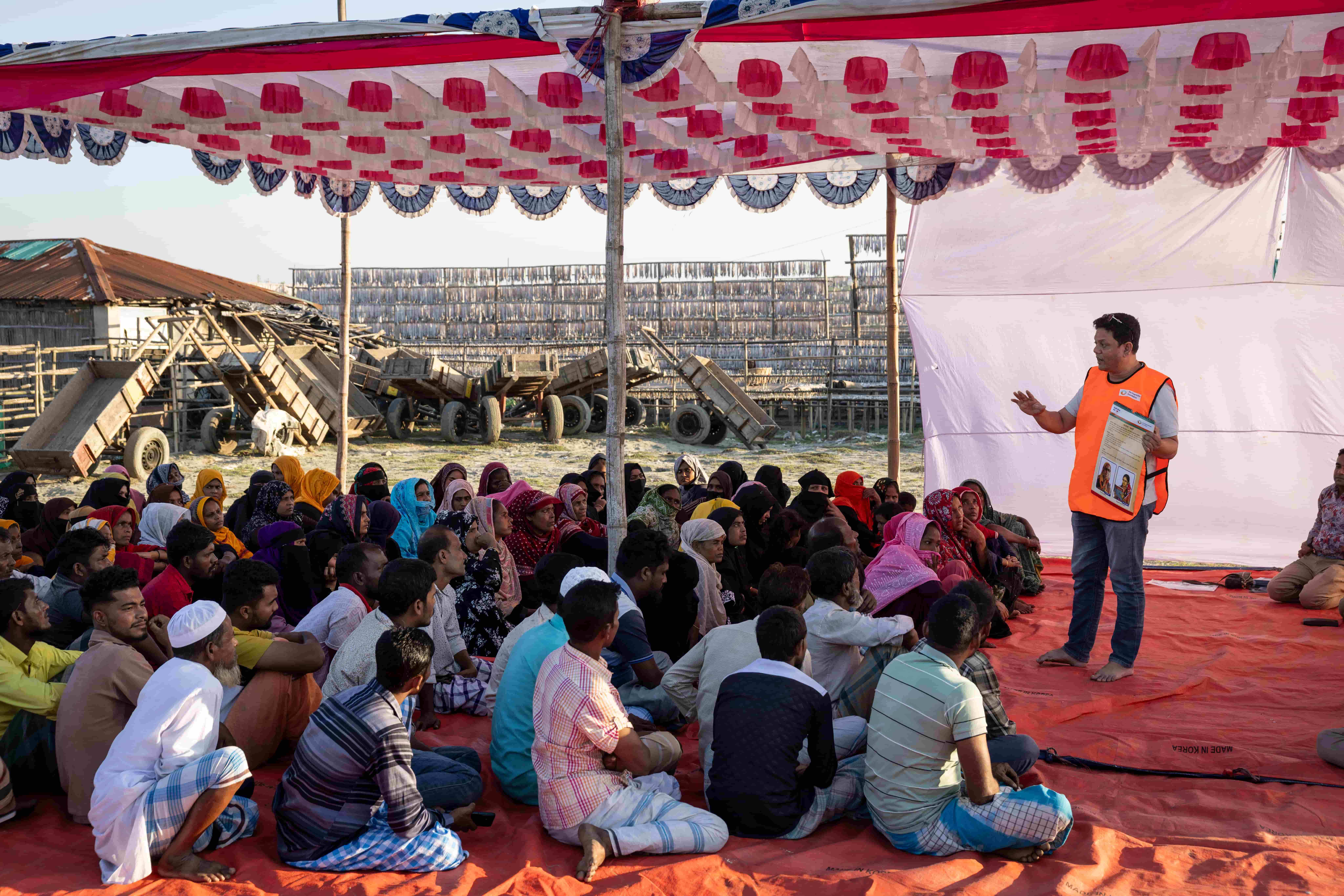 Photo credit: Michael Amendolia
In shrimp farming communities, eye health awareness campaigns are helping workers understand risks in their environment and take steps to protect their vision. These efforts are helping reduce preventable vision loss in demanding and often overlooked work settings.
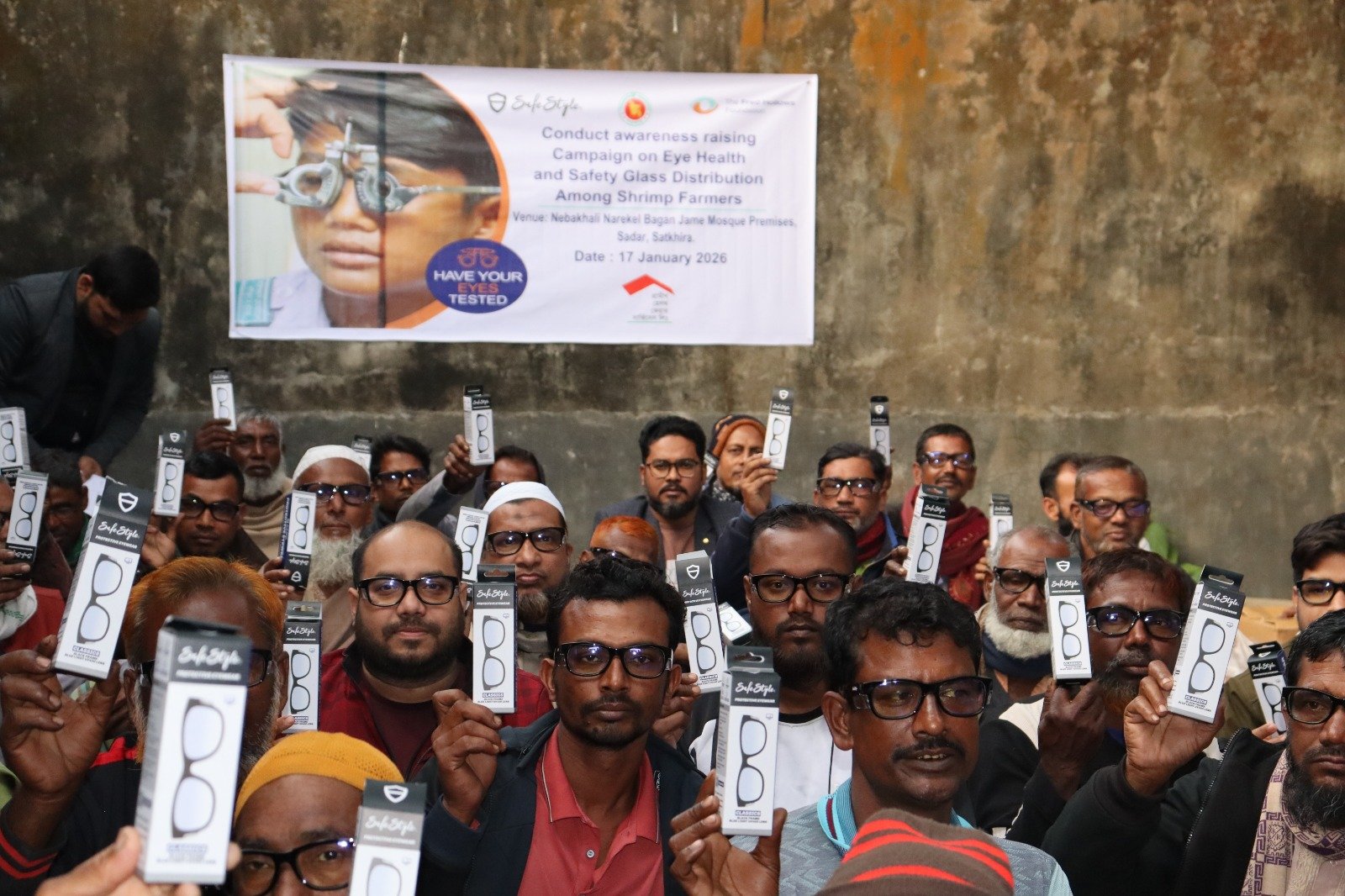 Photo credit: Md. Moneruzzaman
In Vietnam, school-based screening programs are helping identify vision problems early, with children receiving free eye checks and glasses so they can learn and thrive.
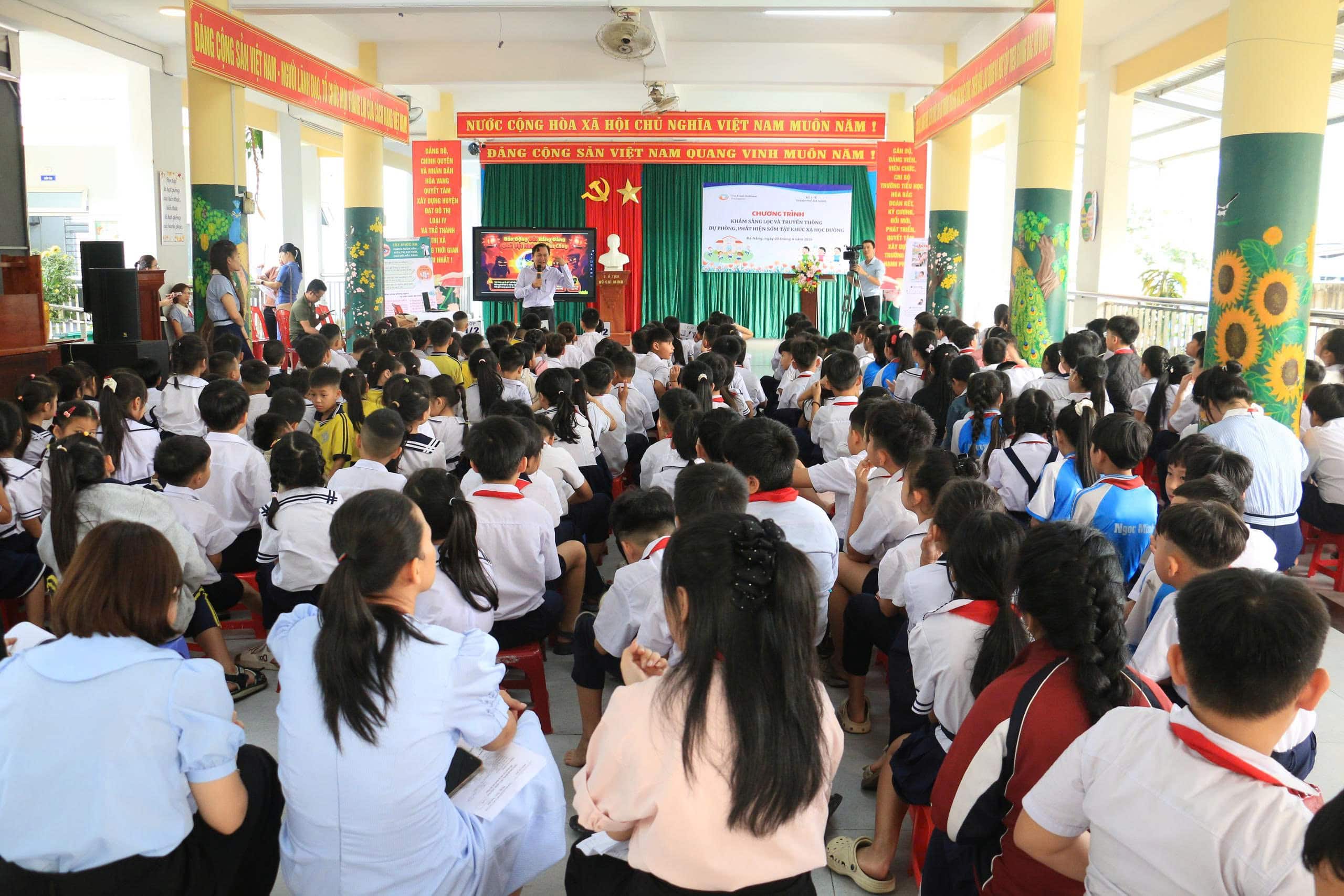 Photo credit: Thai Thi Song An
Tackling preventable blindness at scale
In Ethiopia, your support is helping drive one of the world’s largest efforts to eliminate trachoma, a painful and preventable disease that still causes blindness in communities facing poverty and limited access to water and sanitation.
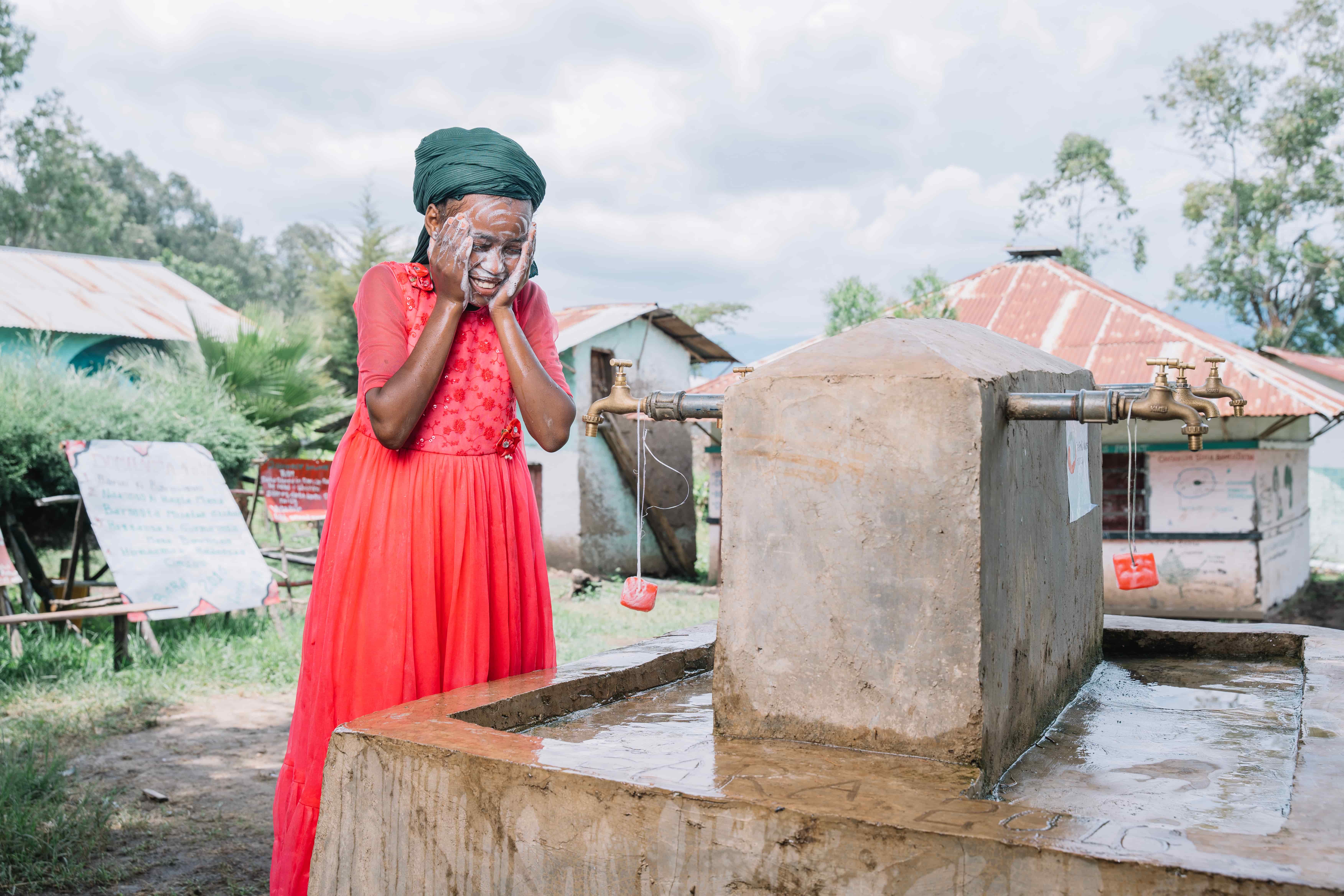
Face-washing demonstration as part of the WASHtra program, which supports improved hygiene practices and the construction of new water schemes in schools and communities to help prevent trachoma.
Photo credit: Yohannes Tesema
Dr Wondu Alemayehu, The Foundation’s Technical Advisor for Trachoma in Ethiopia, explains the approach behind this work:
“Today, surgery, distribution of antibiotics, improved access to safe water and adequate sanitation and teaching families and children about hand and face washing are key approaches to achieving our goal of eliminating trachoma as a public health problem.
“Globally, I believe many countries in which The Foundation operates can eliminate trachoma by 2030, and perhaps sooner, if we build on the excellent partnerships we have with governments, donors and supporters.
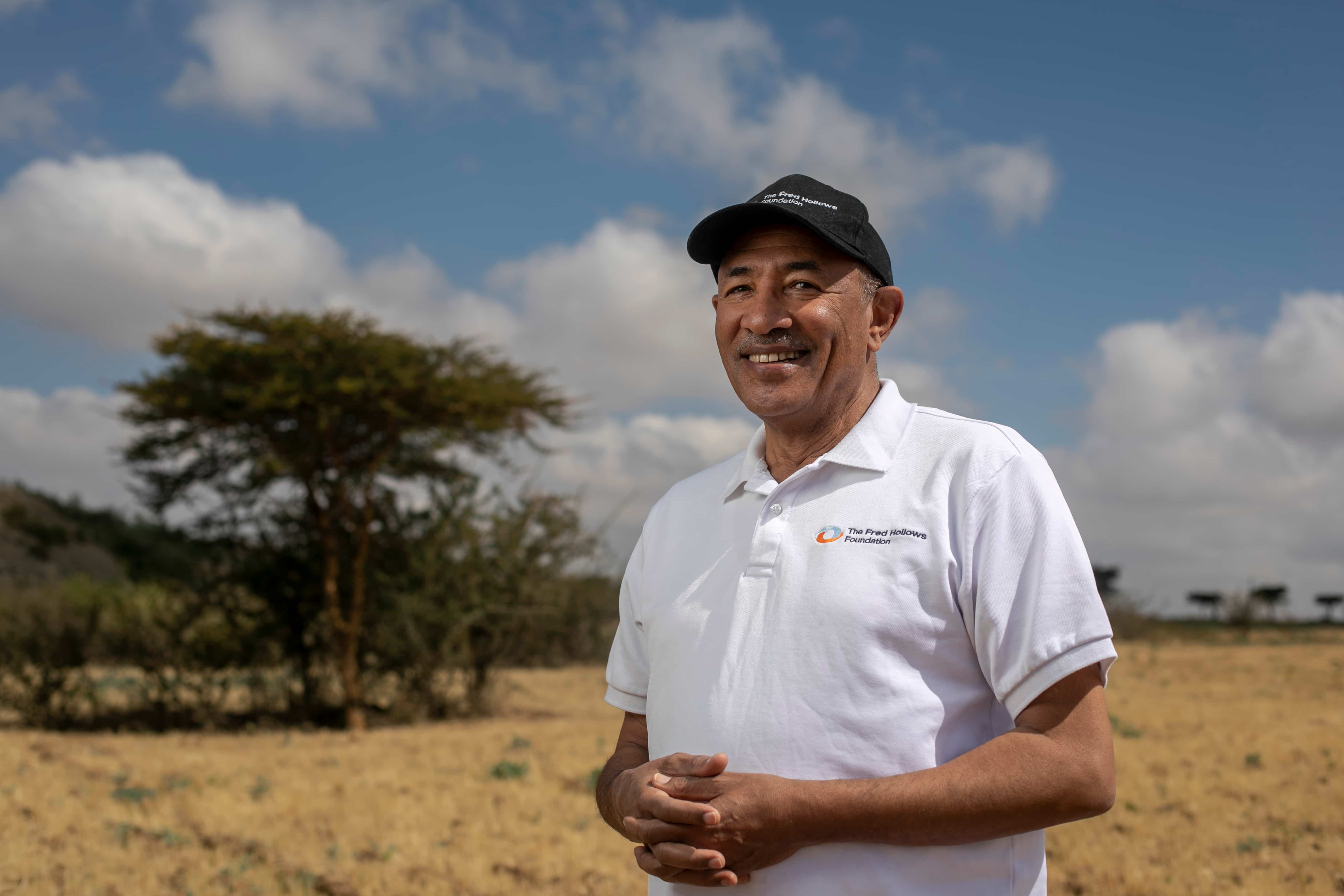
Photo credit: Michael Amendolia
“Over the past decade in Ethiopia, we have achieved remarkable things, with your help. But Fred would be telling us to keep going until this terrible disease is once and for all consigned to the history books.”
Through surgery, antibiotics, hygiene education and improved access to clean water and sanitation, entire districts are moving closer to elimination.
Read more about our progress to eliminate trachoma worldwide.
Bringing care closer to home
In the Occupied Palestinian Territories, a new eye surgery facility in Nablus is now serving more than 1.28 million people in the northern West Bank, reducing the need for long and difficult travel to access specialist care.
The Foundation has worked with partner organisation St John Eye Hospital to deliver eye health care in the region since 2013.
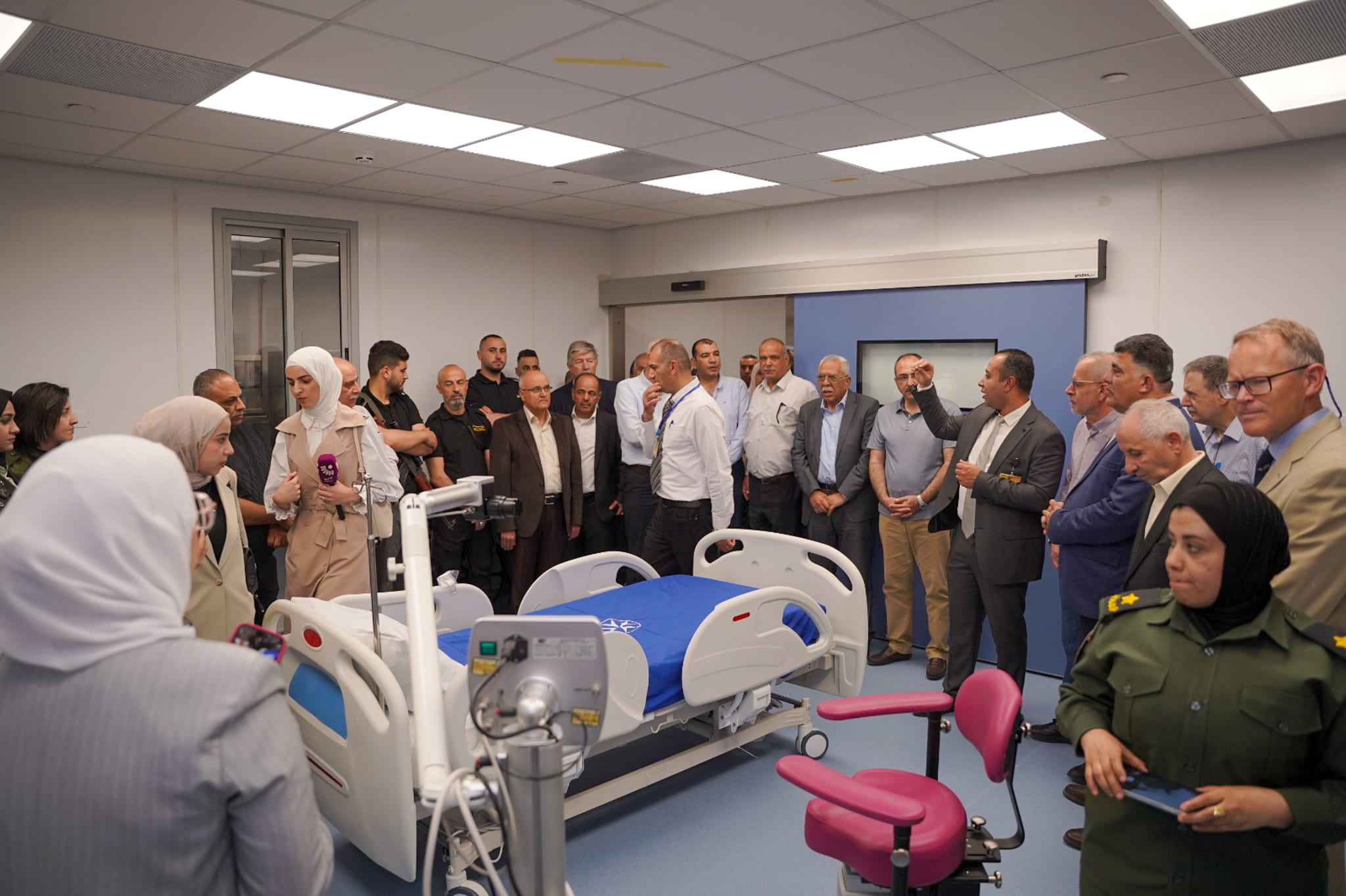
Photo credit: St John Eye Hospital
“The Foundation was one of the first international development organisations aiming to end avoidable blindness, to respond to the needs of the most vulnerable people, even during conflict,” said CEO Ross Piper.
While the majority of blindness and vision impairment among people aged 50 and over is avoidable, access to care remains challenging due to political unrest, movement restrictions and systemic barriers.
“Despite the challenging situation on the ground, the team at the St John Eye Hospital Group remain steadfast and committed to serving the most marginalised people,” Mr Piper said. “That’s why we are taking eye care to where people live, to ensure no-one is left behind.”
In Cambodia, your support is helping transform how eye disease is detected and treated, through both innovation and community outreach.
At two referral hospitals, a new Vision Health Intelligent Management Centre project is introducing a more advanced approach to eye care. By combining artificial intelligence, connected diagnostic equipment, and improved data systems, health workers can now detect eye disease like diabetic retinopathy earlier and more accurately.
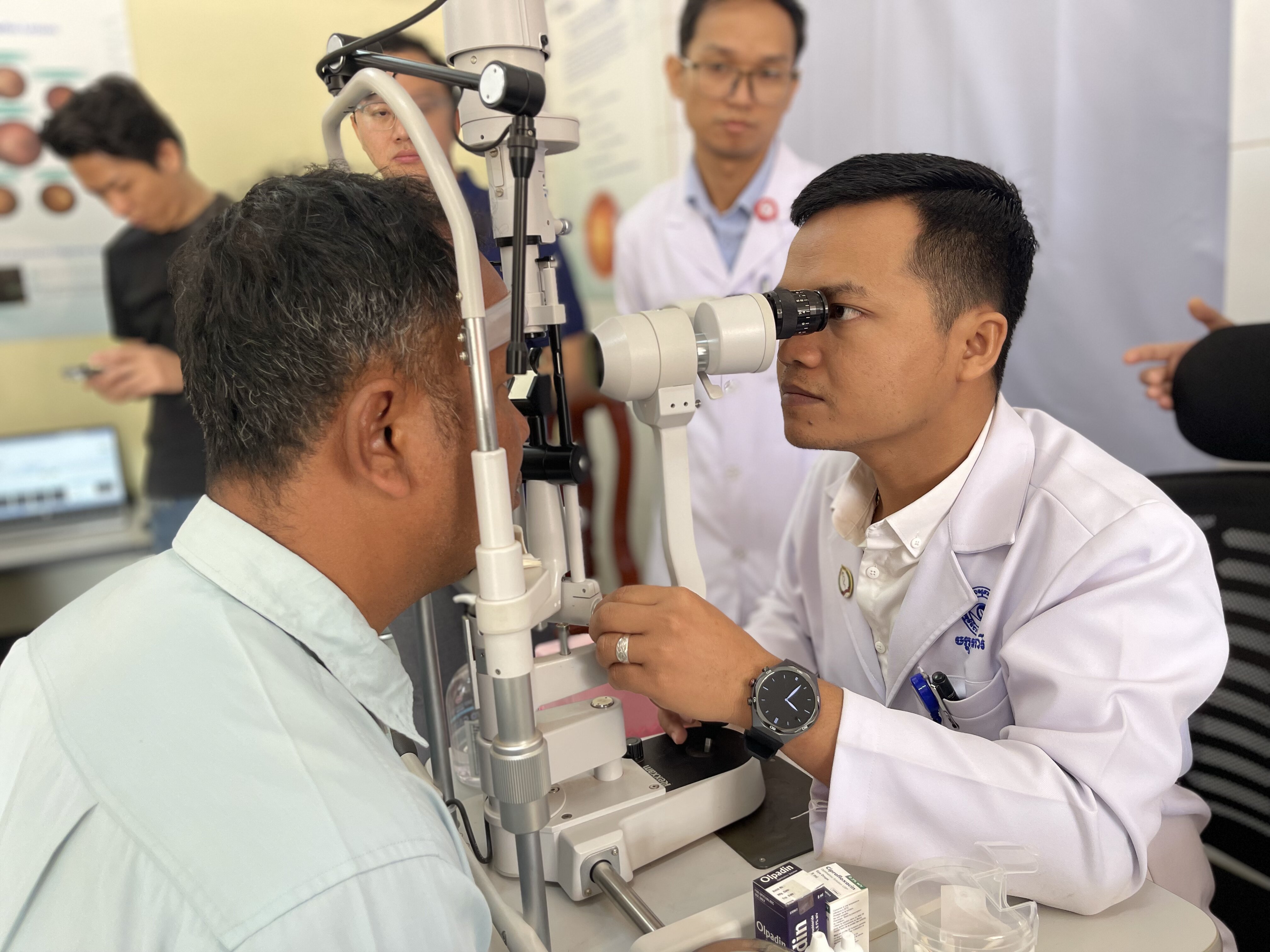
Photo credit: Yean Koem
This matters because conditions like diabetic retinopathy often develop without obvious symptoms. Without early detection, people can lose their sight soon after they realise something is wrong.
Through this project, local health teams are being trained to use new technology to screen patients, analyse results, and manage cases more effectively. This means faster diagnoses, better treatment decisions, and stronger data to support long-term planning and scale-up across the health system.
It is a step towards a more connected, efficient model of care, where technology supports health workers to reach more people and prevent avoidable blindness before it happens.
Strengthening systems for the future
In Afghanistan, more than 450,000 doses of medication for trachoma have been delivered through the country’s first mass drug administration, alongside education campaigns led by health workers, teachers and religious leaders.
Women make up around 40 percent of community health workers involved, helping ensure care reaches more people in their communities.
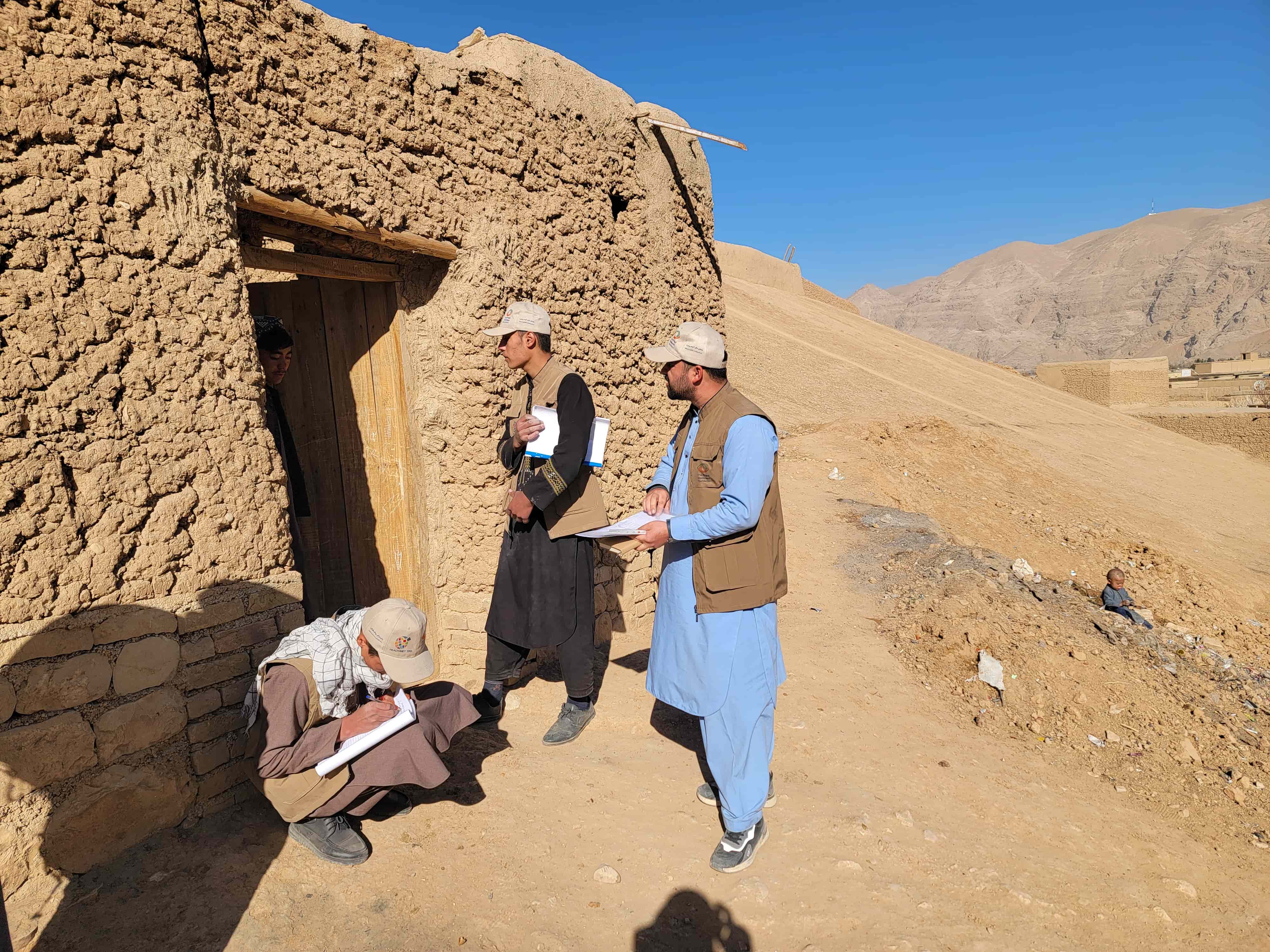
Photo credit: HealthNet TPO
A shared impact
Across every country, this progress only happens because of you. You are helping train health workers, strengthen health systems, and restore sight for people who might otherwise live with avoidable blindness. Fred Hollows believed no one should be needlessly blind, and because of you, that belief is still being carried forward in communities around the world. Thank you for standing with us.
To learn more about where we work and how your support is restoring sight in over 25 countries, visit our Where We Work page.
Read more about your impact

The hidden cost of poor vision: why ending avoidable blindness matters to all of us

Recent trachoma milestones around the world

Celebrating the biggest wins in eye health over the past decade