
Eye care access in Africa: Key statistics and what they mean

“Africa is one of the reasons I became an ophthalmologist.”
Fred Hollows said this more than three decades ago. His belief in the continent’s potential remains just as relevant today.
Although Africa faces significant challenges in health and development, it is also a place of opportunity. With the right investment, avoidable blindness can be reduced at scale.
Globally, 9 out of 10 people who are blind do not need to be. The causes are preventable or treatable. Yet across Africa, millions of people are still living with vision loss because they cannot access care in time.
In my work with The Fred Hollows Foundation, I have seen how consistent these challenges are, and how solvable they can be.
The scale of vision loss in Africa
Africa carries a disproportionate share of global blindness and vision impairment.
Cataract remains the leading cause of blindness worldwide, and it is highly prevalent across the continent. The procedure to treat it is straightforward and effective.
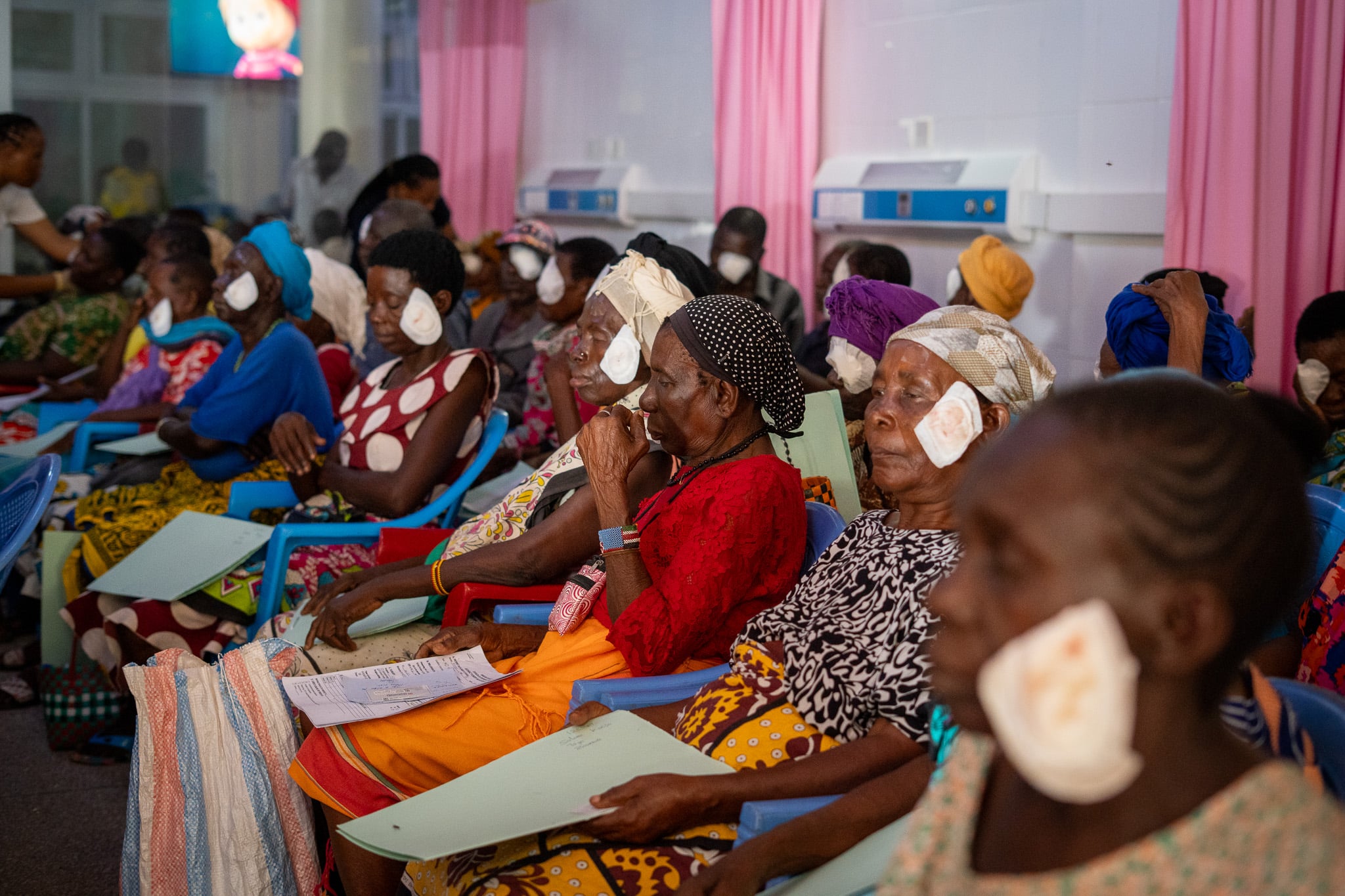 Patients attend a free eye surgery camp at Kilifi Referral Hospital, delivered in partnership with the County Government of Kilifi and the Australian NGO Cooperation Program (ANCP). A total of 103 sight-restoring surgeries were performed, with more than 2,000 people screened for eye conditions.
Photo credit: Mark Maina
The gap lies in access.
Population growth, ageing communities, and limited health system capacity are all contributing to rising demand for eye care services.
Without intervention, more people will lose their sight unnecessarily.
A shortage of eye health workers
One of the most significant barriers to eye care in Africa is the shortage of trained professionals.
Many countries do not have enough ophthalmologists, cataract surgeons, or eye health workers to meet demand.
This has direct consequences:
- Fewer people are diagnosed early
- Surgical backlogs continue to grow
- Patients are treated later, when vision loss is more advanced
In Rwanda, for example, there are around 1.7 cataract surgeons per million people, limiting how many sight-restoring surgeries can be performed each year.
Workforce gaps like this exist across many countries in the region.
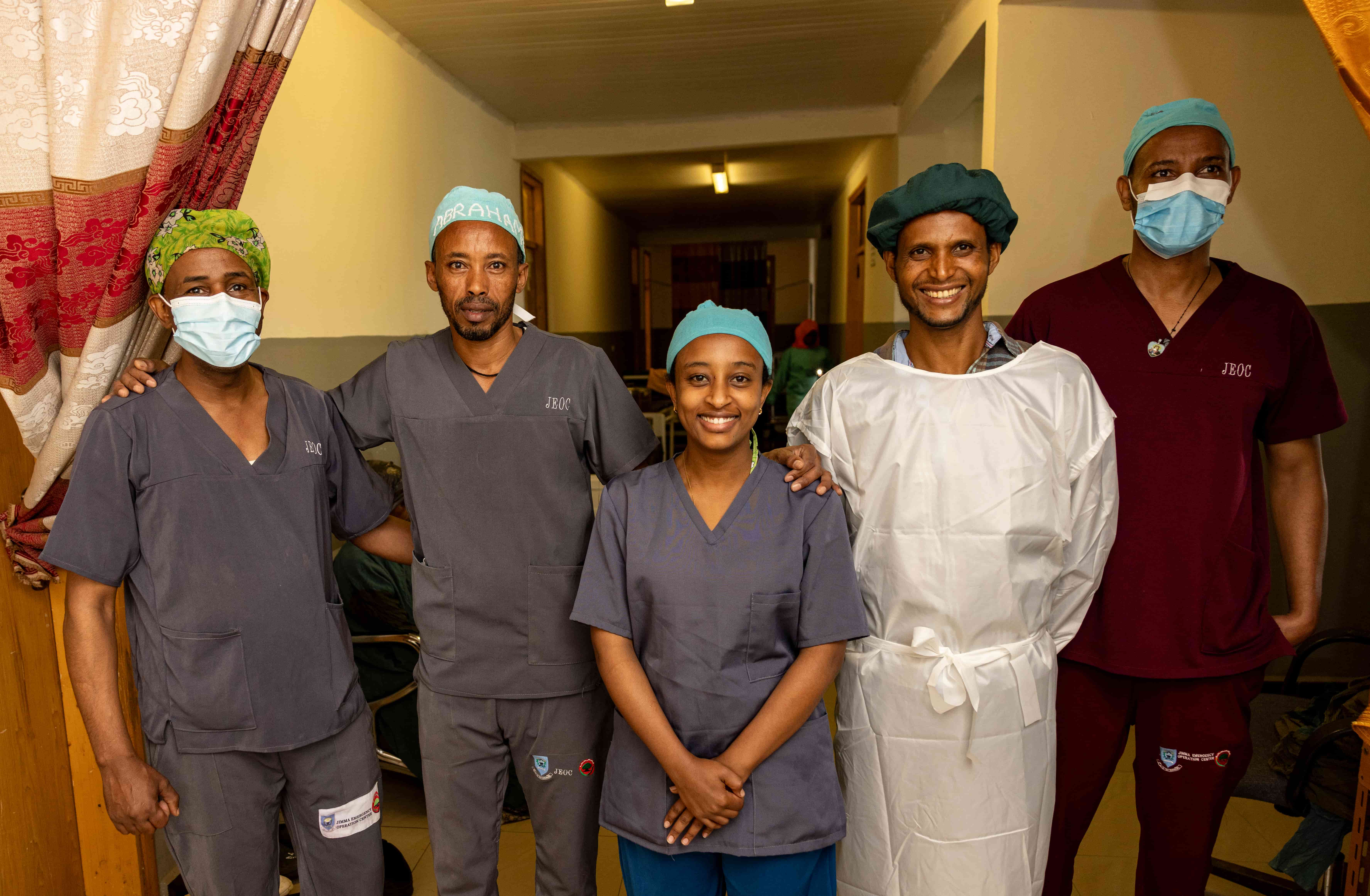 An outreach eye care clinic at Dedo Primary Hospital in Oromia, Ethiopia, is helping to bring cataract surgery closer to communities in need. The Fred Hollows Foundation, Oromia Regional Health Bureau and University of Jimma are working together to reduce a backlog of more than 700,000 people waiting for surgery by delivering treatment and strengthening local eye health services.
Photo credit: Michael Amendolia
Barriers beyond the health system
Access to eye care is shaped by more than workforce numbers.
For many people, particularly those living in rural areas, reaching services is difficult.
Common barriers include:
- Long distances to clinics and hospitals
- The cost of travel and treatment
- Limited awareness that conditions like cataract can be treated
- Competing priorities such as work and family responsibilities
- These factors often delay treatment until vision loss becomes severe.
Where we work in Africa
Africa is often spoken about as a single region, but eye health challenges vary significantly from country to country.
The Fred Hollows Foundation works across eight countries in Africa: Ethiopia, Kenya, Eritrea, Rwanda, Burundi, Uganda, Tanzania and Cameroon.
Each country has its own context, and solutions must reflect this.
- In Burundi, avoidable blindness remains a critical issue. The focus is on strengthening services, training professionals, and reducing cataract backlogs.
- In Eritrea, limited access to clean water and sanitation contributes to a high burden of eye disease.
- In Ethiopia, trachoma continues to affect many communities. It is a disease linked to poverty and poor sanitation, placing generations at risk of blindness.
- In Kenya, an estimated 650,000 people are blind or visually impaired, and delivering equitable eye care services remains a challenge.
- In Rwanda, approximately 83.9% of blindness is avoidable, with cataract among the leading causes.
These examples highlight a broader truth. There is no single solution to eye care access in Africa. Progress depends on understanding and responding to local needs.
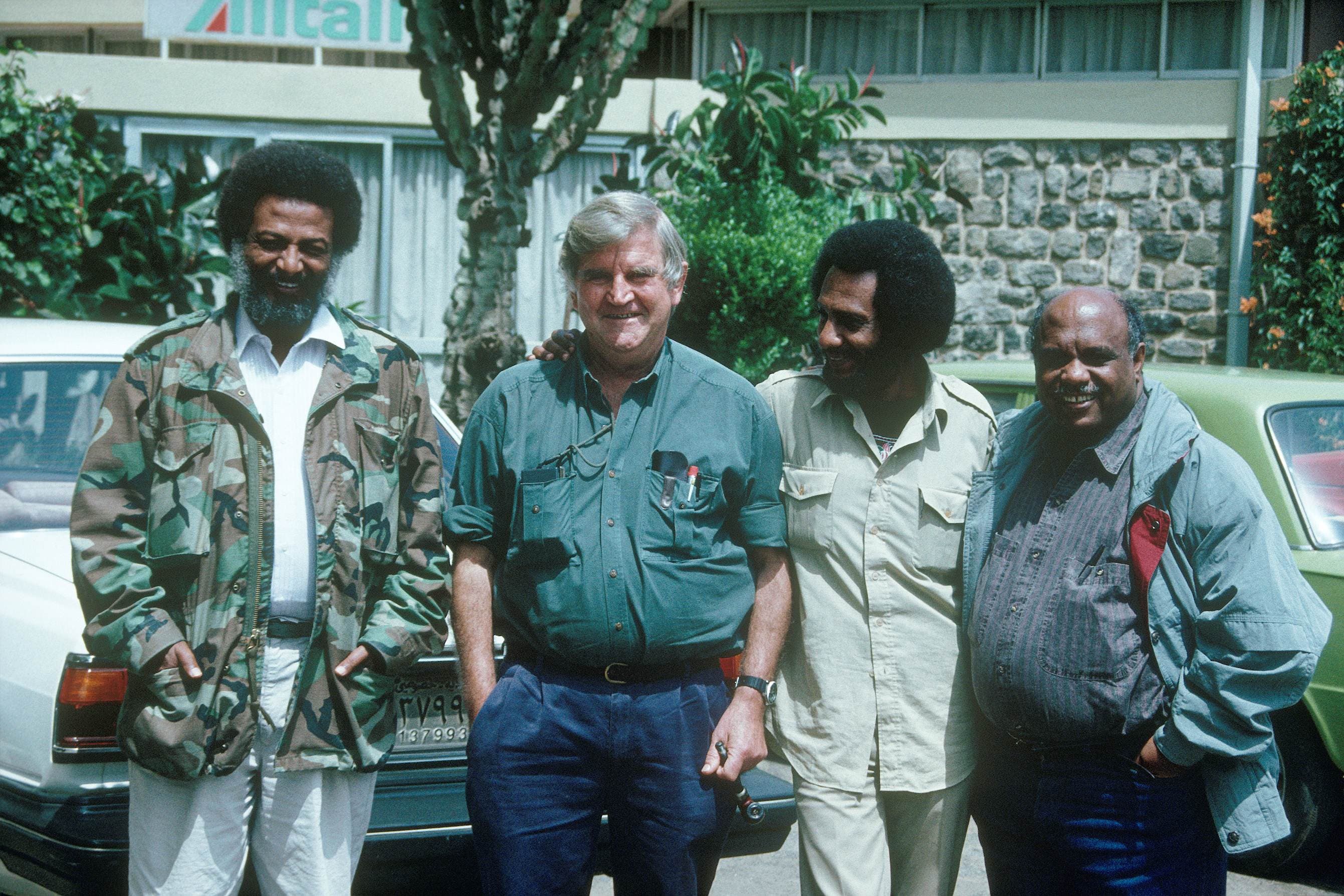 (Left to right) Dr Assefaw, Professor Fred Hollows, Dr Desbele Ghebreghergis and Dr Nerayo celebrate in Eritrea in 1991 following the end of the war. Fred Hollows first met all three doctors while they were providing frontline care during the conflict.
Photo credit: Pat Fiske
Progress across Africa
Despite these challenges, progress continues across the region.
In 2025, The Fred Hollows Foundation and its partners achieved:
- 3,002,237 people screened
- 12,762,789 people treated with antibiotics for trachoma
- 20,345 pairs of glasses distributed
- 171 facilities built, equipped or renovated
- 26,295 people trained, including 22,118 community health workers, 52 surgeons, 90 clinic support staff, 1,218 teachers and 2,817 educators
- 225,203 eye operations and treatments performed, including 52,923 cataract operations, 788 diabetic retinopathy treatments and 140,234 other sight-saving or sight-improving interventions
- 1,802,177 school children and community members educated in eye health and sanitation
These figures reflect both the scale of the challenge and what can be achieved through sustained investment in eye health systems.
Why this work matters
Vision loss affects more than eyesight.
It impacts education, employment, and independence. Children struggle to learn. Adults lose income. Communities lose productivity.
Fred Hollows once said that although Africa faces many challenges, its potential is greater than any other place on earth.
That potential depends on people being able to see.
Looking ahead
Access to eye care across Africa is improving, but progress is uneven.
As populations grow and demand increases, health systems must continue to adapt. This includes training more eye health workers, improving access in rural areas, and strengthening services at every level.
Avoidable blindness is a solvable problem. With the right approach, millions more people could retain or regain their sight.
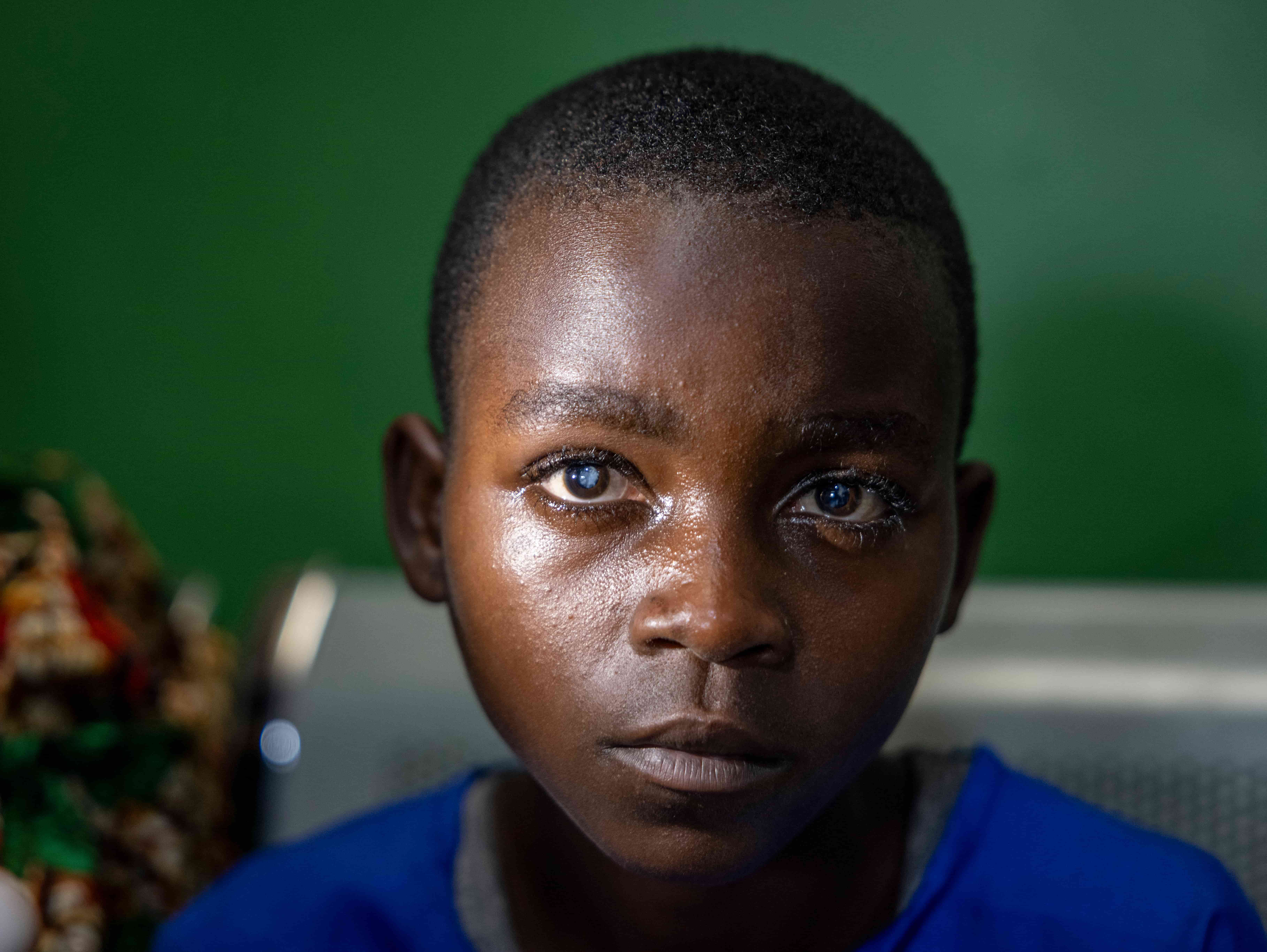 Valentine, 12, from Rwanda, struggled to see the blackboard at school due to cataracts. After receiving sight-restoring surgery at Kabgayi Eye Unit through The Fred Hollows Foundation and ANCP-supported care, she is now looking forward to returning to school and learning without barriers.
Photo credit: Mark Maina
Support access to eye care
Donate today to help restore sight and expand access to eye care across Africa.
Meet the author

Mark Maina
Mark is the global communications coordinator for The Fred Hollows Foundation, and is based in Nairobi, Kenya. Mark has accumulated close to a decade’s experience with The Foundation documenting and collecting human interest stories. He believes that these stories are important, for it’s how we build our identities and relate to one another.
Read more about our work in Africa

Dr Tuyisabe Theophile: Restoring sight, changing lives in Rwanda

Ending cataract blindness in Rwanda: Building a national eye health system by 2040

Eye surgery camp restores sight for hundreds in Kilifi, Kenya