Climate change and eye disease: An emerging global public health threat

Climate change threatens our health in many ways, but its growing impact on eye health is often overlooked.
Hotter temperatures, stronger UV exposure, worsening air pollution and shifting patterns of infectious disease can worsen conditions from dry eye and conjunctivitis to cataract and serious infections such as trachoma.
As the climate crisis accelerates, protecting sight needs to be a key part of the public health response —especially for communities that already face the greatest barriers to care.
How climate change is harming our eyes
Heat and UV exposure: Hotter days and stronger sunlight can dry and irritate the eye’s surface, worsening dry eye and increasing infection risk. Over time, UV exposure contributes to cataract and pterygium, and can damage the retina, leading to vision loss.
Air pollution: Smoke, dust and fine particles irritate and inflame the eyes, triggering redness and worsening conjunctivitis and dry eye. Longterm exposure has also been linked with a higher risk of cataract and other chronic eye disease.
Water scarcity, poor sanitation and infectious disease: Drought and changing rainfall can reduce access to clean water and make hygiene harder, conditions that allow infectious eye disease to spread. Trachoma and onchocerciasis (river blindness) may persist or shift into new areas, with arid and droughtprone communities particularly vulnerable.
Malnutrition: Climate shocks that disrupt food supply can increase malnutrition, including vitamin A deficiency, still a cause of preventable blindness in children. Poor nutrition also weakens immunity, making eye infections more likely and recovery harder.
Who is most at-risk?
These risks don’t fall evenly. The people least responsible for climate change are often the most exposed—and the least able to prepare for and recover from climate shocks. That means the heaviest impacts on health, including eye health, are likely to fall on communities already living with poverty, marginalisation and limited access to services.
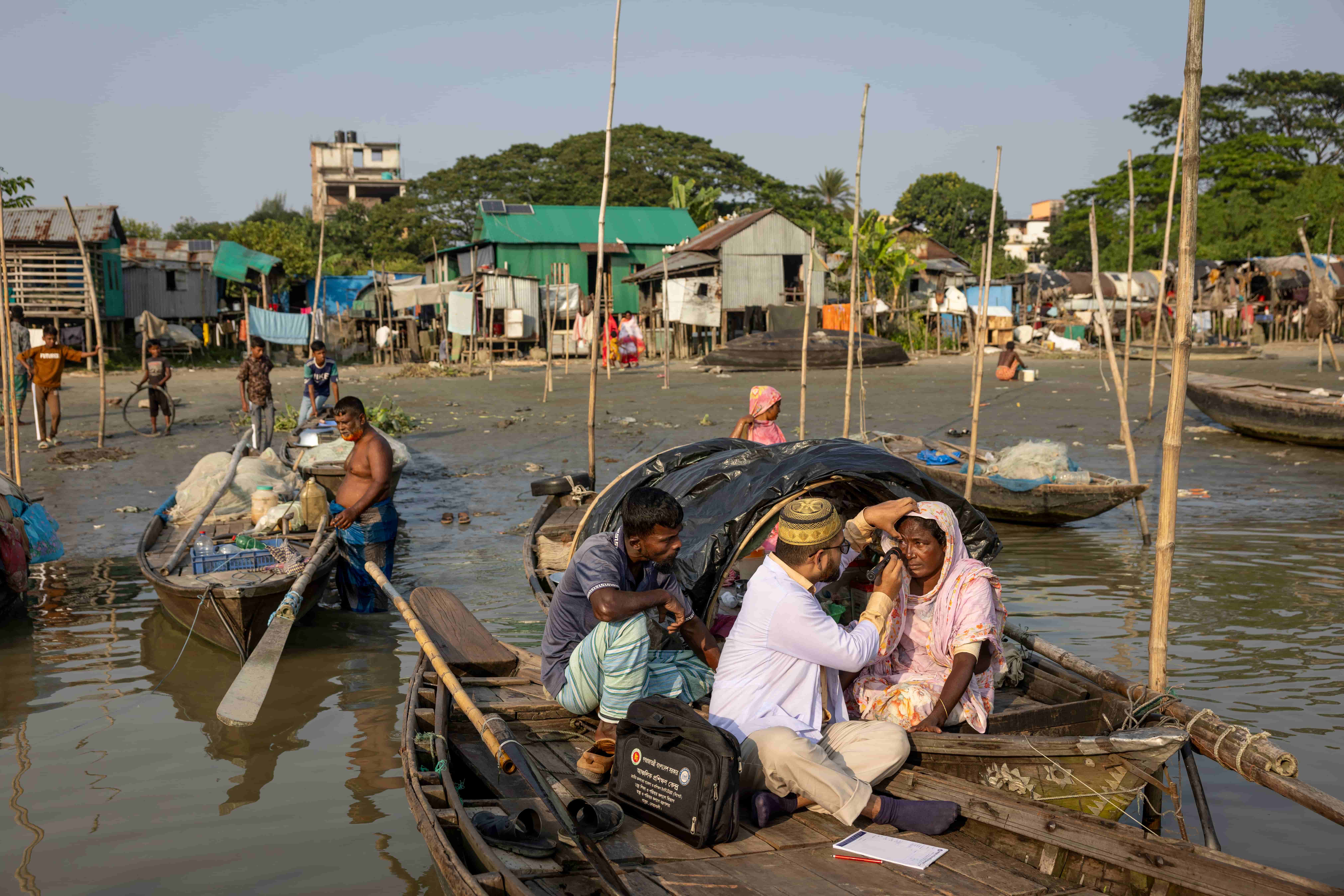
Many are also more exposed to extreme heat, drought, cyclones and sealevel rise—including communities across SubSaharan Africa, the AsiaPacific and Small Island Developing States. When climate pressure hits already fragile health systems, gaps in eye care can widen and avoidable blindness can rise. Women and girls, older people, people with disabilities, and people experiencing poverty or social exclusion are particularly at risk—especially in remote settings, including Australia’s remote Aboriginal communities.
How eye health services can adapt to the climate crisis
Climate change is already reshaping eye health. To stay resilient, equitable and effective, services need to adapt in ways that are proactive, equitable and sustainable—protecting access to care while reducing the footprint of the care we deliver.
- Be proactive: treat climate change as a health risk and plan for local hazards—heat, flooding, and water or power disruption—when designing services and facilities. Anticipate likely disruptions to supply chains, transport and outreach before they limit access to care.
- Make it equitable: protect access for those most affected, particularly in lowincome, remote and climatevulnerable settings. Strengthen outreach and referral pathways, use telehealth where appropriate, and integrate eye health into water, sanitation and hygiene programs and prevention messaging (including for trachoma).
- Keep it sustainable: reduce the environmental impact of eye care by improving energy efficiency and renewable energy where feasible, strengthening waste management, and designing services to minimise unnecessary travel and emissions, without compromising quality.
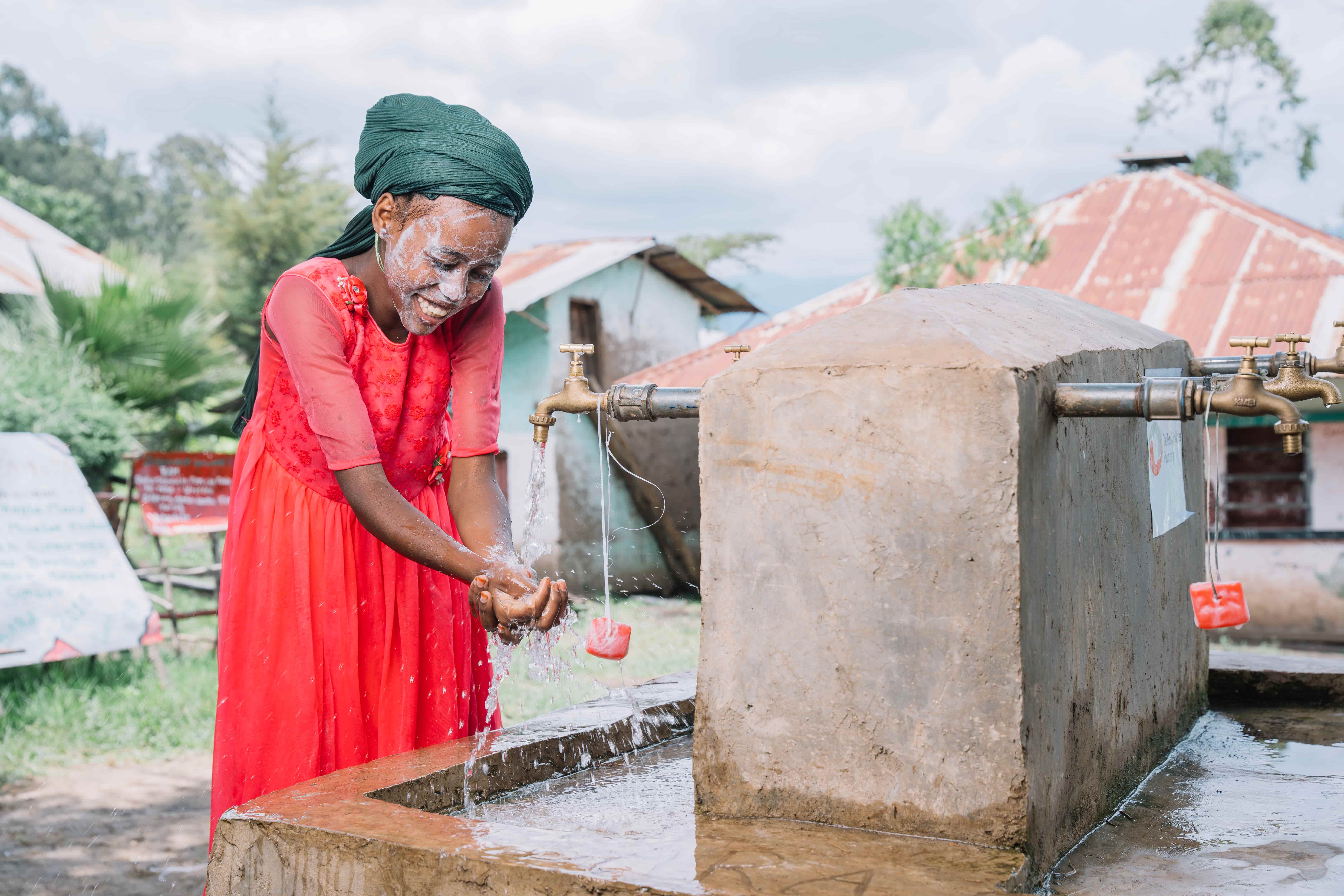
In Ethiopia, a simple act like face washing can help prevent trachoma, supported by hygiene education and improved water access.
Photo credit: Yohannes Tesema
How we’re putting these principles into action
These shifts are achievable and they’re already underway. At The Fred Hollows Foundation, we’re working to reduce the environmental impact of our operations and support partners to build climate resilient, environmentally sustainable eye care.
Last year, we completed a baseline assessment of our greenhouse gas emissions and set an emissions reduction plan focused on practical steps like lower carbon travel, improved energy efficiency, and greater use of renewable energy where feasible. We’re also working with partners in Bangladesh and the Occupited Palestinian Territories to strengthen environmental sustainability capacity, such as improving policies and procedures and moving from paper to electronic medical records. And through the Eyefficiency study, we’re helping cataract services identify realistic ways to reduce waste and cut the carbon footprint of surgery without compromising quality.
To guide and strengthen this work, The Fred Hollows Foundation has developed a formal position statement on environmental sustainability and climate change. It sets out our position on how climate change affects eye health and defines our commitments to integrate sustainable practices across our strategy, programs, operations and partnerships, helping reduce our environmental impact while delivering high quality, sight restoring care.
Ultimately, protecting sight in a warming world will depend on building eye care that is fairer, greener and more resilient, so the communities most at risk aren’t left behind.
Read our Environmental Sustainability and Climate Change Position Statement.
Frequently Asked Questions about Climate Change and Eye Disease
How can you protect your eyes from climate impacts?
We can’t avoid every climate-related risk, but a few practical habits can help protect your eyes as conditions change.
- Wear UVblocking sunglasses
- Add a widebrimmed hat, especially during peak UV hours
- Stay hydrated and eat a nutritious diet
- Limit exposure to smoke, dust and heavy pollution; consider protective eyewear
- In insectborne disease areas, use repellents, bed nets and protective clothing
- Get regular eye checks to pick up problems early
How can you support The Fred Hollows Foundation?
The Fred Hollows Foundation is dedicated to strengthening sustainable eye health systems worldwide.
We support local training and stronger services so communities can respond to climate pressures and protect sight.
Your support—through donations, partnerships, volunteering or sharing information—helps move us toward a world without avoidable blindness.
Learn more about the ways you can support The Foundation’s eye health programs.
Meet the author

Dr Lila Raj Puri
Dr Lila Raj Puri is a Medical Adviser at The Fred Hollows Foundation, and his interest lies in research and training. Based in London, he advises on national prevention of blindness strategies in the Asia region, and leads the development and implementation of clinical governance frameworks. He also supports ophthalmologist training and quality assurance at Alina Vision Hospital. He is an ophthalmologist with over 12 years of experience in clinical and surgical management of eye diseases, and hospital management. As an Associate Professor, he has trained national and international ophthalmologists in cataract surgeries, as well as overseeing the training of optometrists, residents and nurses.
Related articles

Eye care and life in Cox's Bazar

Why we're still fighting to end trachoma, 50 years on


5 signs of cataract to look out for