
Five things you probably didn't know about Dr Sanduk Ruit

Dr Sanduk Ruit is one of the world's leading ophthalmologists and a lifelong partner of The Fred Hollows Foundation. His work has helped restore sight to hundreds of thousands of people and transformed cataract surgery across Asia and beyond. But behind his remarkable career are some surprising stories that many people have never heard.
1. He grew up in one of the most remote parts of Nepal
Long before he became one of the world's most respected eye surgeons, Dr Sanduk Ruit was a boy growing up in Olangchungola, a remote village high in the Himalayas of eastern Nepal.
There was no health clinic nearby and the closest school was a week-long walk from his home.
Life in the mountains taught him resilience, but it also showed him how difficult it was for people living in remote communities to access healthcare. Those experiences would later shape his life's work.
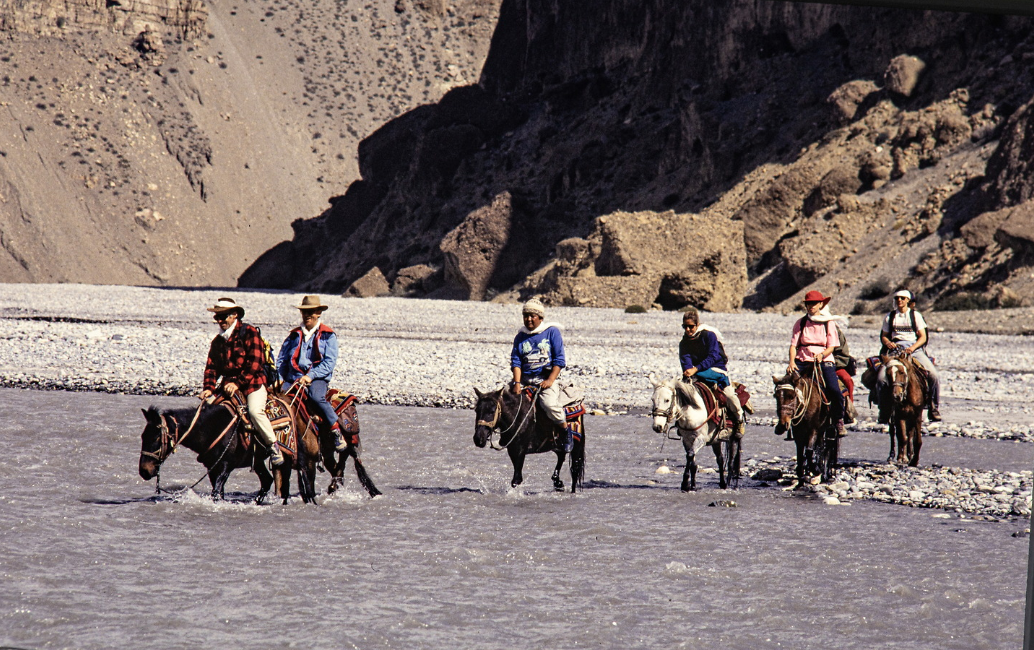
In 1992, Dr Sanduk Ruit and his team rode on horseback for three days through Nepal's Kali Gandaki Gorge to bring sight-saving eye care to the remote Upper Mustang region.
Photo credit: Michael Amendolia
2. A personal tragedy inspired him to become a doctor
When Dr Ruit was 17, his sister died from tuberculosis, a disease that could have been prevented and treated.
Her death changed the course of his life.
Determined that other families should not experience the same loss, he decided to study medicine. That decision eventually led him to ophthalmology, where he realised restoring sight could completely transform a person's life.
Today, he is recognised as one of the world's leading cataract surgeons.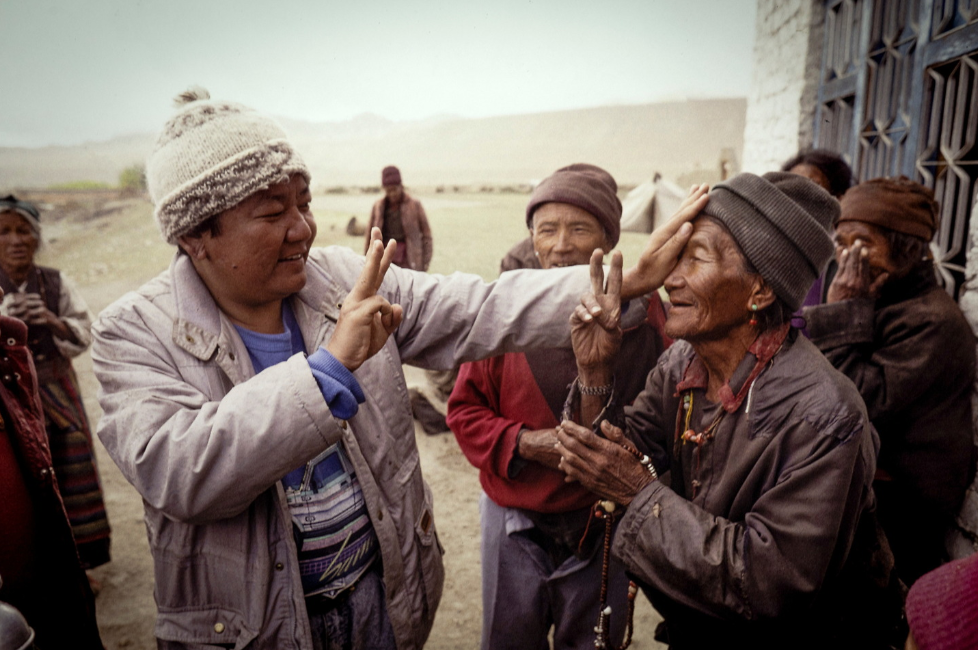
Photo credit: Michael Amendolia
3. He helped make modern cataract surgery affordable
When Dr Ruit began his career, modern cataract surgery was beyond the reach of millions of people living in poverty.
One of the biggest barriers was the cost of intraocular lenses, the tiny artificial lenses implanted during cataract surgery.
Working alongside Professor Fred Hollows, Dr Ruit challenged the belief that high-quality cataract surgery was only possible in wealthy countries.
Together, they helped make modern cataract surgery more affordable by supporting the production of low-cost, high-quality intraocular lenses. Their work has helped restore sight to millions of people around the world.
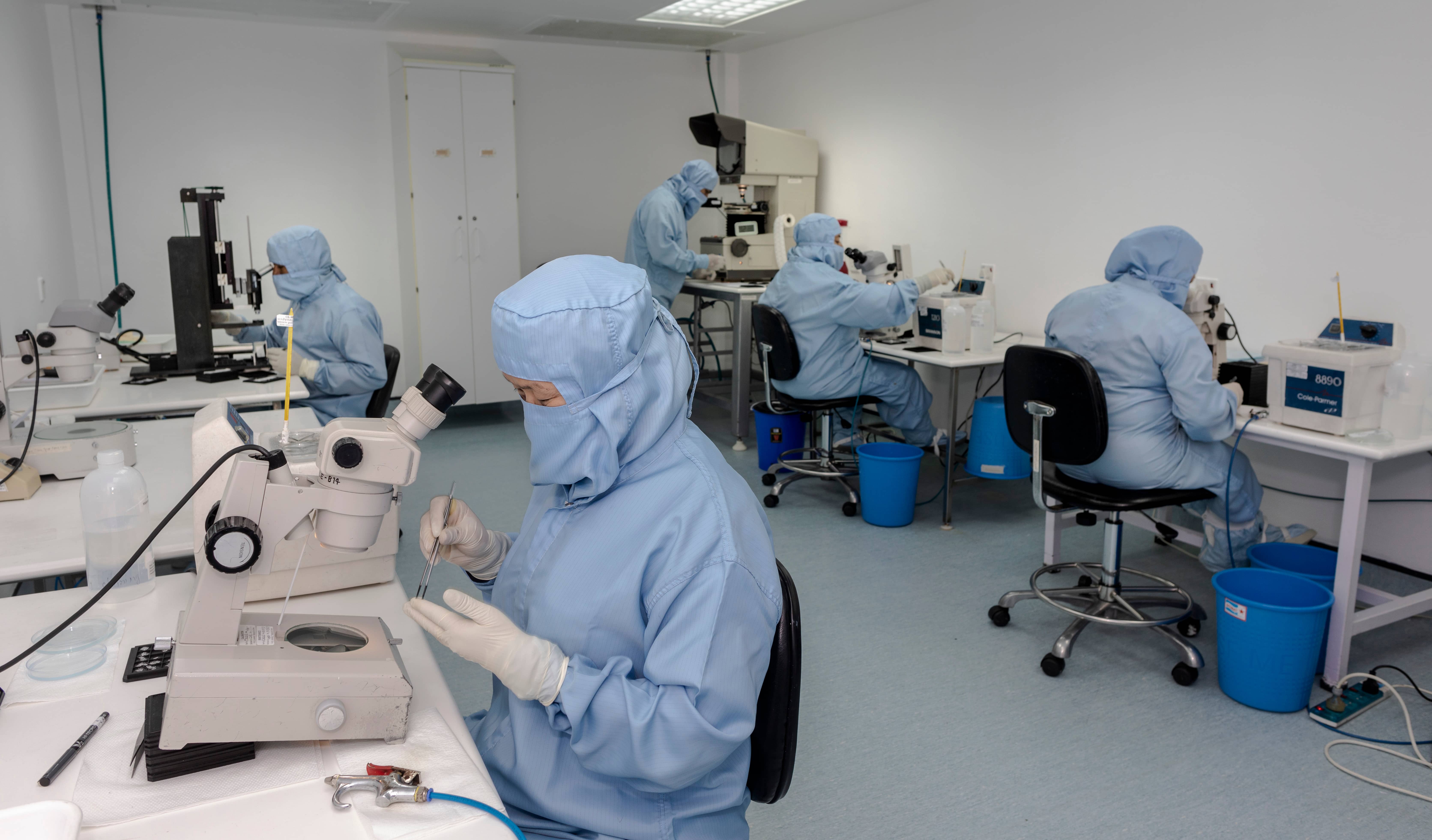
The Fred Hollows Intraocular Lens Laboratory in Kathmandu produces high-quality, low-cost lenses that have helped make cataract surgery affordable for millions of people.
Photo credit: Michael Amendolia
4. His friendship with Fred Hollows changed global eye care
Dr Ruit first met Fred Hollows while working on the Nepal Blindness Survey in the early 1980s.
Fred quickly became his mentor, but their relationship was much more than teacher and student.
They shared a belief that everyone deserves access to quality eye care, no matter where they live or how much money they have.
Together, they trained ophthalmologists, strengthened eye health systems and helped establish the Tilganga Eye Centre in Kathmandu, which has become one of Asia's leading eye hospitals.
More than 40 years later, their shared vision continues through The Fred Hollows Foundation and its partners around the world.
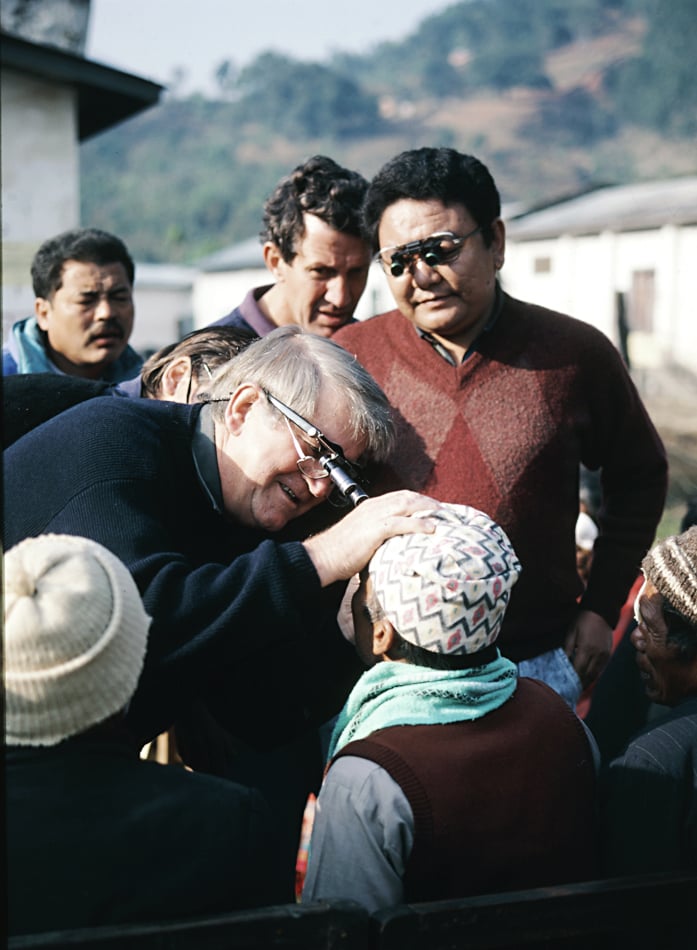
Photo credit: Pat Fiske
5. He's known as the "God of Sight"
Across Nepal and beyond, many people affectionately refer to Dr Sanduk Ruit as the "God of Sight."
While he has never sought recognition, the nickname reflects the extraordinary impact his work has had on people who were once blind and can now see again.
Dr Ruit has restored sight to hundreds of thousands of patients, trained generations of ophthalmologists and dedicated his career to making quality eye care available to everyone.
Despite his international recognition, he often says the greatest reward is watching a patient see their loved ones again after cataract surgery.
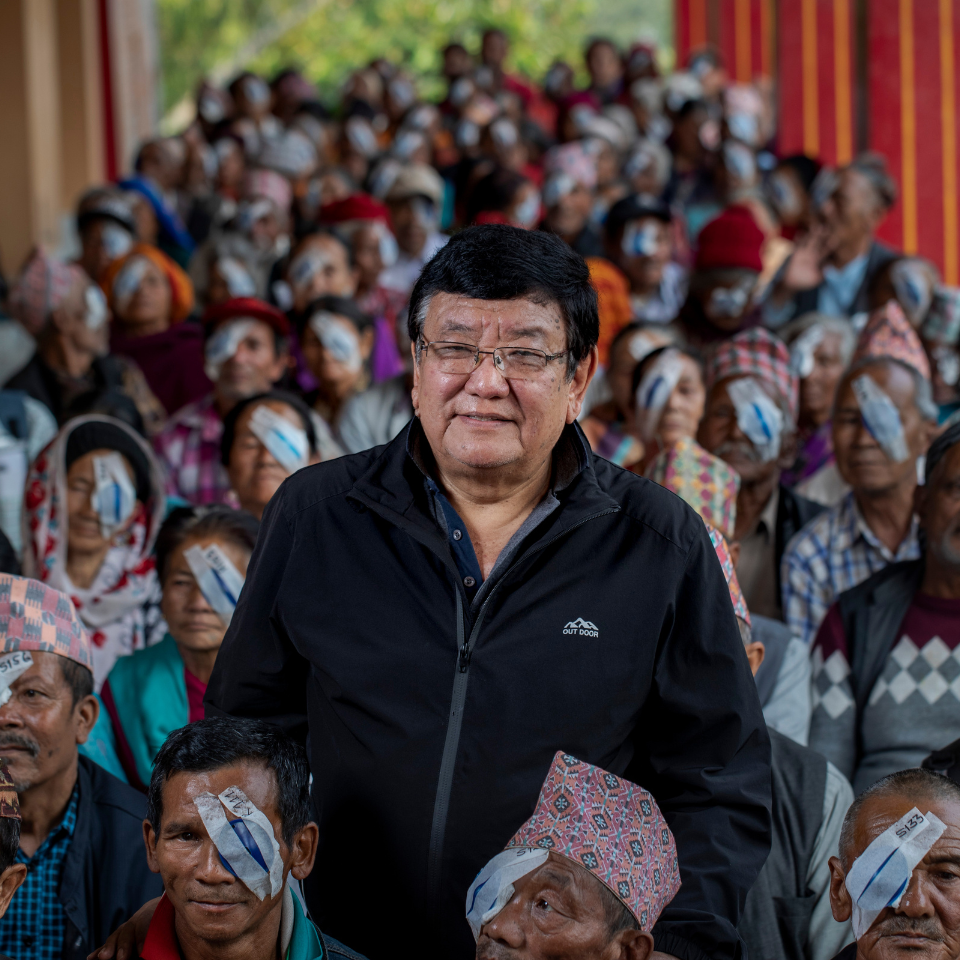
Dr Sanduk Ruit performs cataract surgery during the annual eye camp at Pullahari Monastery in Kathmandu, Nepal. In just three days, he and the Tilganga team screened more than 3,600 people and restored sight to 247 patients.
Photo credit: Michael Amendolia
Continuing a shared vision
Dr Sanduk Ruit's achievements are remarkable, but he would be the first to say that restoring sight is never the work of one person.
Throughout his career, he has championed local leadership, trained surgeons and strengthened eye health systems so communities can continue restoring sight for generations to come.
It is the same philosophy he shared with Fred Hollows more than four decades ago, and it continues to guide The Fred Hollows Foundation's work today.
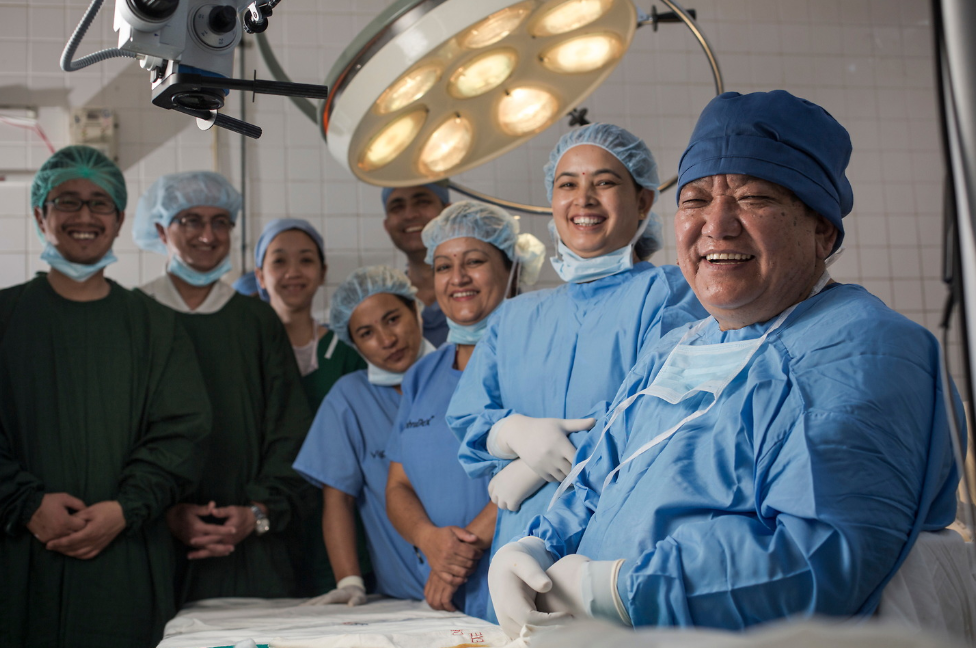 Photo credit: Michael Amendolia
Frequently asked questions
Who is Dr Sanduk Ruit?
Dr Sanduk Ruit is a Nepalese ophthalmologist, cataract surgeon and humanitarian. He is internationally recognised for making modern cataract surgery more affordable and accessible in low-income countries.
Why is Dr Sanduk Ruit famous?
Dr Ruit is known for his pioneering work in cataract surgery, his partnership with Professor Fred Hollows and his role in establishing the Tilganga Institute of Ophthalmology in Nepal.
Where is Dr Sanduk Ruit from?
Dr Sanduk Ruit was born in Olangchungola, a remote village in eastern Nepal near the Tibetan border.
What is Dr Sanduk Ruit's connection to Fred Hollows?
Fred Hollows mentored Dr Sanduk Ruit during the 1980s. Together, they worked to make modern cataract surgery more affordable and trained ophthalmologists across Asia.
What is the Tilganga Institute of Ophthalmology?
The Tilganga Institute of Ophthalmology in Kathmandu, Nepal, is one of Asia's leading eye hospitals. Established with support from The Fred Hollows Foundation, it provides specialist eye care, trains ophthalmologists and develops innovations that make cataract surgery more accessible around the world.
Related articles

The history of trachoma in Australia and how it was eliminated

34 years of changing lives: Our story in 34 photographs

Why Indigenous eye health mattered so much to Fred Hollows