
34 years of changing lives: Our story in 34 photographs

For 34 years, The Fred Hollows Foundation has been working towards Fred’s vision: a world where no one is needlessly blind.
From the first cataract surgeries and eye health partnerships in Asia, to training health workers, strengthening local hospitals and reaching communities across Africa, the Pacific and Australia, our work has continued to grow.
These 34 photographs capture just some of the people, places and moments that have shaped our journey.
1992, Australia
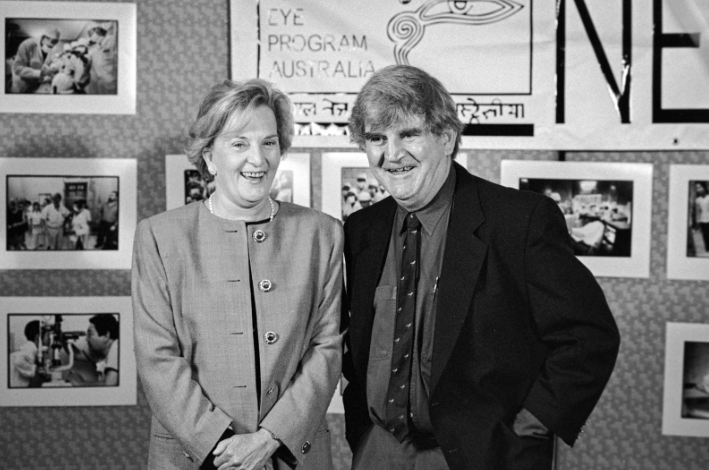
Photo credit: Michael Amendolia
The Fred Hollows Foundation is launched at the Four Seasons Hotel in Sydney. Hazel Hawke, then wife of former Prime Minister Bob Hawke, was a strong supporter of Fred and was on hand to support the launch.
1993, Vietnam
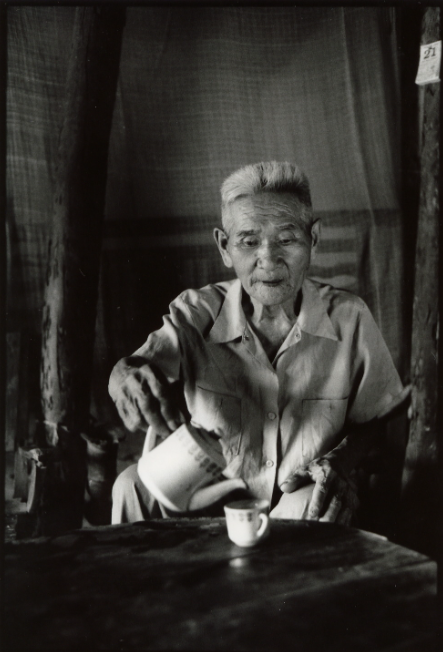
Photo credit: Peter Solness
Our story begins with sight restored. In 1993, Do Ngoc Binh celebrated after successful cataract surgery in Vietnam, one of the many people whose sight Fred’s work helped restore.
1994, Nepal
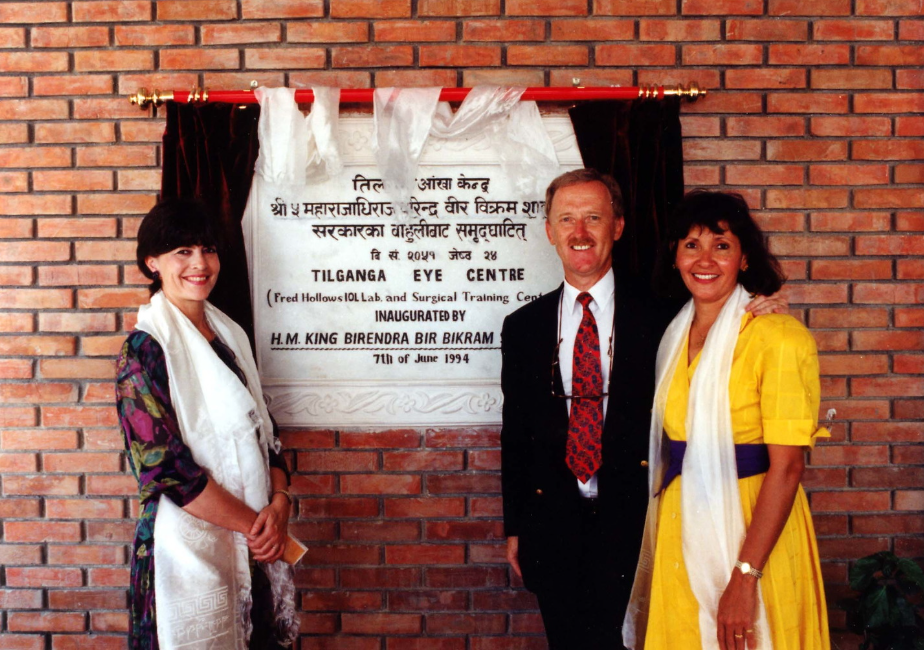
Photo credit: The Fred Hollows Foundation
The Foundation’s vision was already extending beyond individual surgeries. In 1994, Gabi Hollows joined the opening of the Tilganga Eye Centre in Kathmandu, a partnership that remains central to eye care in Nepal and beyond.
1995, Nepal
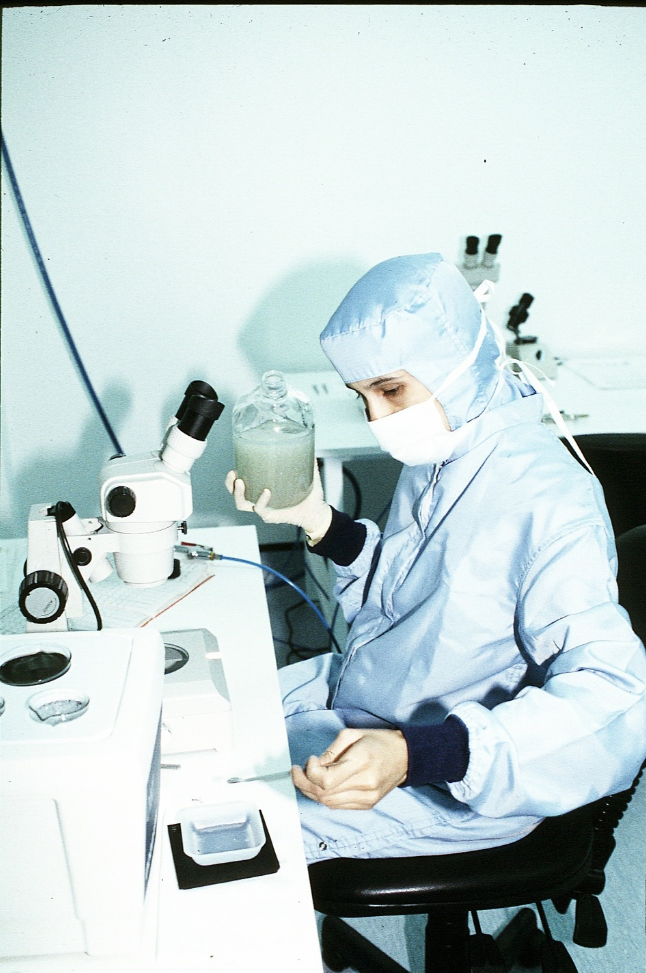
Photo credit: Unknown
Laboratory worker Uma Tripathee cleans lenses at the Fred Hollows Intraocular Lens Laboratory in Kathmandu, helping make high-quality, affordable lenses available for cataract surgery.
1996, Pakistan
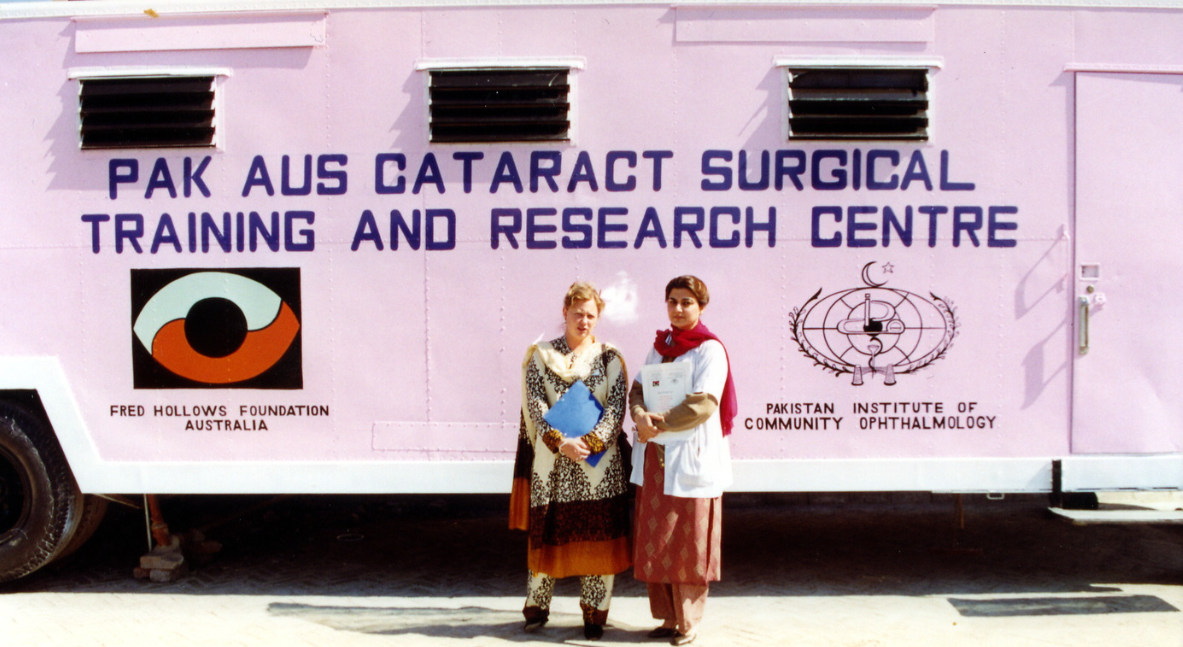
Photo credit: The Fred Hollows Foundation
Training became a cornerstone of our approach. Here, Foundation staff stand beside a mobile cataract surgical training and research centre in Pakistan, taking skills and expertise closer to the people who needed them.
1997, Vietnam
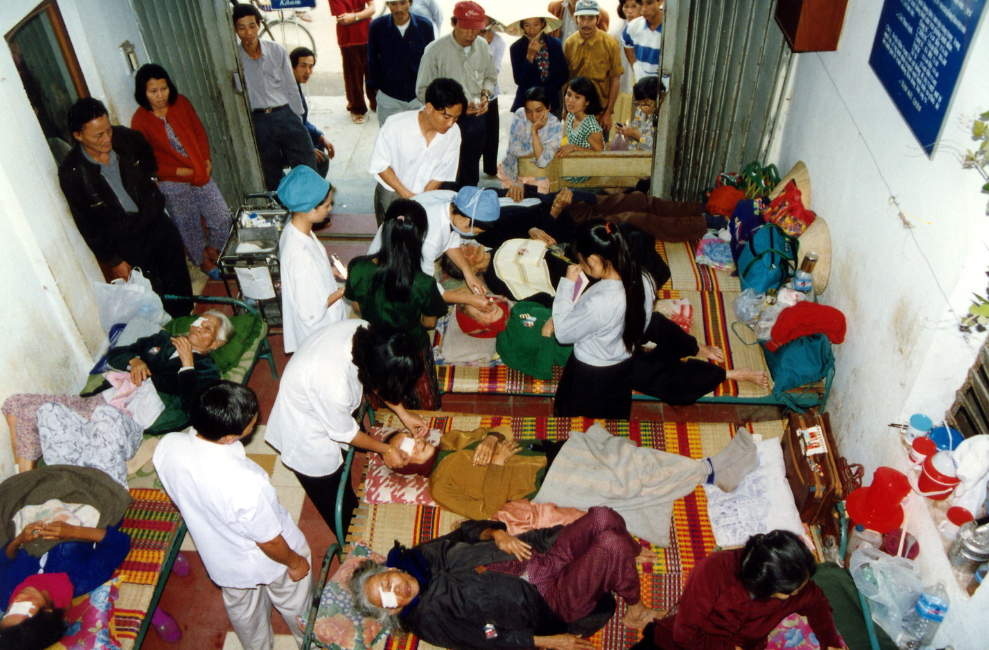
Photo credit: The Fred Hollows Foundation
A busy ward at the Quang Nam Da Nang Eye Centre reflects the growing demand for accessible eye care, and the importance of building services that could meet that need.
1998, Tibet
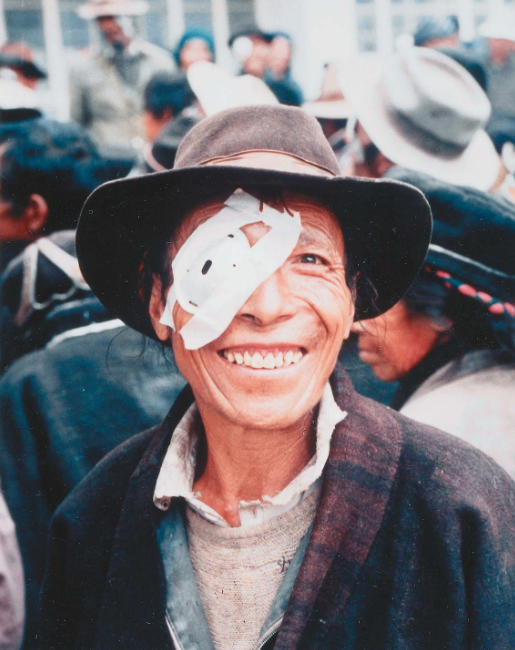
Photo credit: Lhatul Lama
For people living in remote communities, reaching an eye hospital can be a major barrier. Outreach clinics brought surgery closer to home, including this microsurgical clinic in the Tibetan Autonomous Region.
1999, China
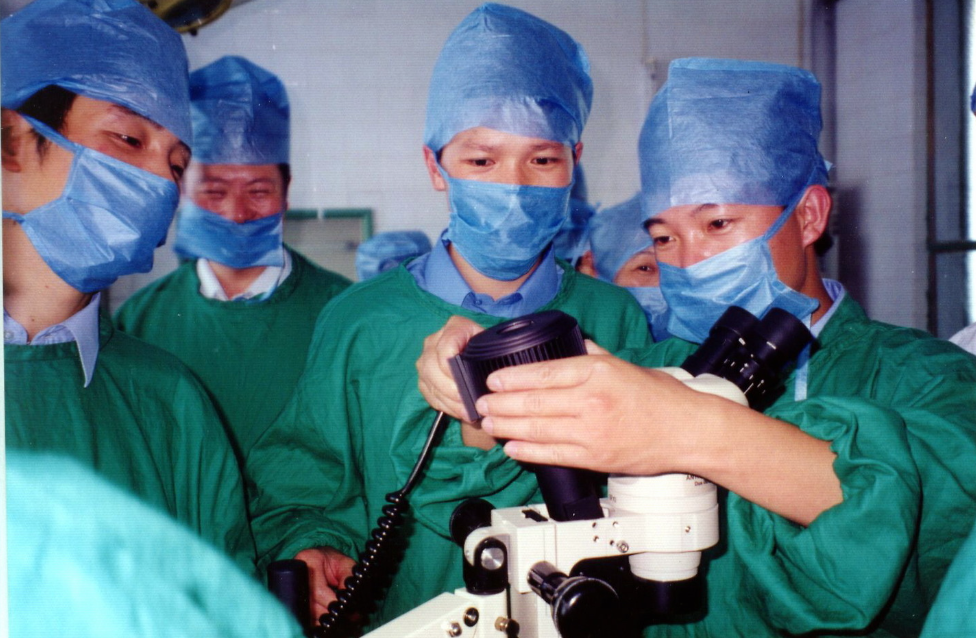
Photo credit: The Fred Hollows Foundation
Training local surgeons has always been about creating lasting change. These doctors are preparing an operating microscope during a surgical workshop in China, building the skills needed to restore sight in their own communities.
2000, Nepal
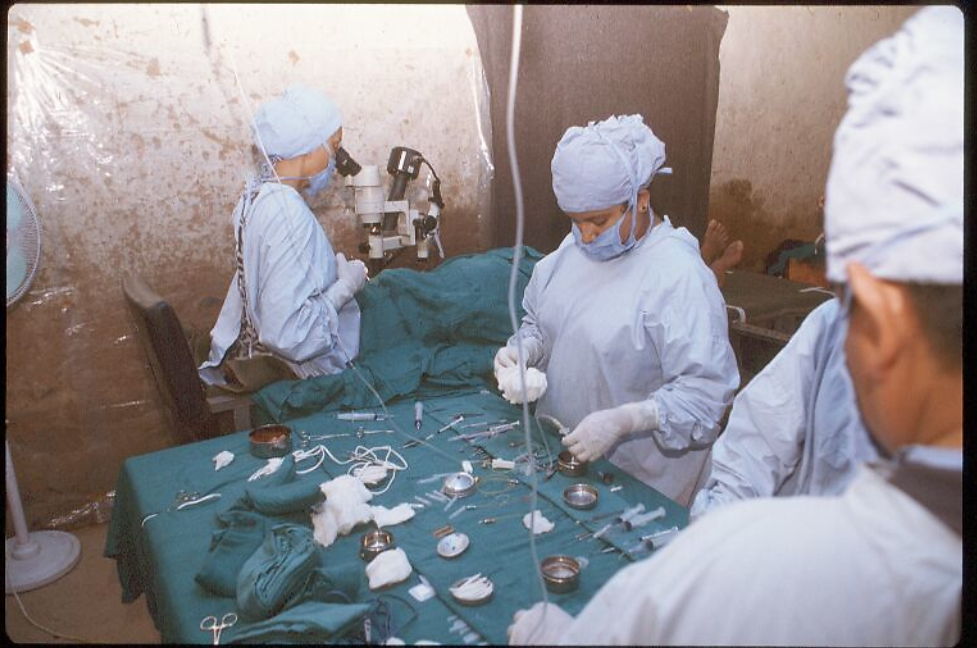
Photo credit: The Fred Hollows Foundation
Eye care was reaching further into rural Nepal. At this outreach clinic, local ophthalmologists, trainees and volunteers worked together to provide 118 sight-restoring operations.
2001, Nepal
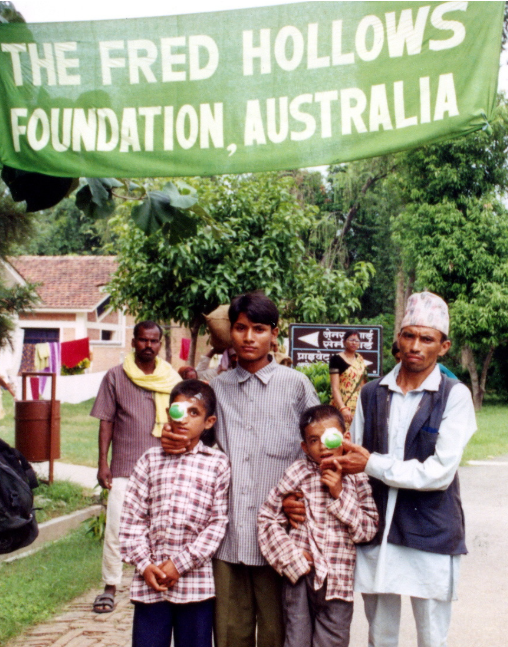
Photo credit: The Fred Hollows Foundation
The impact of training and stronger eye health services can be seen in the stories of families like the Bhandari brothers, who both received surgery for congenital cataracts in Nepal.
2002, Australia
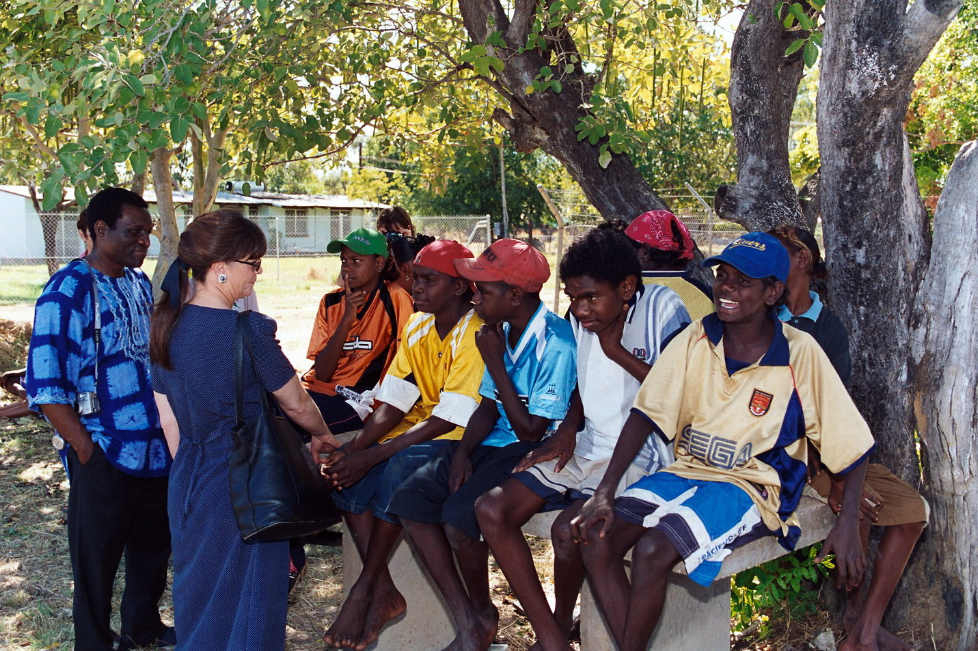
Photo credit: The Fred Hollows Foundation
Back home in Australia, our work has always included supporting Aboriginal and Torres Strait Islander communities. In 2002, Gabi Hollows joined the opening of the refurbished Barunga Women’s Resource Centre in the Northern Territory.
2003, Pakistan
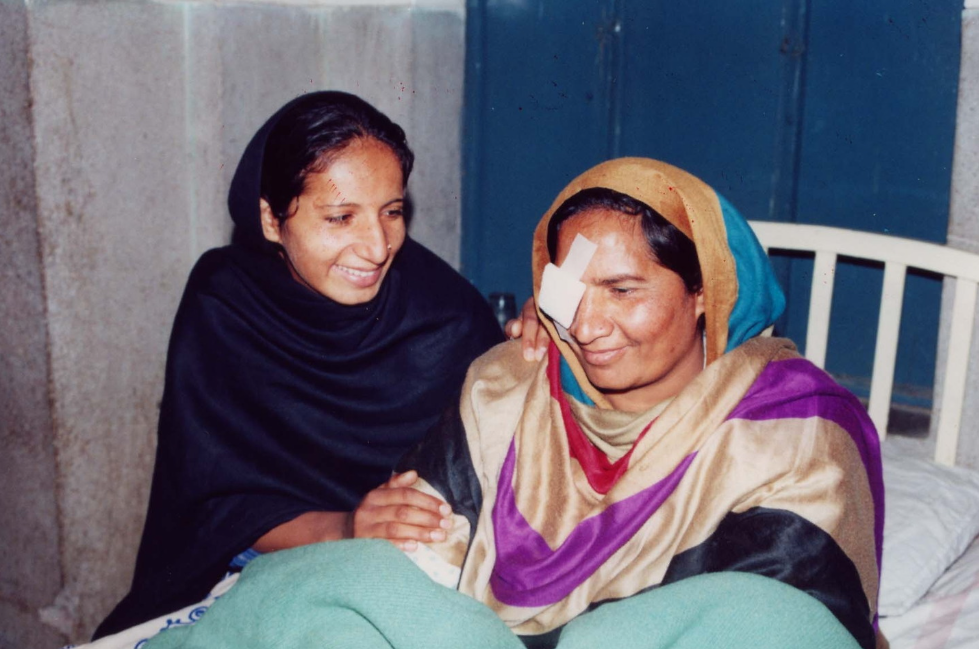
Photo credit: The Fred Hollows Foundation
A million lenses, a million opportunities to see again. Zubaida Bibi became the recipient of the one millionth Fred Hollows intraocular lens in Pakistan after cataract had left her blind.
2004, Eritrea
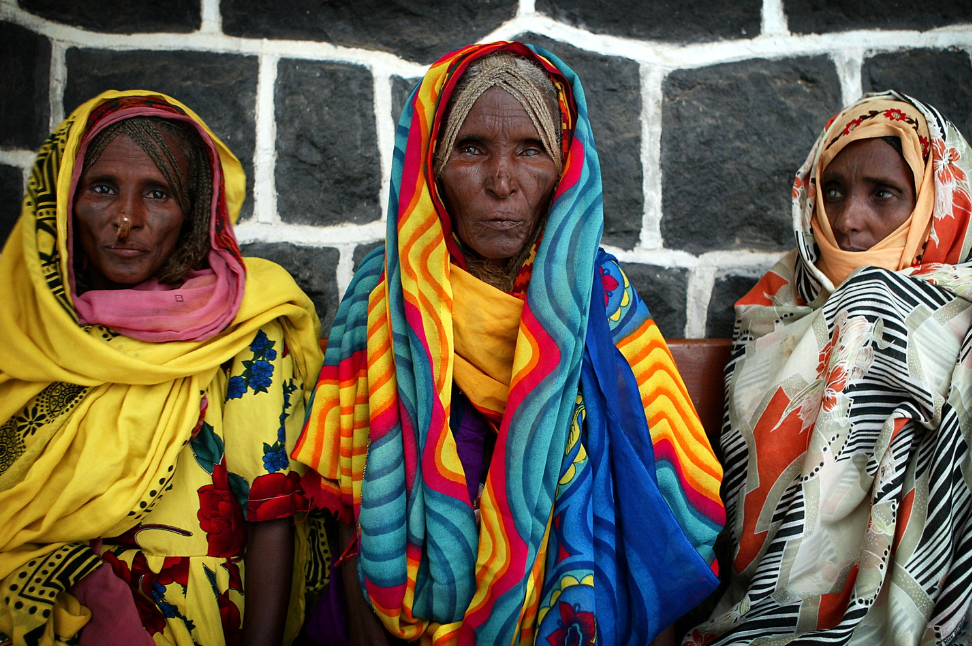
Photo credit: Lannon Harley
Fred dreamed of countries producing their own affordable intraocular lenses. By 2004, Foundation-supported laboratories and training were helping make quality cataract surgery more accessible in Eritrea, where thousands of people had received Fred Hollows lenses.
2005, North Korea
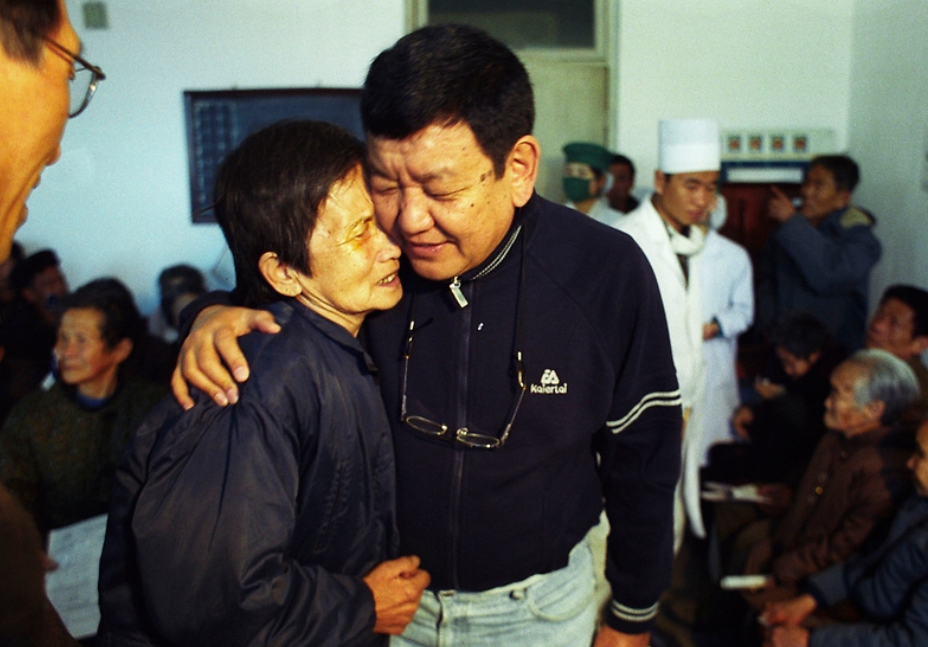
Photo credit: Michael Amendolia
Our work has taken us to some of the world’s most challenging places. At a surgical training workshop in North Korea, a patient embraces Nepalese eye surgeon Dr Sanduk Ruit after her cataract surgery.
2006, Cambodia
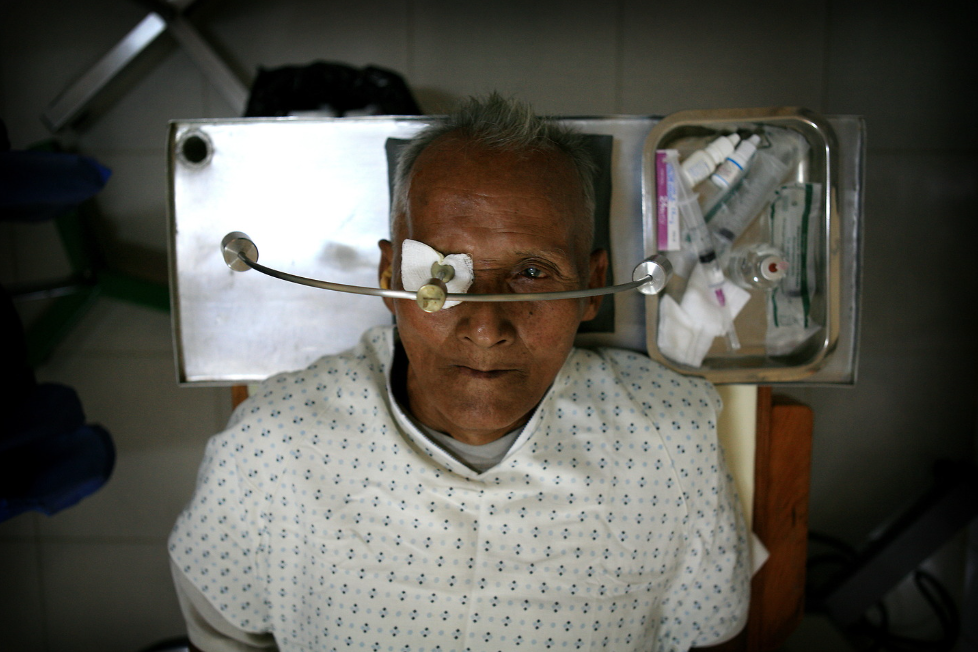
Photo credit: Lannon Harley
Behind every successful surgery is a team of skilled health workers. In Cambodia, eye teams were providing cataract surgery to people who had often faced significant barriers to accessing care.
2007, Kenya
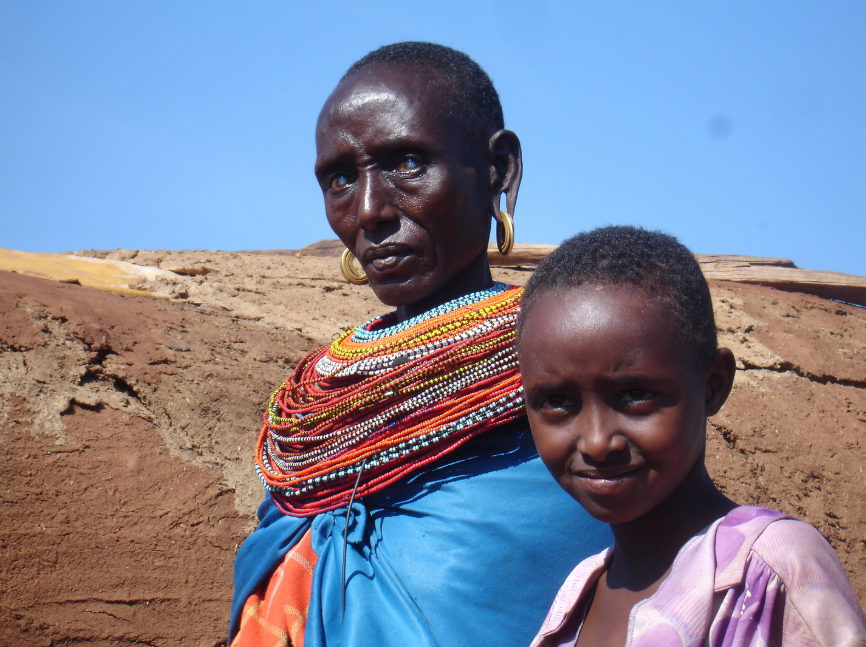
Photo credit: The Fred Hollows Foundation
For Rose, cataract had taken away her independence and meant her young daughter Simila often missed school to care for her. After surgery, Rose could once again manage many everyday tasks herself.
2008, Vietnam
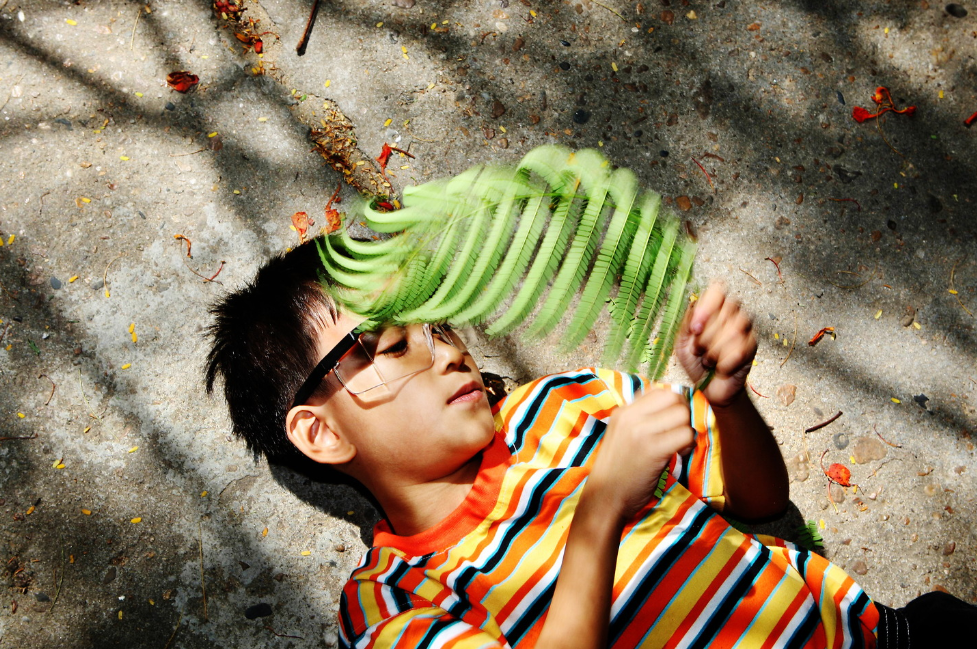
Photo credit: Sydney Morning Herald
Children’s eye health became an increasingly important part of our work. After receiving treatment for congenital cataracts, nine-year-old Malo spent the first hours after his patches were removed exploring the world around him.
2009, Bangladesh
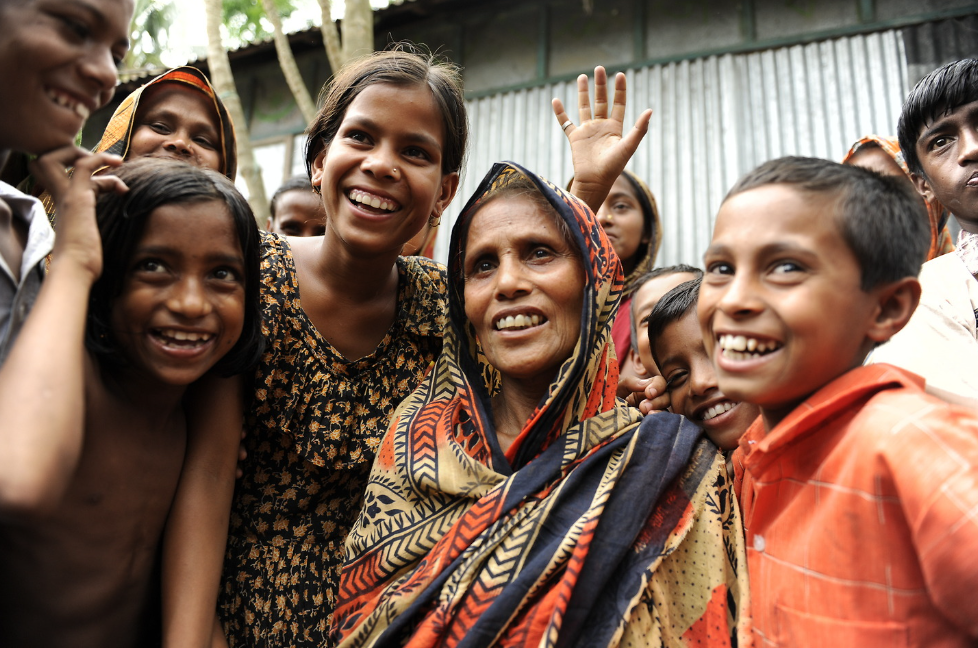
Photo credit: The Fred Hollows Foundation
Restoring sight can transform more than one life. After successful cataract surgery in Bangladesh, Ayna Matai was able to see her grandchildren clearly again.
2010, Australia
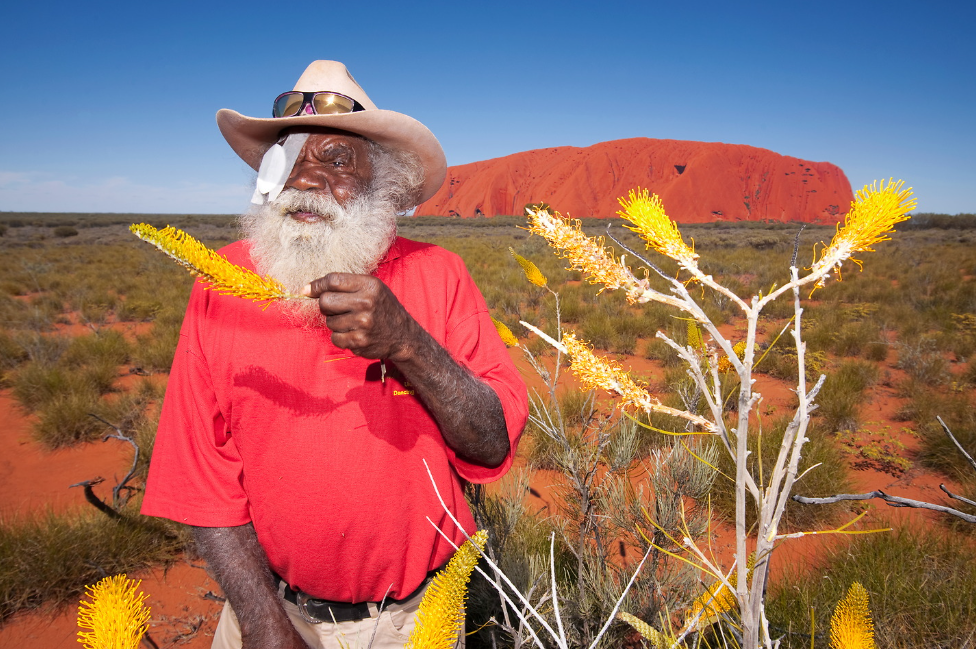
Photo credit: The Fred Hollows Foundation
Traditional Owner of Uluru, Reggie, travelled 460 kilometres from Mutitjulu to Alice Springs for eye surgery through an integrated eye health program delivered by The Fred Hollows Foundation, Aboriginal health services and government partners.
2011, Rwanda
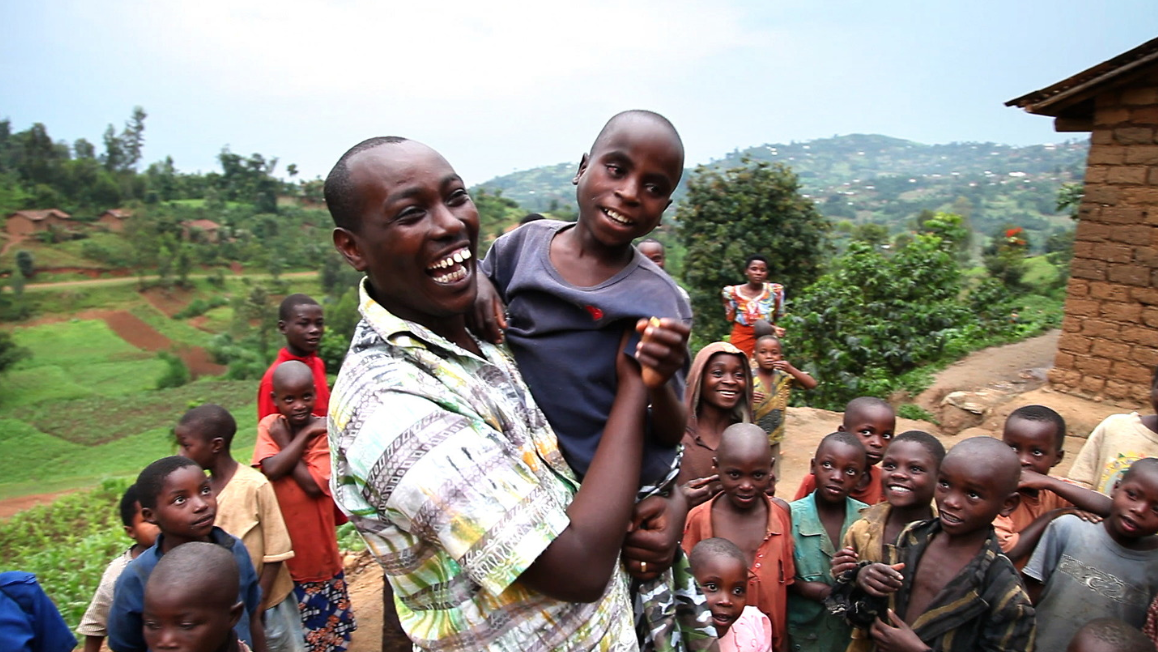
Photo credit: The Fred Hollows Foundation
Jean had lived with cataract blindness since childhood because his family did not know his condition could be treated. When a Foundation-supported eye clinic reached his community, he finally had the chance to see clearly.
2012, Cambodia
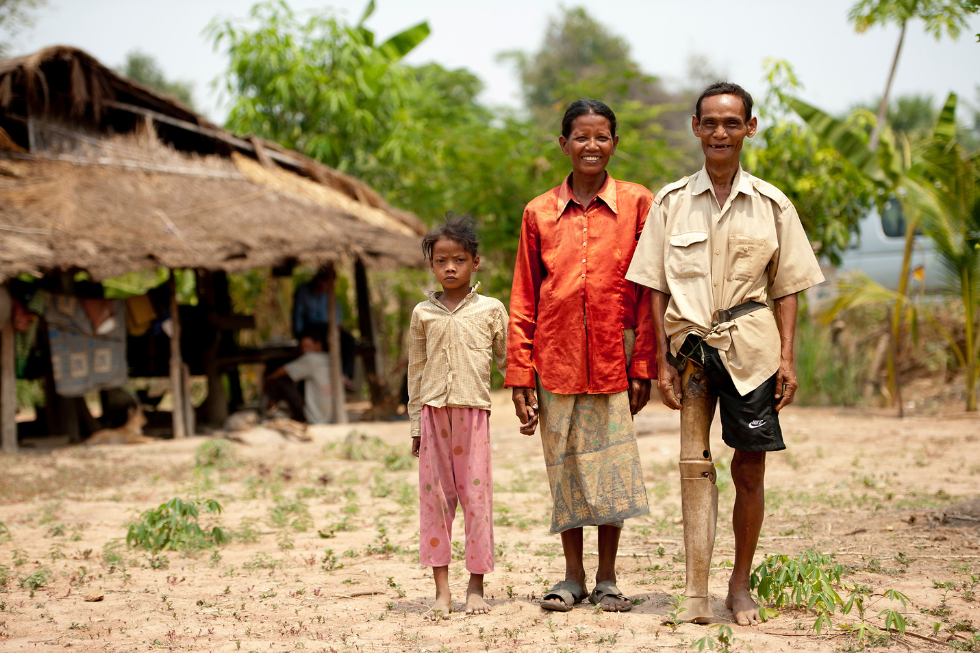
Photo credit: The Fred Hollows Foundation
Farmer Hen Vin lost his leg to a Khmer Rouge land mine. After being screened in his village, he travelled 40 kilometres to a Foundation-supported eye unit for cataract surgery.
2013, Nepal
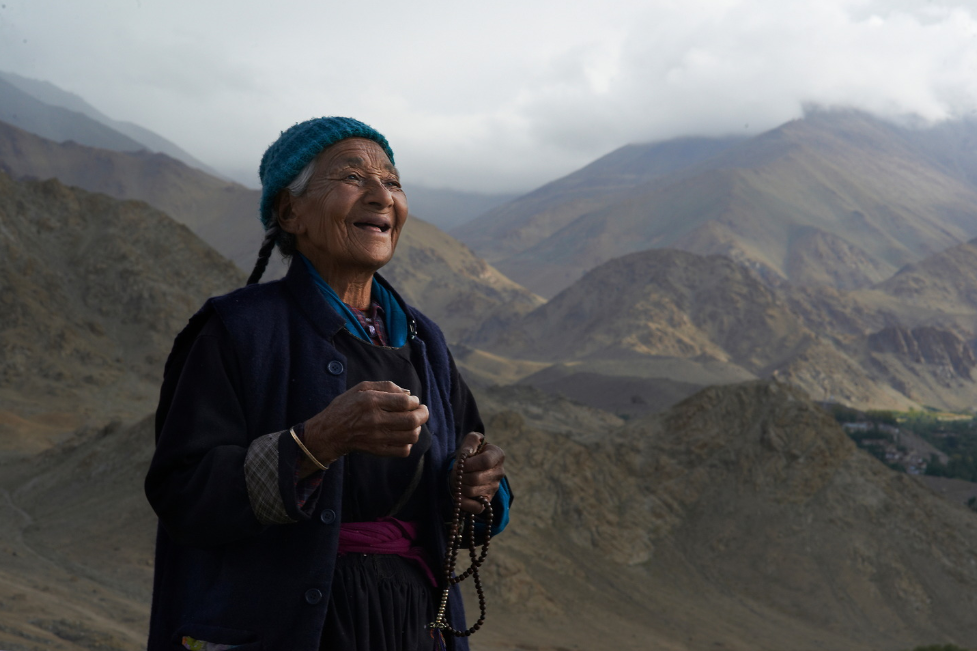
Photo credit: The Fred Hollows Foundation
Dr Sanduk Ruit and the Tilganga team brought sight-restoring surgery to remote communities through outreach eye camps. In Ladakh, Palzin Tsomo travelled for hours through the Himalayas to receive cataract surgery.
2014, Kenya
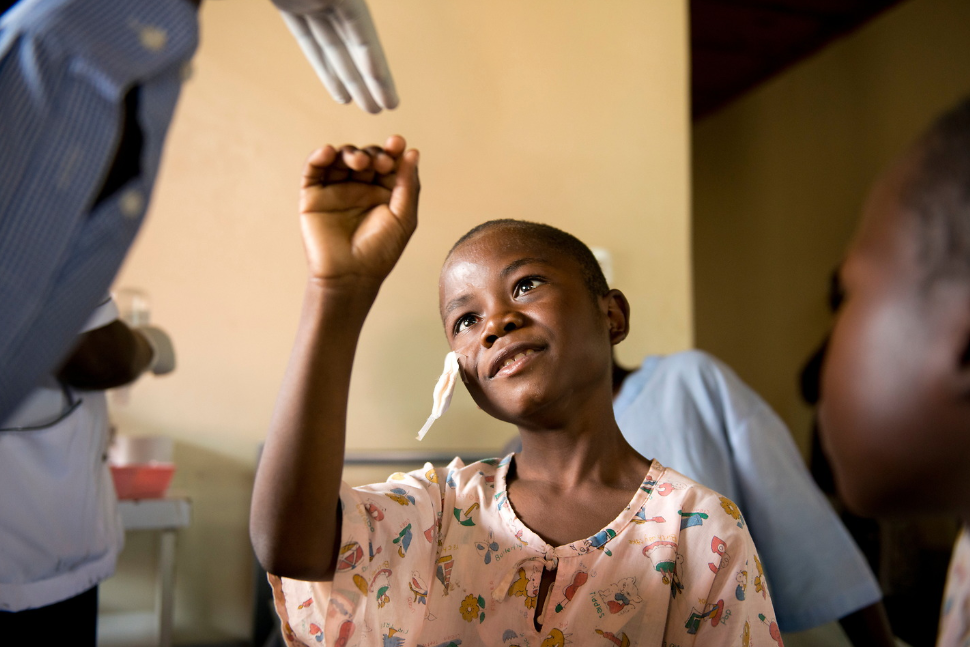
Photo credit: The Fred Hollows Foundation
Collins had been blind from cataract since infancy and was turned away from school because he could not see the blackboard. After surgery at a Foundation-supported hospital, he could return to school and dream of becoming a doctor.
2015, Lao PDR
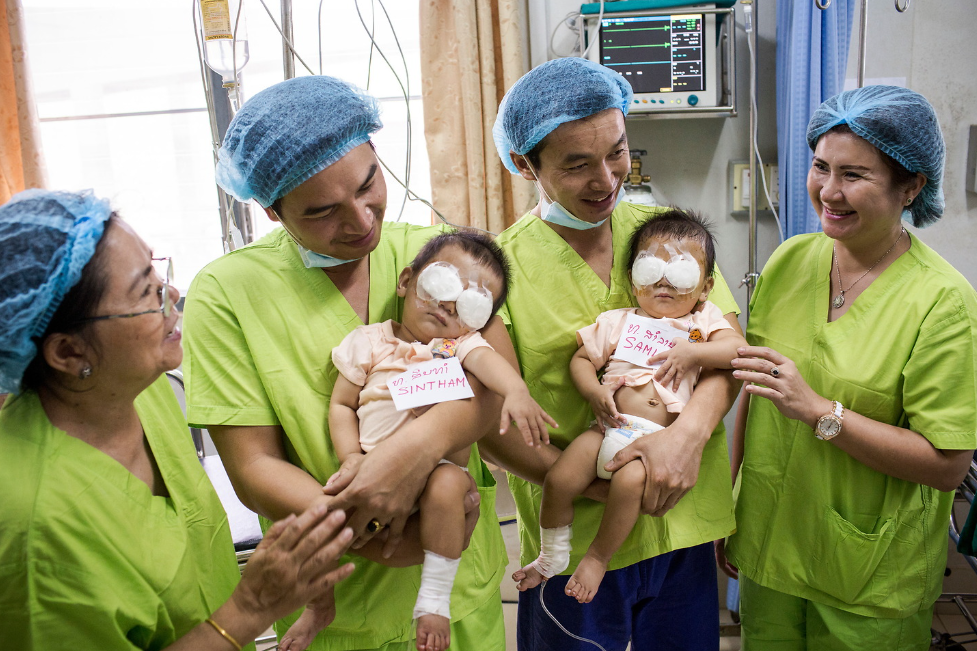
Photo credit: The Fred Hollows Foundation
Seven-month-old twins Samlan and Sintham were born with cataracts and had not been able to see clearly. After travelling two days by boat for surgery, they are pictured with the surgical team, their eye patches still on, after their successful operations.
2016, Rwanda
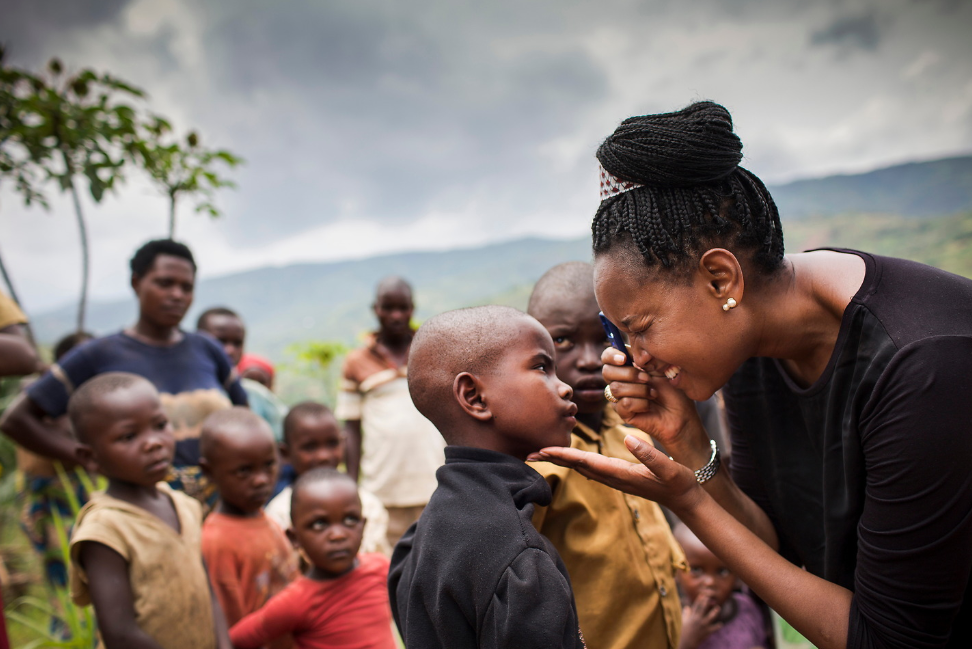
Photo credit: The Fred Hollows Foundation
Nine-year-old Eric’s world had been clouded by cataracts in both eyes. After Dr Ciku Mathenge took him to Kigali and performed a successful surgery, the boy who had struggled to see, was transformed.
2017, Philippines
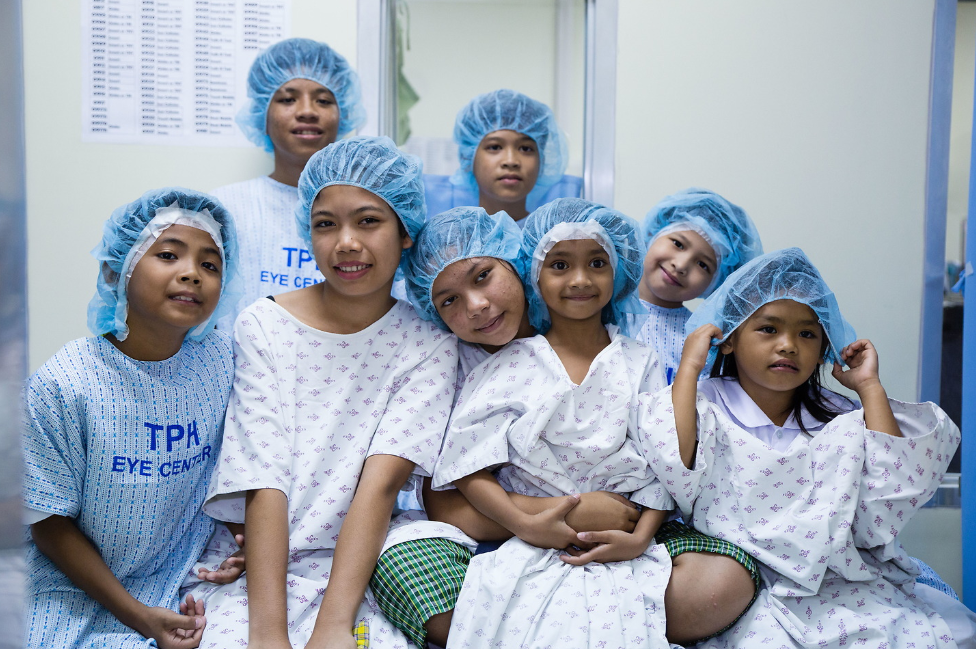
Photo credit: The Fred Hollows Foundation
The Timbang family shows why access to eye care matters across generations. Twelve members of the family, affected by a rare inherited form of cataract, received sight-restoring surgery in one day.
2018, Bangladesh
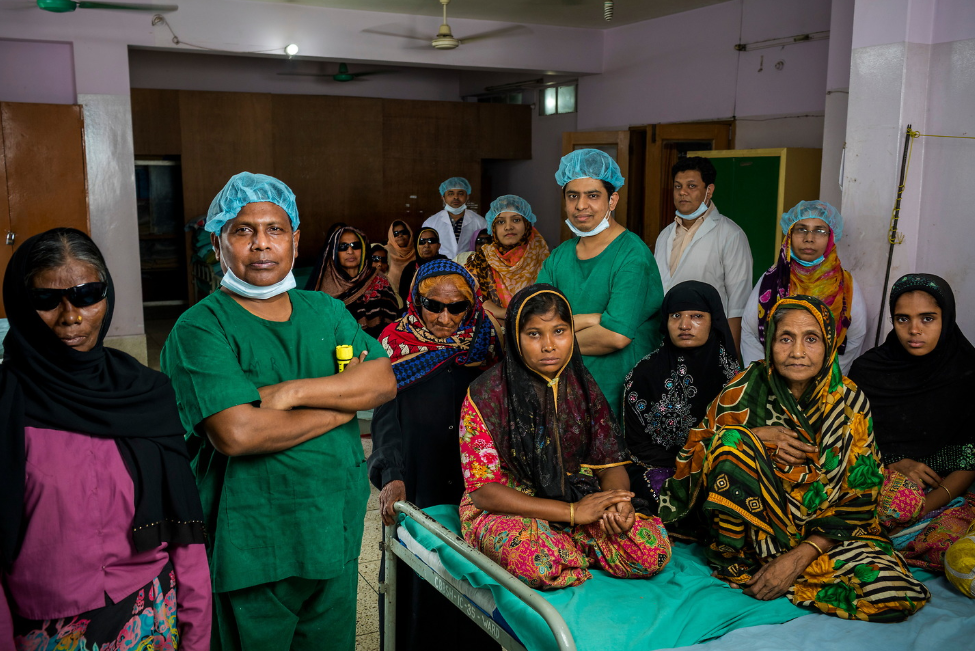
Photo credit: The Fred Hollows Foundation
Eye health is inseparable from the circumstances people live in. As hundreds of thousands of Rohingya refugees arrived in Bangladesh, access to essential health services, including eye care, became another urgent need and The Foundation responded.
2019, Nepal
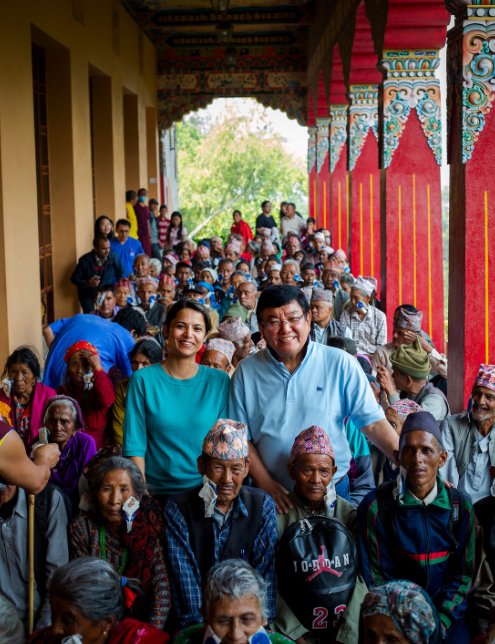
Photo credit: Michael Amendolia
At the annual Pullahari Monastery eye camp, a community comes together to bring eye care closer to people who need it. In just three days, 247 people received surgery and more than 3,600 were screened.
2020, Nepal
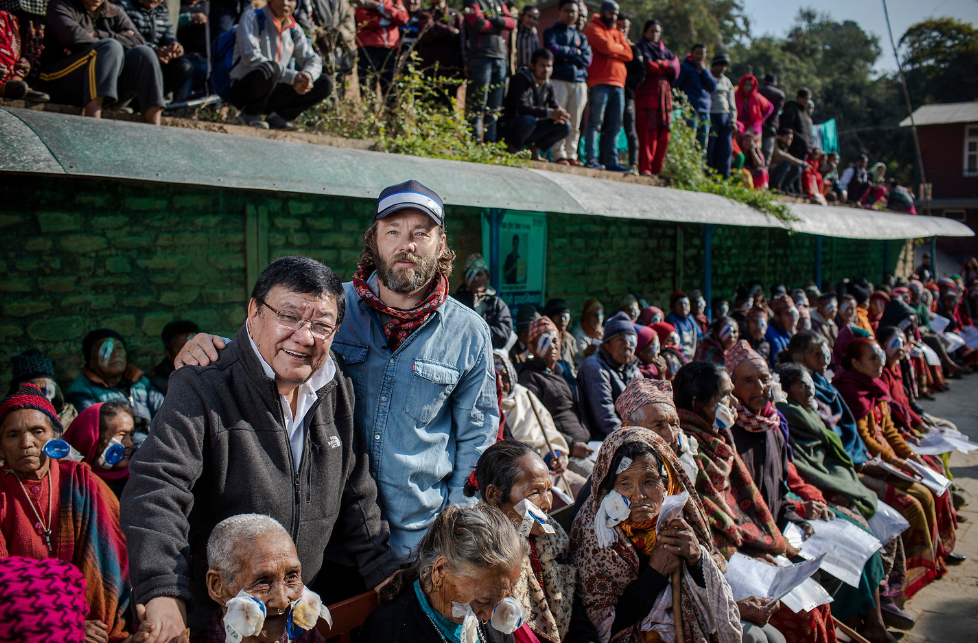
Photo credit: Michael Amendolia
Foundation Global Ambassador Joel Edgerton visits an eye camp in Manthali, Nepal, where around 150 people received sight-restoring surgery. Led by Dr Sanduk Ruit and the Tilganga team, the camp brought essential eye care to a rural community.
2021, Timor Leste
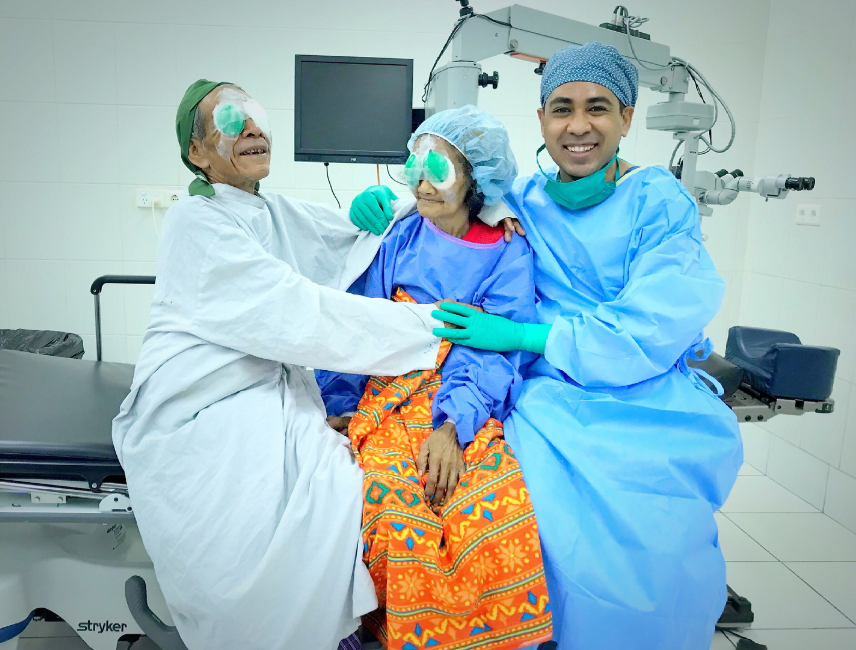
Photo credit: The Fred Hollows Foundation
By now, our work was increasingly focused on strengthening local eye health systems. Dr Frenky de Jesus is one of the eye health professionals helping make sight-restoring care more accessible in Timor-Leste.
2022, Rwanda
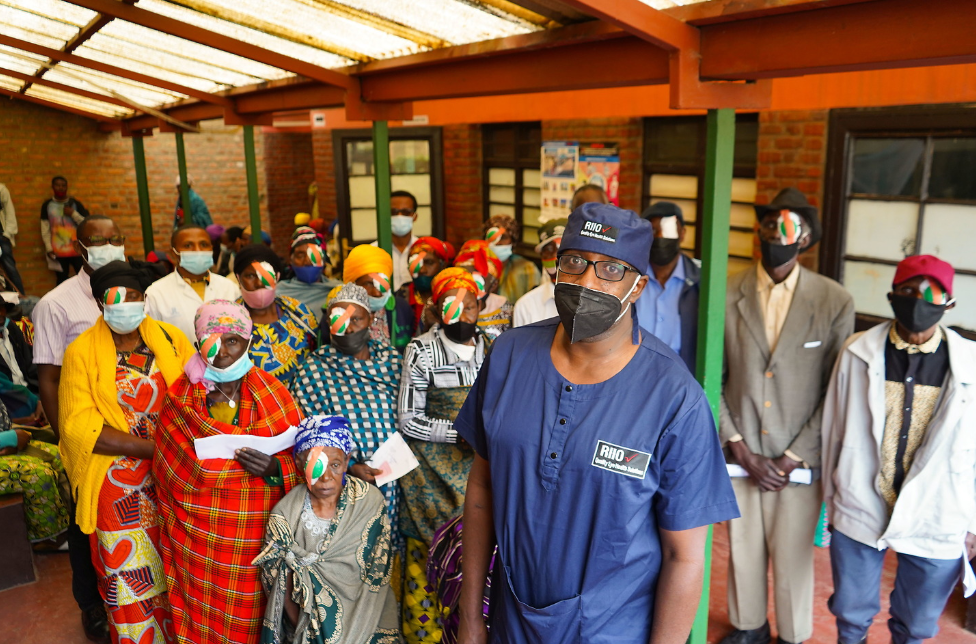
Photo credit: The Fred Hollows Foundation
Building sustainable eye health systems means investing in people. In Rwanda, Foundation-supported ophthalmology residents were preparing to graduate and help address the country’s shortage of specialist eye doctors, particularly in rural areas.
2023, Ethiopia
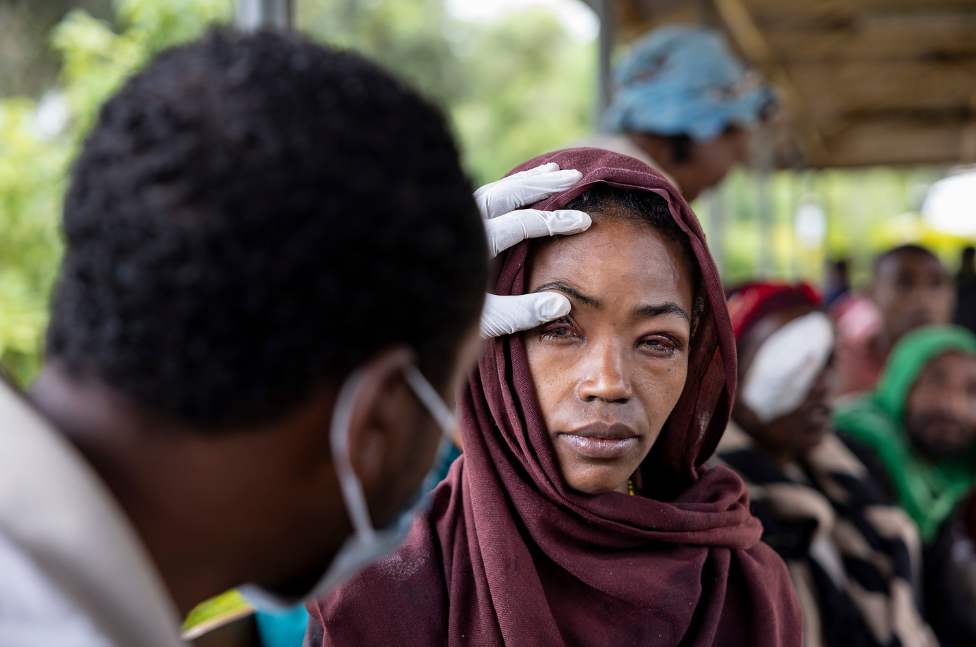
Photo credit: Michael Amendolia
Semira, a 20-year-old mother of two, had lived with the pain of trachoma for two years. An outreach team found Semira in her community and connected her with treatment, helping prevent the disease from progressing towards blindness.
2024, Nepal
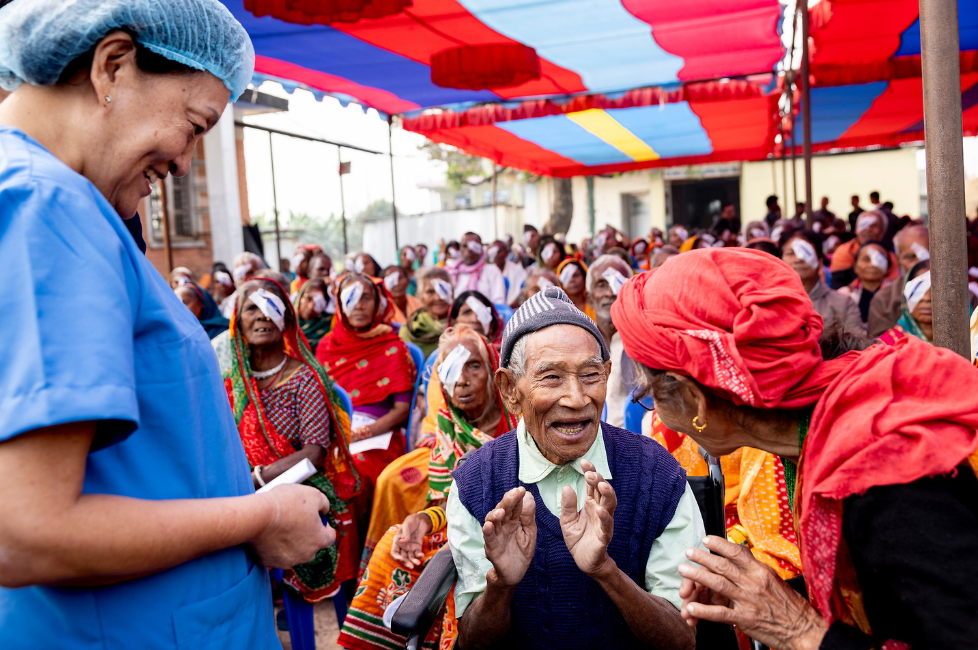
Photo credit: Michael Amendolia
The closer eye care is to home, the easier it is for people to access. The opening of Tilganga Nijgadh Community Eye Hospital meant people like Krishna could access care minutes from home instead of travelling hours for treatment.
2025, Bangladesh
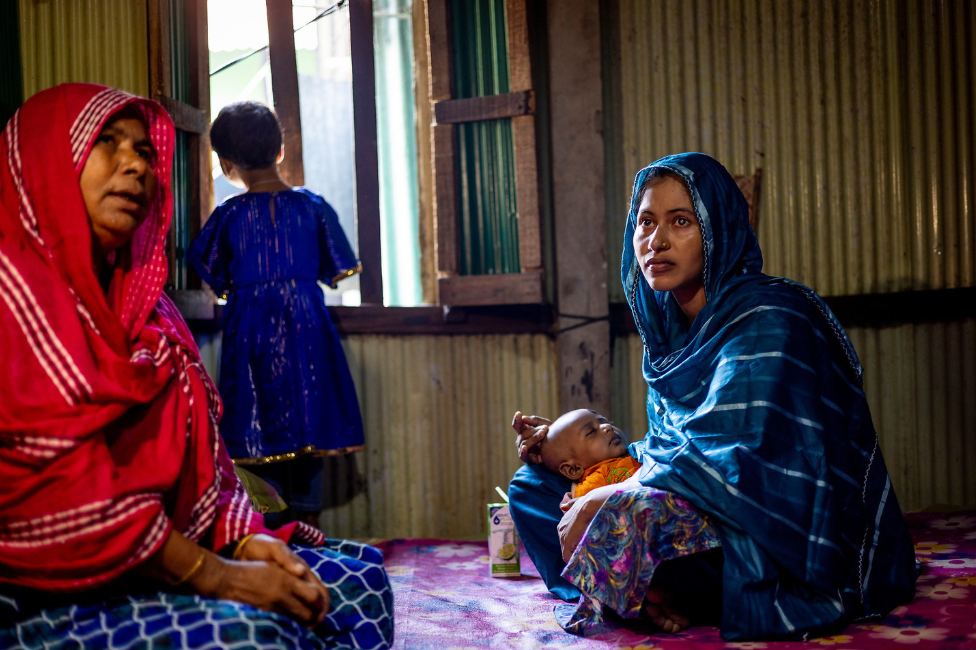
Photo credit: Michael Amendolia
Parveen, a 23-year-old mother, is pictured at home before cataract surgery, longing to see the face of her three-month-old son. After her sight-restoring operation, she was able to see him clearly for the first time.
2026, Vietnam
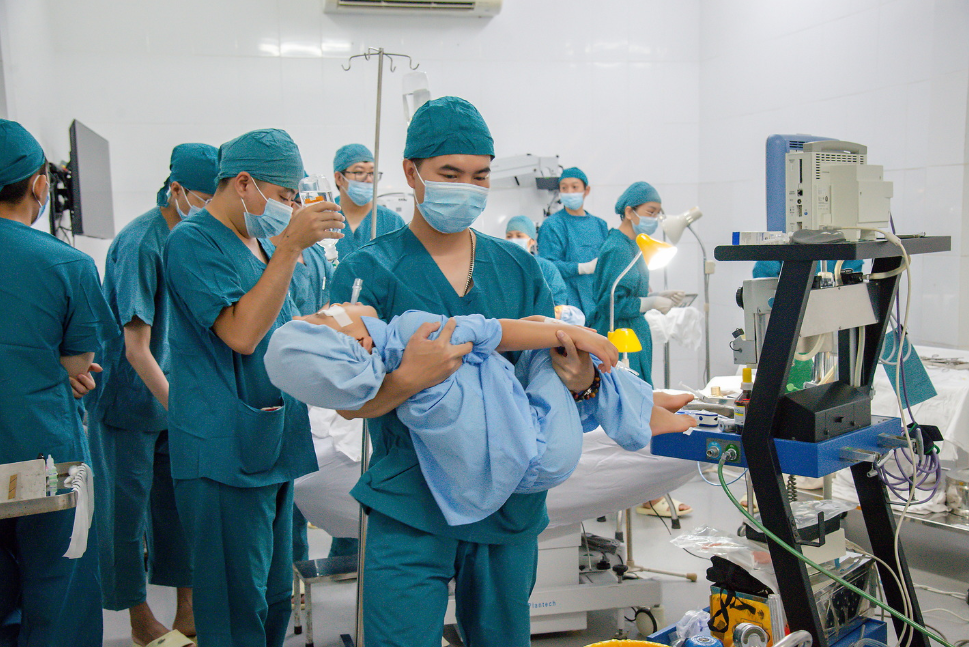
Photo credit: Thom Truong
Today, our work continues to evolve. In Vietnam, local eye hospitals are working alongside national specialists to provide free surgery for children while sharing expertise and strengthening paediatric eye care for the future.
We’ve come a long way. But there’s more to do.
For 34 years, supporters like you have helped make moments like these possible.
You’ve helped train eye health workers, strengthen hospitals, and reach remote communities in more than 25 countries around the world.
And we’ve come a long way. But there’s still a long way to go.
Around 9 in 10 people who are blind don’t need to be. With the right eye care, much of the world’s avoidable blindness can be prevented or treated.
Your support can help us reach more people who are still waiting for the eye care they need.
Related articles

The history of trachoma in Australia and how it was eliminated

Why Indigenous eye health mattered so much to Fred Hollows

How Fred Hollows and Dr Sanduk Ruit changed eye care forever