
How Fred Hollows and Dr Sanduk Ruit changed eye care forever

When Professor Fred Hollows met Dr Sanduk Ruit in Nepal during the 1980s, it marked the beginning of a partnership that would change eye care around the world. Together, they challenged long-held beliefs about cataract surgery, made sight-restoring treatment affordable for millions of people and transformed the way eye care is delivered across low-income countries.
More than 40 years later, their shared vision lives on through The Fred Hollows Foundation, the Tilganga Institute of Ophthalmology and the thousands of eye health professionals they inspired and trained.
A chance meeting with a shared vision
In the early 1980s, Dr Sanduk Ruit was a young ophthalmologist working on the Nepal Blindness Survey. He wanted to understand why so many people were losing their sight from cataracts when treatment already existed.
During the survey, he met Australian ophthalmologist Professor Fred Hollows.
Fred was unlike anyone Dr Ruit had met before. He was outspoken, practical and deeply committed to ending avoidable blindness. The two quickly discovered they shared the same belief: everyone deserves access to high-quality eye care, regardless of where they live or how much money they have.
Fred became Dr Ruit's mentor and, over many conversations, the pair developed a bold ambition. They wanted to make modern cataract surgery available to people who had long been told it was out of reach.
The barrier was never the surgery
By the late 1980s, millions of people around the world were having their sight restored with modern cataract surgery. The problem was cost.
A tiny artificial lens, known as an intraocular lens (IOL), is implanted into the eye during cataract surgery after the cloudy natural lens is removed. Without it, many patients were left with poor vision and thick glasses. But at the time, these lenses cost hundreds of dollars, making modern cataract surgery unaffordable for millions of people living in poverty.
 Photo credit: Michael Amendolia
Many experts believed intraocular lenses were simply too expensive and too difficult to use in developing countries.
Fred and Dr Ruit disagreed.
They believed people in Nepal, Vietnam and other low-income countries deserved the same quality of care as anyone else. Instead of accepting lower standards, they looked for ways to make the best treatment affordable.
Challenging the way the world thought about cataract surgery
In 1987, Dr Ruit travelled to Australia to train with Fred at Prince of Wales Hospital in Sydney.
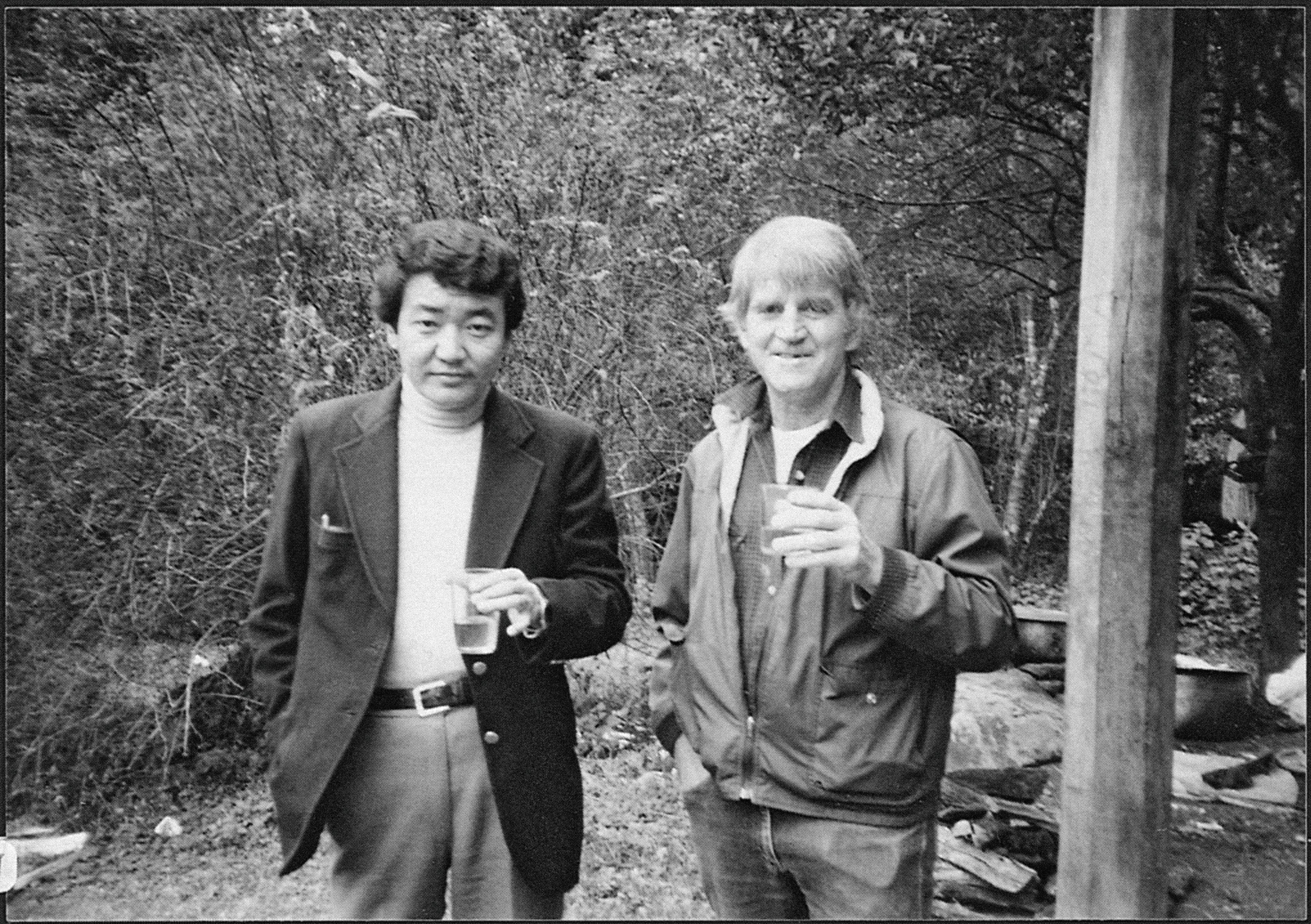 Photo credit: The Fred Hollows Foundation
There, he refined his surgical skills and learned advanced cataract techniques using intraocular lenses. Just as importantly, he adopted Fred's approach to solving problems.
Fred believed healthcare should never be limited by geography or wealth. Rather than asking people to accept less, he asked how the barriers could be removed.
That question shaped everything they did together.
Making cataract surgery affordable
One of the biggest breakthroughs came from one of the smallest parts of the operation.
Fred often described intraocular lenses as "the most expensive pieces of plastic in the world". He knew that unless their cost came down, millions of people would continue to lose their sight unnecessarily.
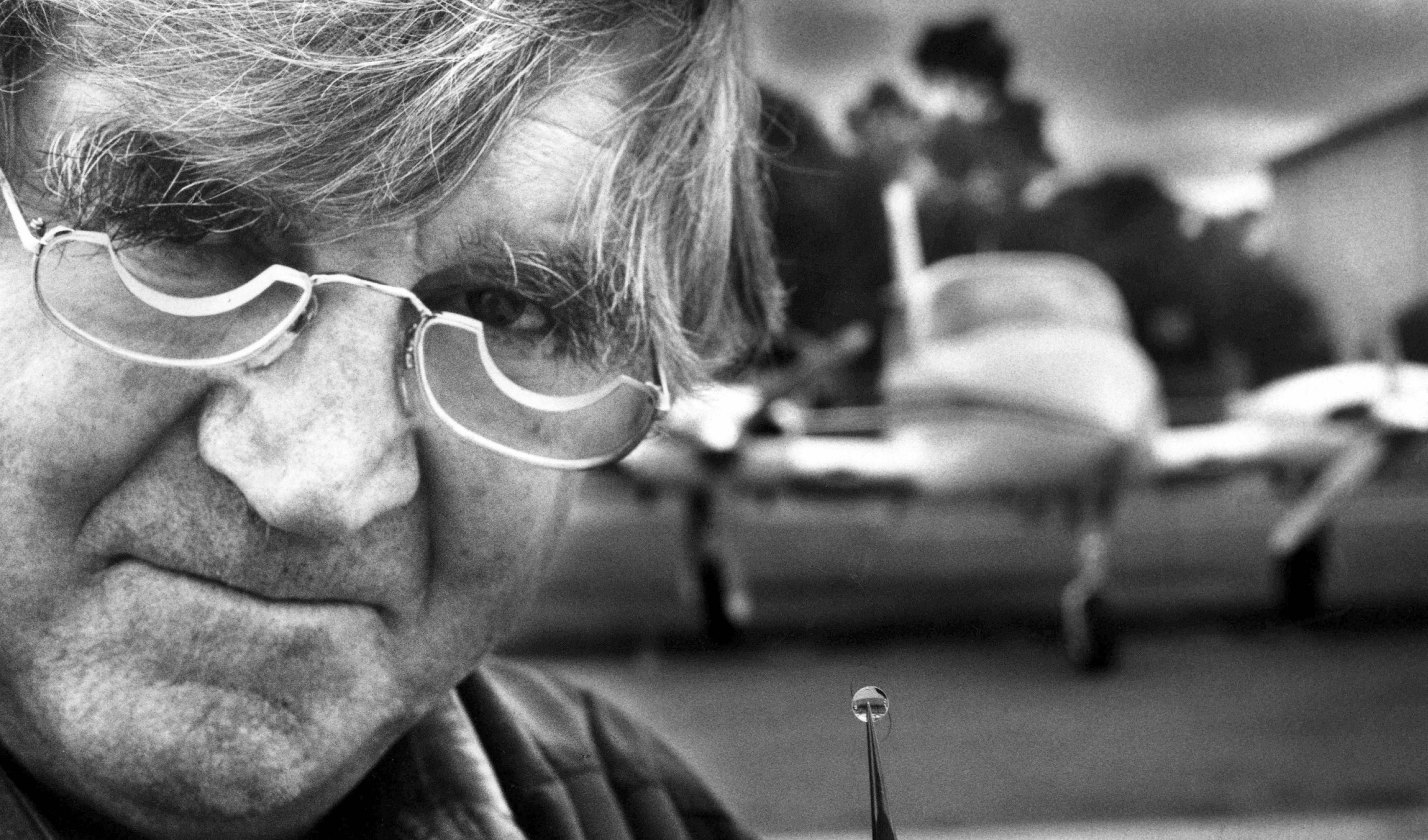 Photo credit: Newspix
His solution was simple but ambitious: manufacture high-quality lenses locally so they could be produced at a fraction of the cost.
With support from partners, affordable lens manufacturing facilities were established in Nepal and Eritrea in 1994. Since then, millions of intraocular lenses have been produced and distributed to more than 50 countries.
By making this essential part of cataract surgery affordable, Fred and Dr Ruit helped transform one of the world's most effective operations into one of its most accessible.
Teaching others to restore sight
Fred believed restoring one person's sight was important. Teaching another surgeon meant helping thousands more.
That philosophy became central to Dr Ruit's career.
Rather than focusing only on performing surgery himself, he dedicated his life to training ophthalmologists and strengthening local eye health systems.
In 1992, Fred and Dr Ruit travelled to Vietnam to train local surgeons in modern cataract surgery techniques. Their goal was never to create dependence on visiting doctors. Instead, they wanted local teams to have the skills, equipment and confidence to provide high-quality eye care within their own communities.
This approach continues to guide The Fred Hollows Foundation today.
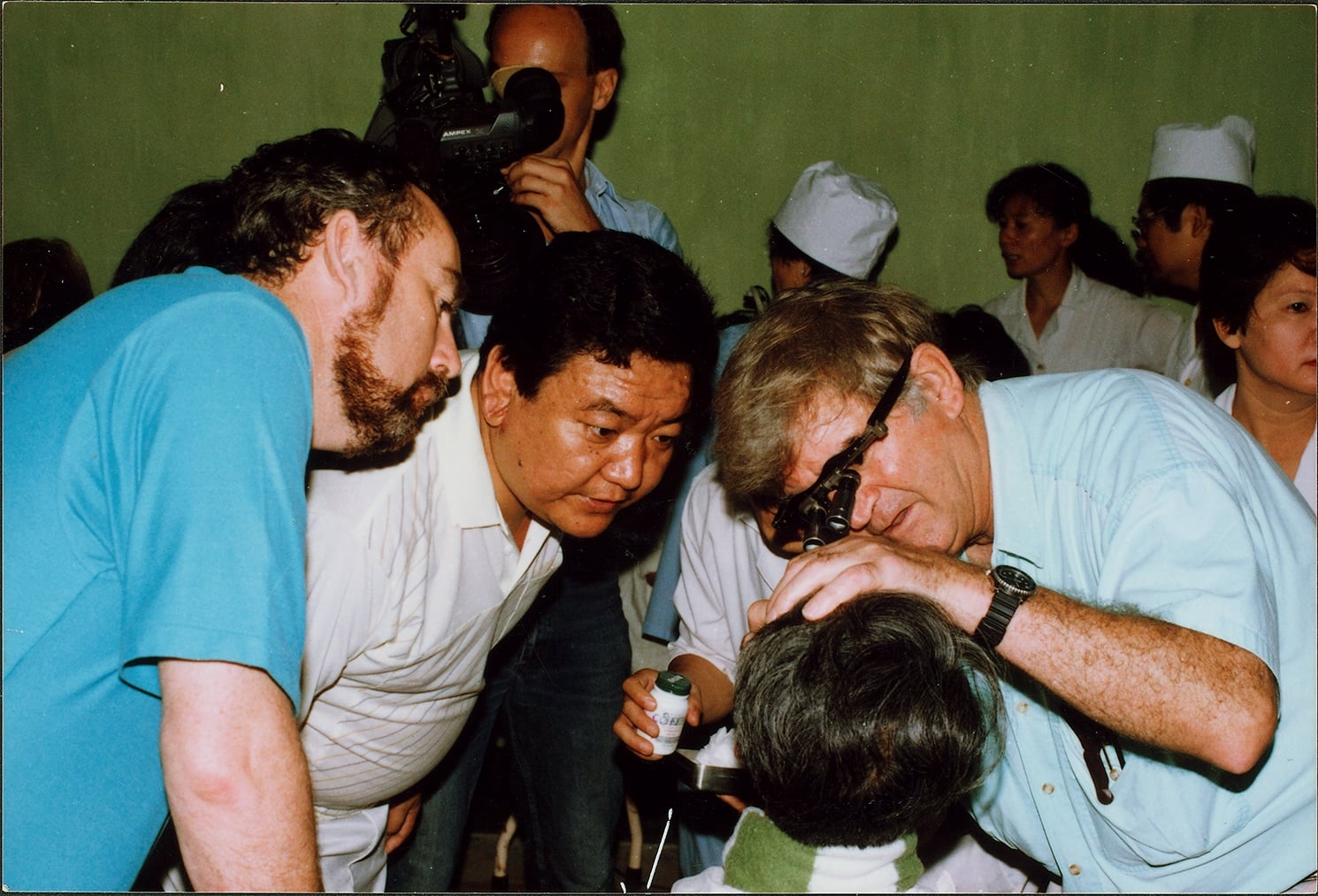
Fred Hollows and Dr Sanduk Ruit with Mr Joe Dalzell, leading a cataract training workshop in Hanoi, Vietnam.
Photo credit: Michael Amendolia
Building a lasting legacy in Nepal
After Fred's death in 1993, the work they had started together did not end.
With support from The Fred Hollows Foundation, the Tilganga Eye Centre opened in Kathmandu in 1994. Under Dr Ruit's leadership, it grew into one of Asia's leading eye care institutions.
Today, Tilganga restores sight to thousands of people every year, trains ophthalmologists from across the region and continues developing innovative approaches to affordable eye care.
It stands as a lasting reminder of what Fred and Dr Ruit believed from the very beginning: lasting change comes from investing in local people and sustainable health systems.
A partnership that continues to change lives
The partnership between Fred Hollows and Dr Sanduk Ruit has changed millions of lives, but its greatest achievement is perhaps the system they helped build.
By making cataract surgery more affordable, training generations of ophthalmologists and strengthening local eye care services, they created a model that continues to restore sight long after their first meeting in Nepal.
Today, The Fred Hollows Foundation works alongside partners across Asia, Africa and the Pacific to continue that vision. Every surgeon trained, every cataract operation performed and every person who regains their sight is part of the legacy Fred and Dr Ruit began more than four decades ago.
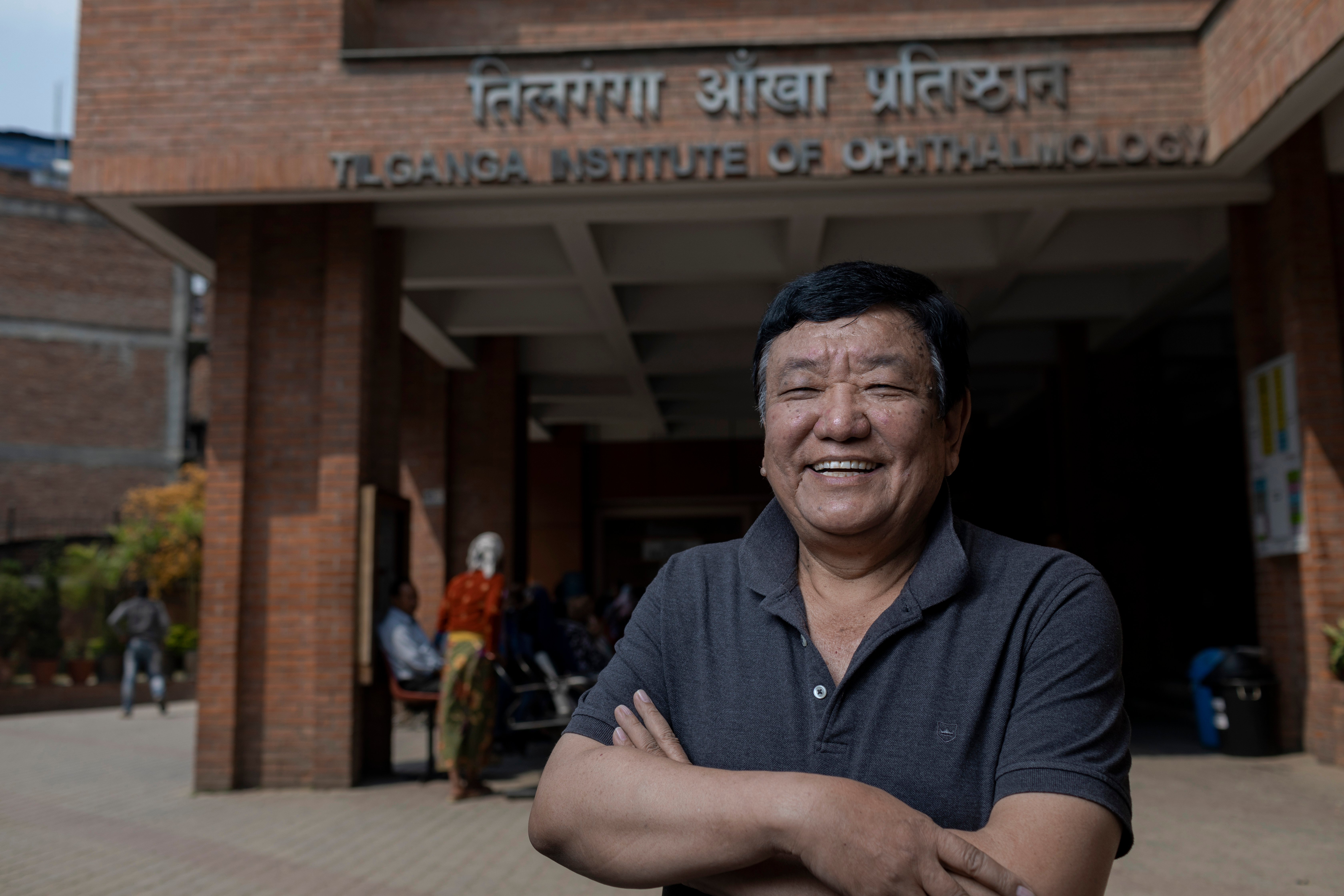
Photo credit: Michael Amendolia
Frequently asked questions
How did Fred Hollows meet Dr Sanduk Ruit?
Fred Hollows met Dr Sanduk Ruit during the Nepal Blindness Survey in the early 1980s. Fred became Dr Ruit's mentor, and together they developed a shared vision of making high-quality eye care affordable for everyone.
Why is the partnership between Fred Hollows and Dr Sanduk Ruit important?
Their partnership helped make modern cataract surgery affordable for millions of people. They also trained ophthalmologists, strengthened local eye health systems and demonstrated that high-quality eye care can be delivered in low-resource settings.
What did Fred Hollows teach Dr Sanduk Ruit?
Fred taught Dr Ruit advanced cataract surgery techniques and encouraged him to challenge the idea that quality healthcare should only be available to wealthy communities. Their shared belief in equitable eye care shaped Dr Ruit's career.
What is the Tilganga Institute of Ophthalmology?
The Tilganga Institute of Ophthalmology in Kathmandu, Nepal, was established with support from The Fred Hollows Foundation in 1994. It provides specialist eye care, trains ophthalmologists from around the world and continues to lead innovations in affordable cataract surgery.
Why are intraocular lenses important?
An intraocular lens replaces the cloudy natural lens that is removed during cataract surgery. By helping reduce the cost of these lenses, Fred Hollows and his partners made sight-restoring surgery affordable for millions of people around the world.
Related articles

The history of trachoma in Australia and how it was eliminated

34 years of changing lives: Our story in 34 photographs

Why Indigenous eye health mattered so much to Fred Hollows