
Why Indigenous eye health mattered so much to Fred Hollows

When people think of Professor Fred Hollows, they often think of restoring sight.
But some of the most important work of Fred’s life began in Australia, after he witnessed the profound inequity experienced by Aboriginal and Torres Strait Islander people.
What he saw changed the course of his life.
It also helped shape the values that continue to guide The Fred Hollows Foundation today.
The trip that changed everything
In 1968, Fred treated two senior Aboriginal men from Wattie Creek at his eye clinic in Sydney.
Afterwards, he was invited to visit their community in the Northern Territory.
What he encountered shocked him.
He saw widespread vision loss, poor health outcomes and large numbers of children and adults living with trachoma — a painful and preventable eye disease that had largely disappeared from the rest of Australia.
Later, he travelled to Bourke in western New South Wales and found many of the same challenges.
Fred was deeply disturbed that people were experiencing these conditions in one of the world's wealthiest countries.
As he later wrote:
"I was very annoyed for humanitarian and professional reasons. There was really no excuse for the complete non-detection of trachoma and I knew it meant that people had to be living in sub-standard conditions."
The experience sparked a lifelong commitment to improving eye health and advocating for greater equity for Aboriginal and Torres Strait Islander people.
More than an eye health issue
For Fred, trachoma quickly became about much more than eyesight.
Trachoma is the world's leading infectious cause of blindness. It spreads most easily where access to clean water, sanitation, housing and healthcare is limited.
Fred recognised that the disease reflected broader inequalities.
He understood that people were not going blind simply because trachoma existed. They were going blind because too many communities had been denied the living conditions and services needed to prevent it.
"My major interest is to see Aboriginal home living conditions as good as white living conditions; it is a basic human right to have conditions suitable to rearing children in good health."
This belief shaped Fred's approach for the rest of his life.
He became a passionate advocate not only for eye health, but also for better housing, stronger health services and greater community control over decision-making.
The National Trachoma and Eye Health Program
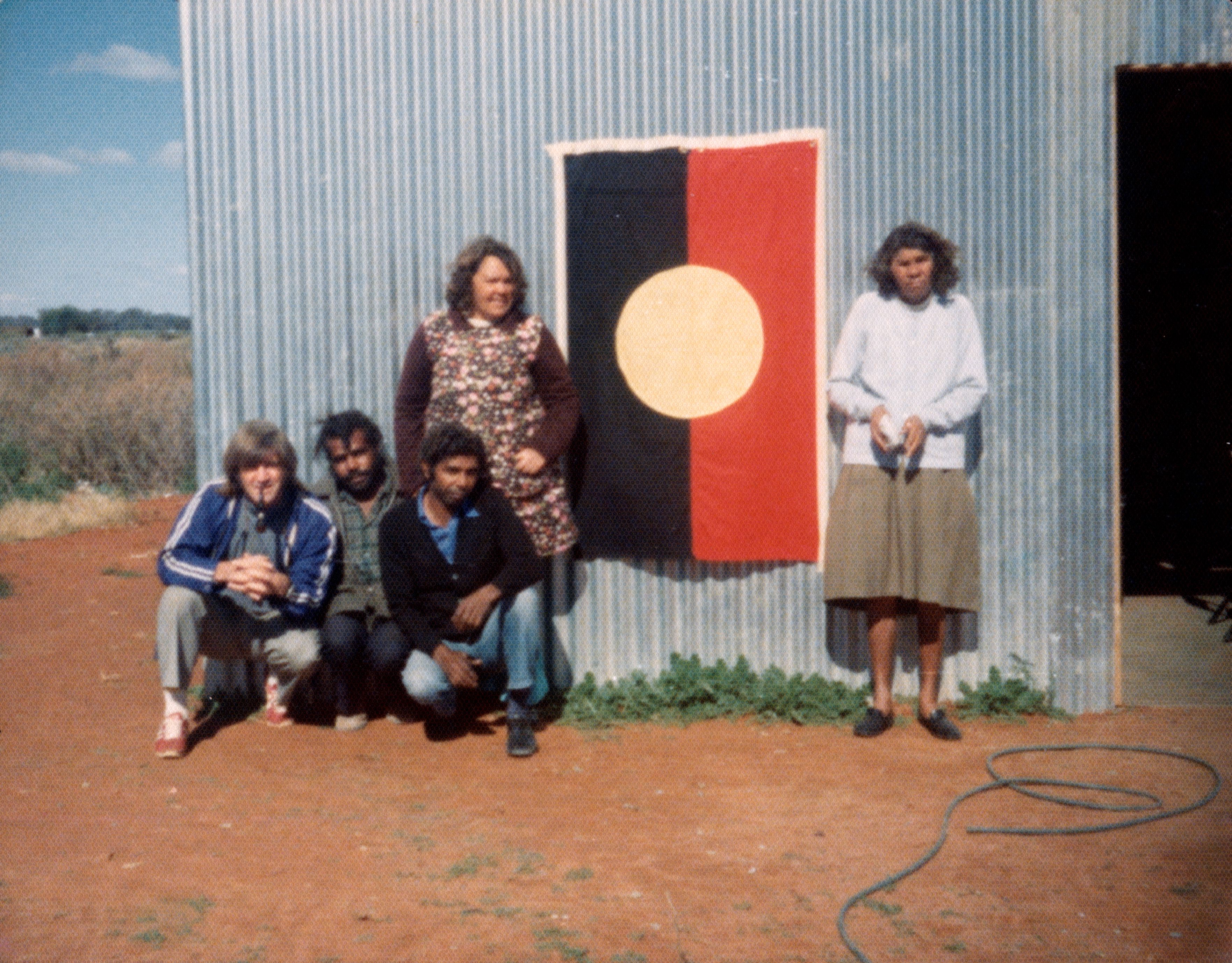 Photo credit: The Fred Hollows Foundation
In 1975, Fred and Gabi Hollows secured Australian Government funding to launch the National Trachoma and Eye Health Program.
The goal was ambitious.
Teams would travel across Australia to understand the true scale of trachoma and deliver eye care to communities that had been largely overlooked by mainstream health services.
Over two years, teams of doctors, nurses and Aboriginal health workers travelled thousands of kilometres across remote and regional Australia.
Together they:
- Visited 465 communities
- Screened more than 100,000 people
- Treated more than 27,000 people for trachoma
- Performed more than 1,000 eye operations
- Delivered more than 10,000 pairs of prescription glasses
Looking back on the program years later, Fred said:
"The National Trachoma and Eye Health Program was a very good program. We visited 465 Aboriginal camps, did over 1,000 operations, treated for trachoma 27,000 Aboriginal people, delivered over 10,000 pairs of individually prescribed spectacles in the remotest of remote places."
The program remains one of the most significant public health initiatives in Australian history.
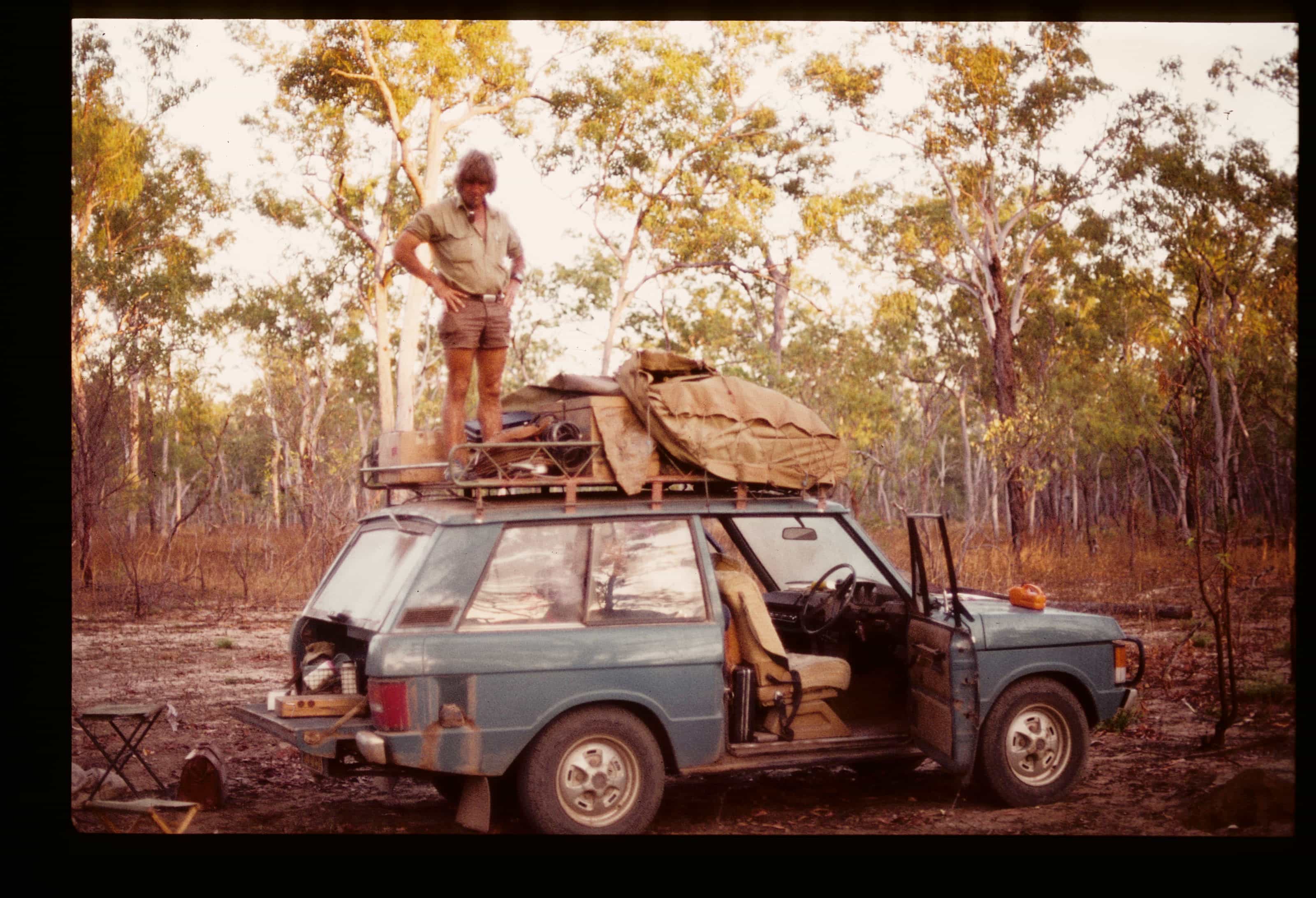 Photo credit: Leon Cebon
Community leadership was at the heart of the work
While Fred is often associated with the National Trachoma and Eye Health Program, he never viewed the work as something delivered to communities.
He believed change could only happen alongside communities.
Aboriginal leaders and health workers including Trevor Buzzacott, Jilpia Jones, Rose Murray, Gordon Briscoe and Reg Murray played a critical role in the program's success.
They helped build trust, guide engagement and ensure local priorities shaped the work.
Fred often spoke about the importance of local leadership and community ownership.
"There must be active community involvement, using the community's own structures, in every aspect of disease control programs."
This belief remains central to The Foundation's Indigenous Australia Program today.
We work alongside Aboriginal Community Controlled Health Organisations and communities because lasting change happens when solutions are community-led.
A belief in self-determination
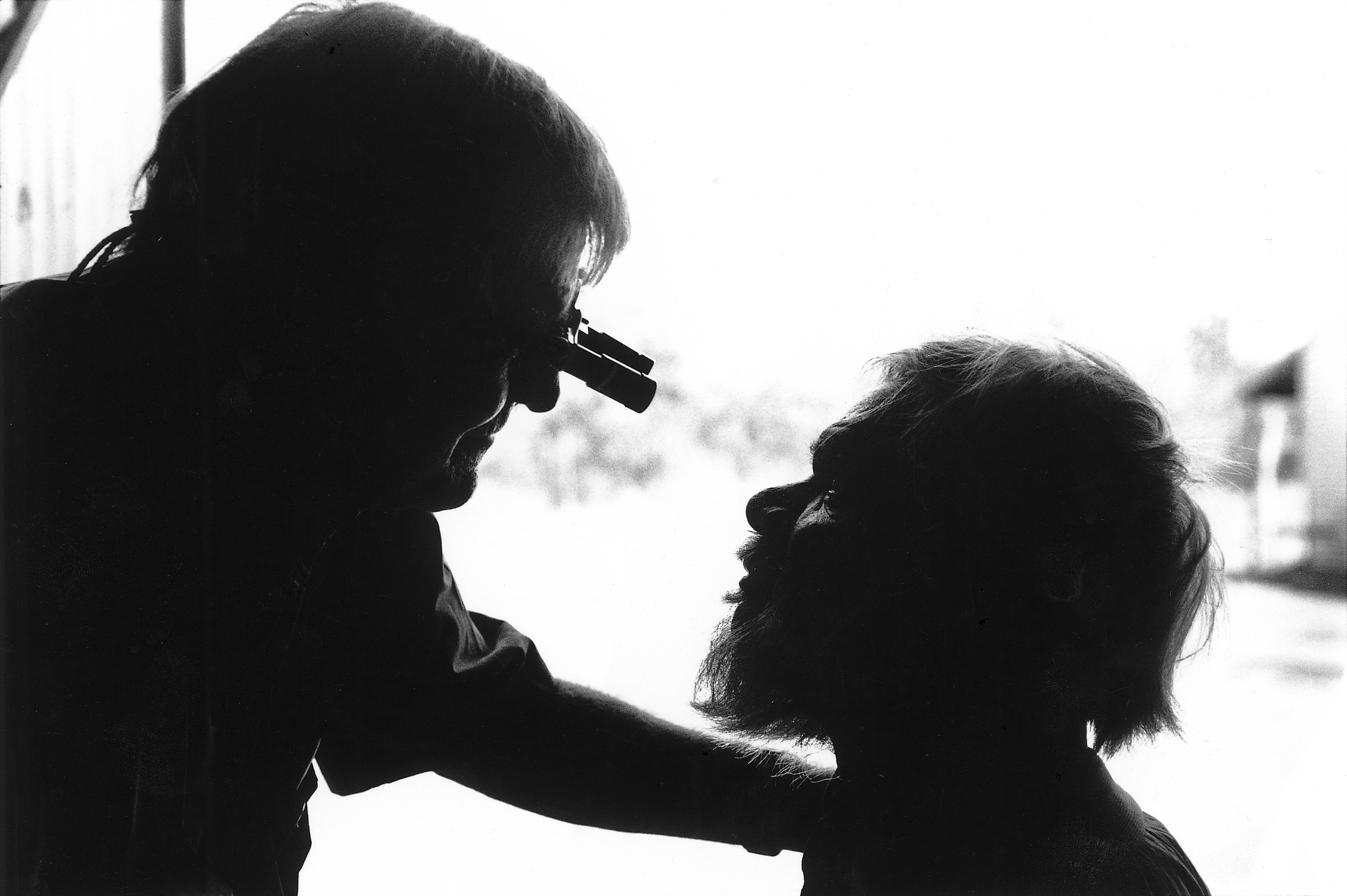 Photo credit: The Fred Hollows Foundation
Long before concepts such as self-determination became widely discussed in mainstream Australia, Fred was advocating for Aboriginal and Torres Strait Islander people to have greater control over healthcare decisions.
He believed communities should have the power to shape services, set priorities and lead solutions.
Speaking about healthcare in Aboriginal communities, Fred said:
"They should be calling the shots – hiring and firing resource personnel of any race and they should be deciding policy."
This belief influenced not only his work in Australia but also his approach to international development.
Rather than creating dependence on outside organisations, Fred believed in building local leadership, skills and capacity.
The same principle continues to guide The Foundation today.
A legacy that continues
In April 2026, Australia achieved a historic milestone when the World Health Organization confirmed the elimination of trachoma as a public health problem.
It was a landmark achievement built on decades of work by Aboriginal and Torres Strait Islander communities, health workers, governments and partner organisations.
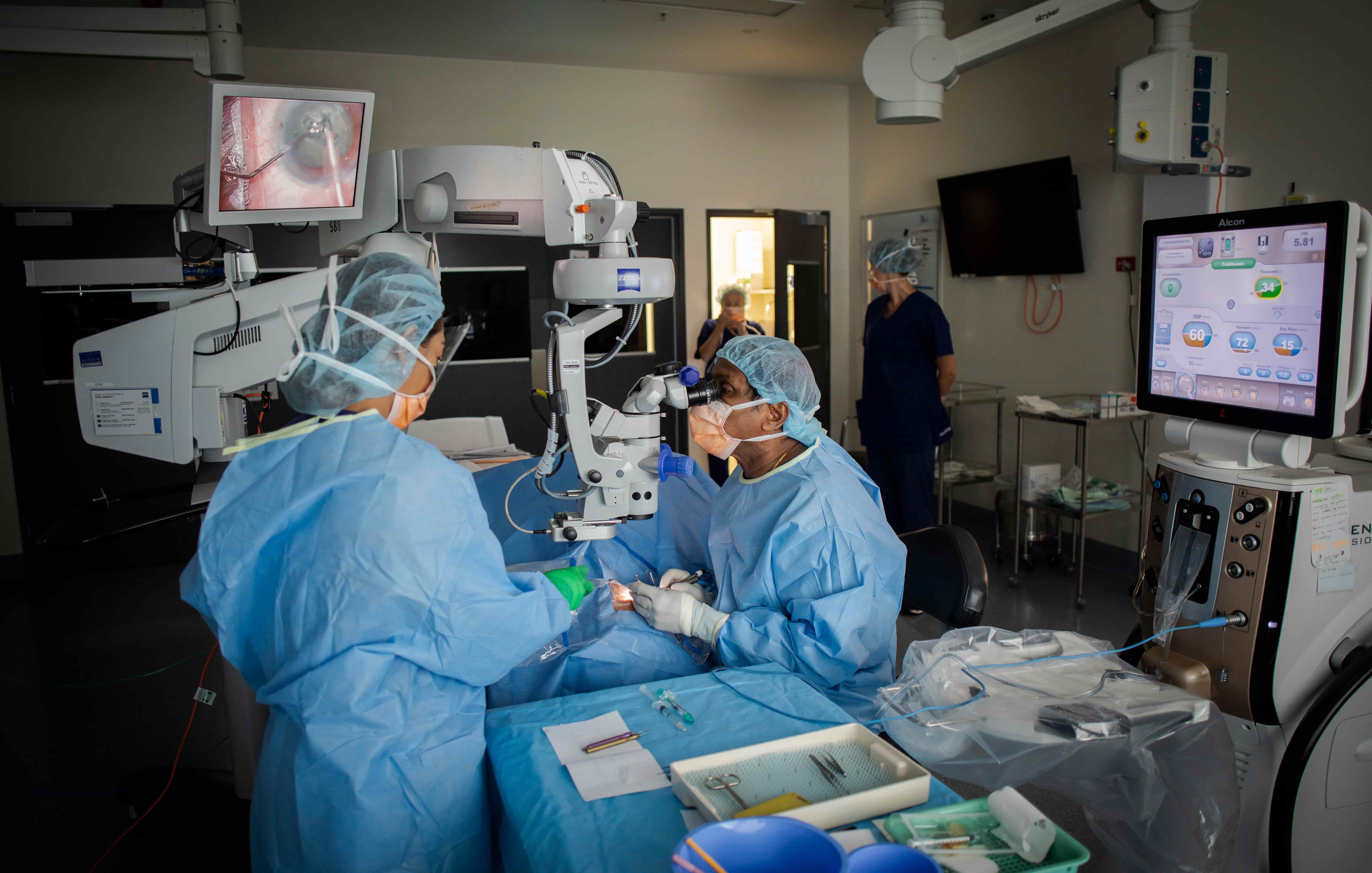 Photo credit: Michael Amendolia
It was also a milestone Fred spent much of his life working towards.
Yet the broader challenge remains.
Aboriginal and Torres Strait Islander people are still three times more likely to experience blindness or vision loss than other Australians, despite most vision loss being preventable or treatable.
That is why The Foundation continues to work alongside communities, partners and Aboriginal Community Controlled Health Organisations to strengthen eye health services, support workforce development and advance self-determination in healthcare.
Because Fred understood something that remains true today.
Eye health is about more than eyesight.
It is about equity, opportunity and ensuring every person has the chance to live a healthy life.
That is why Indigenous eye health mattered so much to Fred Hollows.
And it is why it still matters today.
Related articles

The history of trachoma in Australia and how it was eliminated

34 years of changing lives: Our story in 34 photographs

Aboriginal and Torres Strait Islander eye health: the facts and statistics