Why older women are more likely to experience vision loss

Around the world, older women bear a disproportionate burden of vision loss. In later life, women account for an estimated 56% of all vision loss cases globally, despite many causes being preventable or treatable. Addressing this disparity is essential to supporting healthy ageing and ensuring people can remain independent, active, and connected as they grow older.
This imbalance is not simply the result of biology. It reflects lifelong inequities in healthcare access, education, income, and social opportunity that continue to affect women as they grow older. Older women may also face overlapping forms of discrimination based on age, gender, and disability, creating additional barriers to accessing the eye care they need. Improving access to eye health is therefore an important part of advancing gender equity around the world.
For millions of women, avoidable vision loss can mean losing independence, financial security, social connection, and the ability to care for themselves and their families. Restoring sight not only improves quality of life but also helps older women age with dignity, participate fully in their communities, and maintain their independence.
Women are living longer, but not always with good vision
Globally, women tend to live longer than men. While longer life expectancy is a positive sign of progress, it also means women are more likely to experience age-related eye conditions such as cataracts, glaucoma, and age-related macular degeneration.
As populations age, the number of older women living with vision impairment is expected to rise significantly. At the same time, many women continue to face significant barriers that prevent them from accessing timely eye care and treatment.
According to the World Health Organization, women are more likely than men to experience blindness and moderate to severe vision impairment across many regions of the world.
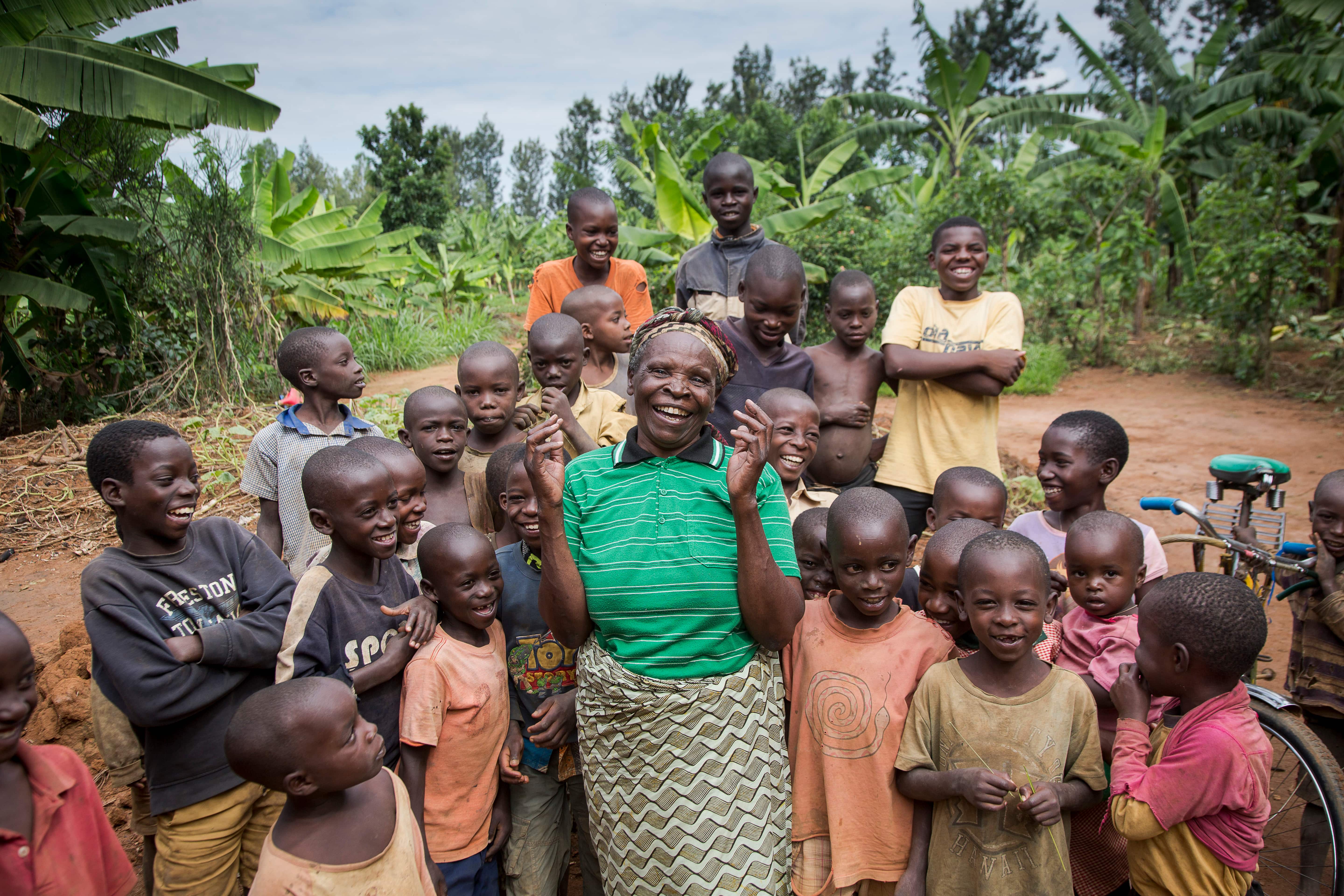
After living with blindness for more than three years, 76-year-old Francine had her sight restored through cataract surgery in Rwanda. Regaining her vision means she can once again cook, care for herself and return to her community.
Photo credit: The Fred Hollows Foundation
Inequities accumulate over a lifetime
The reasons older women are more affected by vision loss are deeply connected to lifelong social and economic inequities. Across their lives, many women experience lower access to education, healthcare, stable employment, and financial independence.
In some communities, women may prioritise the health and needs of their children or family members over their own. Others may face barriers travelling to appointments, affording treatment, or accessing information about eye health.
These disadvantages often accumulate with age. By later life, many women are more likely to be living in poverty, widowed, socially isolated, or dependent on others for support, creating barriers to healthcare access. For women who are also living with disability, experiencing age-related discrimination, or living in rural and underserved communities, these barriers can be further compounded. Distance, cost, transport, and shortages of healthcare services can leave many women living with avoidable blindness for years.
Cataracts continue to blind millions of older women
Cataracts remain the leading cause of blindness globally, affecting an estimated 94 million people worldwide.
Although cataract surgery is safe, highly cost-effective, and relatively simple, millions of older women still cannot access treatment. In many low-income settings, women are less likely than men to receive cataract surgery, despite often having a greater need for care.
Without treatment, cataracts can gradually rob people of their independence. Everyday tasks such as cooking, farming, reading, travelling safely, working or recognising loved ones can become increasingly difficult.
For older women who already carry caregiving responsibilities within their families, vision loss can have wide-reaching impacts on entire households and communities.
Vision loss can deepen social isolation and poverty
Good vision supports independence, mobility, confidence, and participation in community life. When vision deteriorates, many older women find it harder to move around safely, participate in social activities, or maintain relationship. This can increase the risk of loneliness, social isolation, and exclusion.
Vision loss can make it harder to continue working or contributing to household livelihoods. In many settings, where pensions and other forms of social protection are limited or unavailable, losing vision can have serious economic consequences for older women and their families. For those already facing disadvantage, it can deepen poverty, increase dependence on others, and create additional barriers to access healthcare and other essential services.
Vision impairment is also associated with increased risk of depression, falls, poorer physical health, and reduced quality of life. Together, these impacts can further undermine wellbeing and make it more difficult for older women to live healthy, independent lives.
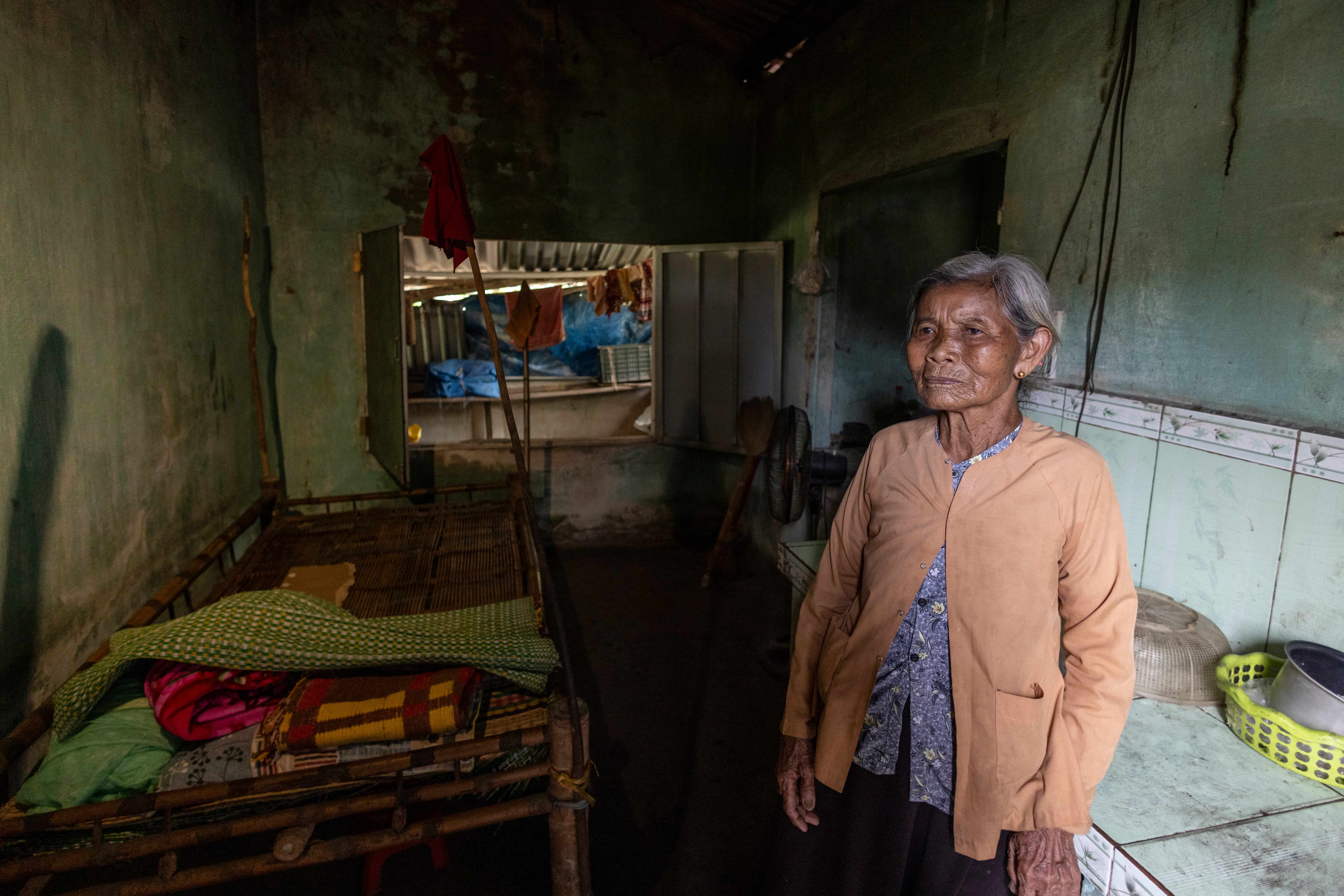 Before cataract surgery, 82-year-old Tran Thi Den struggled to see while cooking in her dim kitchen, making everyday tasks increasingly difficult.
Photo credit: Michael Amendolia
Caregiving responsibilities often fall on women
Older women are not only more likely to experience vision loss themselves, they are also more likely to become caregivers for family members living with disability, illness, or blindness.
Across many communities, women and girls take on unpaid caregiving roles that can affect education, employment opportunities, mental health, and financial security. Older women may find themselves balancing their own health needs while also caring for spouses, grandchildren, or relatives with disability.
This caregiving burden is often invisible, but it has significant impacts on wellbeing and quality of life.
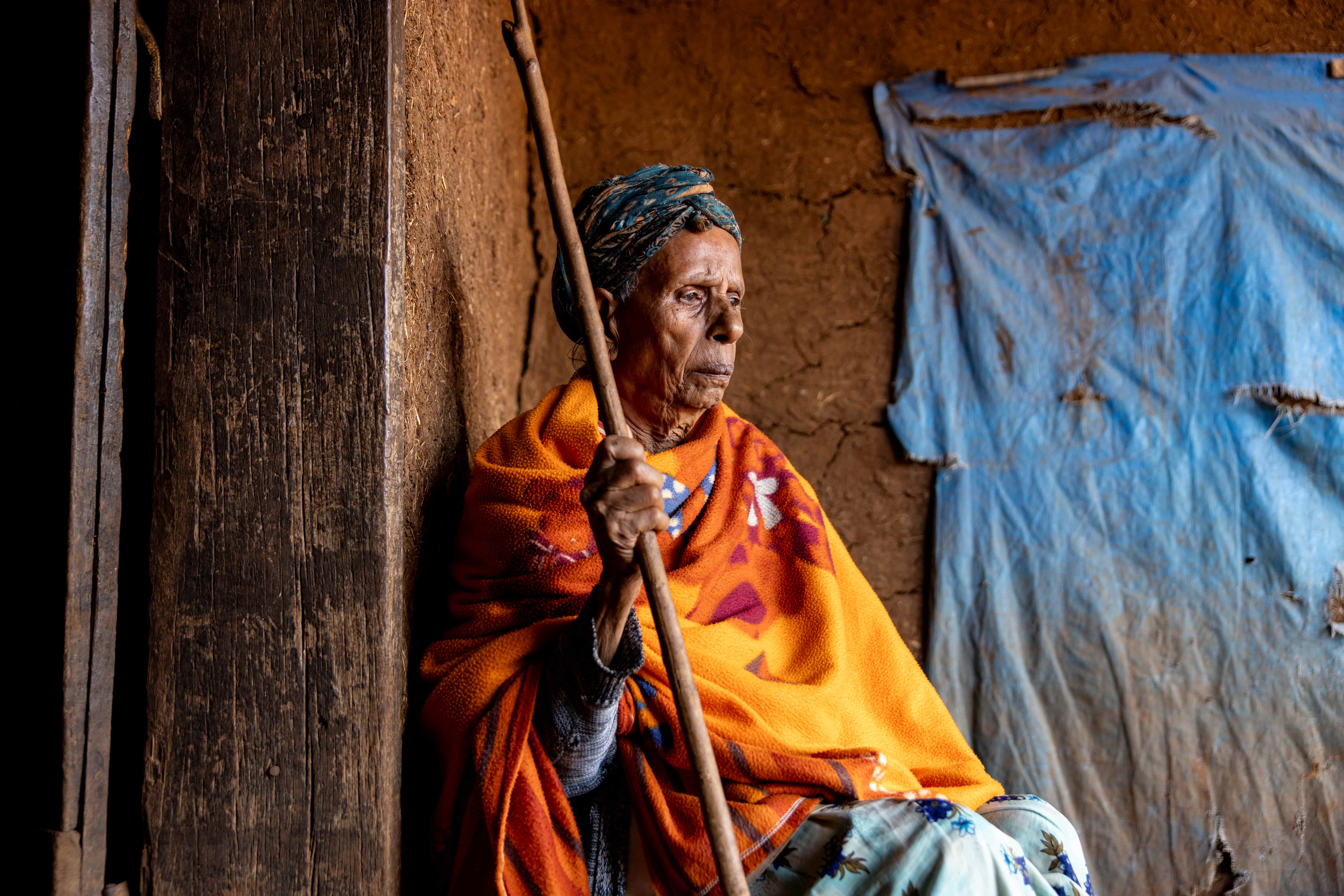 Bashadu Abdu lives alone in Ethiopia's Oromia province. After cataracts stole her sight, she could no longer collect firewood for a living and now relies on her daughter and neighbours to help her navigate the rough, muddy paths around her home.
Photo credit: Michael Amendolia
Restoring sight can restore independence
The good news is that many forms of vision loss are preventable or treatable. A pair of glasses, routine eye examinations, medication, or cataract surgery can help restore sight and improve quality of life for millions of older women.
For women who have lived with avoidable blindness for years, restoring vision can mean regaining independence, reconnecting with family and community life, and returning to work or daily activities.
At The Fred Hollows Foundation, we are working to ensure older women can access the eye care they need to age with dignity, health, and independence. Through sight-restoring treatment, research, advocacy, and community-based integrated programs, we are helping break down the barriers that leave so many older women behind. In doing so, we are also contributing to the goals of the UN Decade of Healthy Ageing (2021-2030).
Because no woman should lose her sight simply because care is out of reach.
Download our report: Addressing the needs of older people with disabilities explores how ageism and ableism intersect to exclude older people from essential services, and outlines practical recommendations for governments, NGOs and policymakers to build more inclusive systems. Download the full report here.
Meet the author

Dr. Vânia de la Fuente-Núñez
Dr Vânia de la Fuente-Núñez is Global Healthy Ageing Lead at The Fred Hollows Foundation, where she works to advance equitable eye health and healthy ageing for older people worldwide.
Learn more about healthy ageing

How often should older adults get an eye test?


How vision loss affects healthy ageing

Why global action on eye health matters now