

Climate Change Is Threatening Eye Health
In Hong Kong, very hot days and hot nights are becoming increasingly common. While many of us can seek relief through air conditioning, clean water and healthcare, millions of people in vulnerable communities do not have that option.
For people living in remote and underserved areas, extreme heat, drought and other climate impacts can worsen water shortages and hygiene conditions, increasing the risk of infectious eye diseases and undermining access to eye care. One of the most overlooked diseases is trachoma.
How Does Climate Change Threaten Eye Health?
Climate change affects eye health in more ways than many people realize. Beyond increasing the risk of infectious eye diseases such as trachoma, growing evidence suggests that rising temperatures, UV exposure and environmental changes may contribute to multiple forms of vision loss.
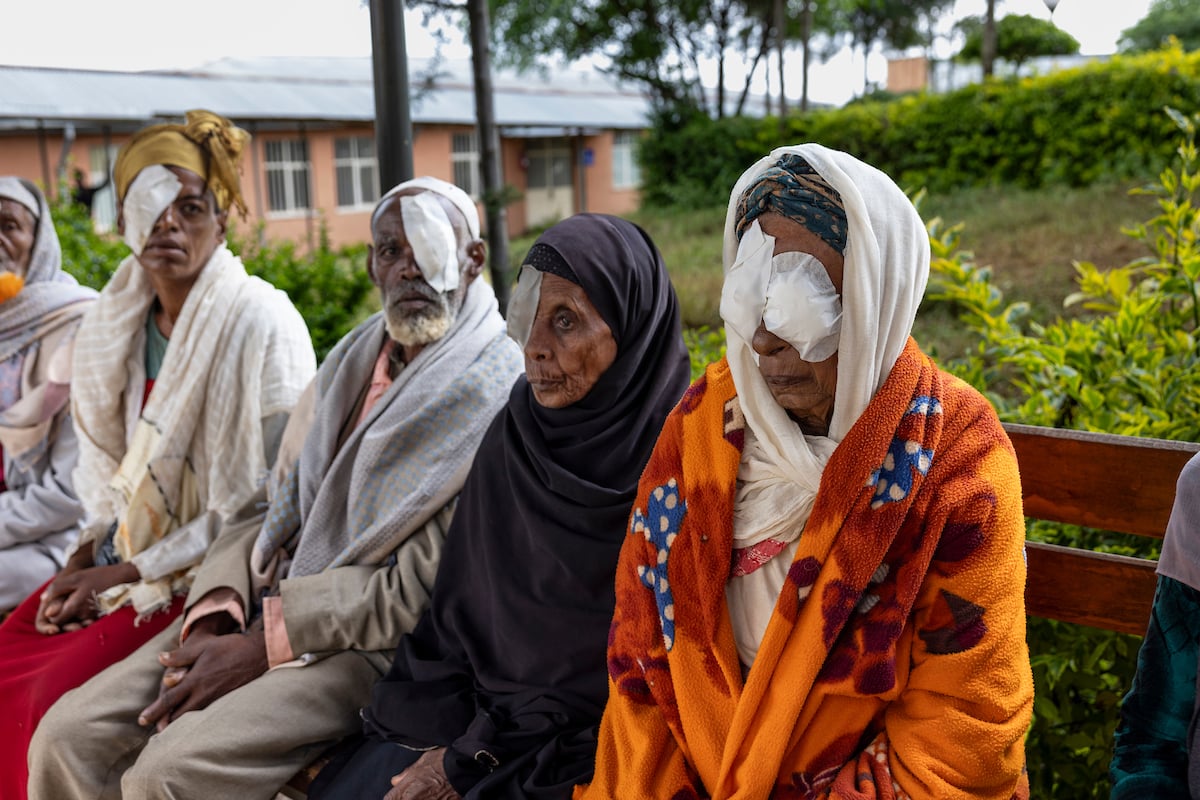
Climate Change May Increase Trachoma Risk
Rising temperatures, prolonged droughts and dust storms can worsen water scarcity and hygiene conditions, creating an environment that may accelerate the spread of infectious eye diseases such as trachoma.
Something as simple as washing your face can significantly reduce the risk of trachoma transmission. But when access to clean water becomes difficult, even the most basic preventive measures are harder to maintain.
Heat and UV Exposure
Hotter days and stronger sunlight can irritate the eyes and increase the risk of dry eye and infection. Over time, UV exposure can contribute to cataract and other conditions that threaten sight.
Water Scarcity, Infectious Disease and Malnutrition
Climate shocks can disrupt water and food supplies. Without clean water, basic hygiene becomes harder and infectious eye diseases such as trachoma can spread. Food insecurity can also increase vitamin A deficiency—a cause of preventable blindness in children—and weaken the body’s ability to fight infection and recover.
These findings show that climate change is not only an environmental issue. It is increasingly becoming a public health and eye health challenge for vulnerable communities around the world . Learn more >>

The Heartbreaking Reality
Both cataract and trachoma can be prevented and treated. Yet for communities without clean water, sanitation and eye care access, receiving help in time is far from guaranteed.
Every Blink Hurts
In Ethiopia, Semira endured the pain of trachoma for two years.
Repeated infections gradually caused her eyelids to turn inward. Her eyelashes scraped against her cornea every time she blinked. She described every blink feeling like a knife against her eyes.
As a mother, she feared more than the pain. She feared the possibility of never seeing her children's faces again.
With limited access to clean water and healthcare, trachoma continued to spread in communities facing poor sanitation. Despite the daily pain, Semira still had to work and care for her family, without knowing when treatment would become available.
Fortunately, the local health bureau identified Semira, and an outreach team trained by The Fred Hollows Foundation provided the surgery she desperately needed.
The treatment relieved her fear of permanent blindness and allowed her to keep seeing the faces of her children and family.
But Many More People Are Still Waiting
Not everyone can access eye care in time. Your support can help more people like Semira receive treatment, escape the pain and preserve the precious sight that connects them with their families.

Australia Has Proven That Trachoma Can Be Eliminated
Trachoma is not an inevitable fate.
With long-term investment, community participation and cross-sector collaboration, the disease can be controlled and even eliminated.
The World Health Organization has officially confirmed that Australia has eliminated trachoma as a public health problem.
Tanya Morris, representing The Foundation’s Indigenous Australia Program, said the achievement reflects decades of collaboration between governments, Aboriginal community-controlled health organizations and many partners.
Australia’s success shows that with long-term commitment and collective action, eliminating trachoma is within reach.
Your support can help The Fred Hollows Foundation work with more communities to advance prevention, treatment and ongoing care, moving towards the next trachoma elimination milestone.

Ending Trachoma Takes More Than One Treatment
Trachoma is closely linked to living conditions. The WHO SAFE strategy highlights that eliminating trachoma requires more than surgery and antibiotics. Facial cleanliness and improvements in water, sanitation and hygiene are equally important. Preventing blindness requires a coordinated approach that combines treatment, prevention and community hygiene.
Your donation can help:
-
Provide eye examinations, treatment and surgery for people in need
-
Support antibiotics, trachoma prevention and disease monitoring
-
Train local eye health workers, outreach teams and community health workers
-
Promote facial cleanliness, eye health and hygiene education
-
Improve access to clean water, sanitation and hygiene initiatives
-
Monitor disease trends and help protect hard-won progress

