

EYE ANATOMY
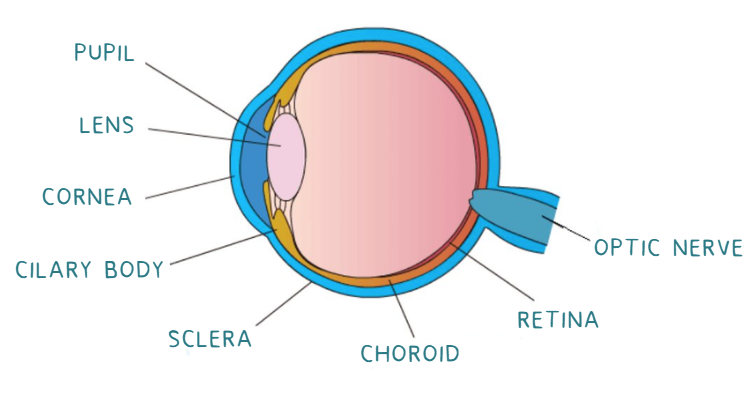
PUPIL
The pupil enlarges in dark environments and contracts in bright environments to reduce excessive light, functioning similarly to an light filter.
LENS
The lens, located behind the pupil, is a flexible and transparent structure that helps people see things clearly.
RETINA
The retina is a thin film full of nerve cells in the back of the eye. Light entering the eye is projected onto the retina forming an image. This image is then transmitted to the brain as electrical signals via the optic nerve.
OPTIC NERVE
The optic nerve contains nerve fibres which as part of the central nervous system. Visual information is transmitted to the brain via the optic nerve, allowing us to see.
EYE DISEASES
Uncorrected Refractive Error: mYOPIA, HYPEROPIA, PRESBYOPIA, ASTIGMATISM
Refractive errors happen when the length of the eyeball does not match the focusing power of the lens and cornea, or the cornea shape is irregular, or simply due to increasing age. Overuse of the eye does not cause refractive error. Rather, if refractive error runs in your family, you may have more chance of developing the condition. Some of the symptoms of uncorrected refractive error are: Blurred or distorted vision Headaches, squinting & eye strain Difficulty reading Out of focus or blurry
Glaucoma
Glaucoma is an eye disease related to damage of the optic nerve and retinal nerve fibers.
If left untreated, glaucoma gradually causes loss of peripheral vision, narrowing the visual field like a tunnel, and eventually leads to permanent blindness.
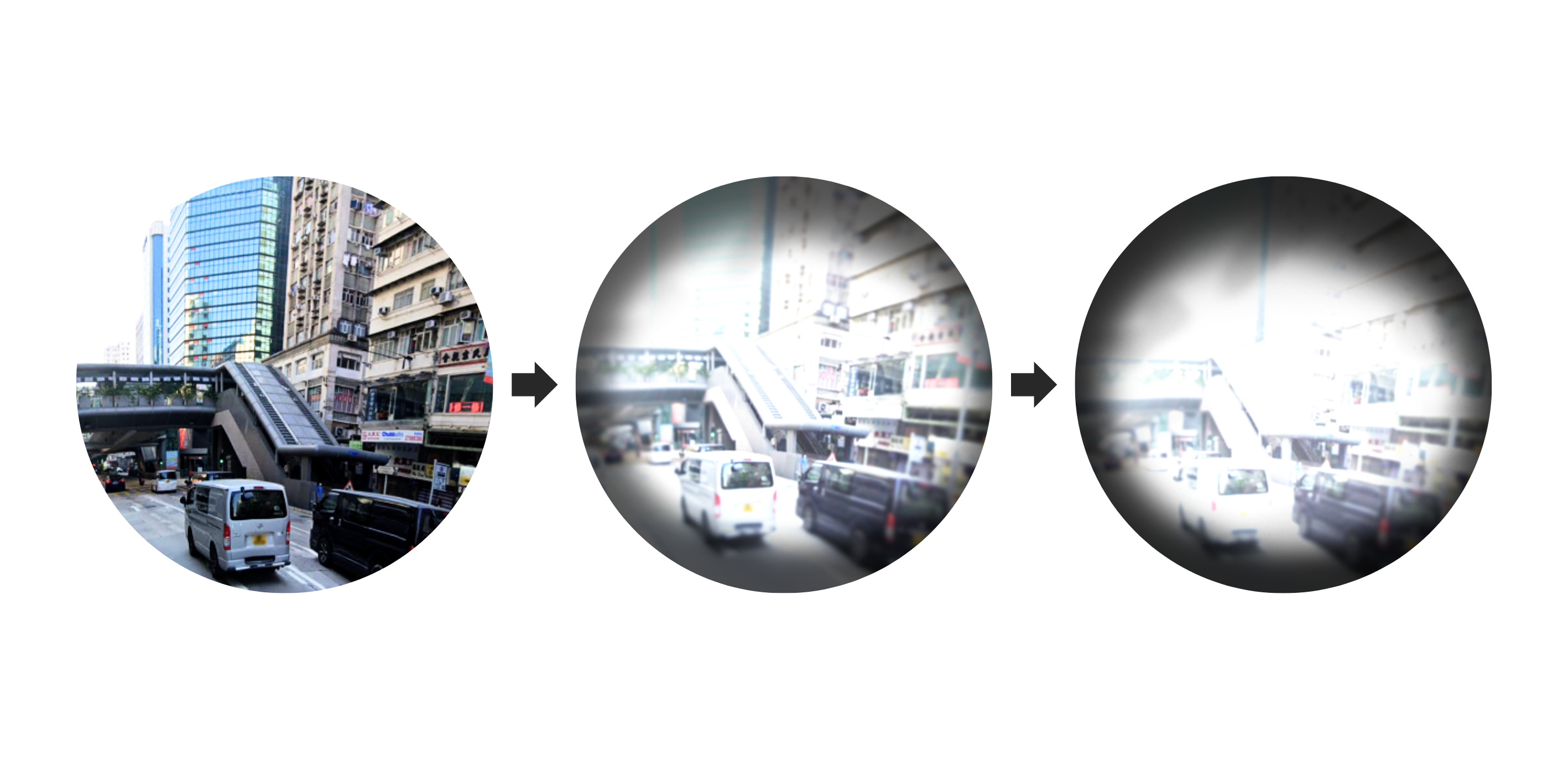
At the early stages, you will not notice any symptoms at all.
As the risk of getting glaucoma increases with age, it is recommended that you have regular eye examinations from the age of 40 years.
DIABETIC RETINOPATHY
Diabetic Retinopathy, is a complication of diabetes that impacts the back of the eyeball and can damage vision.
Diabetic Retinopathy, is a complication of diabetes that impacts the back of the eyeball and can damage vision.
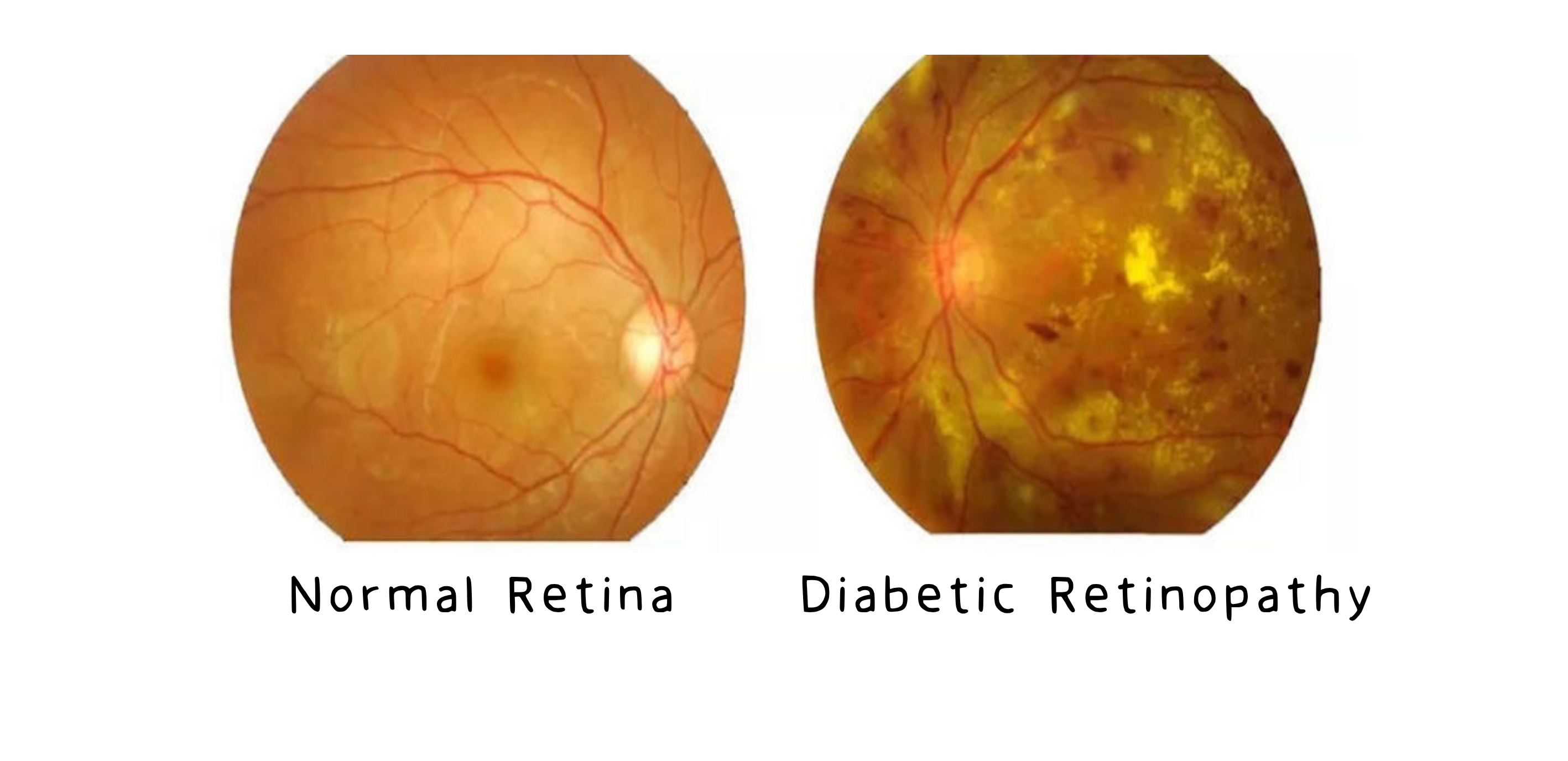
If a patient's blood sugar levels are too high, the blood vessels in the retina may become permanently damaged, leading to irreversible blindness.
Annual eye examinations can help detect these vascular changes early, aiding in the prevention of vision loss.
CATARACT
Cataract is the leading cause of blindness worldwide. When someone suffers from cataract, a clouding in the normally clear lens, it causes vision to become proportionately reduced. Cataract can affect either or both eyes.
Cataract is the leading cause of blindness worldwide. When someone suffers from cataract, a clouding in the normally clear lens, it causes vision to become proportionately reduced. Cataract can affect either or both eyes. 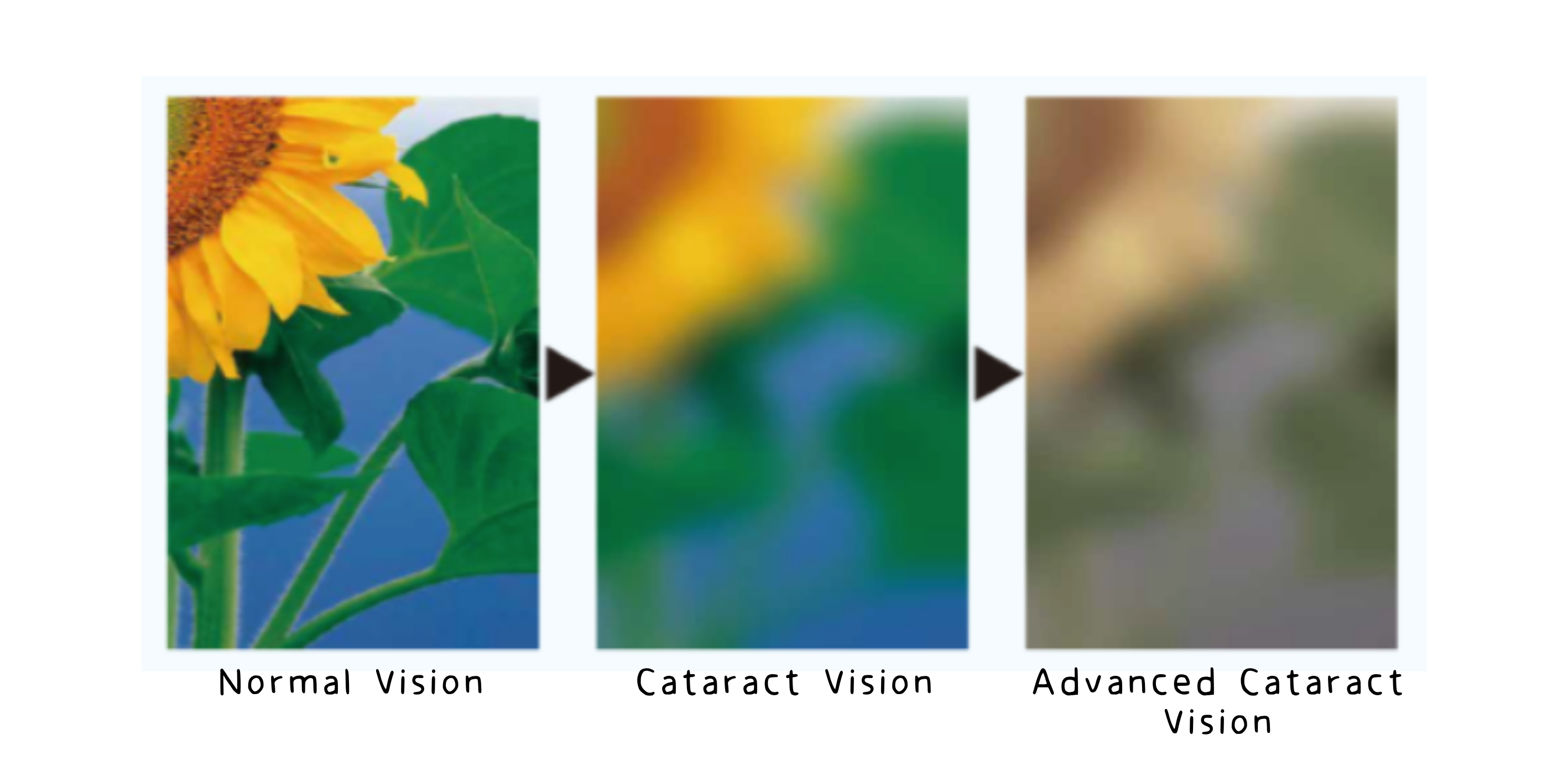
While cataract is commonly associated with ageing, not everyone who suffers from it is old. Some children are born with cataract (congenital cataracts) and, in these cases, early detection and treatment is critical to prevent permanent damage.
Elderly individuals with cataracts can typically improve their vision through cataract surgery.
If you notice your vision becoming blurry, it is recommended that you have an eye examination.

Eye Care Tips
- DON’T rub your eyes
- DON’T use eye drops indiscriminately
- Maintain a balanced diet
- Drink plenty of water, avoid smoking & alcohol
- DON’T share towels or eye drops with others
- Follow 20-20-20 rule: every 20 minutes,
- Take a 20-second break & look at 20 feet away
- Get at least 40 minutes of natural sunlight daily
- Wear sunglasses under strong sunlight
- Regular eye health check-ups, especially for people with chronic illnesses
- Adequate sleep every day
- Seek medical attention promptly if your eyes feel unwell

Healthy Diet
A healthy diet nourishes the eyes, protects against macular degeneration and reduces the risk of developing eye-related conditions in the future.
A well-balanced diet not only promotes overall health but also supports good eye health. Include eye-friendly nutrients in your child's diet, such as omega-3 fatty acids, vitamin C, vitamin E, zinc, and lutein. These can be found in foods like leafy green vegetables, citrus fruits, fish, nuts, and seeds. Eat the rainbow - you are encouraged to eat colourful vegetables as well.

9 Out Of 10 People Who Are Blind Don't Have To Be
The Fred Hollows Foundation is an international development organization, established by renowned ophthalmologist Professor Fred Hollows in 1992, aiming to end avoidable blindness. Nine out of ten people who are blind don’t have to be. Restoring sight can change lives. The Foundation trains local doctors and health workers, builds and upgrades facilities, and provides equipment in order to achieve long-term sustainable eye health care.
