
Why are Aboriginal and Torres Strait Islander people more likely to experience vision loss?

Aboriginal and Torres Strait Islander people are three times more likely to experience vision impairment or blindness than other Australians. Yet more than 90% of this vision loss is preventable or treatable.
So why does this gap exist?
The answer isn't because eye diseases are different for Aboriginal and Torres Strait Islander people. It's because many people face barriers to accessing timely eye care, especially in regional, remote and very remote parts of Australia.
Understanding these barriers is key to closing the eye health gap and ensuring every person can access the care they need, when they need it.
The eye health gap in Australia
Australia has one of the world's best health systems, yet significant inequalities remain.
For decades, Aboriginal and Torres Strait Islander people have experienced poorer health outcomes than non-Indigenous Australians across a range of areas, including eye health.
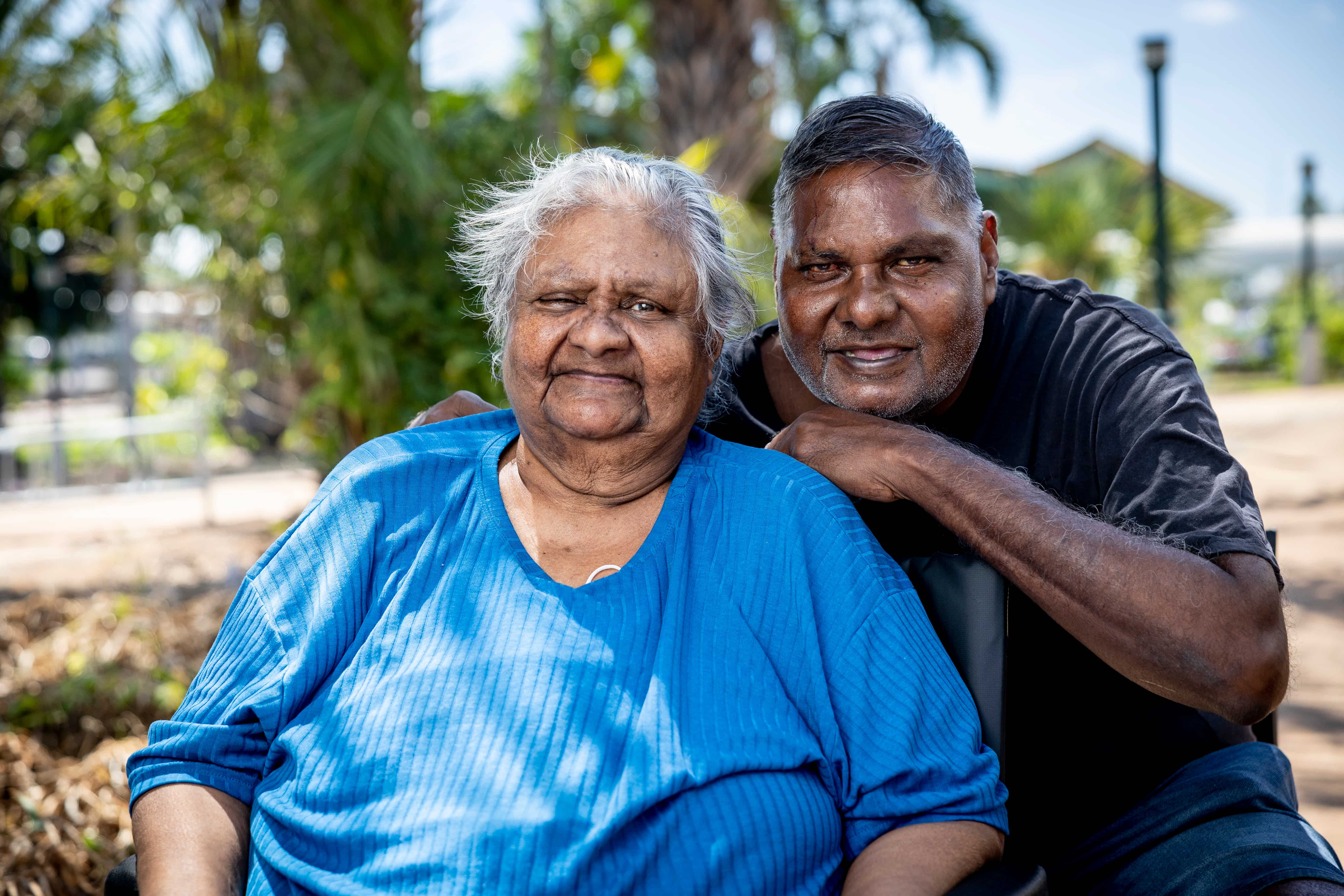 Photo credit: Michael Amendolia
Today:
- Aboriginal and Torres Strait Islander adults are three times more likely to experience vision loss or blindness.
- More than 90% of vision loss is preventable or treatable.
- More than one-third of Aboriginal and Torres Strait Islander adults have never had an eye examination.
- Cataract is significantly more common among Aboriginal and Torres Strait Islander people, yet many wait longer for treatment.
These figures show that the challenge is not simply about eye disease. It is about access to care.
Barriers to accessing eye care
Distance and geography
Many Aboriginal and Torres Strait Islander people live in regional, remote and very remote communities.
Accessing an optometrist, ophthalmologist or specialist eye surgery can require travelling hundreds of kilometres, often involving flights, accommodation and time away from family and work.
When services are difficult to reach, conditions that could be treated early may go undiagnosed for years.
Workforce shortages
Many parts of remote Australia face shortages of eye health professionals.
Without regular visiting services, local eye health staff and strong referral pathways, people may experience long delays between diagnosis and treatment.
Building a stronger Aboriginal and Torres Strait Islander eye health workforce is an important part of addressing these challenges.
As Associate Professor Dr Kris Rallah-Baker, Australia's first Aboriginal ophthalmologist, explains:
"One of the big barriers is, first and foremost, managing your way through the system just to get to surgery."
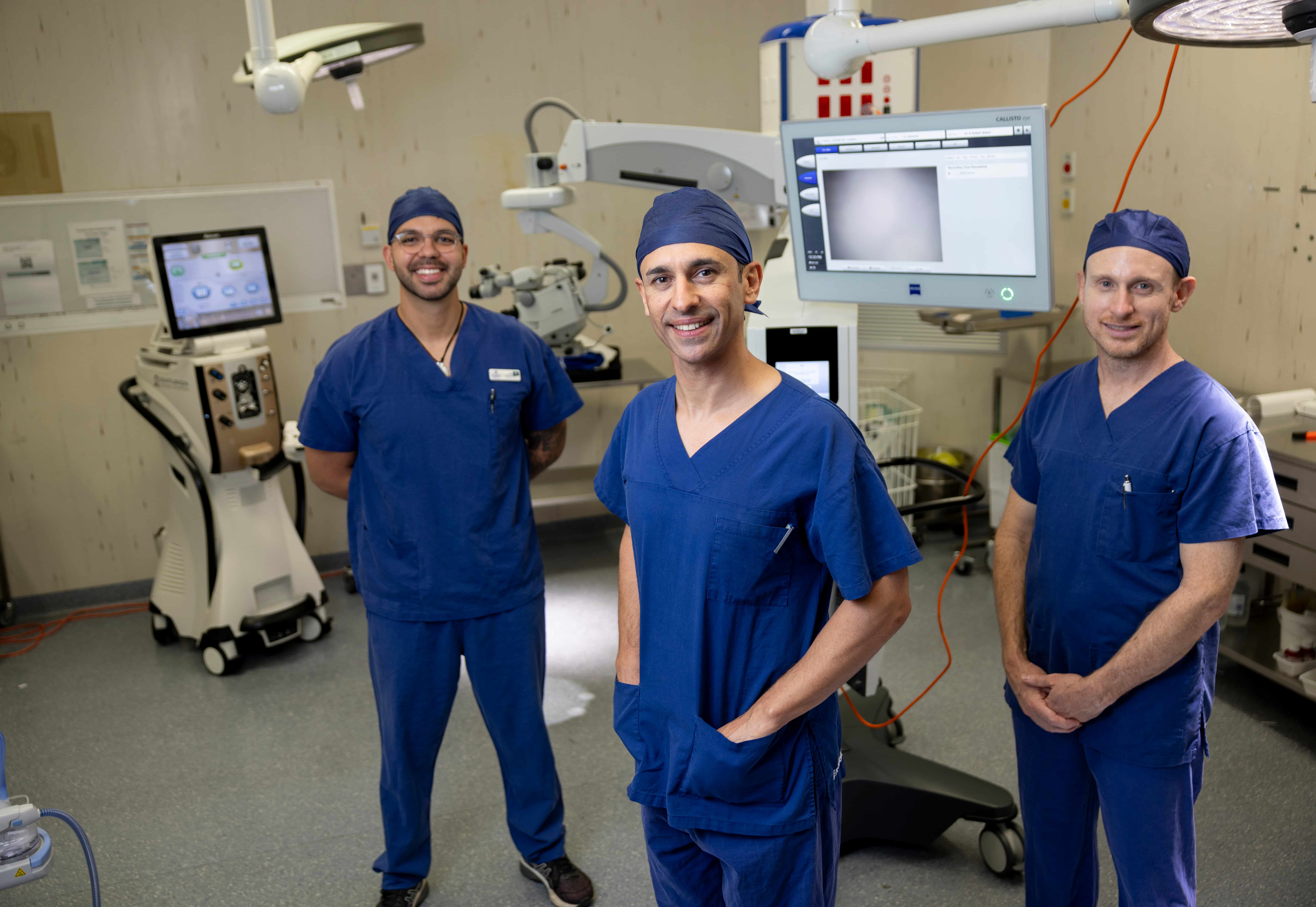 Photo credit: Michael Amendolia
Cost and practical challenges
Although many eye health services are subsidised, indirect costs can still create barriers.
Travel expenses, accommodation, time off work and caring responsibilities can all make it harder for people to attend appointments or undergo surgery.
Historical and cultural barriers
The legacy of discrimination and exclusion within Australia's health system has contributed to lower levels of trust and engagement for some Aboriginal and Torres Strait Islander people.
Services that are not culturally safe can discourage people from seeking care or returning for follow-up treatment.
This is why Aboriginal Community Controlled Health Organisations (ACCHOs) play such an important role in delivering culturally appropriate care that is designed by and for communities.
The eye conditions driving vision loss
Four conditions account for most vision loss among Aboriginal and Torres Strait Islander adults.
Uncorrected refractive error
This simply means a person needs glasses but does not have them.
It remains one of the leading causes of vision impairment and can often be corrected immediately with a vision test and prescription glasses.
Cataract
A cataract occurs when the eye's natural lens becomes cloudy, causing blurred or reduced vision.
Cataract surgery is highly effective, yet Aboriginal and Torres Strait Islander people are less likely to receive surgery when they need it.
Diabetic retinopathy
Aboriginal and Torres Strait Islander people experience higher rates of diabetes than other Australians.
Diabetic retinopathy occurs when high blood sugar damages the blood vessels in the retina and can lead to permanent vision loss if left untreated.
Regular screening is essential because early stages often have no symptoms.
Trachoma
Trachoma is an infectious eye disease linked to poor access to clean water, sanitation and healthy living conditions.
For many years, Australia was the only high-income country where trachoma remained a public health problem.
In April 2026, the World Health Organization confirmed that Australia had eliminated trachoma as a public health problem, following decades of community-led action and partnership.
The broader factors affecting eye health
Eye health does not exist in isolation.
Housing, education, income, employment, access to clean water and access to healthcare all influence a person's ability to maintain good vision.
Professor Fred Hollows recognised this more than 50 years ago.
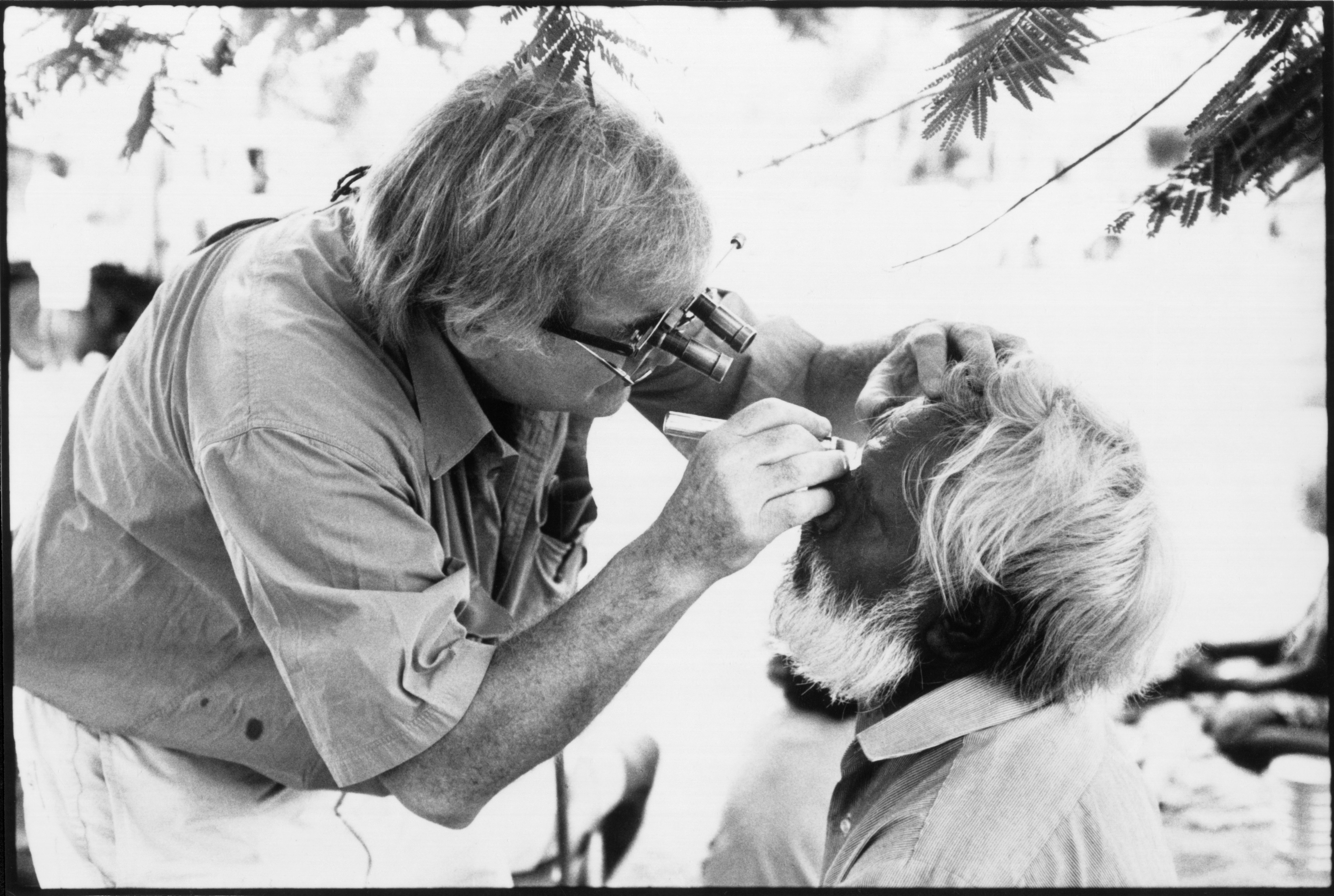 Photo credit: Stephen Ellison
He understood that improving eye health required more than surgery and treatment. It required addressing the conditions that prevent people from accessing care in the first place.
Many of the factors that contribute to vision loss are linked to broader social and economic inequities that continue to affect Aboriginal and Torres Strait Islander communities today.
The good news: most vision loss can be prevented
The eye health gap is not inevitable.
Because more than 90% of vision loss among Aboriginal and Torres Strait Islander adults is preventable or treatable, solutions already exist.
These include:
- Regular eye examinations.
- Earlier detection of eye disease.
- Better access to cataract surgery.
- Diabetic eye screening.
- Access to affordable glasses.
- A stronger Aboriginal and Torres Strait Islander eye health workforce.
- Community-led and culturally safe health services.
- Stronger referral pathways and outreach programs.
How The Fred Hollows Foundation is helping
The Foundation works alongside Aboriginal and Torres Strait Islander organisations, communities and health services to strengthen eye health systems across Australia.
Rather than delivering services directly, our Indigenous Australia Program focuses on long-term systems change by:
- Supporting Aboriginal Community Controlled Health Organisations.
- Strengthening regional eye health services.
- Building the eye health workforce.
- Supporting policy and advocacy for equitable access to care.
- Investing in data, evidence and research.
- Supporting Aboriginal and Torres Strait Islander leadership in eye health.
Our goal is simple: to help ensure no Aboriginal or Torres Strait Islander person is needlessly blind or vision impaired.
Related articles

The history of trachoma in Australia and how it was eliminated

Aboriginal and Torres Strait Islander eye health: the facts and statistics

Why Indigenous eye health mattered so much to Fred Hollows