
Aboriginal and Torres Strait Islander eye health: the facts and statistics

Eye health is essential to living, learning, working and connecting with family and community.
Yet Aboriginal and Torres Strait Islander people experience significantly higher rates of blindness and vision loss than other Australians, despite most of this vision loss being preventable or treatable.
The gap is particularly pronounced in regional and remote communities, where access to eye examinations, glasses, cataract surgery and other eye care can be limited. Aboriginal and Torres Strait Islander people also face longer waits for treatment and are less likely to receive the care they need.
These statistics show both the scale of the challenge and the opportunity to close the eye health gap.
3 times more likely to experience vision loss
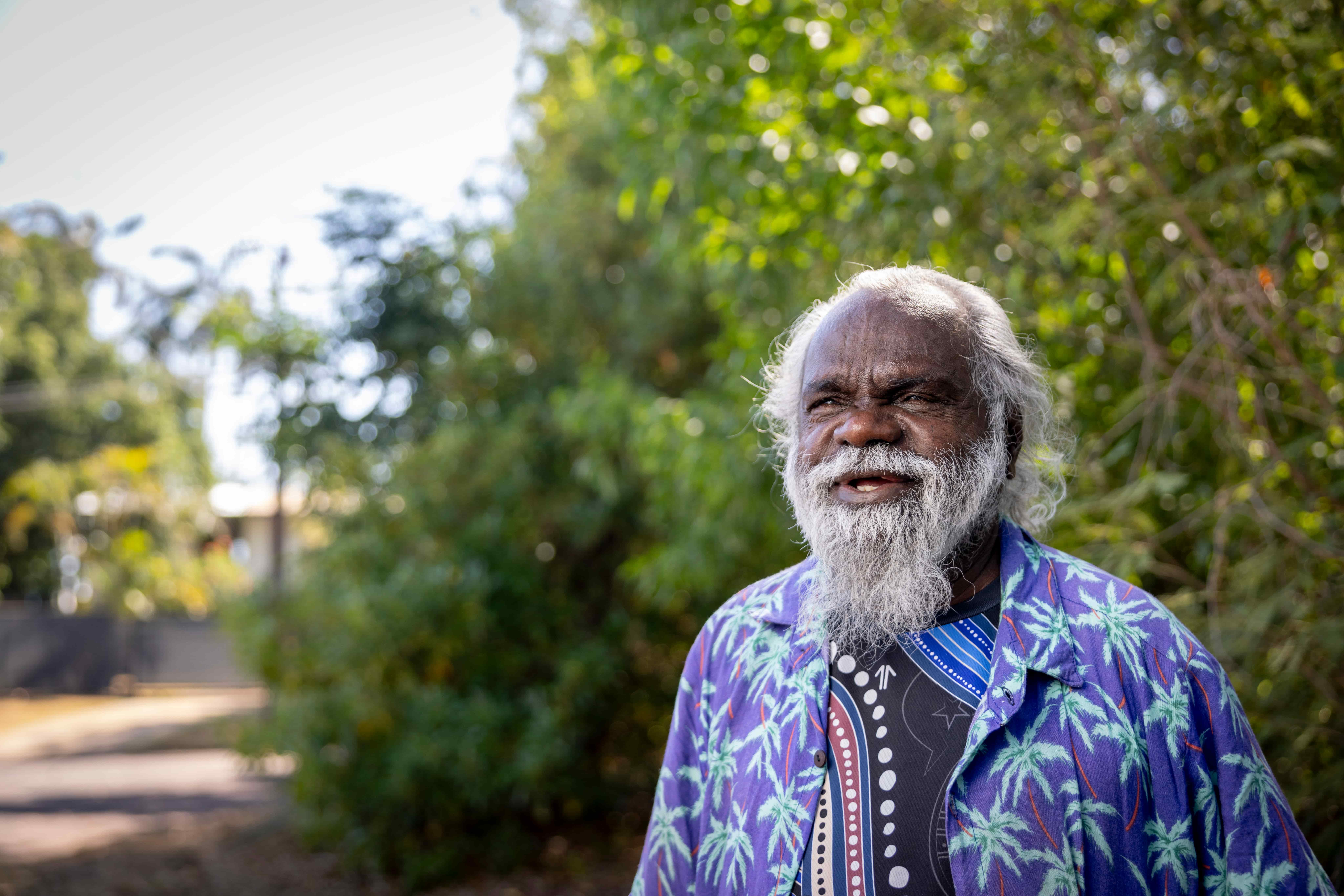 Photo credit: Michael Amendolia
Blindness and vision loss is three times more common among Aboriginal and Torres Strait Islander adults than other Australians.
Vision loss is even more common in regional and remote areas. Around 21% of Aboriginal and Torres Strait Islander people living in outer regional areas and 18% of those living in very remote areas experience vision impairment.
Vision loss and blindness is also the fourth largest contributor to the health gap between Aboriginal and Torres Strait Islander people and other Australians, after heart disease, diabetes and road traffic injuries.
More than 90% is preventable or treatable
More than 90% of blindness and vision loss experienced by Aboriginal and Torres Strait Islander adults is preventable or treatable.
This means the gap is not inevitable. With timely access to eye examinations, glasses, surgery and treatment, much of this vision loss can be prevented or restored.
But access to care remains a major barrier. More than one third of Aboriginal and Torres Strait Islander adults have never had an eye examination, making it harder to identify and treat eye conditions before they cause permanent vision loss.
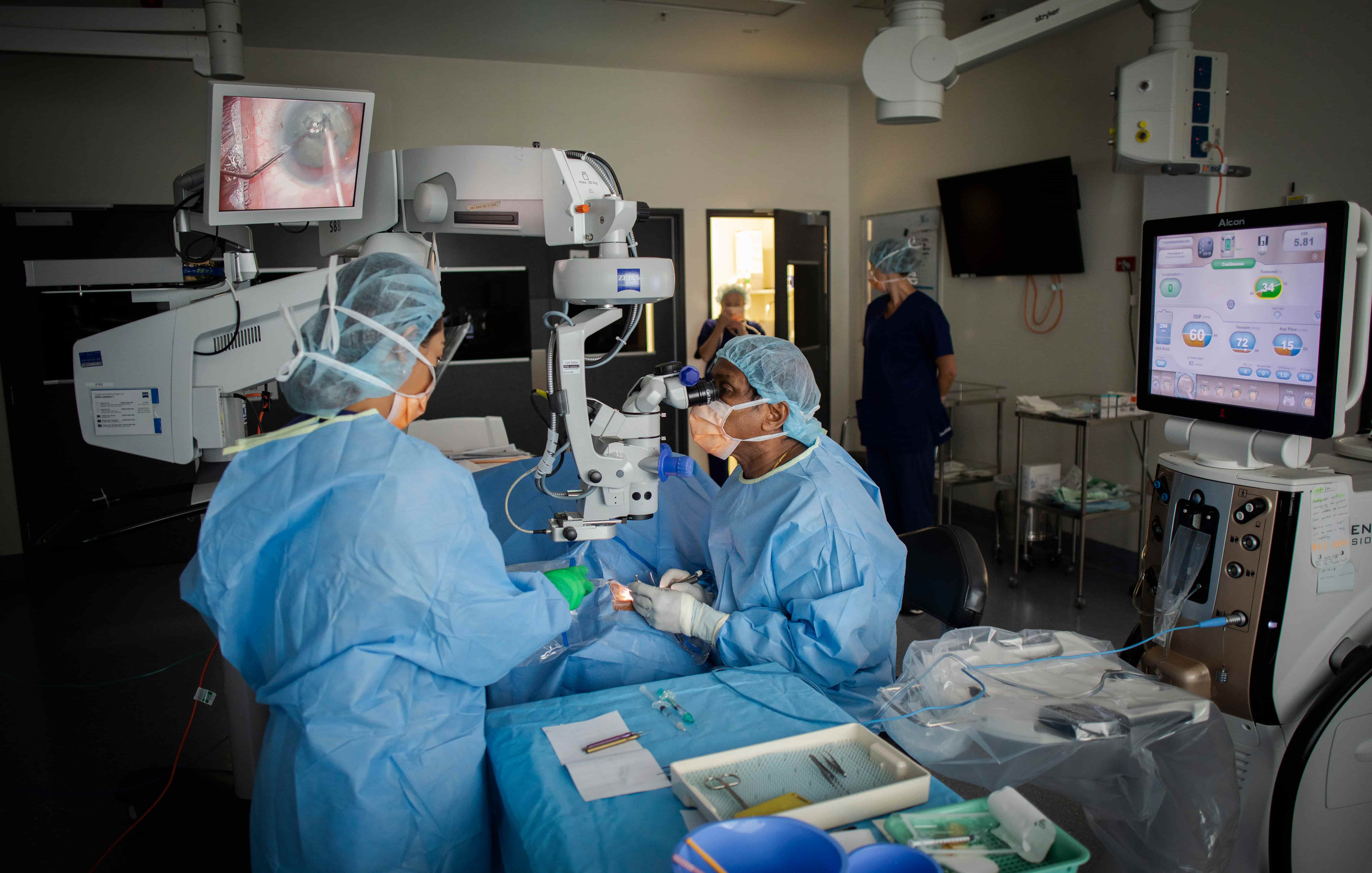 Photo credit: Michael Amendolia
Cataract is 12 times more common
Cataract is a major cause of avoidable blindness among Aboriginal and Torres Strait Islander people. Blinding cataract is 12 times more common than among other Australians.
Yet people who need cataract surgery do not always receive it in time.
Aboriginal and Torres Strait Islander people wait almost 40% longer for cataract surgery, and only around 59% of those who need cataract surgery receive it, compared with 89% of other Australians.
Almost 70% of Aboriginal and Torres Strait Islander people who need cataract surgery have not yet received a diagnosis.
Cataract surgery can often restore sight quickly and effectively, making improving access to diagnosis and treatment a critical part of closing the eye health gap.
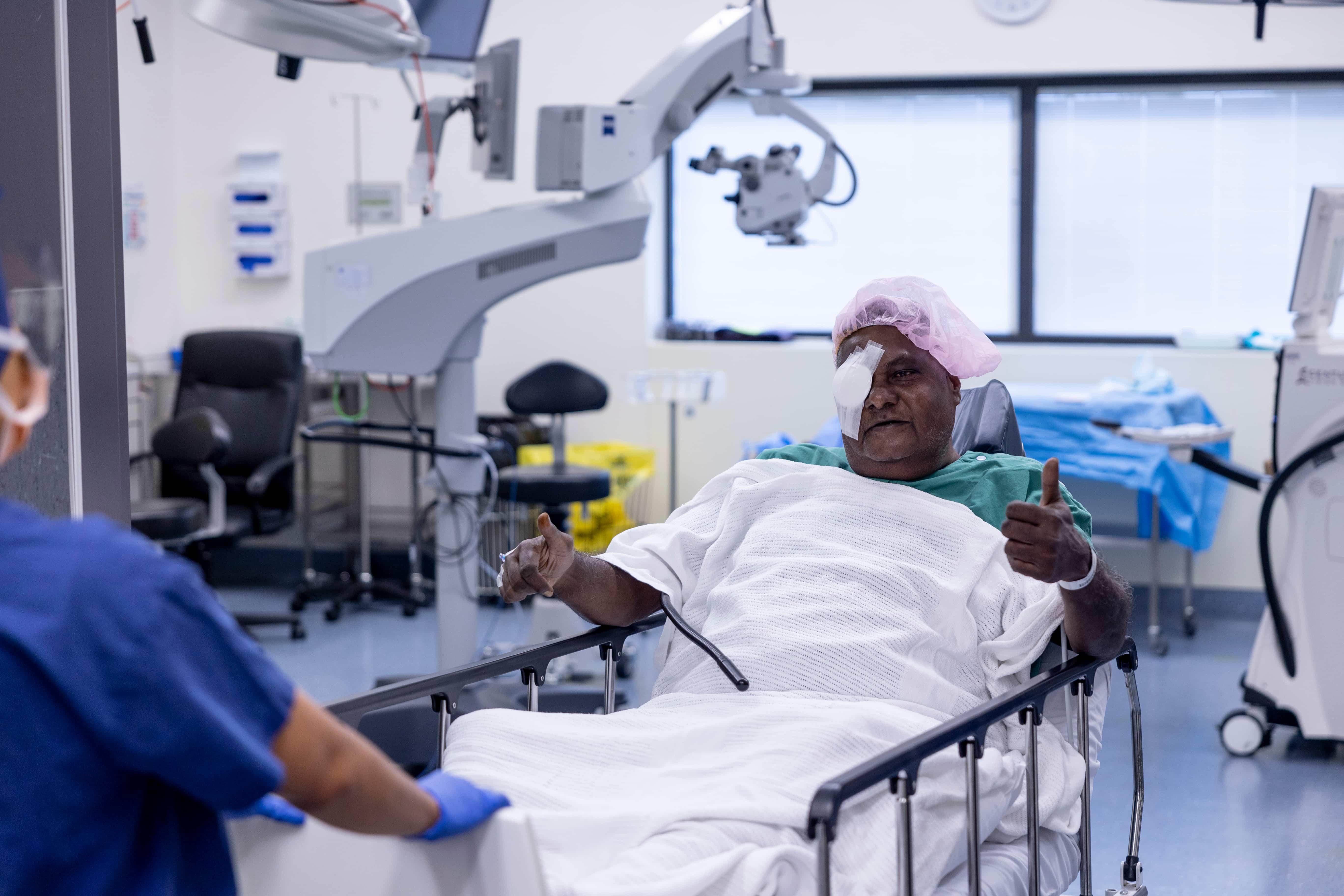 Photo credit: Michael Amendolia
Diabetes and diabetic eye disease
Diabetes is another major risk to eye health.
Around 10% of Aboriginal and Torres Strait Islander adults live with diabetes, and around one in three people with diabetes experience diabetic retinopathy.
Diabetic retinopathy can cause permanent vision loss if it is not detected and treated. Regular eye examinations and timely treatment can significantly reduce the risk of serious vision loss.
The risk is particularly high for people living in remote and very remote communities, where access to regular screening and treatment can be more difficult.
Trachoma and Australia's progress
For decades, Australia was the only developed country where trachoma remained a public health problem. The disease predominantly affected remote Aboriginal and Torres Strait Islander communities.
Trachoma is preventable and can cause irreversible blindness when repeated infections lead to scarring of the eye.
In April 2026, the World Health Organization confirmed Australia had eliminated trachoma as a public health problem.
This was a major public health achievement, made possible through decades of Aboriginal and Torres Strait Islander leadership, community-led action, health programs and partnerships.
Elimination does not mean the work is over. Ongoing monitoring, prevention and community-led eye health programs remain important to protect this achievement.
Other barriers to eye health
Cataract, diabetes and trachoma are not the only challenges.
Uncorrected refractive error, which can usually be corrected with glasses, is 1.6 times more common among Aboriginal and Torres Strait Islander people than other Australians.
Access to refractive services is particularly limited in regional and remote communities, contributing to higher rates of vision impairment.
There are also significant workforce gaps. Australia has only one Indigenous ophthalmologist and 12 Indigenous optometrists, highlighting the importance of building a stronger, more representative eye health workforce.
Changing the future of eye health
The statistics show that Aboriginal and Torres Strait Islander people continue to experience an unequal burden of vision loss, but they also show that much of this gap can be changed.
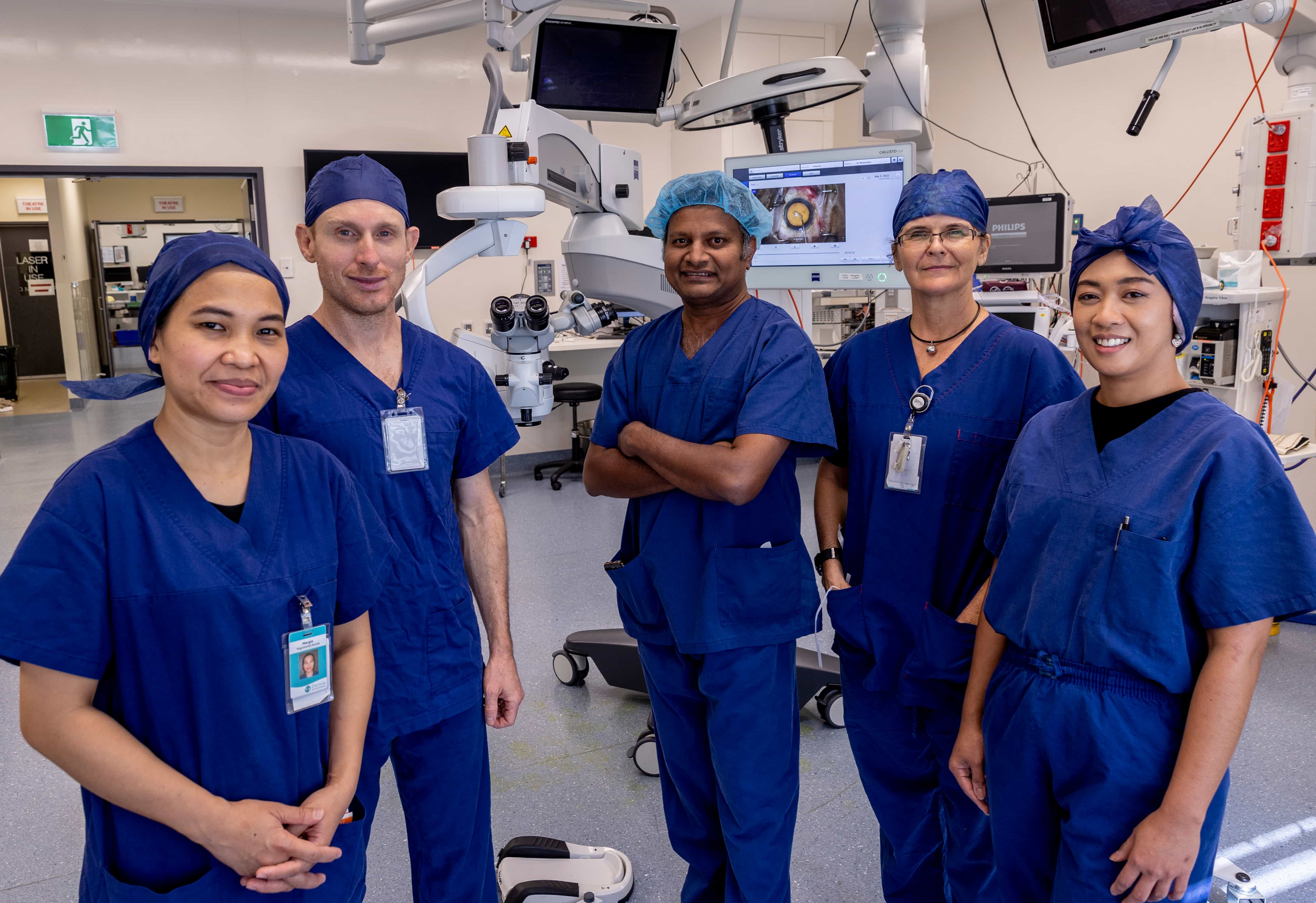 Photo credit: Michael Amendolia
Improving eye health requires more than increasing the number of surgeries or eye examinations. It means making eye care accessible, culturally safe and responsive to the needs of communities.
The Fred Hollows Foundation works alongside Aboriginal and Torres Strait Islander communities, Aboriginal Community Controlled Health Organisations and other partners to strengthen eye health systems, build local capacity and support long-term, community-led change.
Closing the eye health gap is possible. The challenge is ensuring people can access the right care, at the right time, wherever they live.
Related articles

The history of trachoma in Australia and how it was eliminated

Why Indigenous eye health mattered so much to Fred Hollows

Why are Aboriginal and Torres Strait Islander people more likely to experience vision loss?