
How to support an older parent with vision loss

It can be difficult to watch a parent or grandparent struggle with their eyesight. Many older people adapt gradually to worsening vision and may not realise how much it has changed until everyday tasks become more difficult or their independence begins to decline.
Vision loss can affect much more than the ability to see clearly. It can impact confidence, mobility, social connections, mental health, and overall health and wellbeing. The good news is that many common causes of vision loss in older age are preventable or treatable, especially when detected and treated early.
By learning to recognise the signs of vision loss and encouraging loved ones to have regular eye examinations, we can help them retain their vision and stay independent for longer.
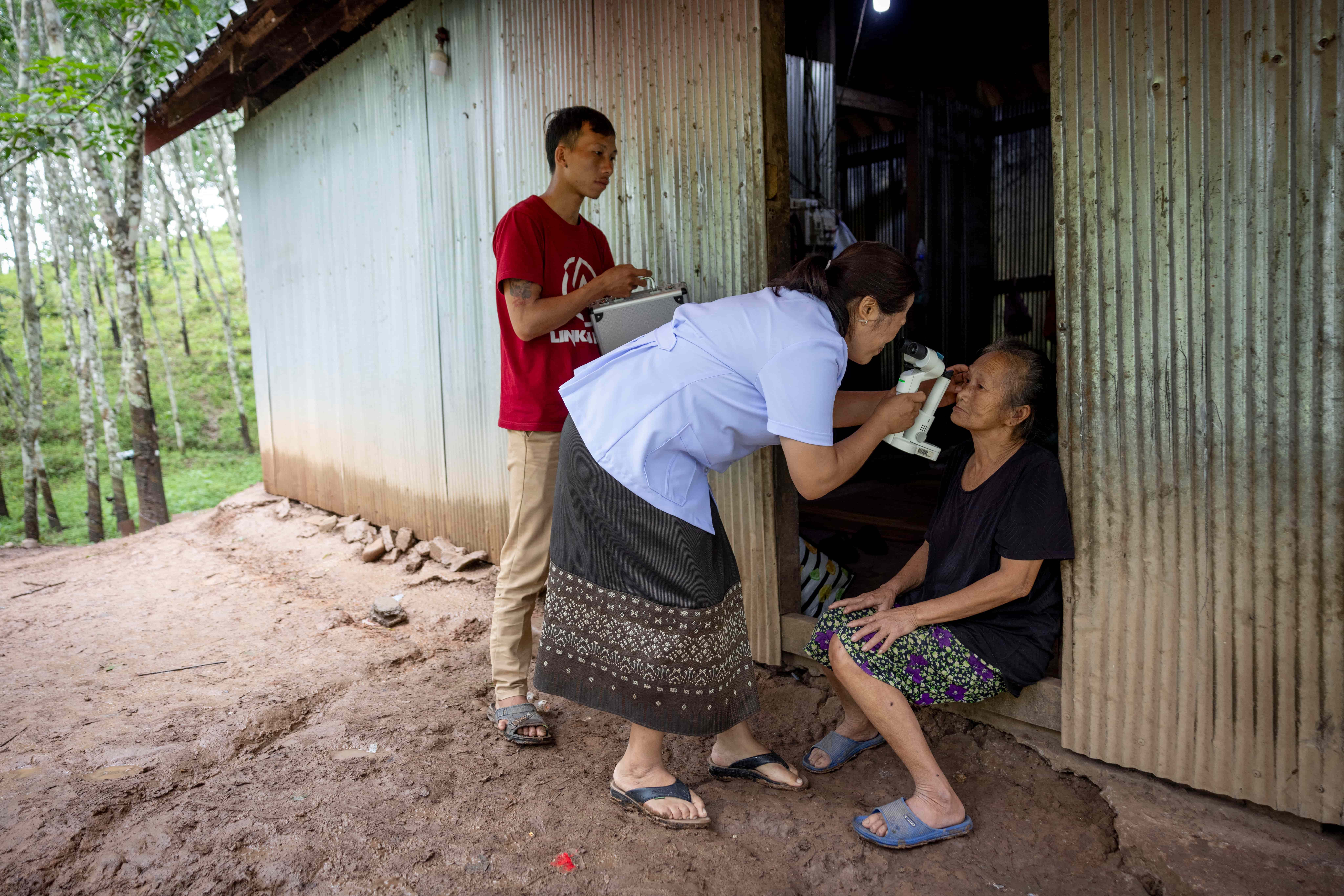 Yerng, 78, is looking forward to returning to farming and raising chickens after cataract surgery restored sight in her right eye. Living in a remote village in Laos, her vision loss had made it difficult to work and left her reliant on her son for support.
Photo credit: Michael Amendolia
Signs an older parent may be struggling with their vision
Vision changes can sometimes be subtle at first. A parent or grandparent may not openly talk about difficulties with their eyesight, particularly if they are worried about losing independence or becoming a burden on others.
Some common signs of vision loss in older adults include:
- squinting to read or watch television
- needing brighter light to read
- holding objects very close to the face
- difficulty recognising faces from a distance
- bumping into objects or missing steps
- trouble reading medication labels or small print
- sensitivity to glare or bright light
- avoiding driving, especially at night
- withdrawing from hobbies or social activities
- increased falls or loss of confidence walking outdoors
Older people may also complain about blurry vision, headaches, eye strain, dry eyes, floaters, or seeing halos around lights. Any sudden changes in vision should be assessed by an eye health professional as soon as possible.
Encourage regular eye tests
Regular eye examinations are one of the best ways to protect vision as we age. Many common eye conditions, including cataracts, glaucoma, and diabetic retinopathy, develop gradually and may not cause noticeable symptoms in the early stages.
Globally, at least 2.2 billion people live with vision impairment or blindness, and in at least 1 billion cases the vision impairment could have been prevented or has not yet been treated.
Regular eye tests can help detect problems early and improve treatment outcomes. As a general guide, older people should have their eyes checked every one to two years, or more frequently if recommended by their eye health professional.
If someone you care about is anxious about an appointment, has limited mobility, or faces barriers such as transport or cost, ask what would be helpful. Practical support might include helping to find services, arranging transport, or going to an appointment together if they would like you to.
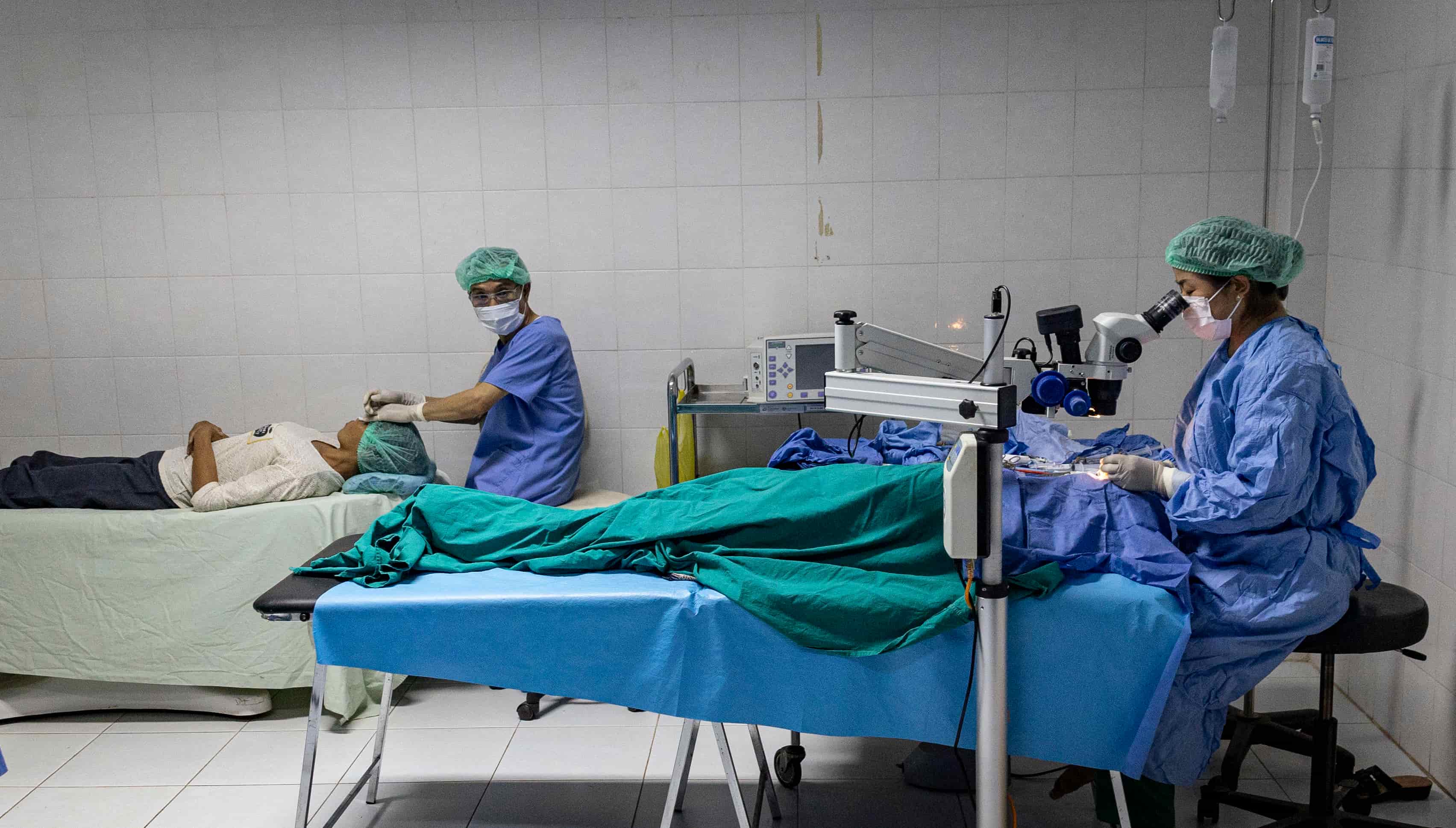 Yerng undergoes cataract surgery at Oudomxay Provincial Hospital in Laos, where Foundation-trained eye surgeon Dr Senglar Laosern is helping restore her sight and independence.
Photo credit: Michael Amendolia
Talk about ways to make the home environment safer
Vision loss can increase the risk of falls and injuries, particularly in older age. The World Health Organization identifies falls as one of the major consequences associated with vision impairment.
If vision loss is becoming a concern, it can be helpful to talk together about changes that could make the home safer, more comfortable, and easier to navigate. Depending on individual preferences and needs, these might include:
- improving lighting in hallways, bathrooms, and reading areas
- reducing clutter and removing trip hazards
- using contrasting colours on steps, doorways, or edges
- keeping commonly used items within easy reach
- using larger print labels where possible
- encouraging the use of prescribed glasses
Natural light can also support vision and overall wellbeing. Encouraging time outdoors, while protecting eyes with sunglasses and hats in strong sunlight, may help older adults remain active and socially connected.
Support independence, not dependence
Losing vision can be emotionally challenging. Many older people fear losing independence or control over their daily lives.
Supporting a parent means involving them in decisions about their care and respecting their preferences. Rather than taking over tasks, look for ways to support independence safely.
Patience and communication are important. Speak clearly, allow extra time when needed, and avoid making assumptions about what your parent can or cannot do. Small adjustments and practical support can often help people continue managing many aspects of daily life independently.
Supporting social connection
Vision loss can increase the risk of loneliness and social isolation, particularly if an older person stops attending social events or feels less confident leaving home alone.
Encouraging social connection is an important part of supporting healthy ageing. This could include:
- helping them attend community activities
- encouraging hobbies they enjoy
- arranging regular family visits or phone calls
- supporting access to mobility aids or transport services
Maintaining social connections can support emotional wellbeing, confidence, and quality of life.
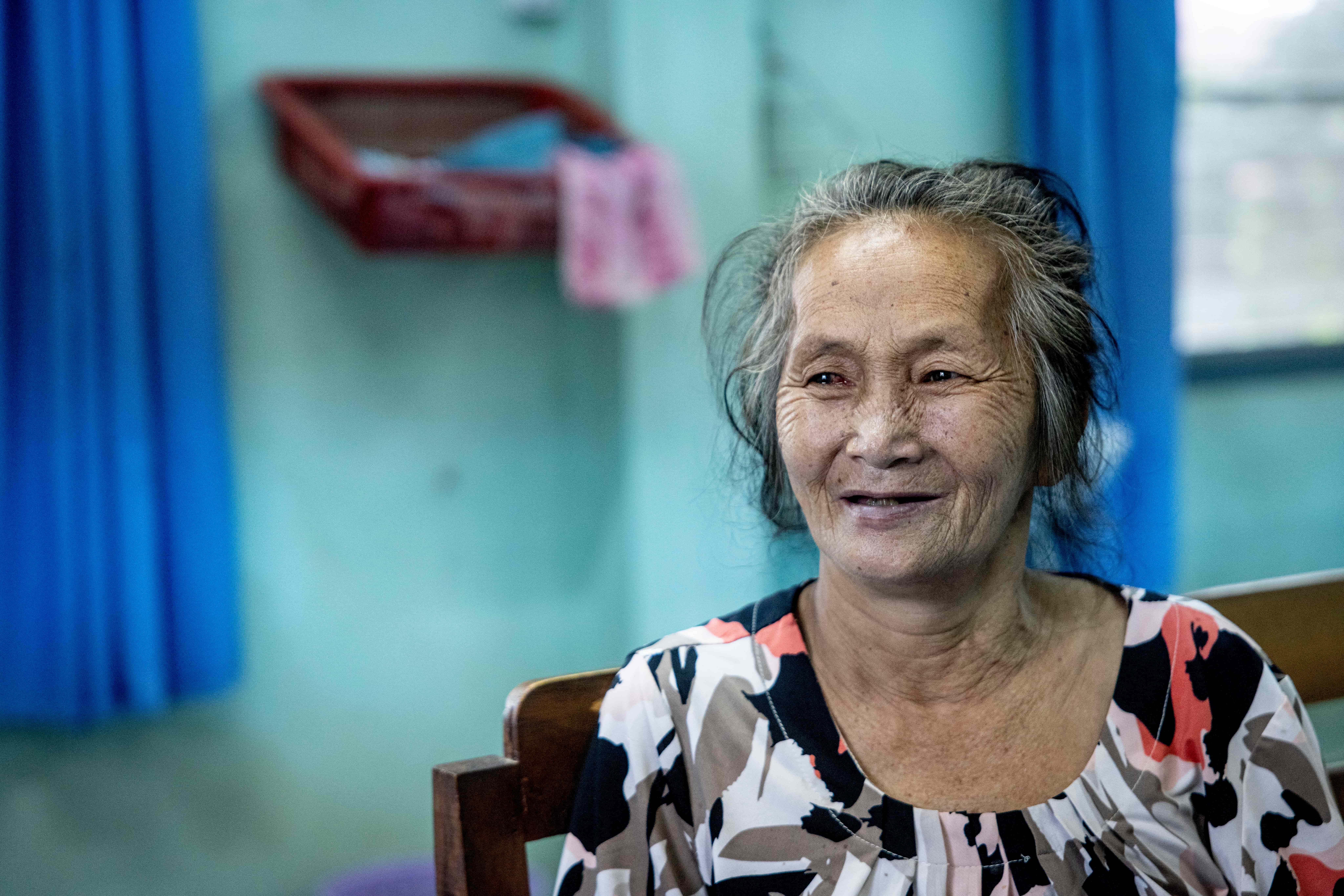 Yerng, 78, smiles after successful cataract surgery at Oudomxay Provincial Hospital in Laos. With her sight restored, she is looking forward to returning to farming and raising chickens.
Photo credit: Michael Amendolia
Many causes of vision loss are treatable
While some vision changes become more common with age, severe vision loss is not an inevitable part of growing older. Cataracts, uncorrected refractive error, and some forms of diabetic eye disease can often be treated effectively, especially when detected early.
Globally, cataracts remain the leading cause of blindness, affecting an estimated 94 million people worldwide.
For many older people, something as simple as a pair of glasses or cataract surgery can restore sight and improve independence, confidence, and quality of life.
At The Fred Hollows Foundation, we are working to ensure older people can access the eye care they need to age with independence, confidence, and dignity. Because everyone deserves the opportunity to stay connected to the people, places, and activities they love.
Download our report: Addressing the needs of older people with disabilities explores how ageism and ableism intersect to exclude older people from essential services, and outlines practical recommendations for governments, NGOs and policymakers to build more inclusive systems. Download the full report here.
Meet the author

Dr. Vânia de la Fuente-Núñez
Dr Vânia de la Fuente-Núñez is Global Healthy Ageing Lead at The Fred Hollows Foundation, where she works to advance equitable eye health and healthy ageing for older people worldwide.
Read more about healthy ageing

Why older women are more likely to experience vision loss


How often should older adults get an eye test?

How vision loss affects healthy ageing