
How many eye doctors are there in Rwanda and why it matters

Rwanda has made significant progress in strengthening its health system over the past two decades. However, access to specialised eye care remains limited.
There are currently around 1.7 cataract surgeons per million people in Rwanda. This is well below the level recommended by the World Health Organization to meet population needs.
More broadly, the number of ophthalmologists and trained eye health professionals remains low relative to the country’s population.
This gap has direct consequences for people at risk of vision loss.
Why the number of eye doctors matters
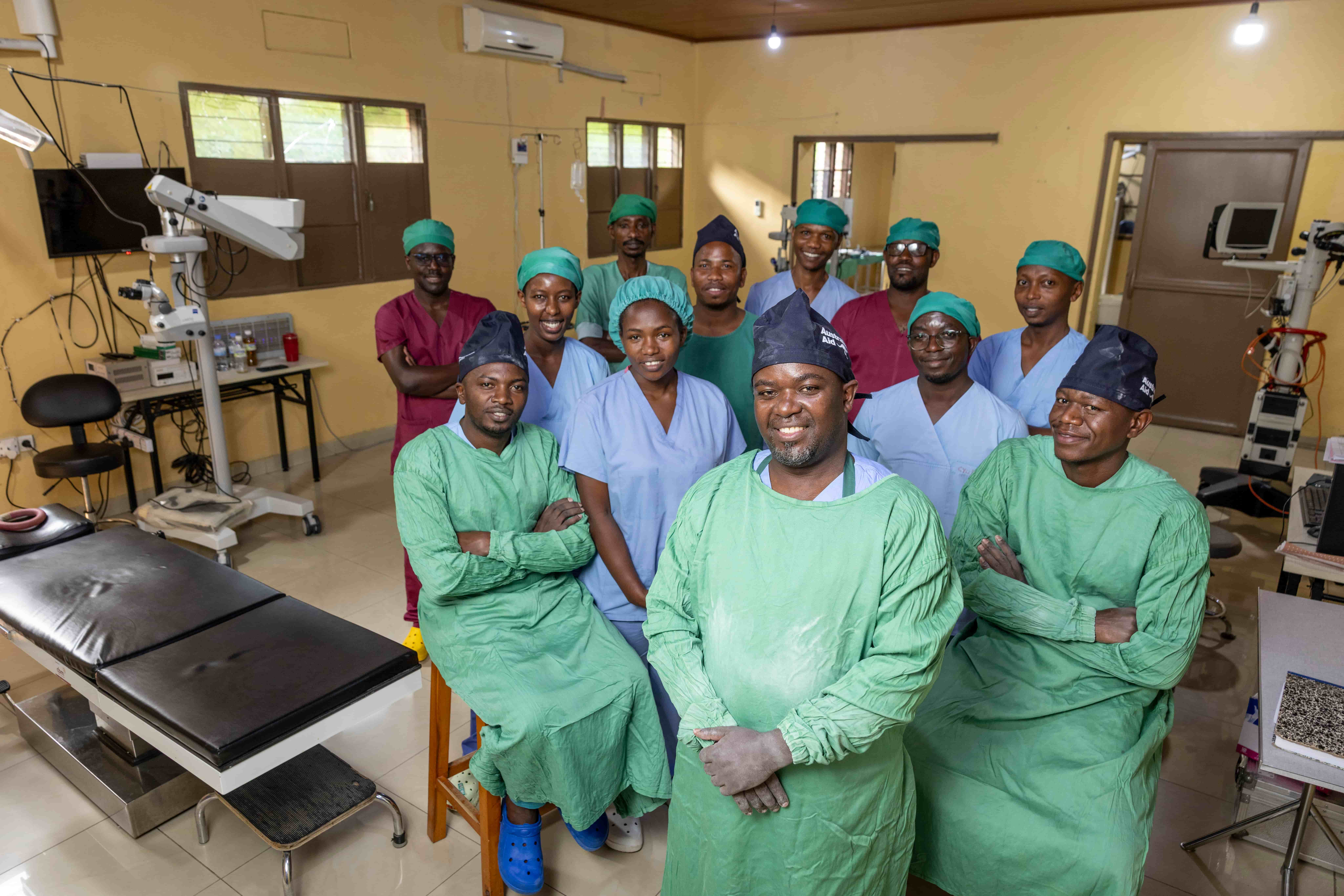 Photo credit: Michael Amendolia
Eye care is a specialised field that relies on trained professionals to diagnose and treat conditions such as cataract, glaucoma, and childhood eye disease.
Cataract, the leading cause of blindness globally, can be treated with a relatively simple surgical procedure. But surgery requires skilled surgeons, appropriate equipment, and functioning health systems.
When there are too few trained professionals:
- Fewer surgeries can be performed
- Waiting times increase
- Patients are more likely to present with advanced vision loss
- Rural communities remain underserved
In practical terms, workforce shortages limit how many people can access treatment each year.
The impact on avoidable blindness
Globally, 9 out of 10 people who are blind do not need to be, as their condition is preventable or treatable.
In Rwanda, cataract continues to be a leading cause of blindness. Yet with timely surgery, sight can often be restored.
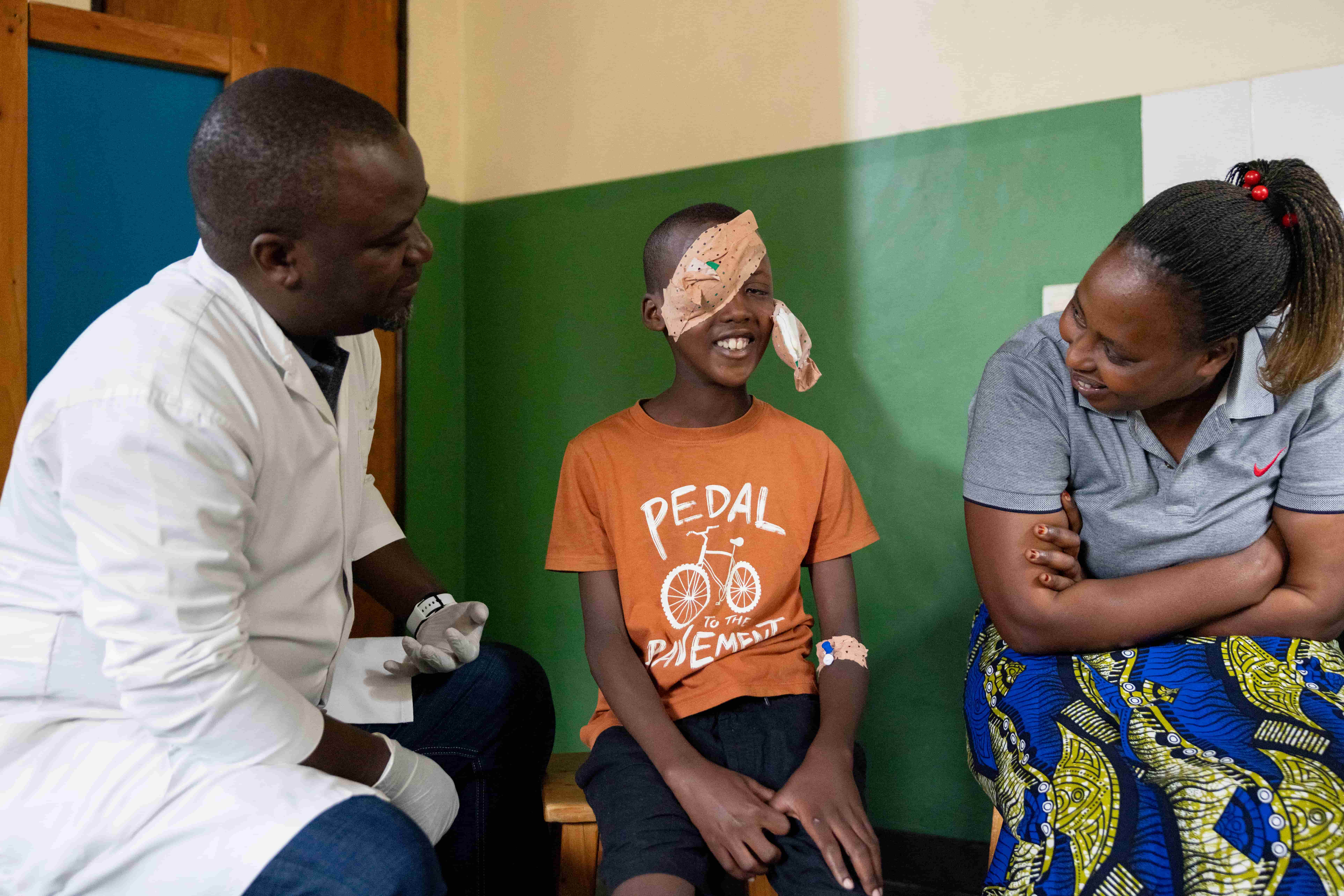 Photo credit: Michael Amendolia
The challenge is not whether treatment exists, but whether people can access it.
A limited eye health workforce contributes to.
- Delays in diagnosis
- Reduced surgical capacity
- Uneven access between urban and rural areas
Without enough trained professionals, avoidable blindness persists.
Access beyond the numbers
Workforce numbers are only part of the picture.
Even where services exist, access can be affected by:
- Distance to hospitals and clinics
- Cost of transport and treatment
- Awareness of available services
- Referral pathways within the health system
In rural areas, these barriers can delay care until vision loss becomes severe.
This is particularly significant for children, where early treatment is critical for long-term outcomes.
Progress and investment in eye health
Rwanda has taken important steps to strengthen its eye health system.
This includes:
- Expanding training for eye health professionals
- Integrating eye care into broader health services
- Increasing screening and referral programs
- Updating national Essential Medicines List to include key ophthalmic consumables
- Integrating cataract surgical outcoming monitoring into the national systems – looking at quality not just numbers of surgeries performed
Organisations like The Fred Hollows Foundation work alongside government and local partners to support this progress, with a focus on building sustainable systems.
These efforts are helping to increase surgical output and improve access over time.
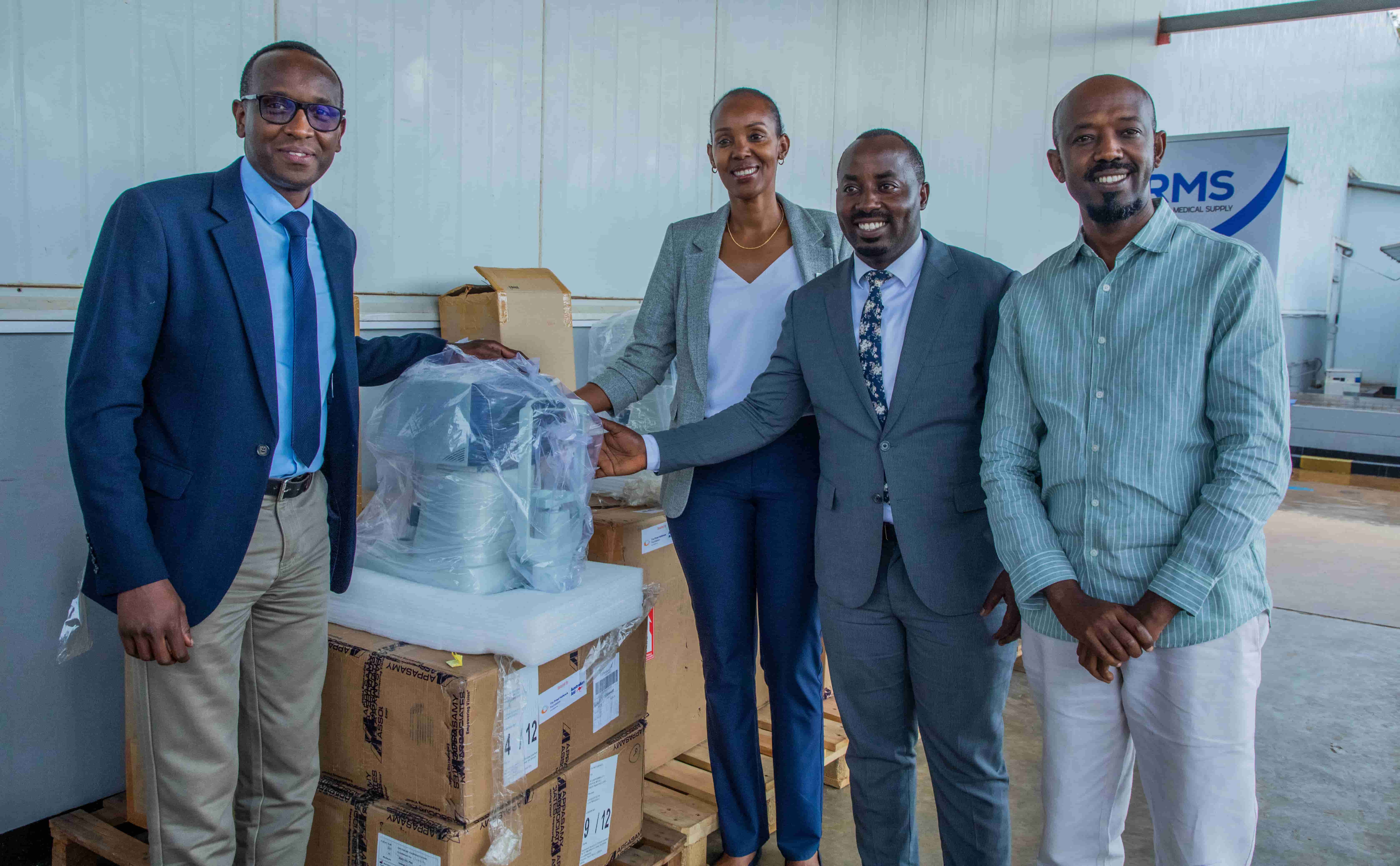 Representatives from the Ministry of Health, Rwanda Medical Supply and The Fred Hollows Foundation officially hand over ophthalmic equipment to four hospitals in Rwanda to help strengthen access to quality eye care.
Photo credit: Newtimes Rwanda
Why workforce growth is critical
Increasing the number of trained eye health professionals is essential to reducing avoidable blindness.
A stronger workforce means:
- More people can be screened and diagnosed earlier
- More quality surgeries can be performed
- Services can reach underserved communities and are equitably distributed
- Health systems become more resilient and sustainable
Without this investment, demand for services will continue to outpace capacity.
Our approach in Rwanda
Addressing avoidable blindness in Rwanda requires more than increasing the number of eye doctors. It requires strengthening the entire eye health system.
The Fred Hollows Foundation works in partnership with the Rwandan Government and local health providers to expand access to quality eye care, particularly in underserved communities.
This includes:
- Training and supporting eye health workers to increase the number of skilled professionals able to diagnose and treat conditions like cataract
- Improving surgical quality and equipment, helping ensure better outcomes for patients
- Expanding screening programs, so more people are identified and referred earlier
- Strengthening health systems, including referral pathways and integration into national services
These efforts are contributing to increased access to care and improved outcomes over time.
While challenges remain, this approach focuses on building sustainable systems that can meet growing demand and reduce avoidable blindness in the long term.
From workforce to real impact
Workforce shortages are not just a matter of numbers. They shape what happens to patients.
Dr Theophile, an ophthalmologist in Rwanda, sees this every day in his work with children.
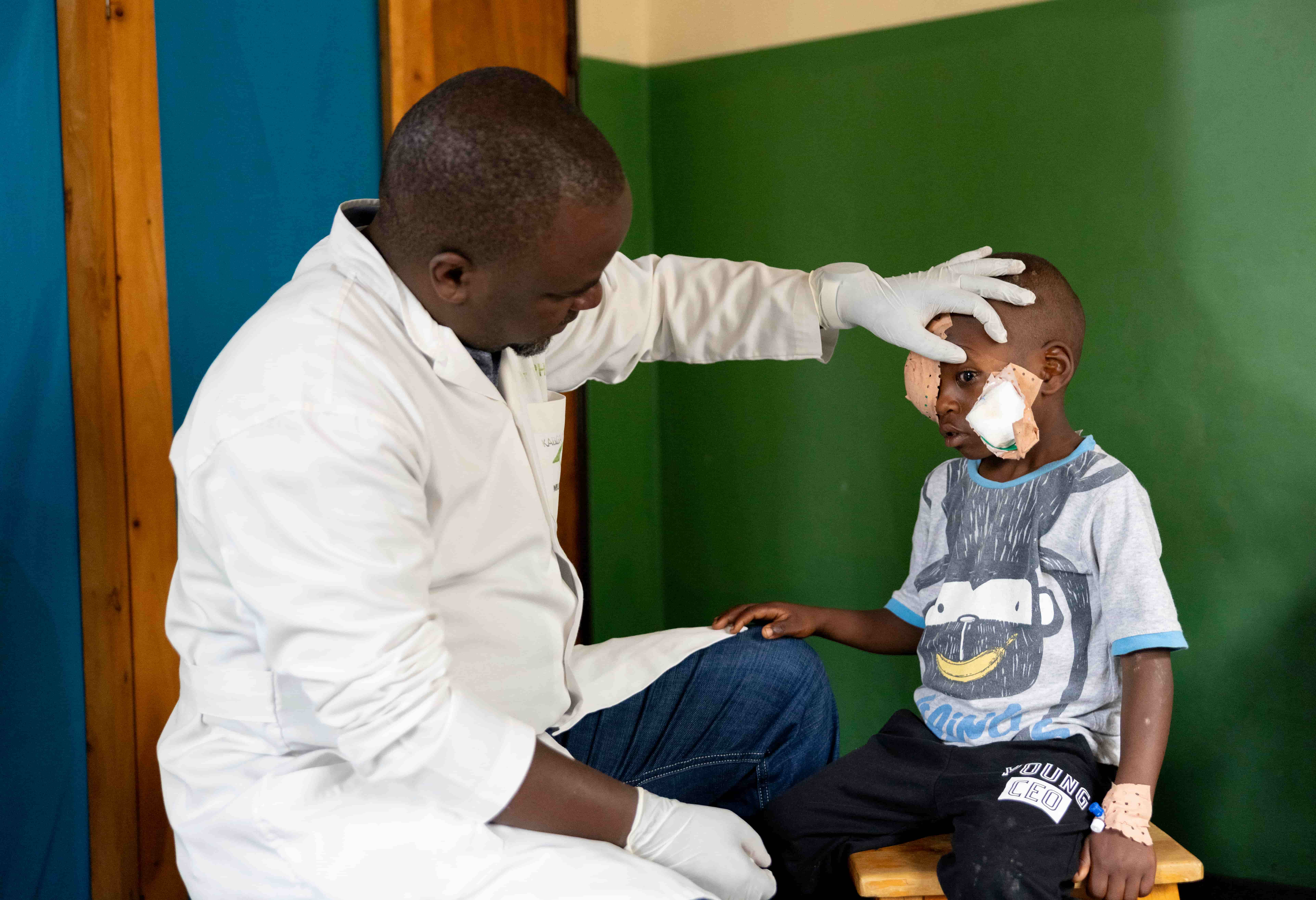 Photo credit: Michael Amendolia
He recalls meeting a young boy named Blaise, who had developed cataract in both eyes. By the time he was identified, Blaise was already blind in one eye and losing sight in the other.
Despite this, he continued going to school, working hard to keep up as his vision deteriorated.
Cases like this are not unusual. Limited access to specialised care means children are often diagnosed late, when their vision has already been significantly affected.
After being referred for surgery, Blaise’s sight was restored.
His story reflects what is possible when children are able to access timely care — and what is at risk when they cannot.
Read Dr Theophile’s story here.
Looking ahead
As Rwanda’s population grows, so too will the need for eye care.
It is estimated that 1.6 million people in Rwanda could experience blindness or vision loss by 2040 without significant improvements in access and treatment.
Addressing this challenge requires a long-term approach, including workforce development, infrastructure investment, and community awareness.
A solvable challenge
Avoidable blindness is a solvable problem.
With the right number of trained professionals, effective systems, and accessible services, many causes of vision loss can be prevented or treated.
Strengthening the eye health workforce is a critical part of that solution.
Support access to eye care in Rwanda
Meet the author

Dr Tiva Kanunara
Tiva Kanunara is The Fred Hollows Foundation’s Country Director for Rwanda. She works closely with government and local partners to strengthen eye health systems, expand access to quality care, and reduce avoidable blindness across Rwanda.
Read more stories from Rwanda

Eye care access in Africa: Key statistics and what they mean


Dr Tuyisabe Theophile: Restoring sight, changing lives in Rwanda

Ending cataract blindness in Rwanda: Building a national eye health system by 2040