
Parveen's Story

She had never seen her baby's face
For months, Parveen held her baby close, listened to his laughter and soothed him when he cried.
But she had never seen his face.
The 23-year-old from Chandpur, Bangladesh, lost much of her sight after a live electrical wire brushed her face while she was working. Although her physical injuries healed, the accident left her with a traumatic cataract that slowly stole her vision.
By the time her son, Pervez, was born, Parveen could no longer see him clearly.
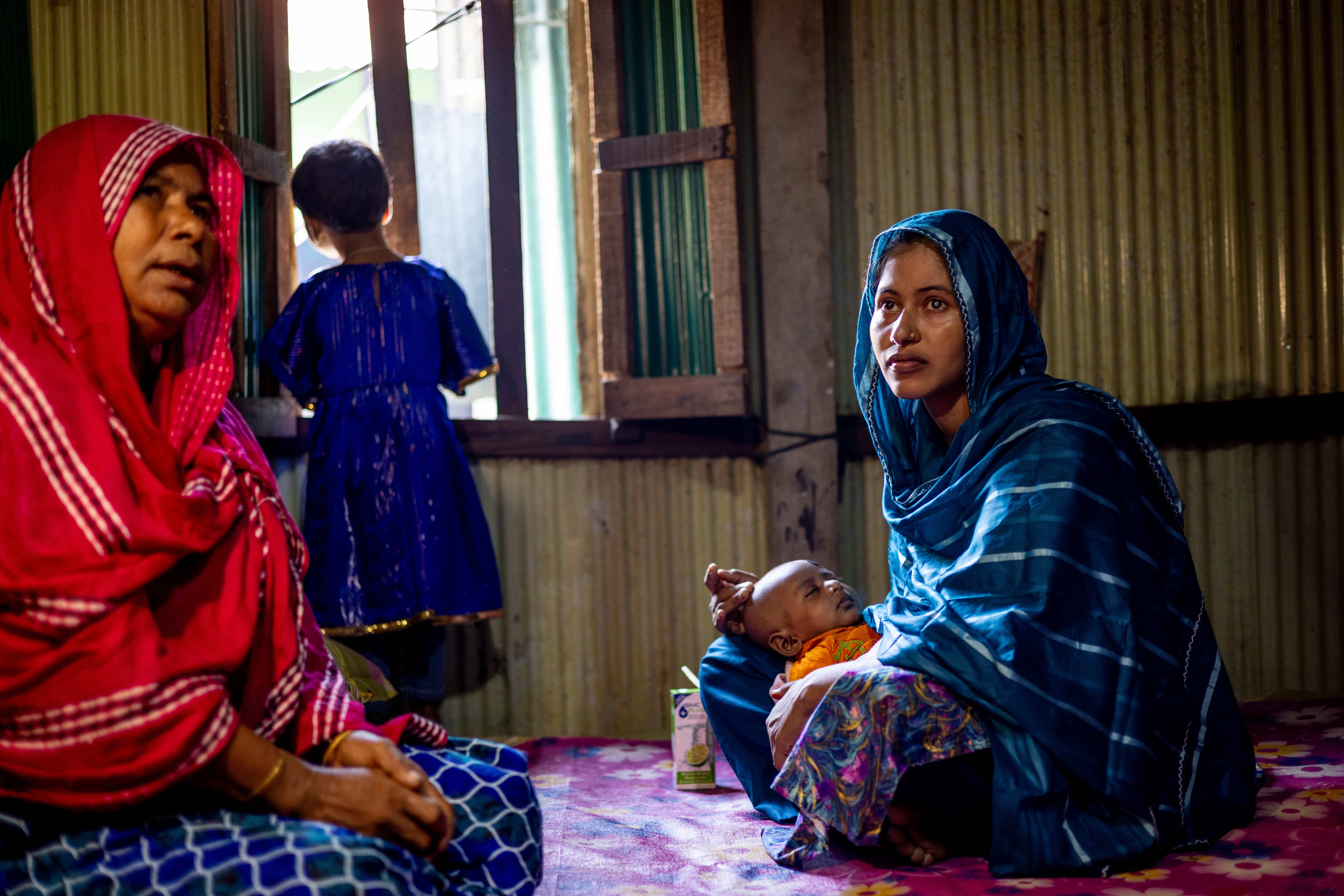
Photo credit: Michael Amendolia
A mother's greatest wish
As Parveen's sight deteriorated, everyday tasks became overwhelming. She struggled to care for her children and worried constantly about the future.
"I have eyes but I can't see. My child is in front of me and I can't properly take care of him," she said.
"I can't feed my children – I don't know where their mouth is. I'm really struggling."
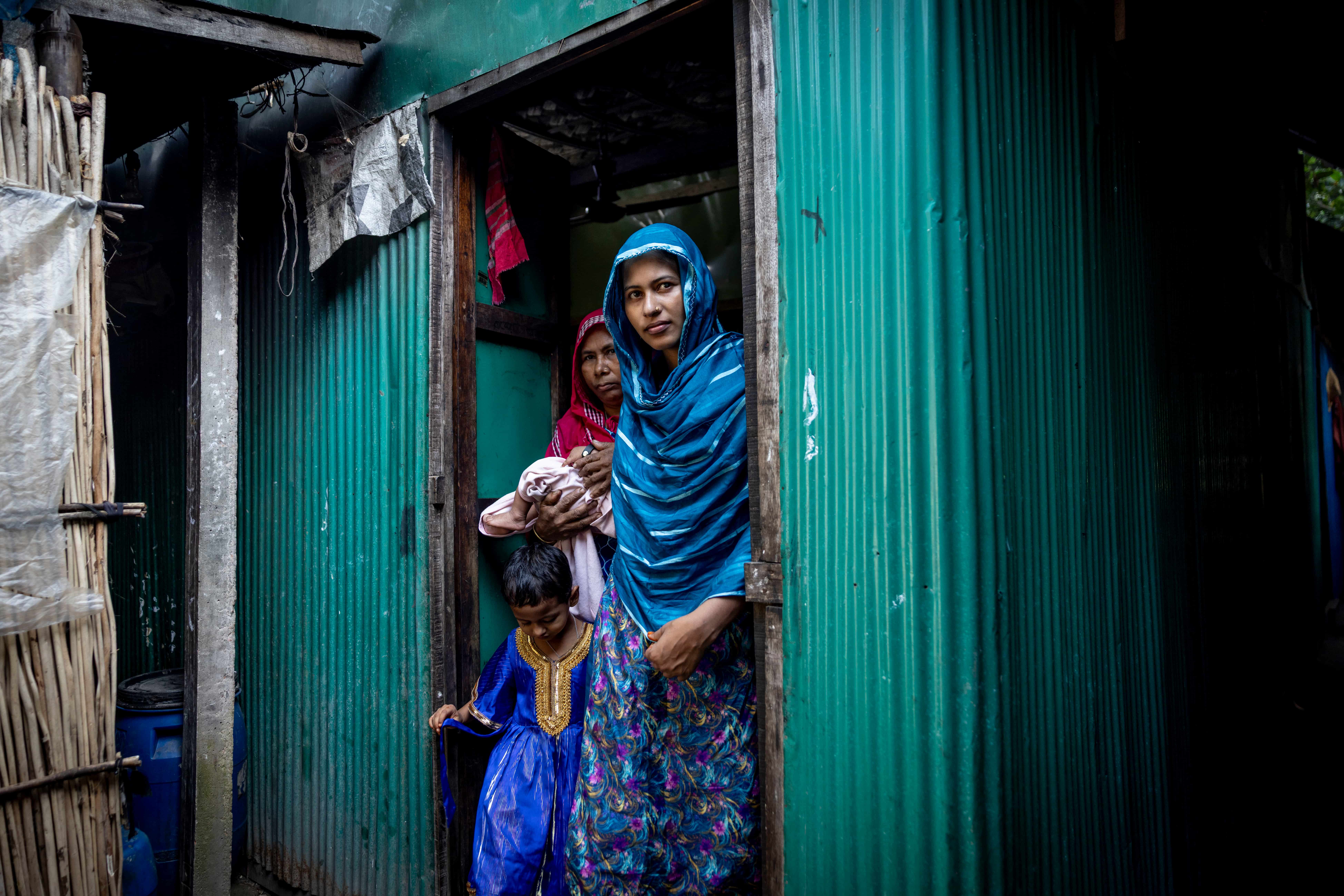 Photo credit: Michael Amendolia
Unable to work and with little money to spare, Parveen and her husband borrowed what they could to seek treatment. But surgery remained out of reach.
Then Parveen was referred to an eye hospital supported by The Fred Hollows Foundation.
Working alongside local partners, The Foundation helped ensure Parveen could receive the cataract surgery she needed, with support for transport and accommodation removing the financial barriers that had prevented her from accessing care.
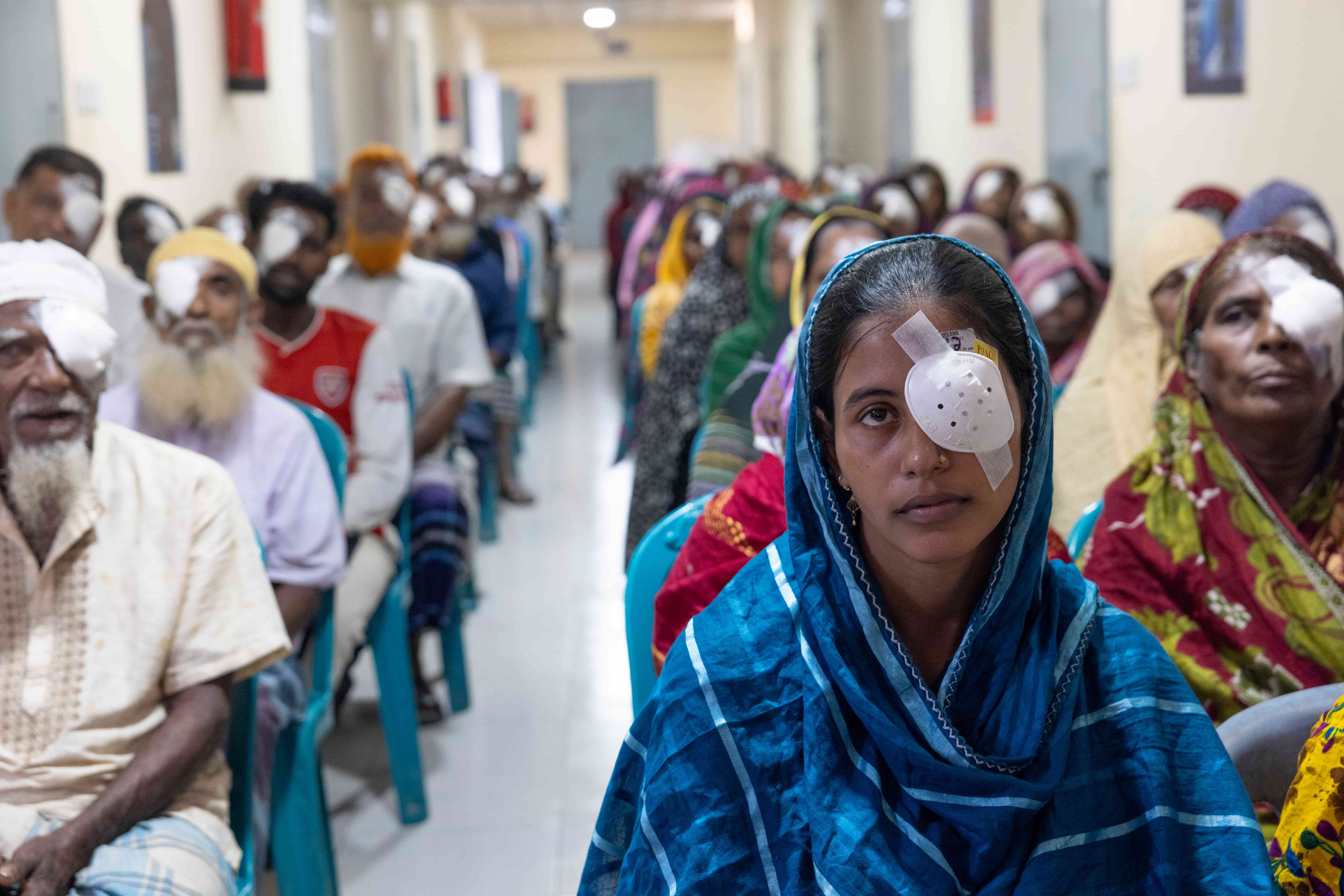 Photo credit: Michael Amendolia
Before leaving for hospital, she shared her greatest wish.
"I want to see my son for the first time."
The operation took less than 20 minutes. The following morning, the bandage was removed. The first thing Parveen looked for was her little boy.
For the first time, she saw Pervez's face.
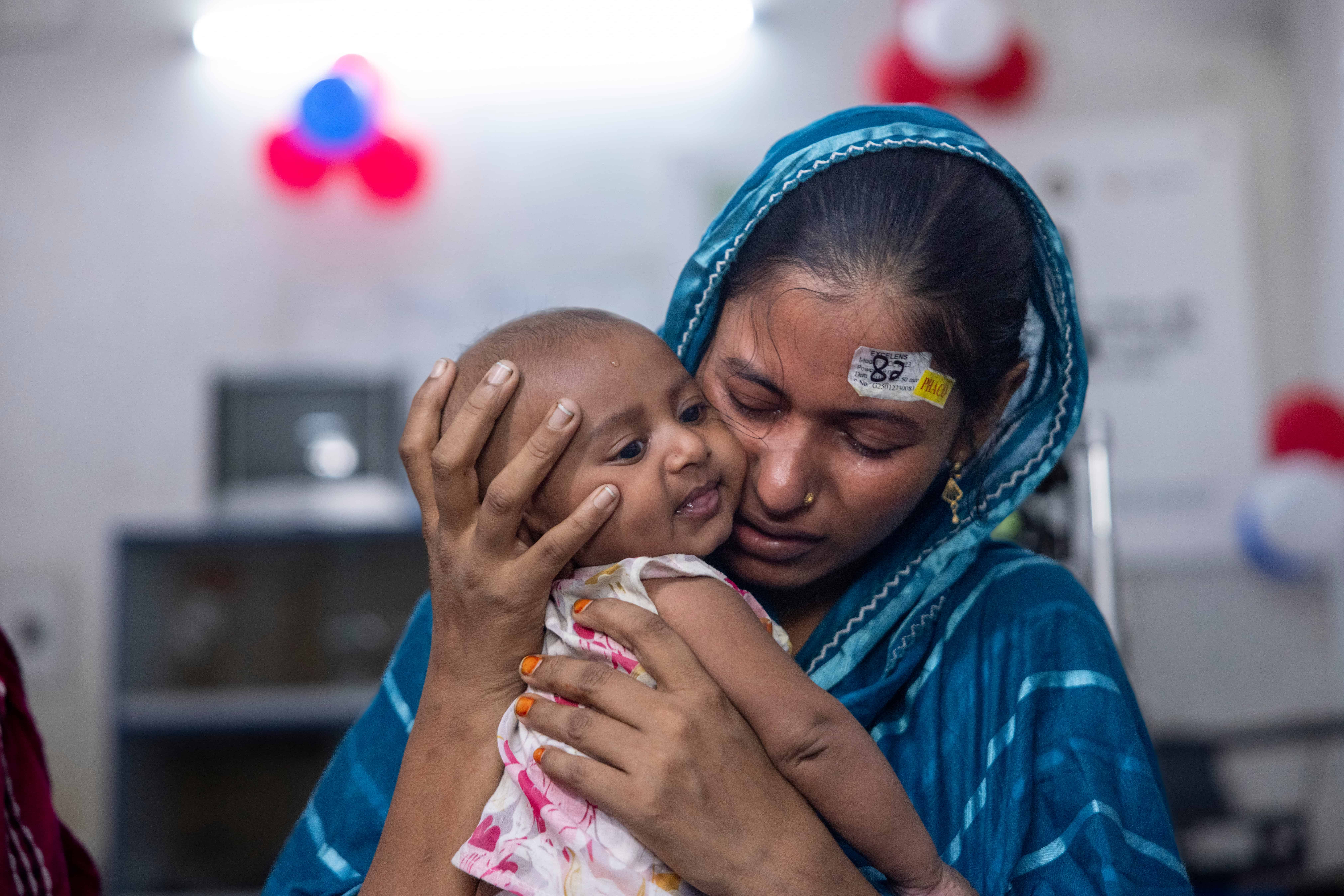 Photo credit: Michael Amendolia
A new beginning
Restoring Parveen's sight meant more than helping her see again. It gave her the confidence to care for her children and look ahead with hope.
"I want to do so many things like taking care of my child, feeding them and taking them to school. I'm feeling good."
For Parveen, a simple cataract operation transformed what once felt impossible into an ordinary joy: seeing her son's smile.
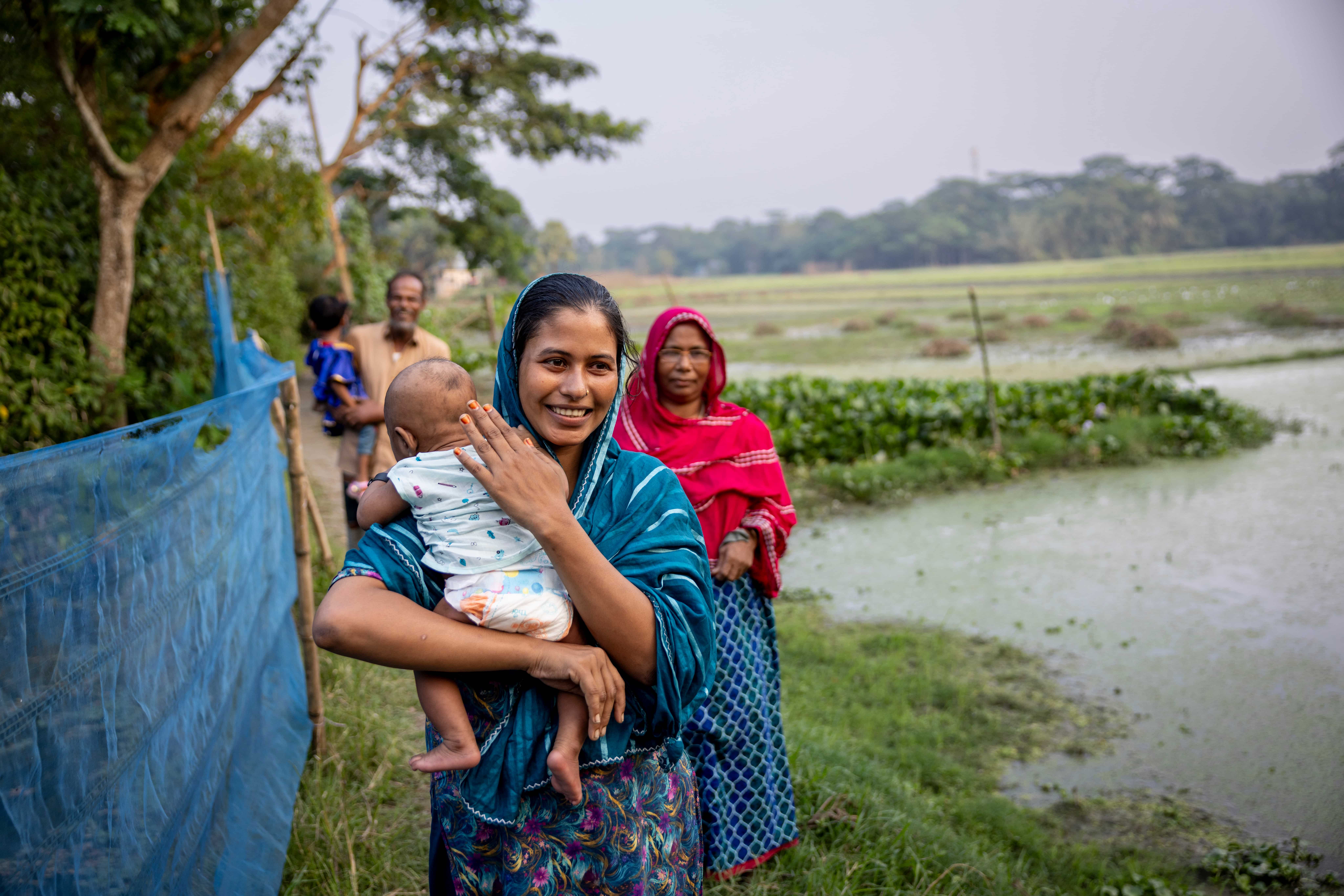 Photo credit: Michael Amendolia
Restoring sight across Bangladesh
Parveen's story is one of many.
Across Bangladesh, nearly 750,000 people are blind, while more than 6 million people are living with vision impairment. Yet nine out of ten people who are blind or vision impaired don't need to be. With timely treatment, conditions such as cataract can often be prevented or cured.
For many people, however, accessing eye care isn't simple. Distance, cost and limited local services can delay treatment, particularly for people living in rural communities and for women, who often face greater barriers to accessing healthcare.
That's why The Fred Hollows Foundation has worked with local partners in Bangladesh since 2008 to strengthen eye health systems and bring care closer to the people who need it most.
Together, we're training local eye health workers, supporting hospitals, delivering outreach screening programs and helping remove barriers that prevent people from receiving sight-saving treatment.
Since 2008, The Foundation has helped screen more than 3.9 million people and supported more than 272,400 cataract surgeries across Bangladesh.
Every person who regains their sight represents more than a successful operation. It means a parent can care for their children with confidence, a worker can earn a living again, a student can return to school, and a family can look to the future with hope.
For Parveen, it meant finally seeing the face she had been dreaming of.
Read more stories from Bangladesh

Obaidul's Story

Restoring sight where life floats on rivers

Eye care and life in Cox's Bazar