
Traumatic cataract: how eye injuries can lead to blindness

Most cataracts develop as people age. But cataracts can also occur after an eye injury.
Known as a traumatic cataract, this condition can affect people of any age and may develop immediately after an injury or months – sometimes years – later.
Without treatment, traumatic cataracts can lead to significant vision loss or blindness. The good news is that cataract surgery is often highly effective at restoring sight if other parts of eye are not affected.
What is a traumatic cataract?
A cataract occurs when the eye’s natural lens becomes cloudy, preventing light from passing clearly into the eye.
In a traumatic cataract, this clouding develops as a result of an injury rather than the natural ageing process.
The injury may damage the lens directly or disrupt the protective structures around it, causing the lens to gradually become opaque.
Traumatic cataracts can affect one or both eyes, depending on the nature of the injury.
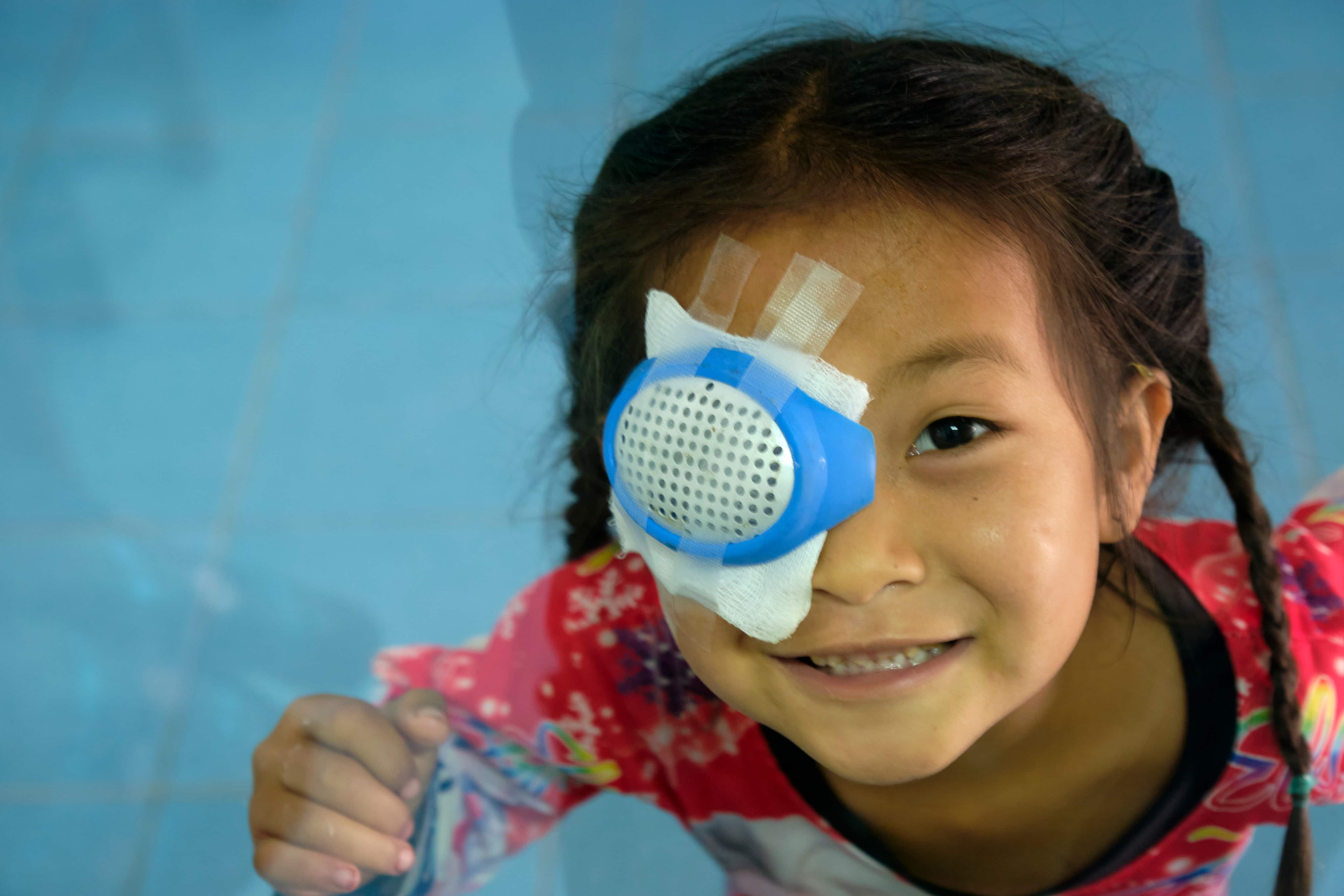 Chansouk, 6, from Oudomxay, Laos, developed a traumatic cataract after an explosion left her injured when she was just two years old. After struggling with her vision for years, cataract surgery restored sight in her right eye.
Photo credit: The Fred Hollows Foundation
What causes a traumatic cataract?
A range of injuries can lead to traumatic cataracts, including:
- Blunt trauma, such as being struck in the eye by a ball, fist or other object.
- Penetrating injuries caused by glass, metal, wood or other sharp objects.
- Chemical burns.
- Electrical injuries.
- Radiation exposure.
In some cases, the cataract develops immediately after the injury. In others, vision may remain stable for months or years before symptoms begin to appear.
What are the symptoms of traumatic cataract?
Symptoms of a traumatic cataract are similar to those of other cataracts and may include:
- Blurred or cloudy vision.
- Increased sensitivity to light.
- Difficulty seeing at night.
- Faded or muted colours.
- Double vision in one eye.
- Progressive diminution/loss of vision.
Because symptoms can develop gradually, some people may not realise their vision loss is linked to a previous injury.
 Happiness, from Kenya, developed a traumatic cataract after an injury at home. With support from her mother, Violet, and access to specialist eye care, Happiness underwent successful cataract surgery and can now look ahead to her future, with dreams of becoming a nun.
Photo credit: Mark Maina
How are traumatic cataracts treated?
The most effective treatment for a traumatic cataract is surgery.
During cataract surgery, the cloudy lens is removed and replaced with a clear artificial lens. The procedure is one of the most commonly performed surgeries in the world and can often be completed in less than 20-30 minutes.
The complexity of surgery depends on the extent of the original injury. In some cases, other parts of the eye may also have been damaged and require additional treatment.
However, many people with traumatic cataracts can achieve excellent visual outcomes when they receive timely care.
Parveen's story
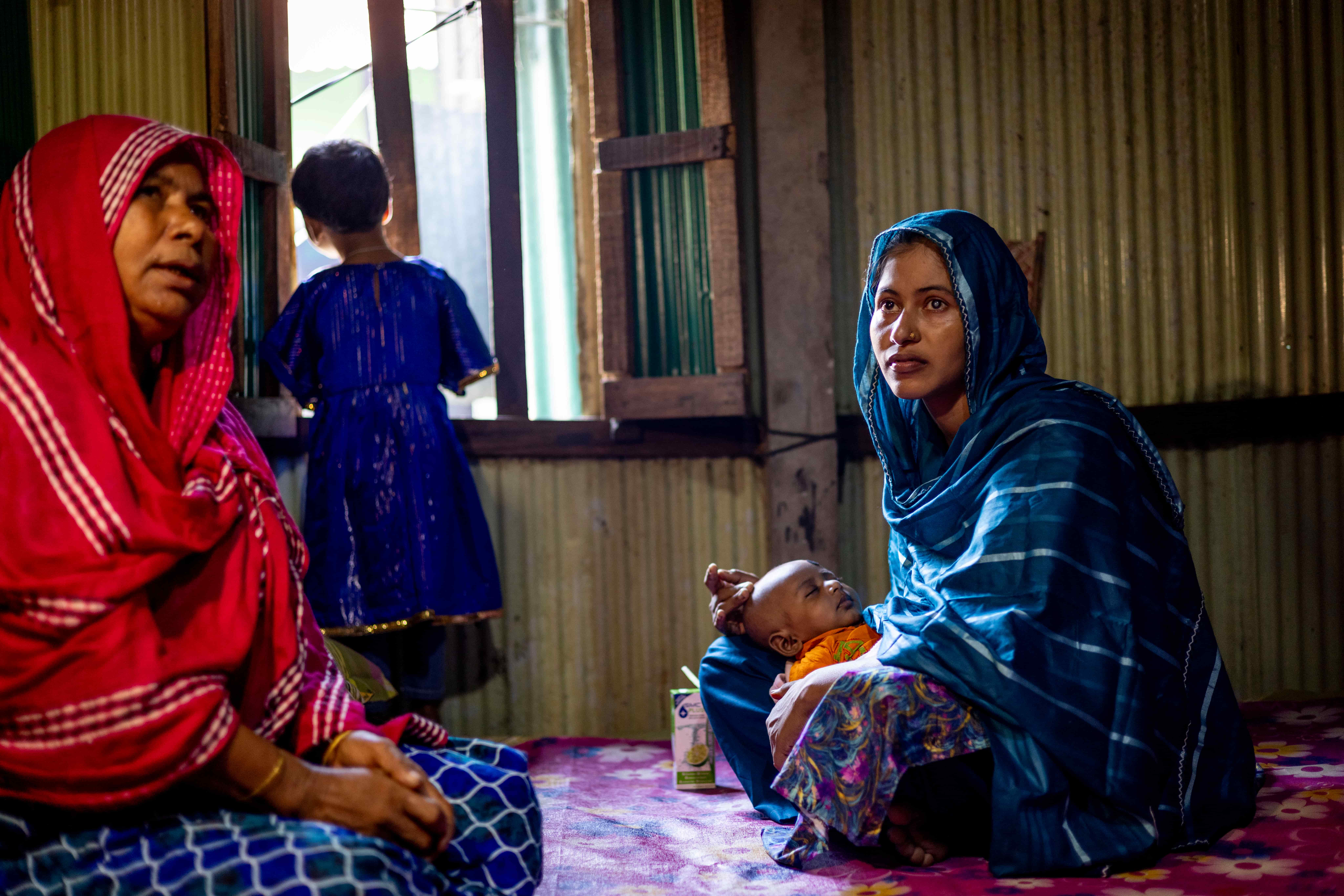 Photo credit: Michael Amendolia
Parveen, 23, from Chandpur in Bangladesh, developed a traumatic cataract after a live electrical wire brushed her face.
"I was visiting a neighbour. I went to the terrace and I didn't notice a wire that was hanging. All of a sudden it hit my face.
"In a minute it changed my life."
In the months that followed, Parveen lost vision in one eye and gradually began losing sight in the other.
By the time her youngest son, Pervez, was born, she could no longer see his face.
Unable to afford treatment, Parveen was referred to Mazharul Haque BNSB Eye Hospital, where she received free cataract surgery supported by The Fred Hollows Foundation and the Australian NGO Cooperation Program (ANCP).
The morning after surgery, Parveen's eye patch was removed.
For the first time, she could clearly see her baby son.
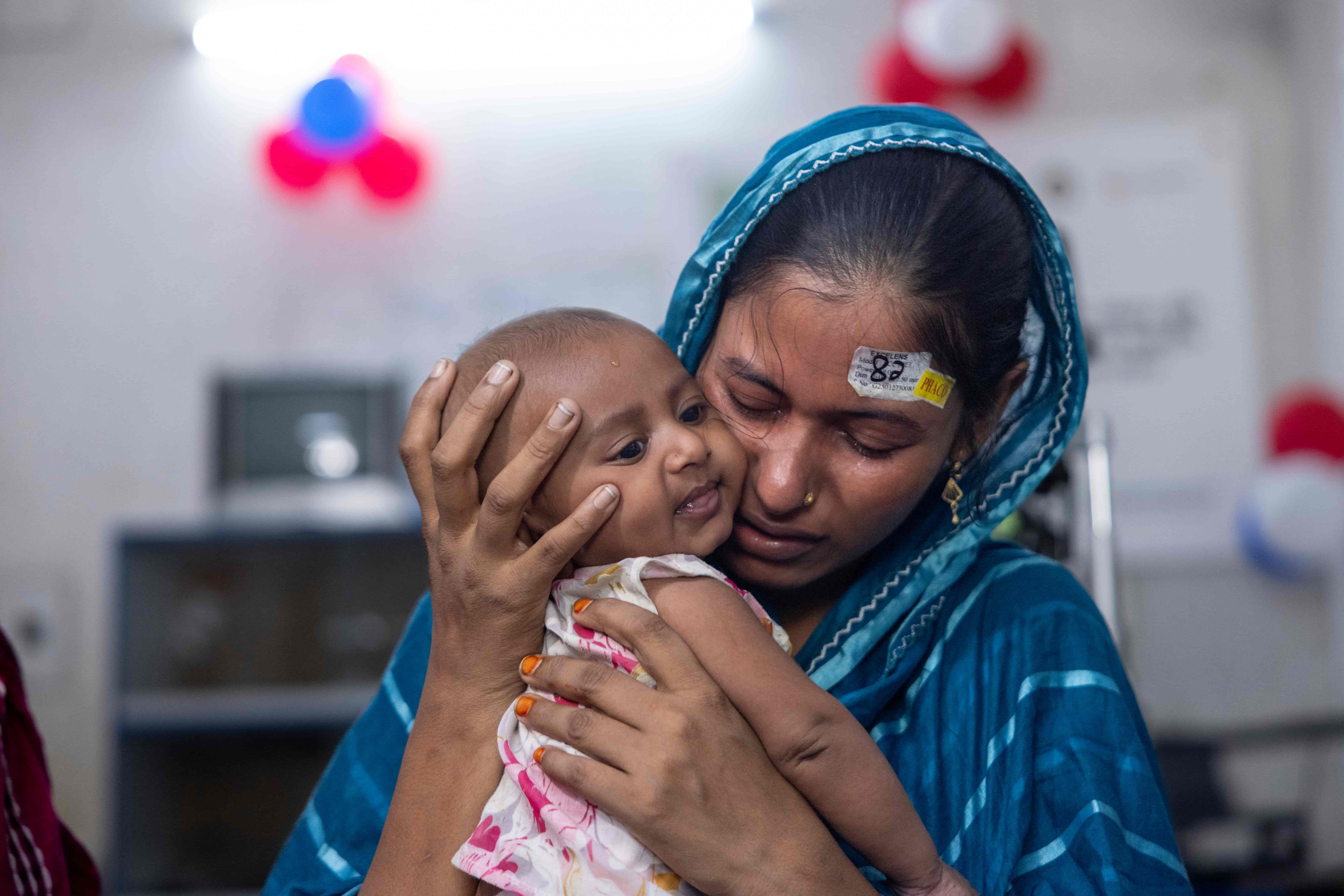 Photo credit: Michael Amendolia
"I want to do so many things like taking care of my child, feeding them and taking them to school," she said.
"I'm feeling good."
Why access to eye care matters
Traumatic cataracts are treatable, but millions of people around the world still face barriers to accessing surgery.
Cost, distance, limited specialist services and lack of awareness can prevent people from receiving timely treatment, particularly in rural and underserved communities.
The Fred Hollows Foundation works with partners to strengthen local eye health systems, train eye health workers and expand access to affordable, high-quality eye care so more people can receive the treatment they need before vision loss becomes permanent.
Meet the author

Dr Lila Raj Puri
Dr Lila Raj Puri is a Medical Adviser at The Fred Hollows Foundation, and his interest lies in research and training. Based in London, he advises on national prevention of blindness strategies in the Asia region, and leads the development and implementation of clinical governance frameworks. He also supports ophthalmologist training and quality assurance at Alina Vision Hospital. He is an ophthalmologist with over 12 years of experience in clinical and surgical management of eye diseases, and hospital management. As an Associate Professor, he has trained national and international ophthalmologists in cataract surgeries, as well as overseeing the training of optometrists, residents and nurses.
Related articles

Parveen's Story


What happens during cataract surgery?


Chansouk's Story