
Why are women still missing out on eye care in Bangladesh?

Every day, women across Bangladesh lose their sight from conditions that can often be prevented or treated.
It's not because women are more susceptible to eye disease.
It's because they're more likely to face barriers that prevent them from getting the care they need.
Around the world, women account for more than half of all people living with blindness and vision impairment. In Bangladesh, the challenge is particularly significant, where financial hardship, caring responsibilities and limited access to healthcare mean many women delay or miss treatment altogether.
For organisations like The Fred Hollows Foundation, addressing avoidable blindness isn't only about providing surgery. It's also about removing the barriers that stop women from accessing care in the first place.
Why are women more likely to experience blindness?
Many of the leading causes of blindness, including cataract, can be treated with relatively simple procedures.
Yet women consistently receive cataract surgery at lower rates than men.
There are many reasons why.
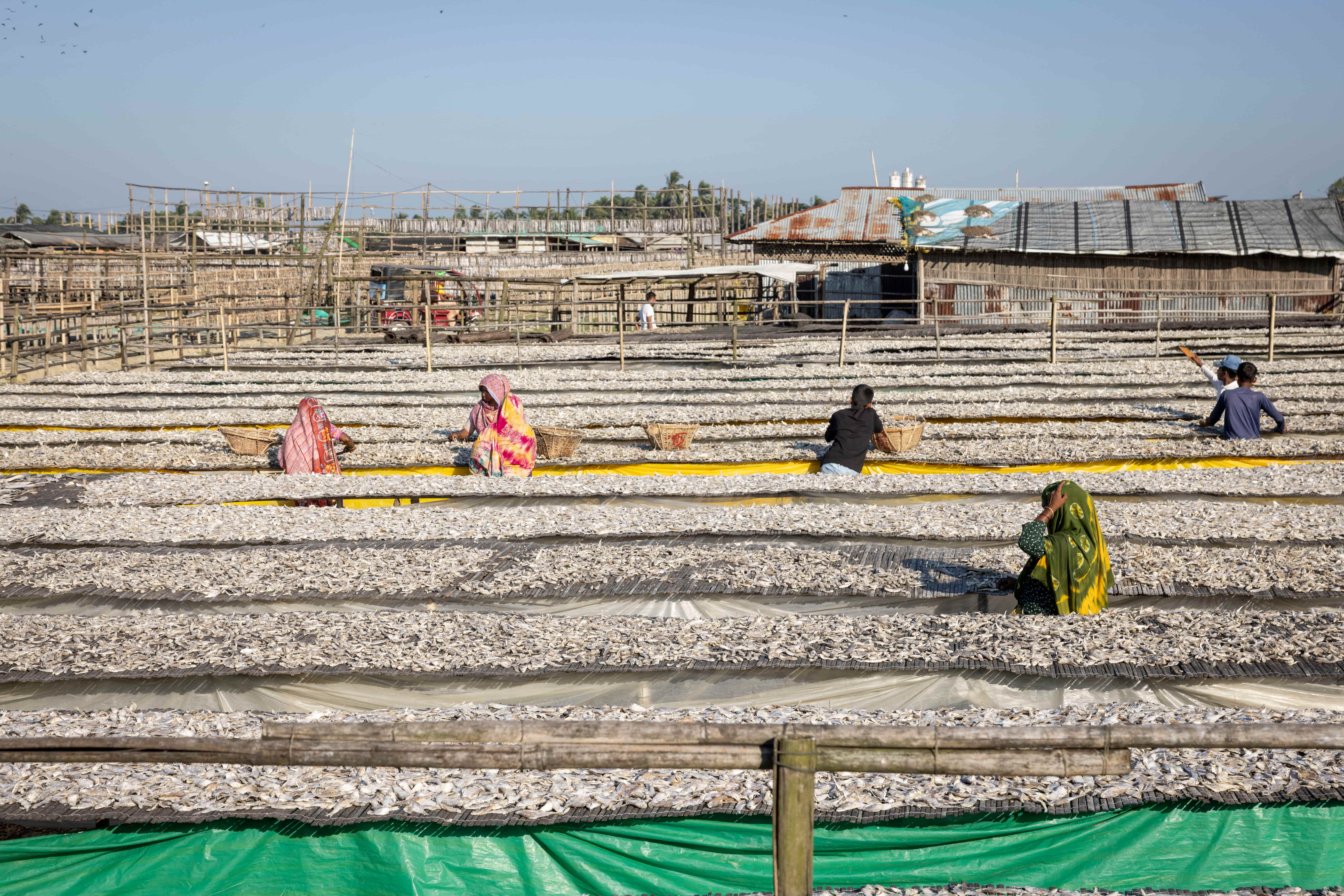 Women make up most of the workforce at Bangladesh’s Nazirartek Dry Fish Hub, where long hours and concerns about losing work can make it difficult to seek care for vision problems.
Photo credit: Michael Amendolia
Financial barriers
In many households, limited financial resources mean healthcare decisions are prioritised for those seen as the primary income earners.
For some women, spending money on travel or surgery simply isn't considered possible, even when their eyesight is deteriorating.
Caring responsibilities
Women are often responsible for caring for children, older family members and managing the household.
Taking time away to travel to an eye clinic or recover from surgery can feel impossible.
As a result, many women continue living with avoidable vision loss long after treatment is available.
Distance and transport
For people living in rural Bangladesh, the nearest eye hospital may be hours away.
Travelling long distances can be difficult for anyone, but women often face additional challenges travelling alone or arranging transport.
The cost of transport and accommodation can also prevent people from seeking treatment.
Awareness
Some women simply don't know that their vision can be restored.
Others accept vision loss as a normal part of ageing or aren't aware that cataracts can often be treated with a short surgical procedure.
Without community outreach and education, many people never seek help.
What is The Fred Hollows Foundation doing?
The Fred Hollows Foundation works alongside local partners in Bangladesh to ensure more women can access the eye care they need.
Rather than waiting for patients to reach hospitals, outreach screening programs bring services closer to communities, helping identify people with vision loss before it's too late.
Community health workers play a vital role by raising awareness, referring people for treatment and helping them navigate the healthcare system.
The Foundation also works with local partners to reduce the financial barriers that prevent many women from accessing care, including support for transport, accommodation and treatment where needed.
At the same time, we're strengthening hospitals, training eye health professionals and building sustainable eye health systems that continue serving communities long into the future.
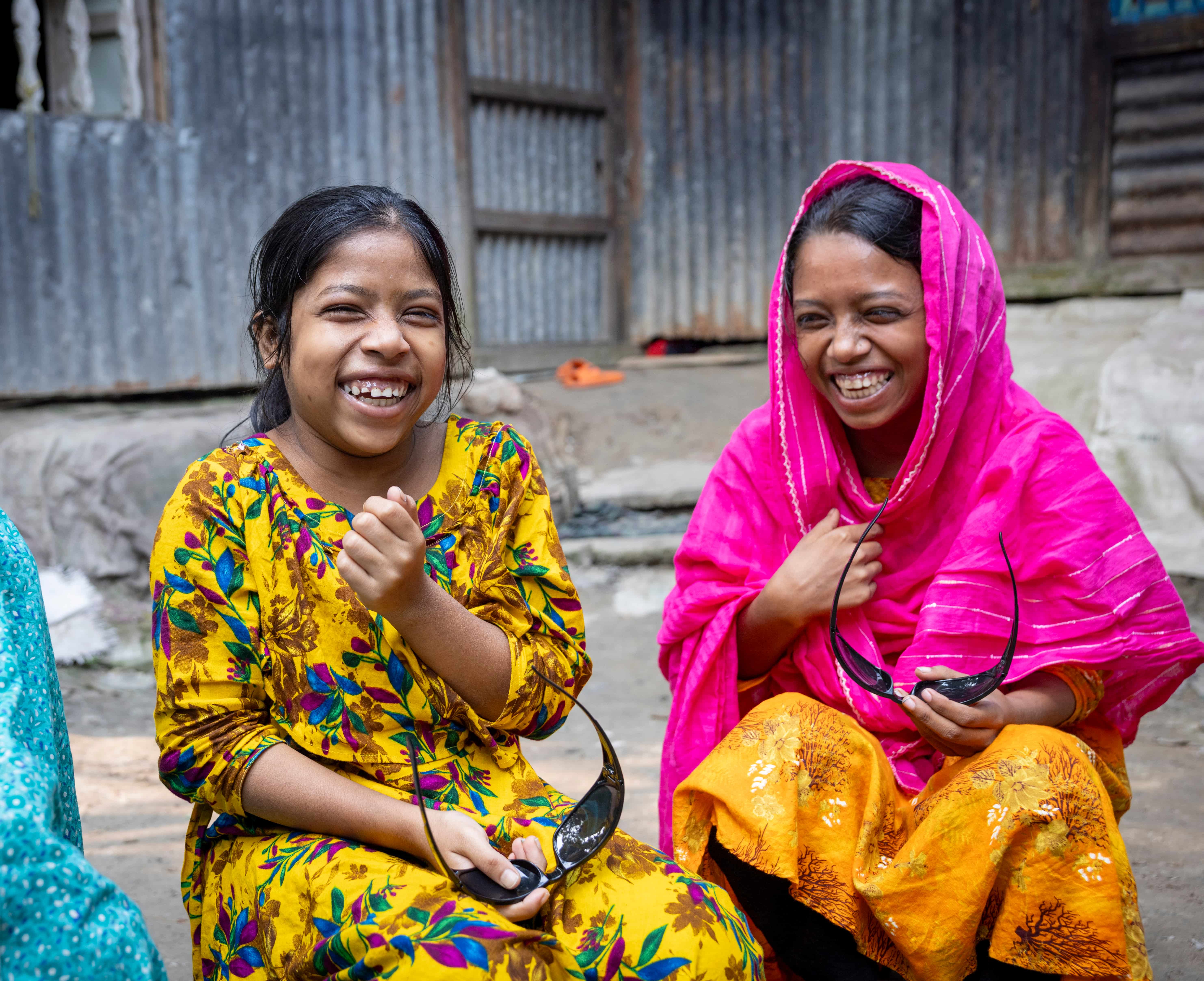 Sumaiya and Habiba smile after having their sight restored through cataract surgery in Chandpur, Bangladesh. Their parents are hopeful the sisters can return to school, play with their friends and look forward to a brighter future.
Photo credit: Michael Amendolia
Parveen's story
Parveen knows first-hand how quickly sight loss can change a person's life.
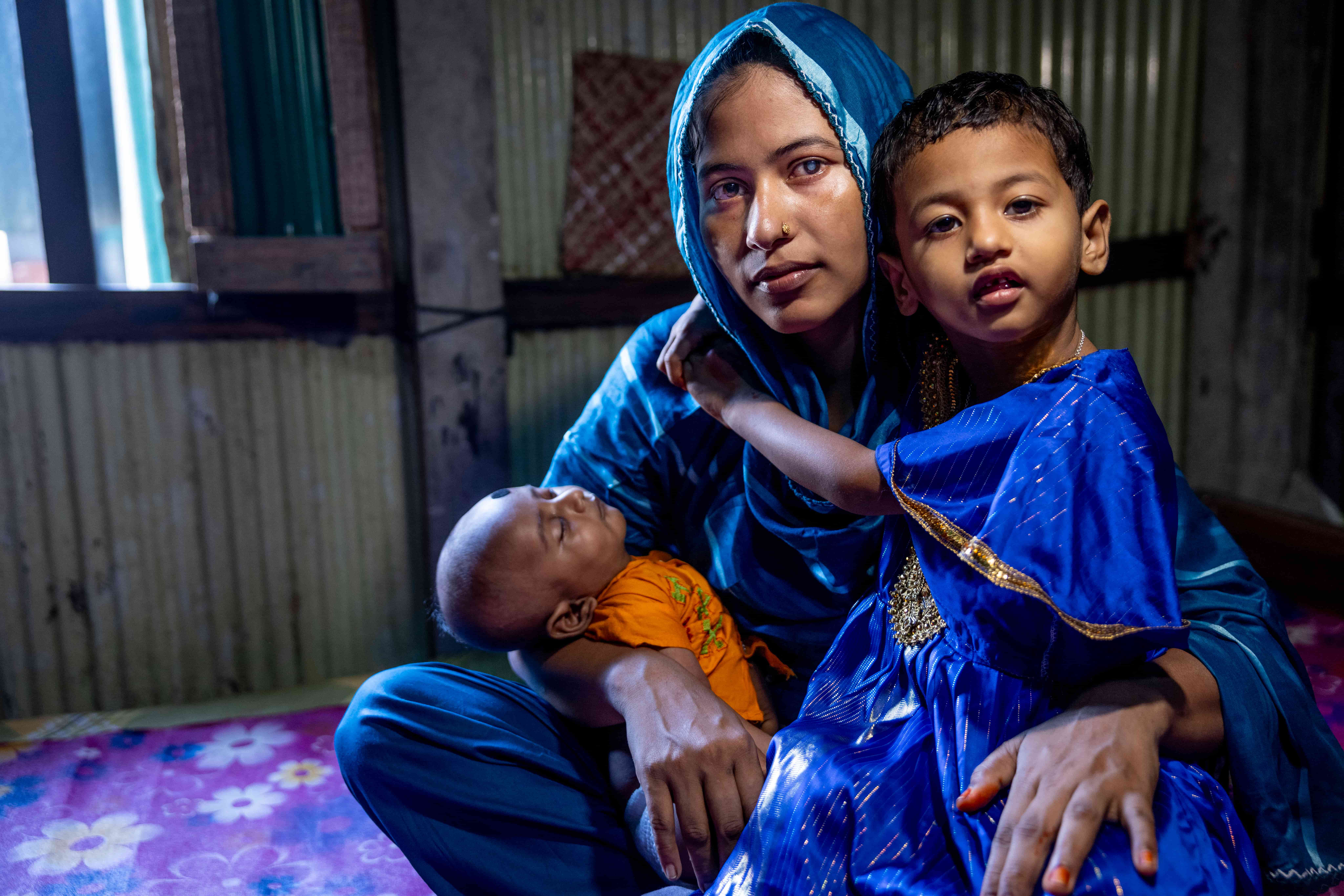 Photo credit: Michael Amendolia
After an electrical accident caused cataracts in both eyes, the young mother from Chandpur could no longer see the face of her baby son.
"I have eyes but I can't see. My child is in front of me and I can't properly take care of him," she said.
Unable to afford treatment, Parveen's future looked uncertain.
Working with local partners, The Fred Hollows Foundation helped ensure she could receive cataract surgery and overcome the financial barriers that had prevented her from accessing care.
The following morning, she saw her son for the very first time.
Her story shows what's possible when eye care is accessible.
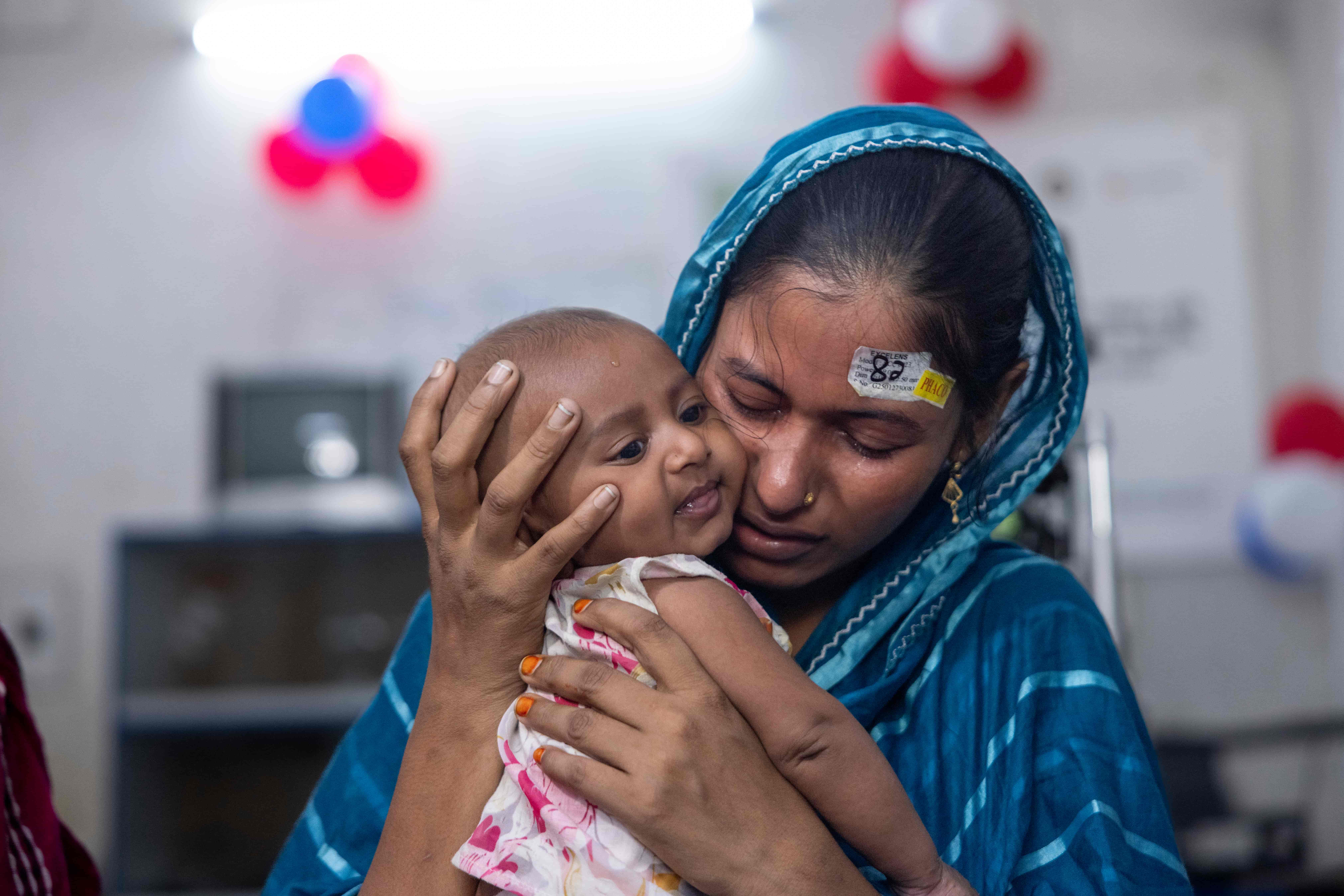 Photo credit: Michael Amendolia
Why gender equity matters
When women regain their sight, the benefits extend far beyond the individual. Gender equity in eye care means ensuring women have the same opportunity to access the treatment they need, regardless of financial, social or geographic barriers.
Women are often central to the wellbeing of their families and communities. Restoring sight can help mothers care for their children, grandparents support younger generations and women return to work, education and community life.
Improving access to eye care isn't simply about restoring vision.
It's about creating healthier families, stronger communities and a future where no one loses their sight because of barriers that can be removed.
Because everyone deserves the chance to see.
Meet the author

Roksana Kamal
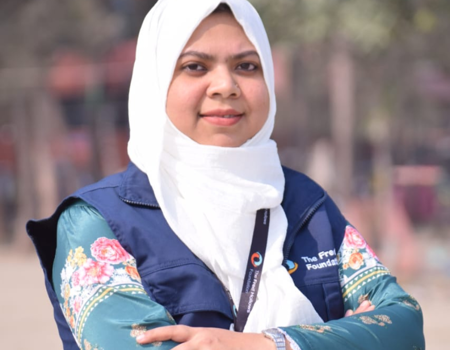
Roksana Kamal is a Project Officer for The Fred Hollows Foundation in Bangladesh. Roksana works closely with partners to help end avoidable blindness in the Chittagong and Khulna Divisions.
Related articles

The cataract backlog in Bangladesh: What's preventing people from getting surgery?

Eye care and life in Cox's Bazar

Restoring sight where life floats on rivers