The cataract backlog in Bangladesh: What's preventing people from getting surgery?

Cataracts are the leading cause of blindness worldwide, yet restoring sight is often possible with a routine operation that takes less than 20 minutes.
So why are hundreds of thousands of people in Bangladesh still living with avoidable blindness?
The answer lies in what's known as the cataract backlog – the number of people who need cataract surgery but haven't been able to receive it.
Understanding why this backlog exists is key to understanding how avoidable blindness can be eliminated.
What is a cataract backlog?
A cataract backlog occurs when more people need cataract surgery than the health system can treat.
Every year, new cataracts develop as people age. If health services can't keep pace with demand, the number of people waiting for surgery continues to grow.
The result is that people live with worsening vision for months or even years, despite having a condition that can often be treated safely and effectively.
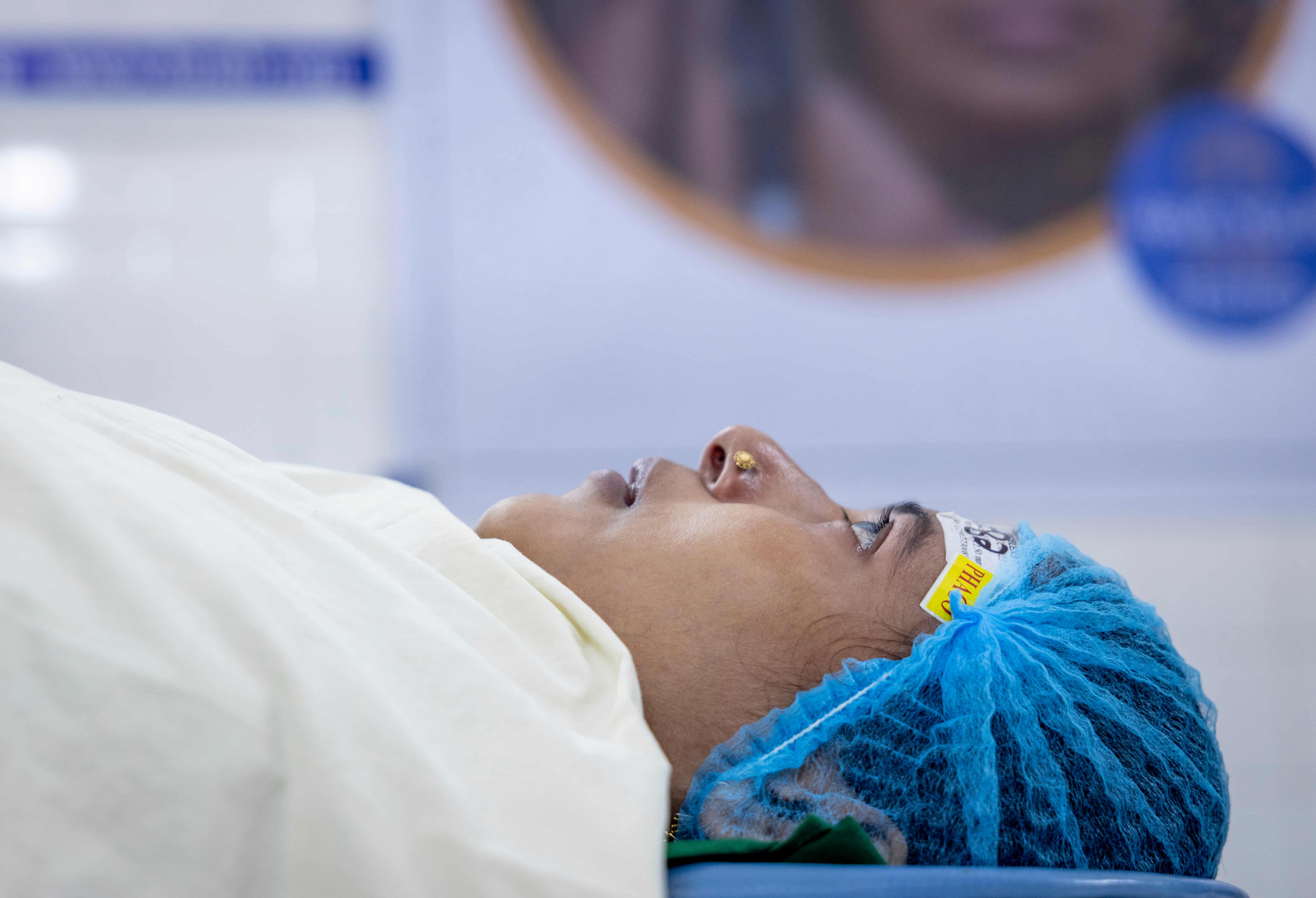 For people like Parveen, timely access to cataract surgery can mean the difference between living with avoidable blindness and seeing their family again.
Photo credit: Michael Amendolia
Why are people waiting for cataract surgery?
The challenge isn't simply having enough surgeons to perform cataract operations. People need to be able to find eye care, reach the right service, afford the costs of getting there and move through the health system from diagnosis to surgery.
In Bangladesh, these barriers can overlap, particularly for people living in rural and marginalised communities.
Distance from eye care
Eye care services are not evenly distributed across Bangladesh. People living in rural areas may need to travel long distances to reach a hospital that can diagnose and treat cataracts.
The cost of transport, accommodation and time away from work can make treatment difficult to access, even when surgery itself is free or subsidised. Bringing eye care closer to communities through screening, vision centres and referral services can help overcome these barriers.
The cost of accessing care
The cost of cataract surgery is only part of the financial barrier. For families on low incomes, paying for transport, accommodation and food, while potentially losing income from work, can make seeking treatment difficult.
These costs can also affect whether someone seeks care early or continues to wait as their vision deteriorates. Removing these practical and financial barriers is an important part of reducing the cataract backlog.
Women face greater barriers
Women in Bangladesh are less likely than men to access specialist eye care and can face additional barriers linked to poverty, limited awareness and gender inequality.
This means the people who need cataract surgery are not always the people who can most easily reach it. Making services more accessible and responsive to women and other marginalised communities is essential to ensuring no one is left behind.
Limited awareness and referral pathways
Cataracts usually develop gradually, so people may not realise that their worsening vision can be treated. Some may assume vision loss is simply part of ageing or wait until it begins to significantly affect their daily lives.
Even after someone is identified as having a cataract, they need a clear pathway from diagnosis to treatment. Community screening, effective referrals, trained health workers and equipped hospitals all play a role in ensuring people don't remain waiting for surgery.
Why does the backlog matter?
Delayed treatment affects much more than a person's eyesight.
People with cataracts may lose their independence, struggle to earn an income, withdraw from their communities or become reliant on family members for everyday tasks.
Children may leave school to care for older relatives, while families can lose valuable income when a parent or grandparent can no longer work.
The longer people wait for surgery, the greater the social and economic impact on families and communities.
How is Bangladesh reducing the cataract backlog?
Reducing the backlog isn't simply about performing more surgeries.
It requires strengthening the entire eye health system.
That includes:
- Identifying people with cataracts through community screening programs.
- Training more ophthalmologists, nurses and eye health workers.
- Equipping hospitals to deliver high-quality cataract surgery.
- Supporting referral pathways so patients can move quickly from diagnosis to treatment.
- Removing barriers such as transport and accommodation costs that prevent people from accessing care.
When these parts of the system work together, more people receive treatment earlier, helping prevent the backlog from continuing to grow.
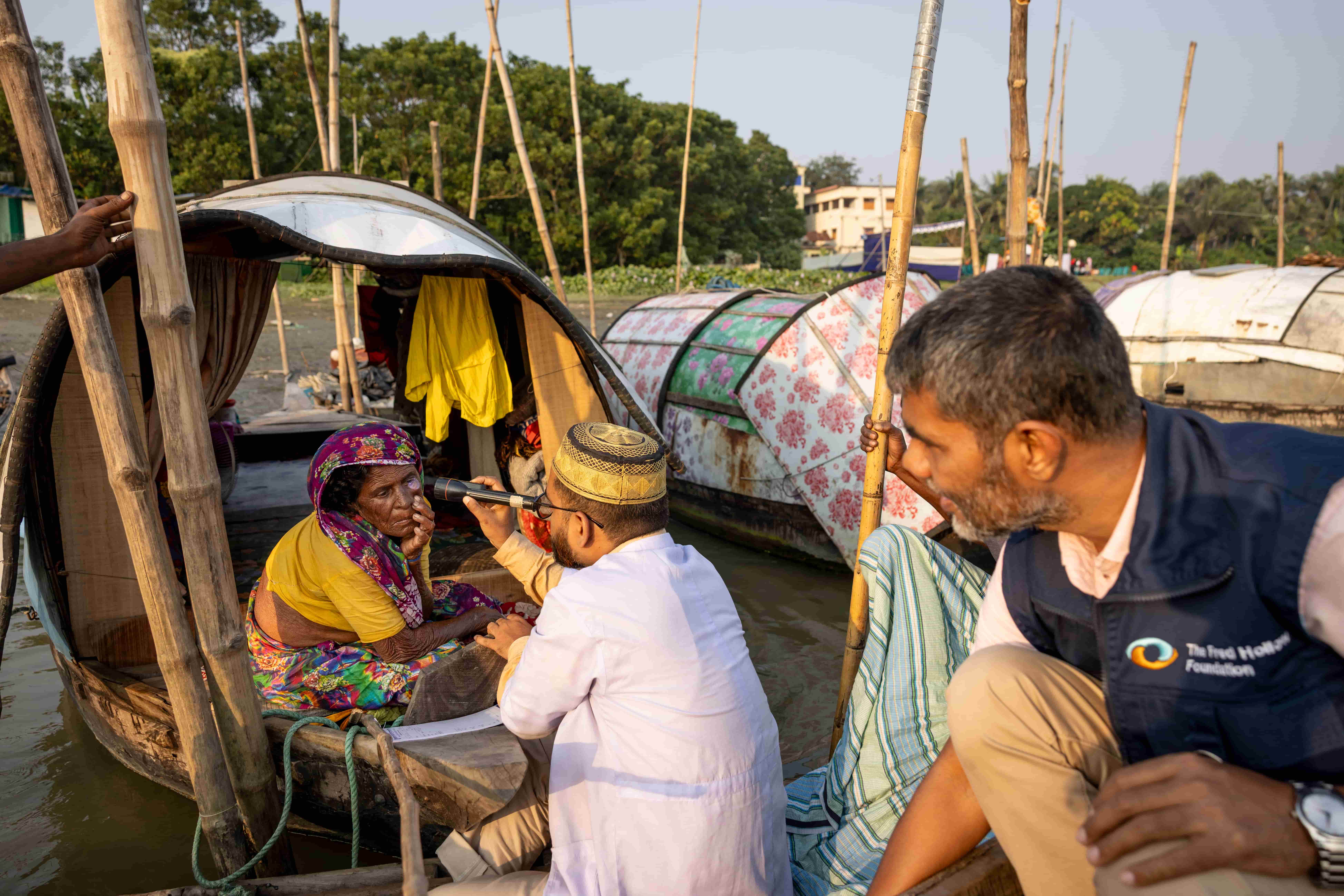
Eye health workers travel by boat to reach the Bede community in Chandpur, screening for cataracts and connecting patients with treatment. Outreach services like this help bring eye care closer to people who face barriers accessing hospitals.
Photo credit: Michael Amendolia
A mother's story
Parveen understands what happens when cataracts go untreated.
After a live electrical wire brushed her face, traumatic cataracts gradually stole her sight. By the time her son, Pervez, was born, she could no longer see his face.
Unable to afford treatment, Parveen's blindness affected every part of her life.
"I have eyes but I can't see. My child is in front of me and I can't properly take care of him," she said.
With support from The Fred Hollows Foundation and local partners, Parveen received the cataract surgery she needed.
The following morning, she saw her son for the first time.
Her story is a powerful reminder that behind every statistic is a person whose life can be transformed through timely access to eye care.
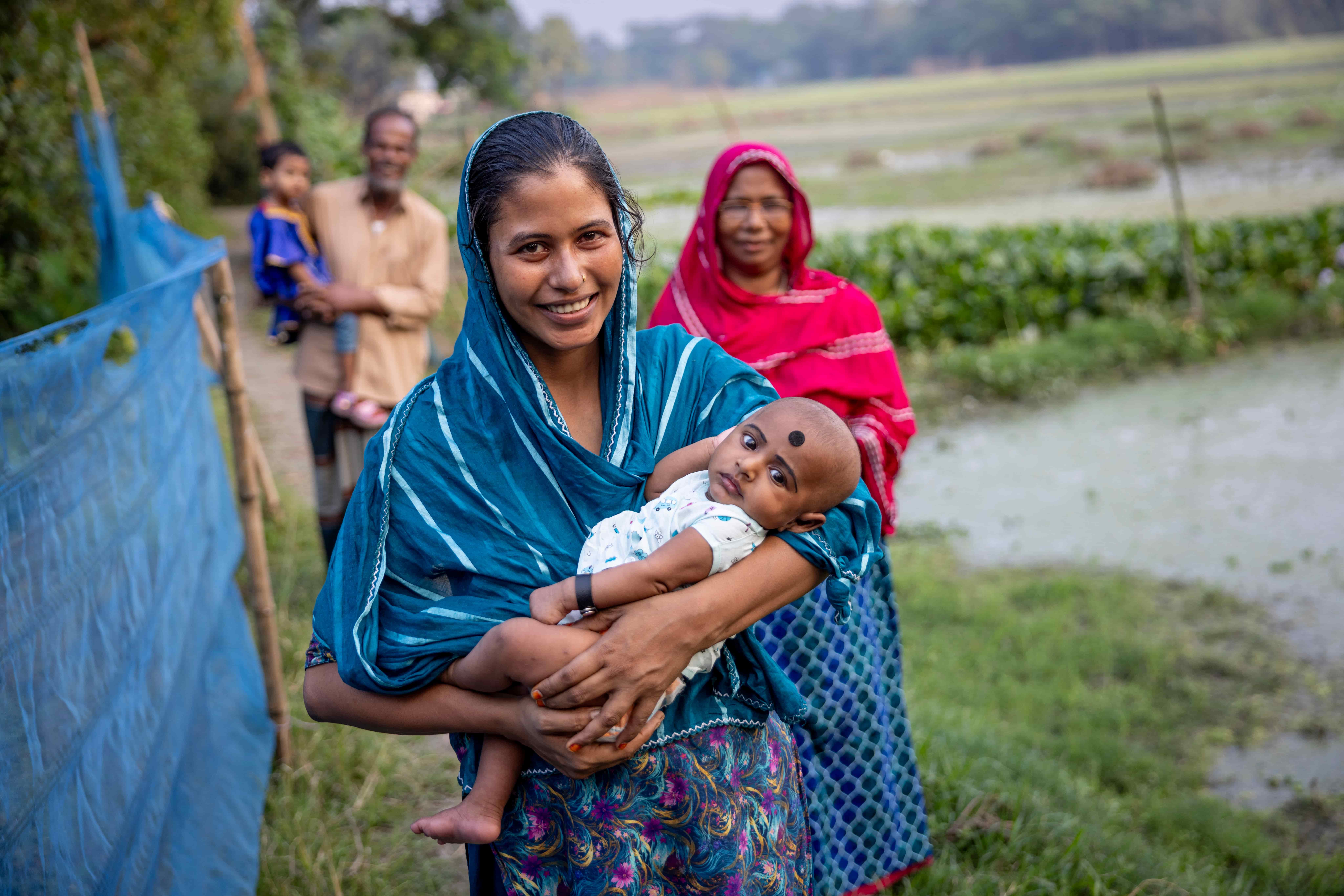 Photo credit: Michael Amendolia
Building stronger eye health systems
The Fred Hollows Foundation has worked alongside partners in Bangladesh since 2008 to strengthen local eye health services and help reduce avoidable blindness.
This work goes beyond restoring sight for individuals.
By training local eye health professionals, supporting hospitals, delivering community screening programs and helping remove barriers to treatment, we're helping ensure more people can access care before blindness changes their lives.
Reducing the cataract backlog won't happen overnight.
But every person who receives timely treatment, every health worker who is trained and every stronger health service brings Bangladesh one step closer to a future where avoidable blindness is no longer a barrier to living a healthy, independent life.
Meet the author

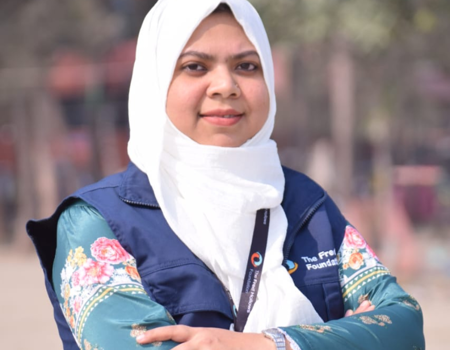
Roksana Kamal
Roksana Kamal is a Project Officer for The Fred Hollows Foundation in Bangladesh. Roksana works closely with partners to help end avoidable blindness in the Chittagong and Khulna Divisions.
Learn more

Eye care and life in Cox's Bazar

Restoring sight where life floats on rivers

Ending cataract blindness in Rwanda: Building a national eye health system by 2040